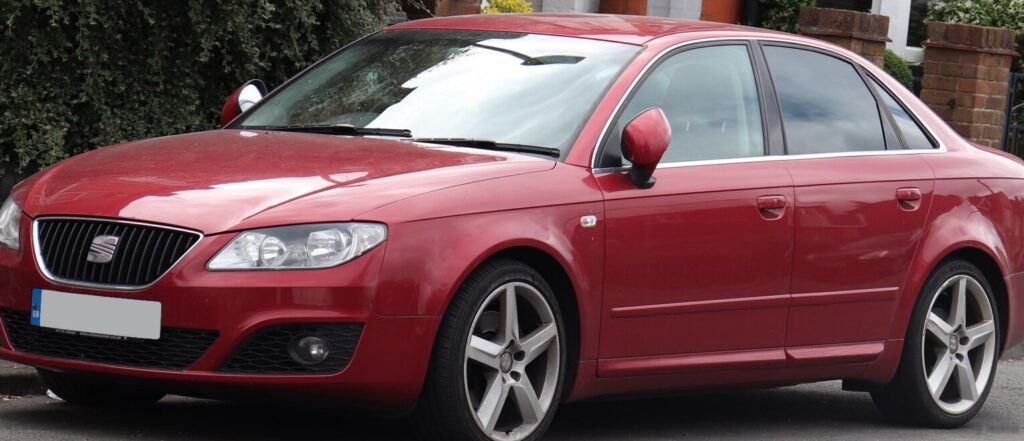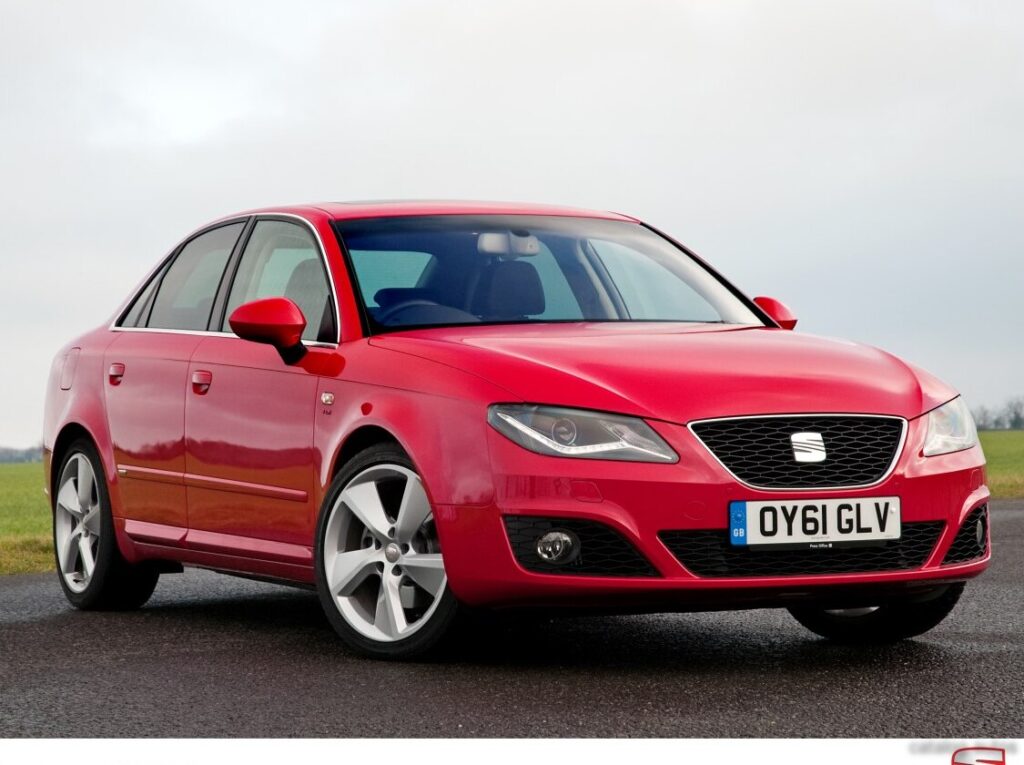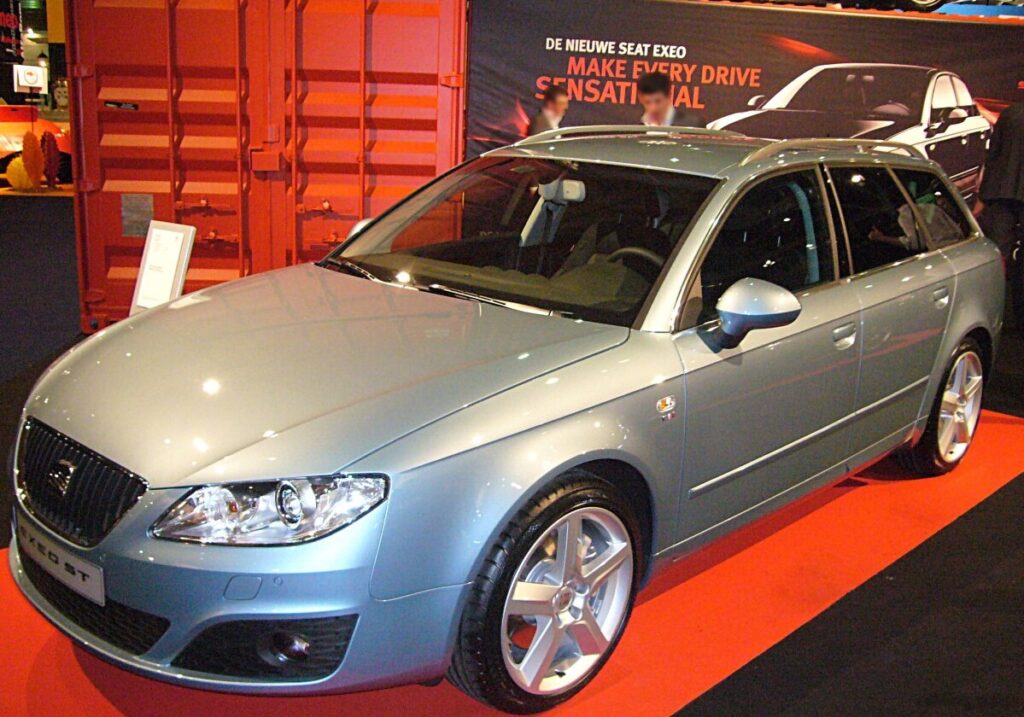
The Seat Exeo ST 2.0 TDI, produced from December 2008 to September 2011, was a station wagon (estate) variant of the Exeo model line. Positioned as a practical and relatively efficient offering within the range, it represented Seat’s entry into the mid-size wagon segment. The Exeo itself was based heavily on the outgoing B7 generation Audi A4, a result of the Volkswagen Group’s platform sharing strategy – specifically utilizing the 1HX0/A3 platform. The ST (Sport Tourer) designation denoted the wagon body style, offering increased cargo capacity compared to the standard Exeo sedan. This 2.0 TDI variant, producing 143 horsepower, was a popular choice for buyers prioritizing fuel economy and torque for long-distance driving and hauling.
Powertrain & Engine Architecture
The heart of the Exeo ST 2.0 TDI was the Volkswagen Group’s common rail diesel engine, specifically the CAGA or CJCA engine code depending on the production year and market. This 1968cc (120.09 cubic inches) inline four-cylinder engine featured a turbocharger with an intercooler to enhance power and efficiency. The engine employed a sophisticated common rail direct injection system, delivering fuel directly into the combustion chamber at extremely high pressure. This system, coupled with a 16.5:1 compression ratio, contributed to the engine’s strong torque output and relatively low emissions. The valvetrain utilized an overhead camshaft (OHC) configuration with two valves per cylinder. Engine oil capacity was 4.3 liters (4.54 US quarts / 3.78 UK quarts) and required a specification adhering to VW Group standards. A particulate filter was standard equipment to meet Euro 5 emission regulations.
Transmission
The 2.0 TDI engine in the Exeo ST was typically paired with a six-speed manual transmission. While an automatic transmission was offered in some markets, the manual gearbox was the more common configuration. The six-speed manual provided a good balance between fuel efficiency and driver engagement. Gear ratios were optimized for both highway cruising and acceleration, with a relatively long final drive to aid fuel economy. The transmission was a front-wheel drive setup, as with all Exeo models.
Driving Characteristics
The Exeo ST 2.0 TDI offered a composed and comfortable driving experience. The 143 hp engine, while not exceptionally powerful, provided ample torque – 320 Nm (236.02 lb-ft) at 2500 rpm – making it well-suited for everyday driving and carrying loads. Acceleration from 0 to 100 km/h (0-62 mph) took approximately 9.6 seconds, and 0-60 mph was achieved in around 9.1 seconds. Top speed was rated at 207 km/h (128.62 mph). Compared to the more powerful petrol (gasoline) variants of the Exeo, the 2.0 TDI prioritized fuel efficiency and low-end grunt over outright performance. The manual transmission allowed for precise control, while the long gearing contributed to a relaxed driving experience on the highway. The engine was relatively quiet and refined for a diesel, although some diesel clatter was noticeable at idle.
Equipment & Trim Levels
The Exeo ST 2.0 TDI was available in several trim levels, varying by market. Standard equipment generally included air conditioning, electric front windows, power-adjustable mirrors, a CD stereo system, and ABS brakes. Higher trim levels added features such as alloy wheels, a multi-function steering wheel, cruise control, automatic climate control, and a more sophisticated audio system. Interior upholstery typically consisted of cloth, with leather options available on higher-spec models. The dashboard layout was functional and well-built, reflecting the Exeo’s Audi A4 origins. Optional extras included a sunroof, parking sensors, and a navigation system.
Chassis & Braking
The Exeo ST’s chassis was based on the Audi A4 platform, providing a solid and well-engineered foundation. The front suspension utilized a double wishbone setup, while the rear suspension employed an independent multi-link spring suspension with a stabilizer bar. This configuration delivered a comfortable ride and good handling characteristics. Braking duties were handled by ventilated discs at the front and solid discs at the rear. ABS (Anti-lock Braking System) was standard. The steering was a hydraulic power steering system, providing a responsive and precise feel. Tire sizes varied depending on the trim level, ranging from 205/55 R16 to 225/45 R17 and 225/40 R18. Wheel rim sizes correspondingly ranged from 7J x 16 to 8J x 18.
Market Reception & Comparison
The Seat Exeo ST 2.0 TDI was generally well-received by automotive critics. It was praised for its practicality, fuel efficiency, and comfortable ride. However, some reviewers noted that it lacked the brand cachet of its Audi A4 counterpart. Compared to the petrol (gasoline) versions of the Exeo, the 2.0 TDI offered significantly better fuel economy – achieving approximately 5.7 l/100 km (41.3 US mpg / 49.6 UK mpg) on the combined cycle. It also provided more torque, making it better suited for towing and carrying heavy loads. In terms of reliability, the 2.0 TDI engine proved to be generally robust, although common diesel issues such as diesel particulate filter (DPF) clogging and injector problems could occur with improper maintenance. Compared to the 1.8L petrol variants, the TDI offered superior fuel economy but potentially higher maintenance costs related to the diesel emissions system.
Technical Specifications
| Brand | Seat |
| Model | Exeo ST |
| Type (Engine) | 2.0 TDI (143 Hp) |
| Start of production | December, 2008 |
| End of production | September, 2011 |
| Fuel consumption (urban) | 7.8 l/100 km (30.2 US mpg / 36.2 UK mpg) |
| Fuel consumption (extra urban) | 4.5 l/100 km (52.3 US mpg / 62.8 UK mpg) |
| Fuel consumption (combined) | 5.7 l/100 km (41.3 US mpg / 49.6 UK mpg) |
| Fuel Type | Diesel |
| Acceleration 0 – 100 km/h | 9.6 sec |
| Acceleration 0 – 62 mph | 9.6 sec |
| Acceleration 0 – 60 mph | 9.1 sec |
| Maximum speed | 207 km/h (128.62 mph) |
| Emission standard | Euro 5 |
| Weight-to-power ratio | 10.4 kg/Hp |
| Power | 143 Hp @ 4000 rpm |
| Torque | 320 Nm @ 2500 rpm (236.02 lb.-ft. @ 2500 rpm) |
| Engine layout | Front, Longitudinal |
| Engine Model/Code | CAGA, CJCA |
| Engine displacement | 1968 cm3 (120.09 cu. in.) |
| Number of cylinders | 4 |
| Cylinder Bore | 81 mm (3.19 in.) |
| Piston Stroke | 95.5 mm (3.76 in.) |
| Compression ratio | 16.5:1 |
| Fuel injection system | Diesel Commonrail |
| Engine aspiration | Turbocharger, Intercooler |
| Kerb Weight | 1490 kg (3284.89 lbs.) |
| Max. weight | 2050 kg (4519.48 lbs.) |
| Trunk (boot) space – minimum | 442 l (15.61 cu. ft.) |
| Trunk (boot) space – maximum | 1354 l (47.82 cu. ft.) |
| Fuel tank capacity | 70 l (18.49 US gal / 15.4 UK gal) |
| Length | 4670 mm (183.86 in.) |
| Width | 1772 mm (69.76 in.) |
Legacy
The Seat Exeo ST 2.0 TDI, while a relatively short-lived model, has gained a reputation as a reliable and practical used car. The 2.0 TDI engine, when properly maintained, is known for its longevity. However, potential buyers should be aware of the potential for DPF issues and injector problems. The Exeo ST offers a compelling alternative to more expensive estate cars from premium brands, providing a good level of equipment and a comfortable driving experience at a more affordable price point. Today, it represents a good value proposition for those seeking a spacious and fuel-efficient wagon.