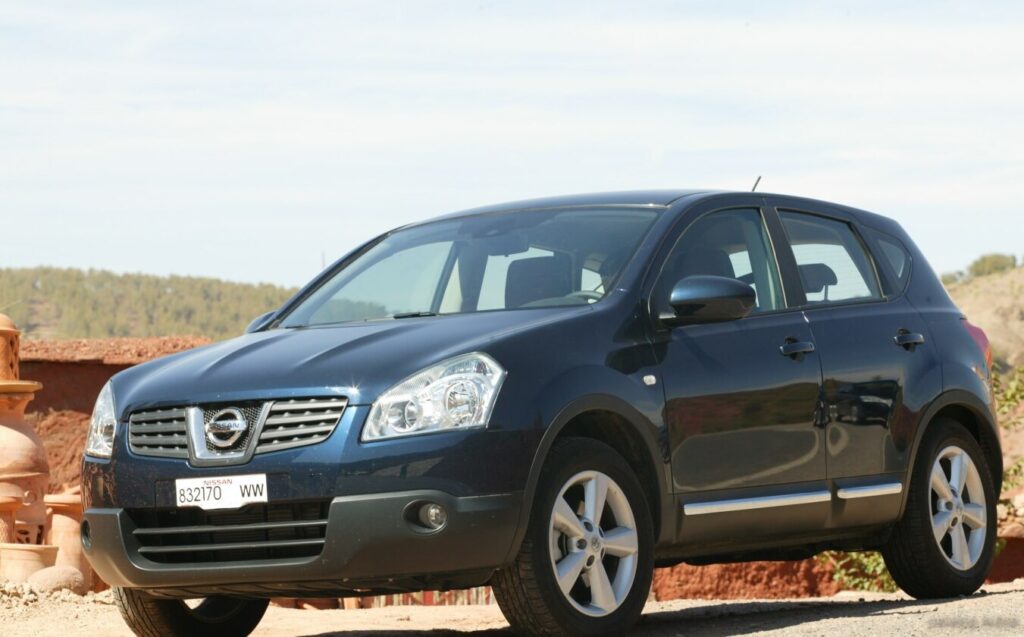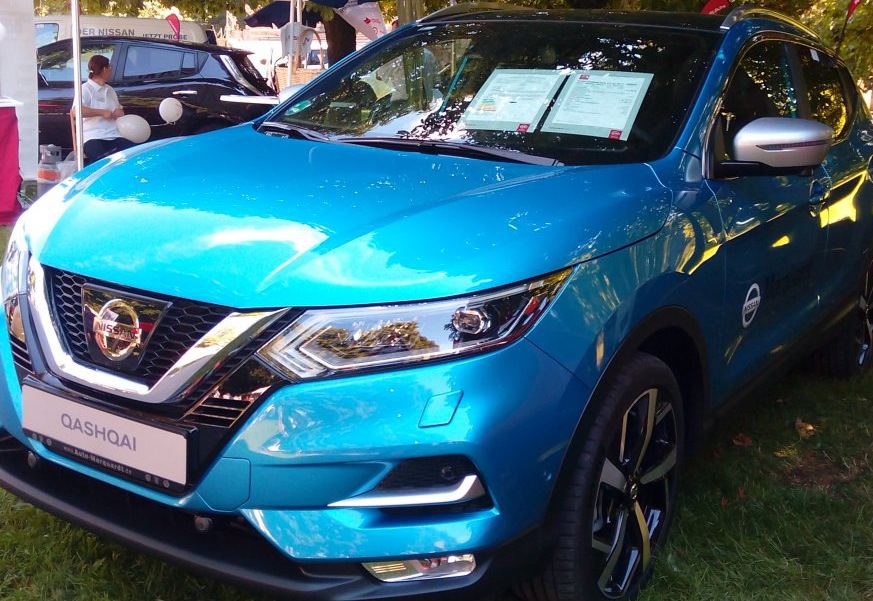
The Nissan Qashqai II (J11), specifically the 1.2 DIG-T variant producing 115 horsepower, was a key model in Nissan’s European lineup from 2017 to August 2018. This version represented a mid-range offering within the facelifted second generation Qashqai, positioned between the lower-powered 1.2 DIG-T 115 hp manual and the more potent 1.6 DIG-T models. Built on the CMF-CD platform (Renault-Nissan Common Module Family – Compact), the J11 Qashqai aimed to blend practicality, fuel efficiency, and modern styling in the highly competitive compact crossover segment.
1.2 DIG-T (115 Hp) Powertrain & Engine Architecture
The heart of this Qashqai variant is the HR2DDT 1.2-liter turbocharged four-cylinder gasoline engine. This engine, part of Nissan’s DIG-T (Direct Injection Gasoline – Turbocharged) series, utilizes direct fuel injection and a small turbocharger to deliver a balance of performance and economy. The engine displaces 1197 cc (73.05 cubic inches) and features an inline configuration with a bore of 72.2 mm (2.84 inches) and a stroke of 73.1 mm (2.88 inches). It operates with a compression ratio of 10.1:1 and employs four valves per cylinder, contributing to efficient combustion. The HR2DDT engine produces 115 hp at 4500 rpm and 190 Nm (140.14 lb-ft) of torque at 2000 rpm.
The 1.2 DIG-T engine is paired with a six-speed manual transmission, sending power to the front wheels. While an Xtronic CVT (Continuously Variable Transmission) was available on other Qashqai trims, the 115 hp version was primarily offered with the manual gearbox. This choice aimed to appeal to drivers who preferred a more engaging driving experience and potentially better fuel economy. The engine’s turbocharger and intercooler are integral to its performance, providing increased air density for improved combustion and power output.
Fuel Injection and Valvetrain
The direct fuel injection system precisely meters fuel into the combustion chamber, optimizing the air-fuel mixture for efficient burning. This system contributes to reduced emissions and improved fuel economy. The engine utilizes a dual overhead camshaft (DOHC) valvetrain, ensuring precise valve timing and control for optimal engine performance across the rev range. The engine oil capacity is 4.6 liters (4.86 US quarts / 4.05 UK quarts), and the recommended coolant capacity is 6.4 liters (6.76 US quarts / 5.63 UK quarts).
Driving Characteristics
The 1.2 DIG-T 115 hp Qashqai offers a comfortable and practical driving experience, well-suited for everyday commuting and family use. Acceleration from 0 to 100 km/h (0-62 mph) takes approximately 10.6 seconds, while 0-60 mph is achieved in around 10.1 seconds. The maximum speed is rated at 185 km/h (114.95 mph). While not a performance-oriented vehicle, the turbocharger provides a noticeable boost in power during acceleration, making overtaking maneuvers manageable. The six-speed manual transmission allows for precise gear selection and driver control. Compared to the higher-output 1.6 DIG-T models, the 1.2 DIG-T feels less responsive, particularly at higher speeds. However, it offers a more economical driving experience, with combined fuel consumption figures of around 5.6 l/100 km (42 US mpg / 50.4 UK mpg).
The gear ratios are tuned for fuel efficiency and everyday drivability, rather than outright performance. First gear is relatively short for quick acceleration from a standstill, while higher gears are spaced to maintain comfortable cruising speeds on the highway. The steering is light and precise, making it easy to maneuver in urban environments. The suspension provides a comfortable ride, absorbing bumps and imperfections in the road surface effectively.
Equipment & Trim Levels
The 1.2 DIG-T 115 hp Qashqai typically came equipped with a reasonable level of standard features. These generally included air conditioning, a touchscreen infotainment system with Bluetooth connectivity, alloy wheels, and a suite of safety features such as ABS (Anti-lock Braking System), electronic stability control, and multiple airbags. Interior upholstery was typically cloth, with options for higher-grade materials available on higher trim levels. The dashboard layout was modern and functional, with a focus on ease of use. Optional extras included navigation systems, parking sensors, a rearview camera, and upgraded audio systems. Specific trim levels (Visia, Acenta, Tekna) offered progressively more features and equipment.
Chassis & Braking
The Qashqai II utilizes a front-wheel-drive chassis with a MacPherson strut suspension at the front and a torsion beam suspension at the rear. This setup provides a good balance of ride comfort and handling. The front brakes are discs, while the rear brakes are also discs. The electric power steering system provides light and precise steering control. Tire sizes varied depending on the trim level, ranging from 215/65 R16 to 225/45 R19. The curb weight of the 1.2 DIG-T variant is approximately 1275 kg (2810.89 lbs), and the maximum weight is 1860 kg (4100.6 lbs).
Market Reception & Comparison
The Nissan Qashqai II, including the 1.2 DIG-T 115 hp variant, was generally well-received by automotive critics. It was praised for its stylish design, spacious interior, and comfortable ride. The 1.2 DIG-T engine was considered a good compromise between performance and fuel economy, although some reviewers noted that it could feel underpowered when fully loaded or driving uphill. Compared to other trims in the Qashqai lineup, the 1.2 DIG-T offered a more affordable entry point, making it attractive to budget-conscious buyers. Its fuel economy was comparable to other small gasoline SUVs, and its reliability was generally considered good. However, some competitors offered more powerful engines or a wider range of features at a similar price point.
Technical Specifications
| Body type | SUV, Crossover |
| Engine displacement | 1197 cm3 (73.05 cu. in.) |
| Number of cylinders | 4, Inline |
| Power | 115 Hp @ 4500 rpm |
| Torque | 190 Nm (140.14 lb.-ft.) @ 2000 rpm |
| Fuel consumption (urban) | 6.6 l/100 km (35.6 US mpg / 42.8 UK mpg) |
| Fuel consumption (extra urban) | 5.1 l/100 km (46.1 US mpg / 55.4 UK mpg) |
| Fuel consumption (combined) | 5.6 l/100 km (42 US mpg / 50.4 UK mpg) |
| CO2 emissions | 129 g/km |
| Acceleration 0-100 km/h | 10.6 sec |
| Maximum speed | 185 km/h (114.95 mph) |
| Kerb Weight | 1275 kg (2810.89 lbs) |
| Fuel tank capacity | 55 l (14.53 US gal / 12.1 UK gal) |
| Transmission | 6-speed manual |
Legacy
The 1.2 DIG-T 115 hp engine proved to be a relatively reliable powertrain in the Qashqai II. While some early examples experienced minor issues with the turbocharger or fuel injectors, these were generally addressed through software updates and improved manufacturing processes. Today, used examples of this Qashqai variant are readily available and represent a good value for money. The engine’s fuel efficiency and relatively low maintenance costs make it an attractive option for buyers looking for a practical and affordable compact crossover. However, potential buyers should be aware of the engine’s limitations in terms of outright performance and ensure that the vehicle has been properly maintained.