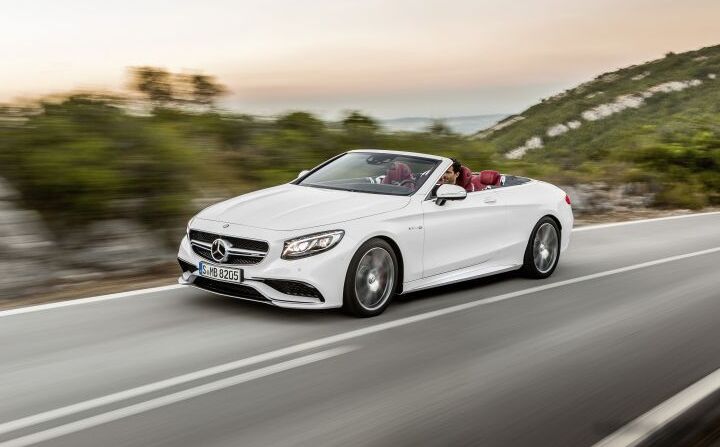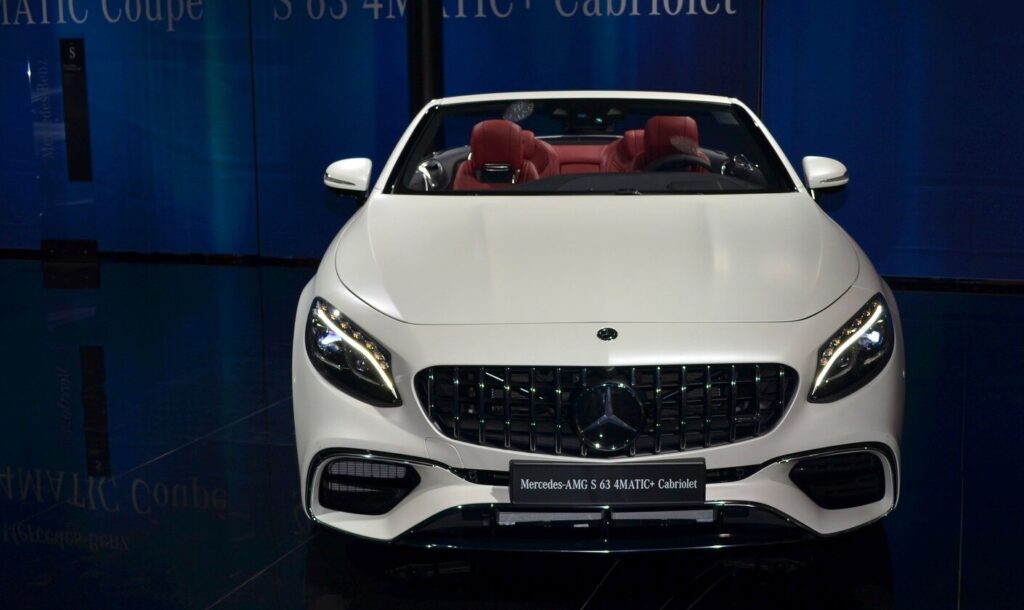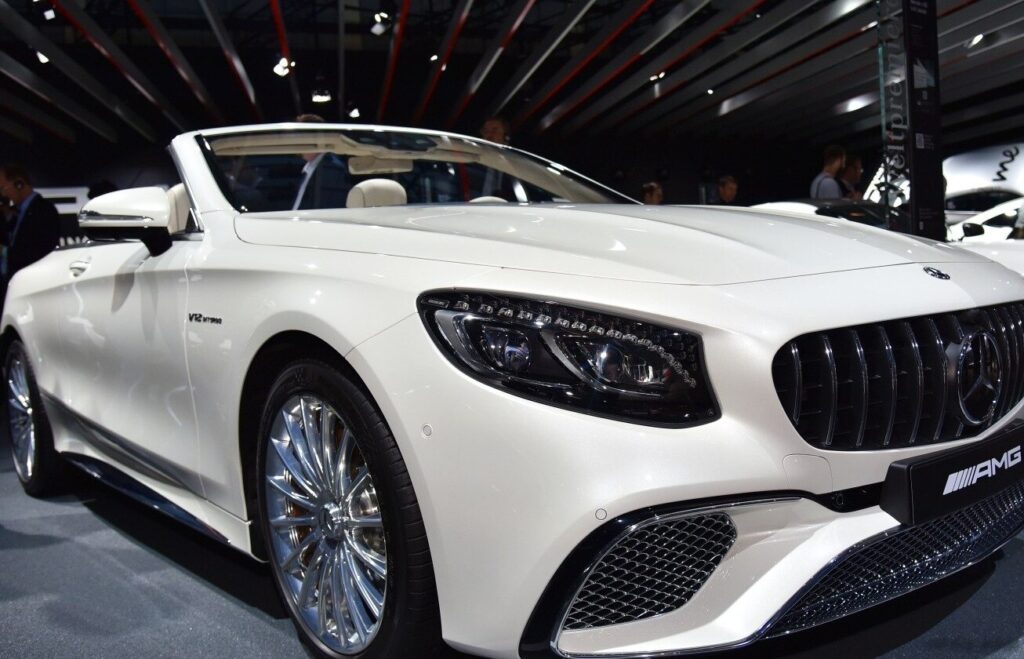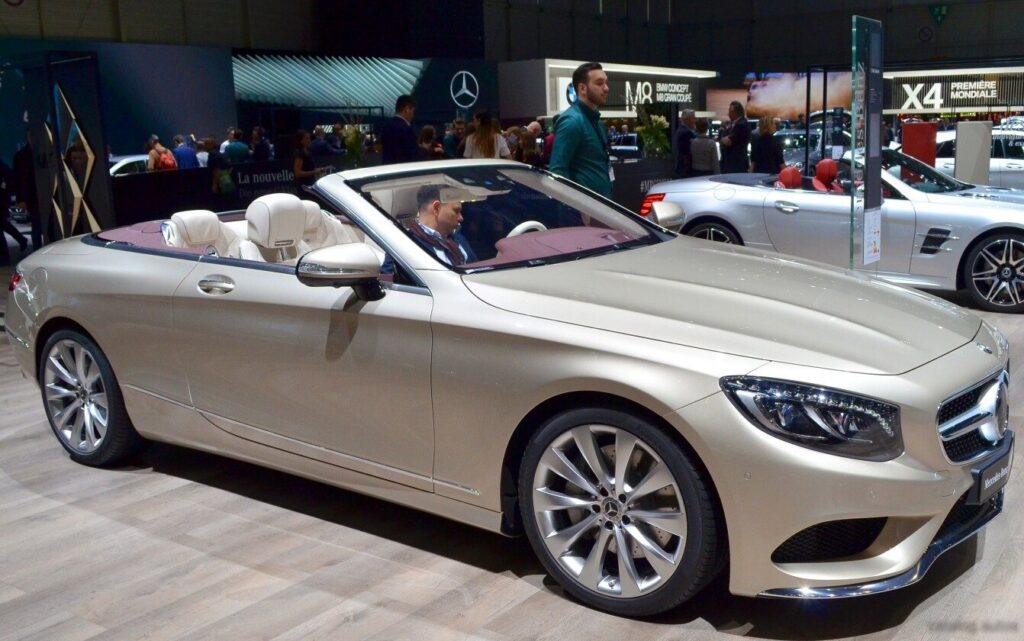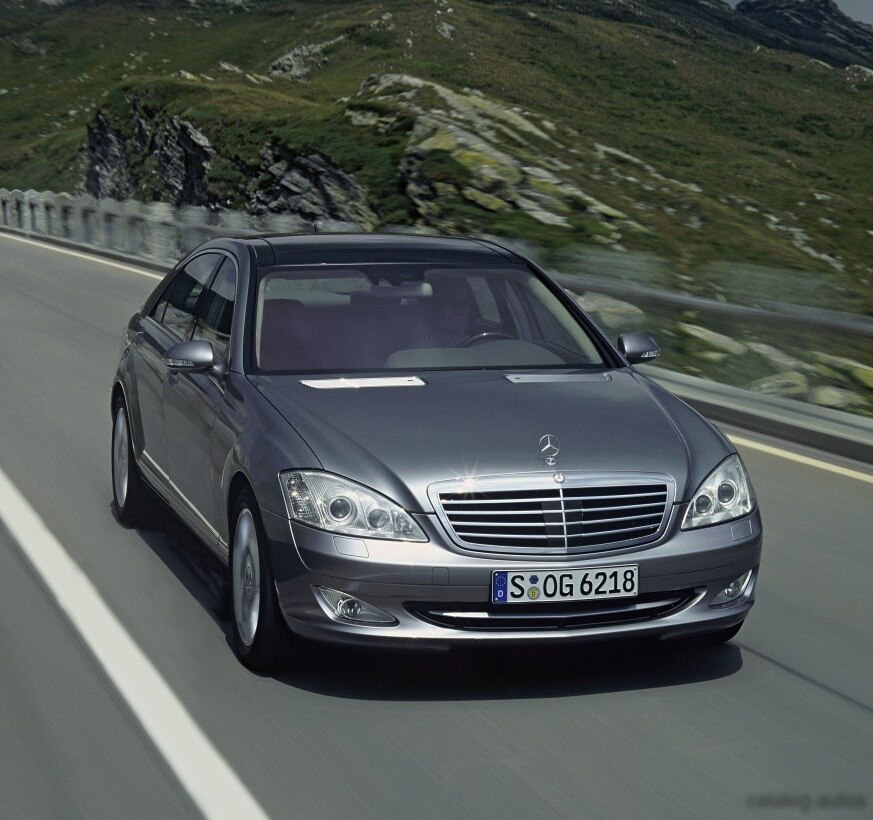
The Mercedes-Benz S-Class W221 AMG S 63, produced from 2006 to 2009, represented the high-performance variant of the third-generation S-Class (W221). Positioned as the flagship performance model within the S-Class range, it offered a substantial increase in power and sporting characteristics compared to the standard S-Class models, such as the S550 or S450. It served as a direct competitor to high-performance luxury sedans from BMW and Porsche. The AMG S 63 combined the opulent luxury expected of an S-Class with the exhilarating performance of a hand-built AMG engine and a sophisticated 7G-TRONIC automatic transmission.
AMG S 63: Powertrain & Engine Architecture
The heart of the AMG S 63 was the M156.984 6.2-liter naturally aspirated V8 engine. This engine, entirely hand-built at the AMG facility in Affalterbach, Germany, was a significant departure from the smaller, often supercharged or turbocharged engines becoming prevalent in the industry. The M156 featured an all-aluminum block and heads, a flat-plane crankshaft, and individual throttle bodies for each cylinder, contributing to its responsive and high-revving nature. Fuel delivery was managed by a multi-port manifold injection system. The engine produced 525 horsepower at 6800 rpm and 464.66 lb-ft of torque at 5200 rpm. The high compression ratio of 11.3:1 further enhanced performance.
The engine’s valvetrain employed four valves per cylinder, optimized for high airflow. The 7G-TRONIC seven-speed automatic transmission, developed by Mercedes-Benz, was specifically tuned by AMG to handle the engine’s substantial power output. This transmission offered a blend of smooth shifts and quick response, with the ability to manually select gears via steering wheel-mounted paddle shifters. The transmission was designed for rear-wheel drive, delivering power to the rear wheels exclusively.
Transmission Details & Gear Ratios
The 7G-TRONIC transmission in the AMG S 63 featured a wide range of gear ratios designed to optimize both acceleration and fuel efficiency. While specific ratios varied slightly depending on the final drive, a typical configuration included first gear at 4.38, second at 2.86, third at 1.98, fourth at 1.30, fifth at 0.93, sixth at 0.74, and seventh (overdrive) at 0.67. This allowed for strong off-the-line acceleration while maintaining comfortable cruising speeds at lower engine revolutions.
Driving Characteristics
The AMG S 63 delivered a driving experience markedly different from the standard S-Class models. The naturally aspirated V8 provided a linear power delivery, building to a crescendo at higher engine speeds. Acceleration from 0 to 60 mph was achieved in approximately 4.4 seconds, and the car was electronically limited to a top speed of 155 mph. The suspension, tuned for performance, offered a firmer ride than the standard S-Class, reducing body roll during cornering. However, it still maintained a level of comfort suitable for long-distance driving. The steering was precise and responsive, providing good feedback to the driver.
Compared to other S-Class variants, the AMG S 63 offered a significantly more engaging driving experience. The standard S-Class models, while luxurious and comfortable, prioritized ride quality and refinement over outright performance. The 1.8L or 3.5L engines found in those models offered considerably less power and acceleration. Even the S550, with its larger engine, couldn’t match the AMG S 63’s raw power and sporting character. The AMG model appealed to drivers who desired a high-performance luxury sedan capable of delivering both exhilarating acceleration and a comfortable, refined driving experience.
Equipment & Trim Levels
The AMG S 63 came standard with a comprehensive array of luxury and performance features. Interior appointments included premium leather upholstery, wood trim, and AMG-specific sport seats. Standard equipment also included a premium sound system, a navigation system, and a sunroof. The exterior featured AMG body styling, including unique front and rear bumpers, side skirts, and a rear spoiler. Larger wheels and tires (typically 19-inch) were also standard.
Optional extras included a variety of customization options, such as different interior trim materials, upgraded sound systems, and advanced driver-assistance features like Distronic Plus adaptive cruise control and lane-keeping assist. Rear-seat entertainment systems were also available. The AMG S 63 was positioned as a premium offering, and as such, many examples were equipped with a significant number of optional extras.
Chassis & Braking
The chassis of the AMG S 63 was reinforced to handle the increased power and stresses of high-performance driving. The suspension system utilized an air suspension with AMG-specific tuning, providing adjustable ride height and damping. This allowed drivers to tailor the suspension to their preferences, balancing comfort and handling. The braking system featured ventilated discs on all four wheels, with larger rotors and upgraded calipers compared to the standard S-Class. ABS (Anti-lock braking system) was standard. The front brakes were typically 380mm in diameter, while the rear brakes were 320mm. Tire sizes were typically 255/40 R19 for the front and 275/40 R19 for the rear.
Market Reception & Comparison
The AMG S 63 was generally well-received by automotive critics, who praised its powerful engine, responsive handling, and luxurious interior. However, its fuel economy was often criticized, with combined fuel consumption figures around 15.8 US mpg. Compared to other S-Class trims, the AMG S 63 offered significantly higher performance but at a considerable price premium. Reliability was generally good, although the complexity of the engine and transmission meant that maintenance costs could be higher than those of simpler S-Class models. The car’s CO2 emissions were rated at 355 g/km, reflecting its large engine and performance-oriented nature.
Technical Specifications
| Body Type | Sedan, 4 Doors, 4 Seats |
| Fuel Economy (Combined) | 14.9 l/100 km (15.8 US mpg, 19 UK mpg, 6.7 km/l) |
| CO2 Emissions | 355 g/km |
| Maximum Speed | 250 km/h (155.34 mph) |
| Acceleration 0-100 km/h | 4.6 sec |
| Acceleration 0-60 mph | 4.4 sec |
| Engine Type | Petrol (Gasoline) |
| Engine Model/Code | M 156.984 |
| Engine Displacement | 6208 cm3 (378.84 cu. in.) |
| Number of Cylinders | 8 |
| Engine Configuration | V-engine |
| Cylinder Bore | 102.2 mm (4.02 in.) |
| Piston Stroke | 94.6 mm (3.72 in.) |
| Compression Ratio | 11.3:1 |
| Power | 525 Hp @ 6800 rpm |
| Torque | 630 Nm @ 5200 rpm (464.66 lb.-ft. @ 5200 rpm) |
| Kerb Weight | 1995 kg (4398.22 lbs.) |
| Max. Weight | 2595 kg (5721 lbs.) |
| Trunk (Boot) Space (Maximum) | 560 l (19.78 cu. ft.) |
| Fuel Tank Capacity | 90 l (23.78 US gal, 19.8 UK gal) |
| Length | 5079 mm (199.96 in.) |
| Width | 1872 mm (73.7 in.) |
| Height | 1473 mm (57.99 in.) |
| Wheelbase | 3035 mm (119.49 in.) |
| Gearbox | 7 gears, automatic transmission G-TRONIC |
| Drive Type | Rear wheel drive |
Legacy
The M156 engine, found in the AMG S 63, is widely regarded as one of the finest naturally aspirated engines ever produced. While it was eventually replaced by smaller, turbocharged engines in later AMG models, the M156 remains highly sought after by enthusiasts. The AMG S 63 (W221) has proven to be a relatively reliable vehicle, although regular maintenance is essential to keep the complex engine and transmission in good condition. On the used car market, well-maintained examples command a premium price, reflecting their performance, luxury, and the enduring appeal of the M156 engine. The car represents a high point in the era of naturally aspirated, high-displacement performance engines, offering a unique driving experience that is increasingly rare in modern automobiles.