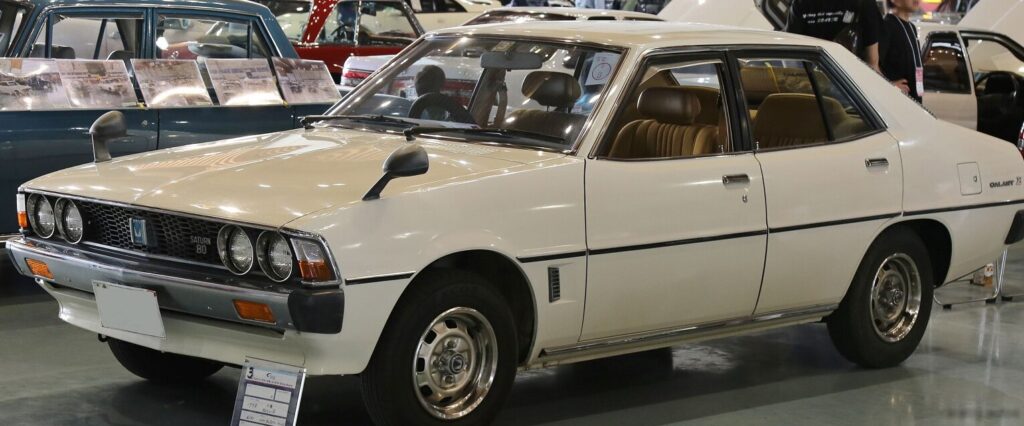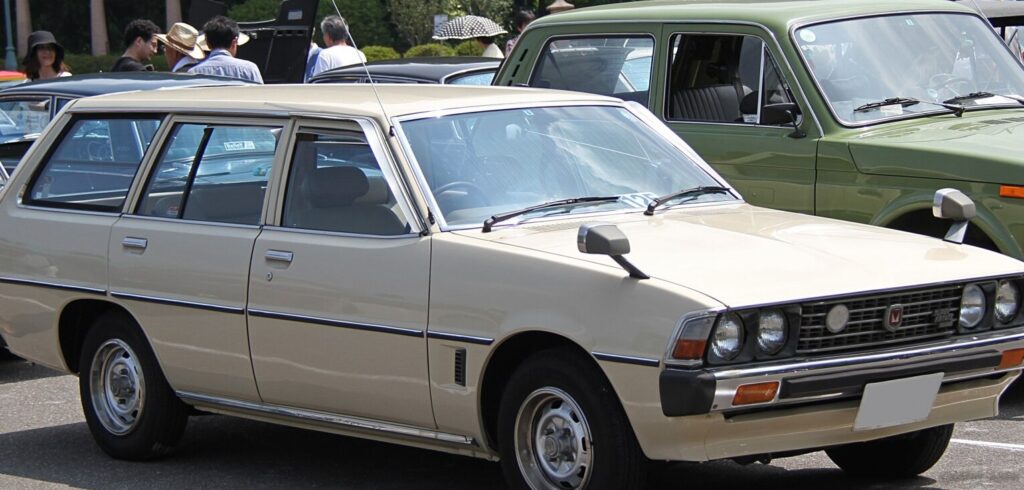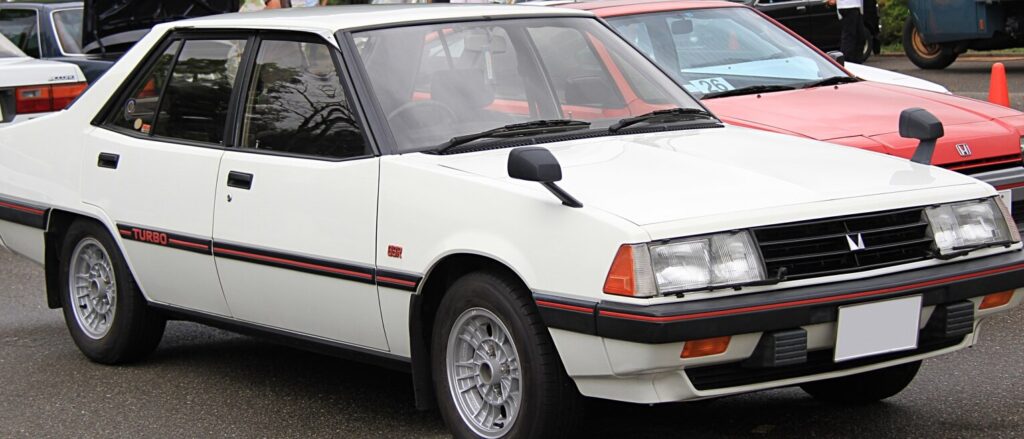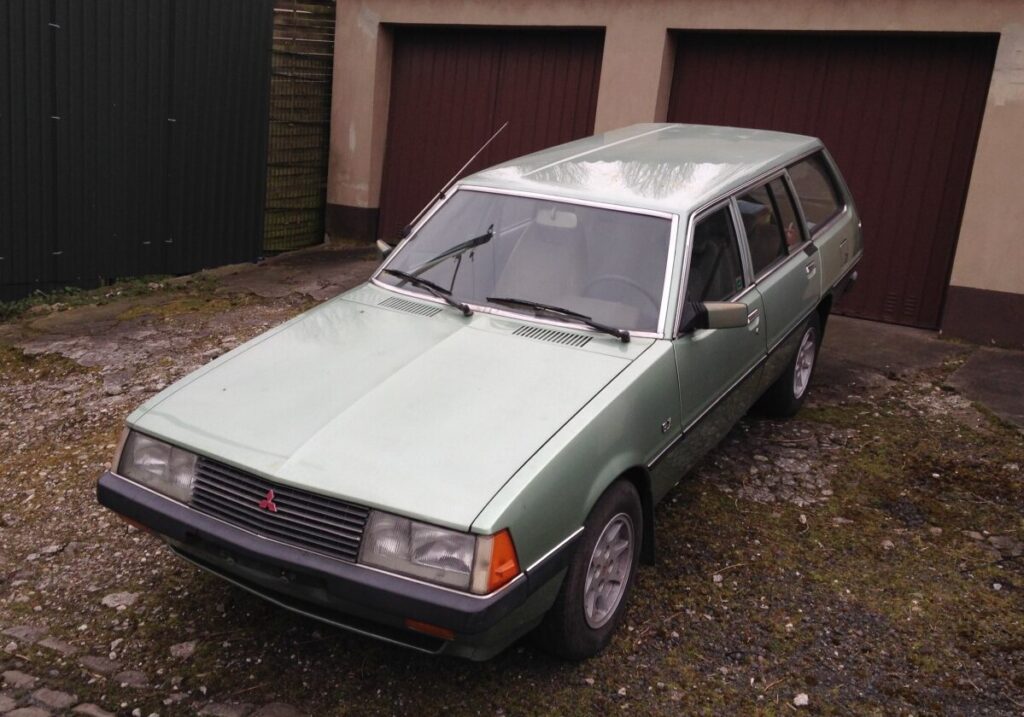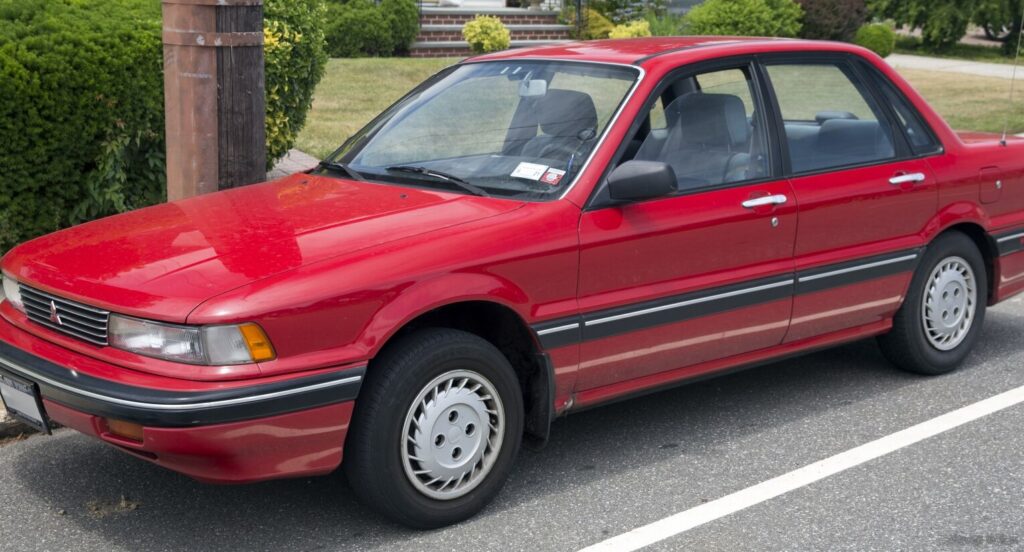
The Mitsubishi Galant VI, produced between 1988 and 1992, represented a significant evolution in Mitsubishi’s mid-size sedan offering. Within the sixth generation (E32A chassis), the 1.8-liter, 90 horsepower variant occupied the entry-level position in many markets, serving as the most accessible and fuel-efficient option in the Galant lineup. This model aimed to provide comfortable and reliable transportation for families and commuters, prioritizing affordability over outright performance. It was positioned below the more powerful 2.0-liter and turbocharged variants, and often served as a stepping stone for buyers considering the higher-spec models.
The 1.8L Galant VI: A Detailed Overview
The Galant VI, launched in 1988, was a departure from its predecessor, featuring a more aerodynamic design and a focus on improved interior space and comfort. The E32A platform, upon which the sixth-generation Galant was built, was a key element in achieving these goals. The 1.8-liter engine option was specifically targeted at buyers seeking a balance between fuel economy and practicality. While not offering the exhilarating performance of the larger-displacement engines, it provided adequate power for everyday driving needs. This variant was particularly popular in markets where fuel costs were a significant concern, and where a more economical option was preferred.
Powertrain & Engine Architecture
The heart of the 1.8-liter Galant VI was the 4G37 engine, a naturally aspirated, inline-four cylinder gasoline engine. This engine displaced 1,805 cc (1.8 liters) and produced 90 horsepower (67 kW) at 5,500 rpm. Peak torque was rated at approximately 103 lb-ft (140 Nm) at 3,500 rpm. The 4G37 featured a single overhead camshaft (SOHC) valvetrain with two valves per cylinder. Fuel delivery was managed by a multi-point fuel injection system, contributing to improved fuel efficiency and reduced emissions compared to earlier carburetor-equipped engines.
The engine block was constructed from cast iron, providing durability and good heat dissipation. The cylinder head was made of aluminum alloy, helping to reduce overall weight. The 4G37 engine was known for its relatively simple design, which translated to ease of maintenance and reasonable reliability. The automatic transmission paired with this engine was typically a four-speed unit, designed to provide smooth and comfortable gear changes. While not particularly sporty, the transmission was well-suited to the engine’s power characteristics and the intended use of the vehicle. The transmission’s gear ratios were optimized for fuel economy and relaxed cruising, rather than rapid acceleration.
Driving Characteristics
The driving experience in the 1.8-liter Galant VI automatic was characterized by smoothness and predictability. Acceleration was adequate for merging onto highways and navigating city streets, but it wasn’t particularly brisk. The 0-60 mph time was estimated to be around 12-14 seconds, making it slower than the 2.0-liter and turbocharged versions. The four-speed automatic transmission contributed to a relaxed driving feel, with smooth shifts and minimal harshness. However, it also meant that the engine often operated at higher rpm during acceleration, potentially impacting fuel economy.
Compared to the manual transmission versions of the 1.8-liter Galant, the automatic offered greater convenience, especially in stop-and-go traffic. However, the manual transmission provided slightly better fuel economy and a more engaging driving experience. The automatic’s torque converter also introduced some power loss, further reducing overall performance. The suspension was tuned for comfort, providing a relatively soft ride that absorbed bumps and imperfections in the road. Handling was competent but not particularly sporty, with a noticeable amount of body roll during cornering.
Equipment & Trim Levels
The 1.8-liter Galant VI typically came with a fairly basic level of standard equipment, reflecting its position as the entry-level model. Standard features often included cloth upholstery, manual windows and door locks, and a basic AM/FM radio. Air conditioning was often an optional extra, as were power windows and power door locks. The dashboard layout was functional and straightforward, with clearly labeled controls. Interior space was generous for a mid-size sedan, providing ample headroom and legroom for both front and rear passengers.
Higher trim levels of the 1.8-liter Galant VI offered additional features, such as upgraded upholstery, a more sophisticated sound system, and alloy wheels. Some models also included features like cruise control and a sunroof. The availability of optional extras varied depending on the market. The overall interior design was typical of the late 1980s and early 1990s, with a focus on practicality and durability rather than luxury.
Chassis & Braking
The Galant VI’s chassis was a traditional body-on-frame construction, providing a robust and durable platform. The front suspension consisted of MacPherson struts, while the rear suspension utilized a multi-link setup. This suspension configuration provided a good balance between ride comfort and handling. The steering was power-assisted, making it easy to maneuver at low speeds.
Braking systems varied depending on the market and trim level. Lower-spec models typically featured drum brakes on the rear wheels, while higher-spec models were equipped with disc brakes all around. Front brakes were typically ventilated discs. The braking system was generally adequate for everyday driving, but it lacked the stopping power of more modern braking systems. Anti-lock brakes (ABS) were not typically available on the 1.8-liter models, although they were offered as an option on some higher-spec trims.
Market Reception & Comparison
The 1.8-liter Galant VI was generally well-received by critics as a practical and affordable mid-size sedan. It was praised for its comfortable ride, spacious interior, and fuel efficiency. However, it was also criticized for its lack of performance and its somewhat bland styling. Compared to its competitors, such as the Toyota Camry and Honda Accord, the Galant VI offered a similar level of practicality and reliability, but it often lacked the refinement and sporty handling of its Japanese rivals.
Within the Galant VI lineup, the 1.8-liter model was positioned as the most economical option. It offered significantly better fuel economy than the 2.0-liter and turbocharged versions, but it also lacked their performance. The 1.8-liter model was a popular choice for buyers who prioritized affordability and fuel efficiency over outright performance. Its reliability was generally considered to be good, although it was not as renowned for longevity as some of its competitors.
Technical Specifications
| Engine Type | Inline-4, Naturally Aspirated |
| Displacement | 1,805 cc (1.8 L) |
| Horsepower | 90 hp (67 kW) @ 5,500 rpm |
| Torque | 103 lb-ft (140 Nm) @ 3,500 rpm |
| Fuel System | Multi-point Fuel Injection |
| Valvetrain | SOHC, 2 valves per cylinder |
| Transmission | 4-speed Automatic |
| Drivetrain | Front-Wheel Drive |
| Curb Weight | Approximately 2,750 lbs (1,250 kg) |
| Fuel Economy (City/Highway) | Approximately 22/28 mpg (US) |
| Body Type | 4-Door Sedan |
Legacy
The 1.8-liter Galant VI, while not the most exciting variant in the lineup, remains a reasonably reliable and affordable option in the used car market today. The 4G37 engine is known for its durability and relatively simple maintenance requirements. However, like any older vehicle, it is important to inspect potential purchases carefully for signs of wear and tear. Parts availability can be a concern, although many common components are still readily available. The 1.8L automatic Galant VI represents a solid, if unspectacular, example of late 1980s/early 1990s Japanese automotive engineering, offering a comfortable and practical driving experience at an accessible price point.