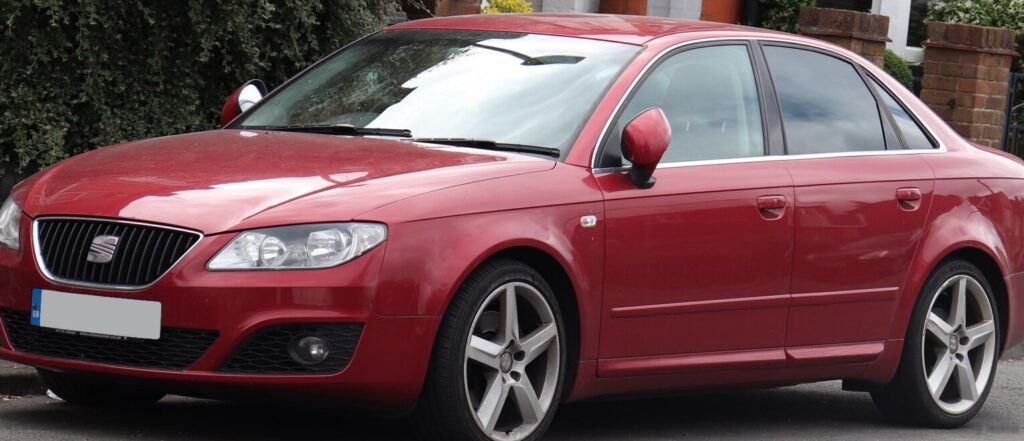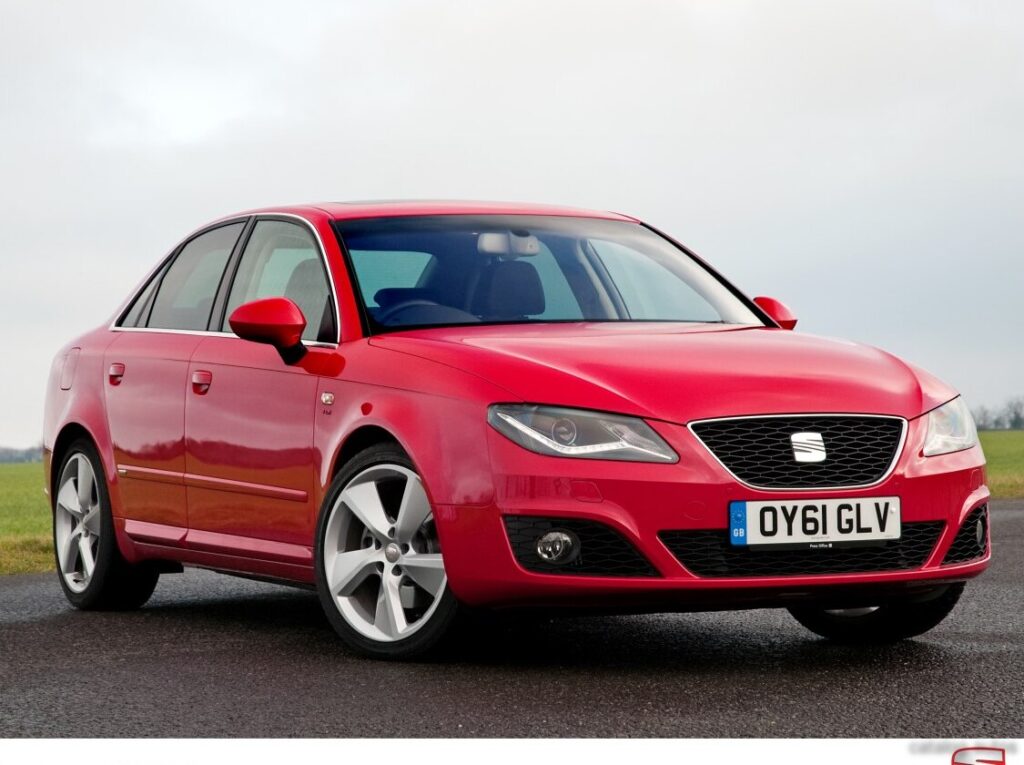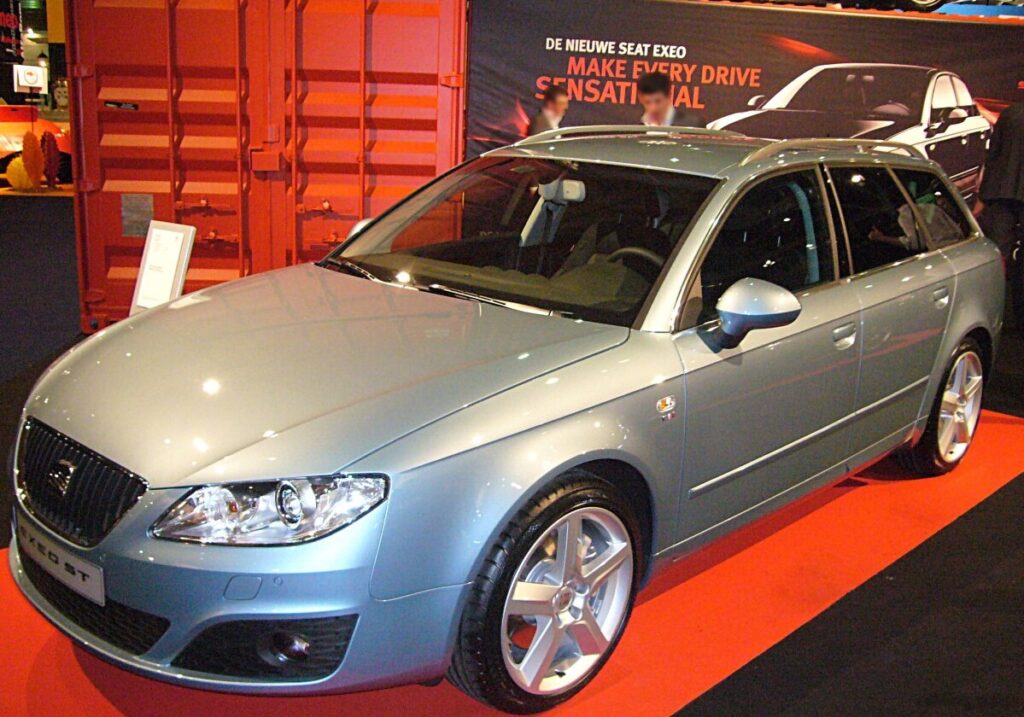
The Seat Exeo ST 2.0 TSI (200 hp) Multitronic was a performance-oriented station wagon produced by the Spanish automaker Seat between June 2009 and September 2011. It represented the top-tier engine option for the Exeo ST (Sport Tourer) body style, which was itself a late addition to the Exeo lineup. The Exeo, and subsequently the Exeo ST, were based heavily on the previous-generation Audi B7 platform (1HX0/A3), a result of Seat’s ownership under the Volkswagen Group. The 2.0 TSI Multitronic variant aimed to provide a blend of practicality, performance, and refinement, appealing to buyers seeking a sporty alternative to more conventional family wagons.
Powertrain & Engine Architecture
At the heart of the Exeo ST 2.0 TSI Multitronic lay the BWE engine code, a 1.984-liter (121.07 cubic inches) inline-four cylinder gasoline engine. This engine was a member of Volkswagen Group’s EA888 family, known for its robust construction and tuning potential. The BWE featured direct fuel injection (FSI – Fuel Stratified Injection) and was turbocharged with an intercooler, allowing it to produce 200 horsepower at 5100 rpm and 280 Nm (206.52 lb-ft) of torque from as low as 1800 rpm. The engine boasted a compression ratio of 10.3:1 and utilized a double overhead camshaft (DOHC) valvetrain with four valves per cylinder.
The “Multitronic” designation refers to the continuously variable transmission (CVT) employed. This wasn’t a traditional CVT, but rather a chain-driven version developed by Volkswagen. It offered smooth, stepless gear changes and contributed to the car’s relatively good fuel economy for its performance level. The Multitronic transmission featured seven pre-selectable “gear” ratios, allowing the driver some control over the engine’s operating point. The transmission was longitudinally mounted, reflecting the engine’s layout and the platform’s Audi origins.
Engine Specifications
The BWE engine was a sophisticated unit for its time. Its direct injection system allowed for precise fuel delivery, optimizing combustion efficiency and reducing emissions. The turbocharger and intercooler combination boosted power output significantly, providing strong acceleration. The engine’s oil capacity was 4.6 liters (4.86 US quarts / 4.05 UK quarts), and it required coolant totaling 8 liters (8.45 US quarts / 7.04 UK quarts). The engine was designed to meet Euro 5 emission standards.
Driving Characteristics
The Exeo ST 2.0 TSI Multitronic offered a noticeably more engaging driving experience than lower-powered Exeo variants. The 200 hp output and readily available 280 Nm of torque provided brisk acceleration, with 0-100 km/h (0-62 mph) taking approximately 7.6 seconds. The Multitronic transmission, while smooth, didn’t offer the immediate responsiveness of a traditional automatic or a manual gearbox. However, the selectable gear ratios allowed drivers to tailor the transmission’s behavior to their preferences. In typical driving conditions, the Multitronic prioritized fuel efficiency, but in “Sport” mode, it held gears longer and allowed the engine to rev more freely.
Compared to the 1.8-liter TSI variants, the 2.0 TSI offered a substantial power increase, resulting in significantly improved acceleration and overall performance. While the 2.0 TDI diesel offered comparable torque, the TSI engine provided a more linear power delivery and a higher revving character. The Exeo ST 2.0 TSI was positioned as the enthusiast’s choice within the Exeo ST range, offering a balance of practicality and performance.
Equipment & Trim Levels
The Exeo ST 2.0 TSI Multitronic typically came well-equipped, reflecting its position as the range-topping variant. Standard features generally included climate control, alloy wheels (typically 17 or 18 inch), a multi-function steering wheel, and an audio system with CD player and auxiliary input. Safety features such as ABS (Anti-lock Braking System), traction control, and multiple airbags were also standard. Interior upholstery was typically cloth or leather, with higher trim levels offering more luxurious materials and finishes. Optional extras included satellite navigation, parking sensors, a sunroof, and upgraded audio systems.
Trim levels varied slightly depending on the market, but generally followed a progression from base “S” to mid-range “SE” and top-spec “Sport” or “FR” (depending on the country). The 2.0 TSI engine was often paired with the higher trim levels, offering a more comprehensive equipment package.
Chassis & Braking
The Exeo ST’s chassis was derived from the Audi B7 platform, featuring independent multi-link suspension at the front and an independent trapezoidal lever suspension at the rear. This setup provided a comfortable ride and good handling characteristics. The 2.0 TSI variant often featured slightly stiffer suspension components compared to lower-powered models to better manage the increased power and weight. Braking duties were handled by ventilated discs at the front (312×25 mm) and solid discs at the rear (255×12 mm). Hydraulic power steering provided precise and responsive steering feel.
The Exeo ST 2.0 TSI’s curb weight of 1515 kg (3340 lbs) was relatively moderate for a station wagon of its size. The weight distribution was reasonably balanced, contributing to its stable handling. Tire sizes varied depending on the wheel size, ranging from 205/55 R16 to 225/45 R17 and 225/40 R18.
Market Reception & Comparison
The Seat Exeo ST 2.0 TSI Multitronic received generally positive reviews from automotive critics. It was praised for its strong performance, comfortable ride, and spacious interior. However, some critics noted that the Multitronic transmission lacked the engagement of a traditional automatic or manual gearbox. Fuel economy was considered reasonable for a 200 hp station wagon, with combined fuel consumption figures of around 7.7 l/100 km (30.5 US mpg / 36.7 UK mpg). CO2 emissions were rated at 247 g/km.
Compared to rivals such as the Ford Mondeo Estate and the Volkswagen Passat Variant, the Exeo ST 2.0 TSI offered a more sporting driving experience and a more distinctive design. However, it lacked the brand recognition and established reputation of its more mainstream competitors. Reliability was generally considered good, although the Multitronic transmission required regular servicing to ensure optimal performance.
Technical Specifications
| Brand | Seat |
| Model | Exeo ST |
| Engine | 2.0 TSI (200 Hp) |
| Transmission | Multitronic (CVT) |
| Production Years | 2009 – 2011 |
| Body Type | Station Wagon (Estate) |
| Fuel Type | Petrol (Gasoline) |
| Fuel Consumption (Urban) | 10.6 l/100 km (22.2 US mpg) |
| Fuel Consumption (Extra Urban) | 6 l/100 km (39.2 US mpg) |
| Fuel Consumption (Combined) | 7.7 l/100 km (30.5 US mpg) |
| CO2 Emissions | 247 g/km |
| Acceleration 0-100 km/h | 7.6 sec |
| Maximum Speed | 230 km/h (142.92 mph) |
| Engine Displacement | 1984 cm3 (121.07 cu. in.) |
| Power | 200 Hp @ 5100 rpm |
| Torque | 280 Nm @ 1800 rpm (206.52 lb.-ft.) |
| Kerb Weight | 1515 kg (3340 lbs) |
| Max. Weight | 2050 kg (4519.48 lbs) |
| Trunk Space (Min) | 442 l (15.61 cu. ft.) |
| Trunk Space (Max) | 1354 l (47.82 cu. ft.) |
Legacy
The Seat Exeo ST 2.0 TSI Multitronic, while a relatively short-lived model, has gained a following among enthusiasts who appreciate its blend of performance, practicality, and value. The BWE engine is known for its durability and tuning potential, and the Multitronic transmission, when properly maintained, can provide years of reliable service. On the used car market, the Exeo ST 2.0 TSI typically commands a higher price than lower-powered variants. However, potential buyers should be aware of the importance of regular transmission servicing and should carefully inspect the car’s maintenance history. The Exeo ST 2.0 TSI represents a unique offering from Seat, showcasing the brand’s ability to produce a genuinely engaging and capable station wagon.