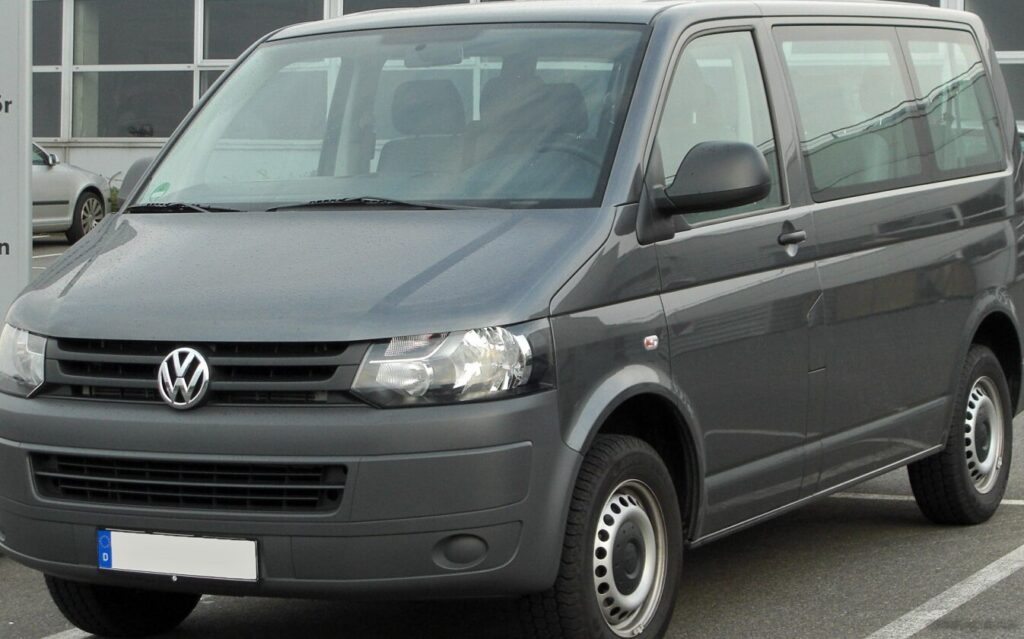
The Volkswagen Transporter (T5) facelift, produced from 2009 to 2015, represented a significant update to the fifth generation of Volkswagen’s popular commercial vehicle. Within this generation, the Kombi variant offered a blend of cargo capacity and passenger comfort, catering to both commercial and family needs. The 2.0 TDI BMT (BlueMotion Technology) with 140 horsepower and a six-speed manual transmission, coupled with Volkswagen’s 4MOTION all-wheel-drive system and the L1H1 body configuration (short wheelbase, low roof height), was introduced in 2012 and continued through 2015. This specific configuration occupied a middle ground in the T5 lineup, offering a balance between fuel efficiency, performance, and capability, appealing to a broad range of buyers.
Powertrain & Engine Architecture
The heart of the Transporter Kombi 2.0 TDI BMT 4MOTION is the EA189 series 2.0-liter inline four-cylinder diesel engine, specifically the CAAC engine code. This engine is a turbocharged common rail direct injection diesel. The ‘BMT’ designation signifies the inclusion of BlueMotion Technology, a suite of fuel-saving measures. These included optimized engine mapping, a start/stop system, and regenerative braking. The engine utilizes a variable geometry turbocharger (VGT) to enhance low-end torque and improve responsiveness. The fuel injection system employs piezo injectors for precise fuel delivery and optimized combustion. The engine features a double overhead camshaft (DOHC) valvetrain with four valves per cylinder, contributing to efficient gas exchange.
The six-speed manual transmission was the standard offering for this variant. The gear ratios were tuned to maximize fuel economy while providing adequate acceleration. First gear was relatively short for easy starts from a standstill, while higher gears were geared for efficient cruising at highway speeds. The 4MOTION all-wheel-drive system is a part-time system, primarily driving the front wheels under normal conditions. An electronically controlled multi-plate clutch engages the rear wheels when wheel slip is detected, providing enhanced traction in challenging conditions. The system operates automatically, requiring no driver intervention.
Engine Specifications
The CAAC engine produces 140 horsepower (103 kW) at 3500 rpm and 340 Nm (250.77 lb-ft) of torque between 1750 and 2500 rpm. This torque output provides ample pulling power for carrying loads or towing trailers. The engine’s displacement is 1968 cm³ (120.09 cubic inches) with a compression ratio of 16.5:1. Bore and stroke dimensions are 81 mm (3.19 inches) and 95.5 mm (3.76 inches) respectively.
Driving Characteristics
The 2.0 TDI BMT 140 hp 4MOTION Kombi offered a competent and practical driving experience. While not particularly sporty, the engine provided sufficient power for everyday driving and hauling loads. Acceleration from 0 to 100 km/h (0-62 mph) took approximately 13.6 seconds, and top speed was limited to 170 km/h (105.63 mph). The 4MOTION system significantly improved traction, particularly on slippery surfaces, providing a surefooted feel. The manual transmission allowed for precise control over gear selection, and the relatively long gearing contributed to good fuel economy. Compared to the more powerful 2.0 TDI variants (often exceeding 180 hp), this version prioritized fuel efficiency and lower running costs over outright performance. It also offered a more relaxed driving experience than the often-frenetic pace of the petrol-powered models.
The suspension, tuned for a balance between comfort and load-carrying capacity, provided a reasonably smooth ride even when the vehicle was fully loaded. Steering was precise and well-weighted, making the Transporter easy to maneuver in urban environments.
Equipment & Trim Levels
The Transporter Kombi 2.0 TDI BMT 4MOTION L1H1 typically came equipped with a range of standard features designed for both practicality and comfort. These included air conditioning, power windows, power mirrors, a CD/radio system, and basic safety equipment such as ABS (Anti-lock Braking System) and driver/passenger airbags. Interior upholstery was typically cloth, with durable and easy-to-clean materials. The dashboard layout was functional and straightforward, with clearly labeled controls.
Optional extras included features such as a navigation system, parking sensors, upgraded audio systems, heated seats, and various interior trim upgrades. The Kombi configuration allowed for flexible seating arrangements, with options for multiple rear seats and adjustable configurations to accommodate varying passenger and cargo needs. Specific trim levels (Trendline, Comfortline, Highline) offered progressively more features and refinements.
Chassis & Braking
The T5 Transporter utilized a robust chassis designed to withstand the demands of commercial use. The front suspension featured an independent McPherson strut setup with coil springs and an anti-roll bar. The rear suspension employed an independent coil spring setup with a transverse stabilizer and trailing arms. This configuration provided a good balance between ride comfort and handling stability. The braking system consisted of ventilated discs on all four wheels, providing ample stopping power. The front brakes measured 308×29.5 mm, while the rear brakes were 294×22 mm. ABS was standard, enhancing braking performance and stability in emergency situations.
Market Reception & Comparison
The 2.0 TDI BMT 140 hp 4MOTION Kombi was generally well-received by critics and buyers alike. It was praised for its fuel efficiency, practicality, and all-weather capability. Fuel economy figures averaged around 7.6 l/100 km (30.9 US mpg) combined, making it an attractive option for businesses and individuals looking to minimize running costs. Compared to the higher-output TDI variants, this version offered a more affordable price point and lower insurance costs. However, some critics noted that the engine could feel strained when fully loaded or driving uphill. Compared to petrol-powered T5s, the diesel engine offered significantly better fuel economy and torque, making it a more suitable choice for heavy-duty applications.
Technical Specifications
| Brand | Volkswagen |
| Model | Transporter |
| Generation | Transporter (T5, facelift 2009) Kombi |
| Type | 2.0 TDI BMT (140 Hp) 4MOTION L1H1 |
| Start of production | 2012 |
| End of production | 2015 |
| Fuel consumption (urban) | 9.6 l/100 km (24.5 US mpg) |
| Fuel consumption (extra urban) | 6.5 l/100 km (36.2 US mpg) |
| Fuel consumption (combined) | 7.6 l/100 km (30.9 US mpg) |
| CO2 emissions | 199 g/km |
| Fuel Type | Diesel |
| Acceleration 0-100 km/h | 13.6 sec |
| Maximum speed | 170 km/h (105.63 mph) |
| Power | 140 Hp @ 3500 rpm |
| Torque | 340 Nm @ 1750-2500 rpm (250.77 lb.-ft.) |
| Engine Displacement | 1968 cm3 (120.09 cu. in.) |
| Kerb Weight | 1910 kg (4210.83 lbs.) |
| Max. weight | 2800-3200 kg (6172.94 – 7054.79 lbs.) |
| Fuel tank capacity | 80 l (21.13 US gal) |
| Length | 4892 mm (192.6 in.) |
| Width | 1904 mm (74.96 in.) |
| Height | 1990 mm (78.35 in.) |
Legacy
The 2.0 TDI BMT engine, while generally reliable, has been subject to some scrutiny regarding the diesel emissions scandal (“Dieselgate”). However, the CAAC engine code is generally considered less problematic than some other EA189 variants. Properly maintained examples of the Transporter Kombi 2.0 TDI BMT 4MOTION L1H1 continue to be popular on the used car market, prized for their practicality, fuel efficiency, and all-wheel-drive capability. Common maintenance issues include turbocharger wear, injector problems, and dual-mass flywheel failure. Regular servicing and preventative maintenance are crucial to ensuring the longevity of this powertrain. The T5 Transporter, in all its variants, remains a highly regarded commercial vehicle, known for its durability and versatility.