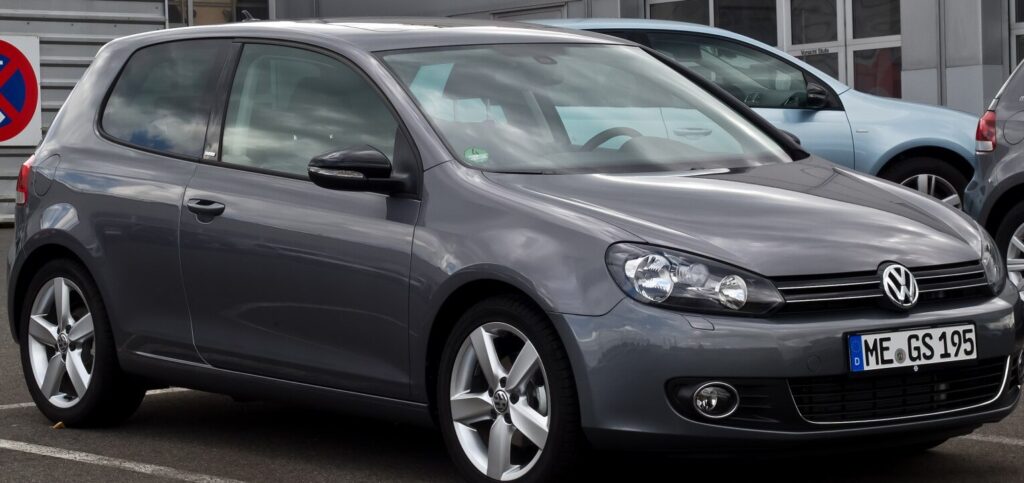
The Volkswagen Golf VI 1.4 TSI (140 hp) 3-door, produced between 2008 and 2012, represented a significant evolution of Volkswagen’s iconic hatchback. Part of the Mk6 Golf generation (internal code 1K), this variant occupied a mid-range position within the lineup, offering a balance between performance, fuel efficiency, and affordability. It served as a step up from the base 1.6-liter models, while remaining more accessible than the higher-performance GTI or diesel-powered TDI versions. The Golf VI platform, also known as the A6 platform within the wider Volkswagen Group, aimed to refine the already successful Mk5 Golf with improvements in build quality, technology, and driving dynamics.
1.4 TSI Powertrain & Engine Architecture
The heart of the Golf VI 1.4 TSI (140 hp) is the EA111 engine family, specifically the CHPA engine code. This 1.4-liter, inline-four cylinder engine utilizes direct fuel injection (FSI – Fuel Stratified Injection) and a turbocharger with an intercooler to deliver a substantial power output for its displacement. The direct injection system allows for precise fuel delivery, improving combustion efficiency and reducing emissions. The turbocharger, coupled with the intercooler, increases air density entering the engine, boosting power and torque. The engine features a dual overhead camshaft (DOHC) valvetrain with four valves per cylinder, optimizing gas flow for enhanced performance.
The CHPA engine boasts a compression ratio of 10:1. Engine management is handled by a Bosch MED17 electronic control unit (ECU). The 1.4 TSI engine is known for its relatively complex design, particularly concerning the integration of the turbocharger and direct injection system. This complexity, while contributing to performance, can also lead to increased maintenance requirements compared to simpler naturally aspirated engines.
While a six-speed manual transmission was standard, a seven-speed dual-clutch gearbox (DSG) was offered as an optional upgrade. The DSG transmission provides quicker, smoother shifts and contributes to improved fuel economy. However, the DSG unit, while advanced, is also known for potential reliability issues, particularly concerning mechatronic unit failures.
Fuel Injection and Turbocharging Details
The direct injection system in the CHPA engine operates at significantly higher pressures than traditional port fuel injection, allowing for finer atomization of the fuel and more complete combustion. This contributes to both increased power and reduced emissions. The turbocharger is a wastegate turbo, meaning it utilizes a wastegate valve to regulate boost pressure and prevent overboost conditions. The intercooler, positioned between the turbocharger and the intake manifold, cools the compressed air, further increasing its density and improving engine performance.
Driving Characteristics
The Golf VI 1.4 TSI (140 hp) offered a noticeable step up in performance compared to the base 1.6-liter models. With 140 horsepower and 220 Nm (162 lb-ft) of torque available from 1500-4000 rpm, the 1.4 TSI provided brisk acceleration and ample power for everyday driving. The 0-62 mph (0-100 km/h) sprint took approximately 8.8 seconds, making it competitive within its class. The turbocharger provides a noticeable surge of power as the engine builds boost, offering a more engaging driving experience than naturally aspirated alternatives.
The six-speed manual transmission is well-matched to the engine’s powerband, allowing drivers to keep the engine in its optimal torque range. The optional seven-speed DSG transmission offers even quicker acceleration and smoother shifts, but some drivers may find it less engaging than the manual gearbox. Compared to the more powerful GTI models, the 1.4 TSI felt less urgent in its acceleration, but it offered a more refined and fuel-efficient driving experience. The suspension tuning prioritized comfort and ride quality, making it a suitable choice for daily commuting and long-distance journeys.
Equipment & Trim Levels
The Golf VI 1.4 TSI (140 hp) 3-door was typically offered in Trendline, Comfortline, and Highline trim levels. The Trendline served as the entry-level trim, featuring standard equipment such as air conditioning, electric front windows, and a basic audio system. The Comfortline trim added features like alloy wheels, a multi-function steering wheel, and cruise control. The Highline trim, the most luxurious option, included features such as automatic climate control, rain-sensing wipers, and upgraded upholstery.
Interior upholstery was typically cloth on the Trendline and Comfortline trims, with optional leather upholstery available on the Highline. The dashboard layout was consistent across all trims, featuring a clean and functional design. Optional extras included a panoramic sunroof, a navigation system, and parking sensors. Safety features such as ABS, ESP (Electronic Stability Program), and multiple airbags were standard across all trims.
Chassis & Braking
The Golf VI utilized an independent McPherson strut suspension setup at the front and an independent multi-link suspension at the rear. This suspension configuration provided a good balance between ride comfort and handling. Stabilizer bars were fitted to both the front and rear axles to reduce body roll during cornering. The braking system consisted of ventilated discs at the front and solid discs at the rear. ABS (Anti-lock Braking System) was standard, providing enhanced braking performance in emergency situations. Electric power steering was also standard, offering a light and precise steering feel.
The 1.4 TSI models typically featured 205/55 R16 tires mounted on 6.5J x 16 alloy wheels. The suspension tuning was generally softer than that of the GTI models, prioritizing comfort over outright handling performance.
Market Reception & Comparison
The Golf VI 1.4 TSI (140 hp) was generally well-received by automotive critics. It was praised for its refined engine, good fuel economy, and comfortable ride. However, some critics noted that the engine could feel strained when pushed hard, and the optional DSG transmission was sometimes criticized for its reliability. Compared to the 1.6-liter Golf models, the 1.4 TSI offered a significant performance upgrade, while remaining more affordable than the GTI. In terms of fuel economy, the 1.4 TSI achieved approximately 33.1 US mpg (7.1 l/100 km) on the combined cycle, making it a relatively efficient option for its class.
Compared to the 2.0 TDI diesel models, the 1.4 TSI offered a more responsive driving experience, but it was less fuel-efficient. The 1.4 TSI also faced competition from other hatchbacks in its class, such as the Ford Focus and Opel Astra.
Technical Specifications
| Brand | Volkswagen |
| Model | Golf |
| Generation | Golf VI (3-door) |
| Engine Type | 1.4 TSI (140 Hp) |
| Production Years | 2008-2012 |
| Engine Code | CHPA |
| Engine Displacement | 1390 cm3 (84.82 cu. in.) |
| Number of Cylinders | 4, Inline |
| Power | 140 Hp @ 5600 rpm |
| Torque | 220 Nm (162.26 lb.-ft.) @ 1500-4000 rpm |
| Fuel Type | Petrol (Gasoline) |
| Acceleration 0-100 km/h | 8.8 sec |
| Acceleration 0-62 mph | 8.8 sec |
| Maximum Speed | 205 km/h (127.38 mph) |
| Emission Standard | Euro 4 |
| Kerb Weight | 1290 kg (2843.96 lbs.) |
| Fuel Consumption (Urban) | 9.5 l/100 km (24.8 US mpg) |
| Fuel Consumption (Extra Urban) | 5.7 l/100 km (41.3 US mpg) |
| Fuel Consumption (Combined) | 7.1 l/100 km (33.1 US mpg) |
| Fuel Tank Capacity | 55 l (14.53 US gal) |
| Trunk Space (Minimum) | 350 l (12.36 cu. ft.) |
| Trunk Space (Maximum) | 1305 l (46.09 cu. ft.) |
Legacy
The Golf VI 1.4 TSI (140 hp) remains a popular choice in the used car market. The CHPA engine, while complex, is generally considered reliable if properly maintained. Common issues include carbon buildup on the intake valves (due to the direct injection system) and potential problems with the turbocharger. The DSG transmission, if equipped, requires regular servicing to prevent failures. Overall, the Golf VI 1.4 TSI offers a good balance of performance, fuel efficiency, and practicality, making it a compelling option for buyers seeking a well-rounded hatchback. Its continued presence on roads today is a testament to the Golf’s enduring appeal and Volkswagen’s reputation for building quality vehicles.