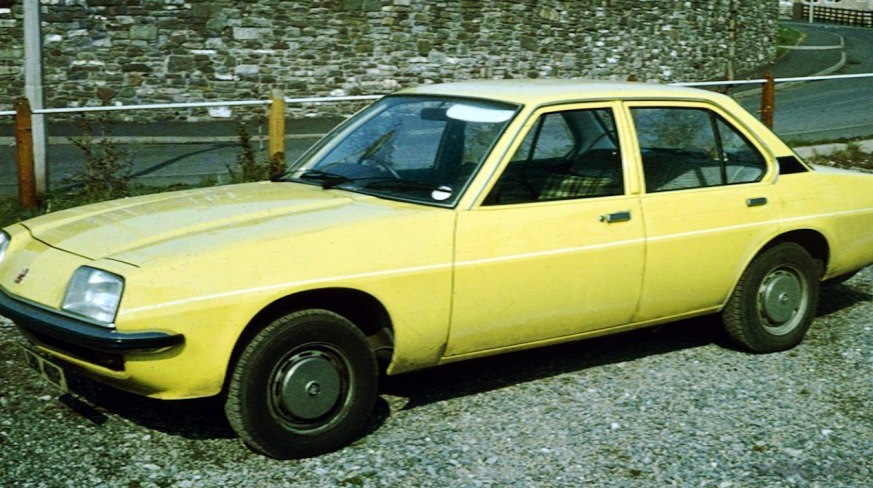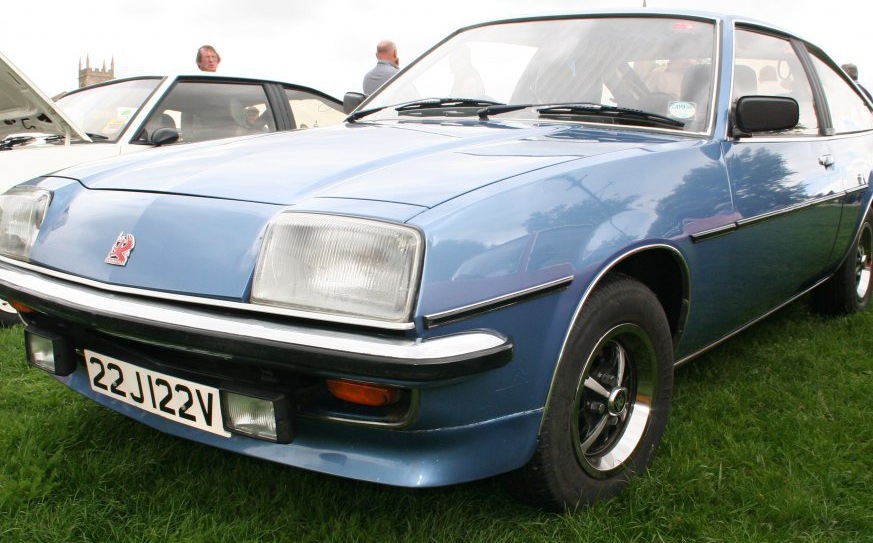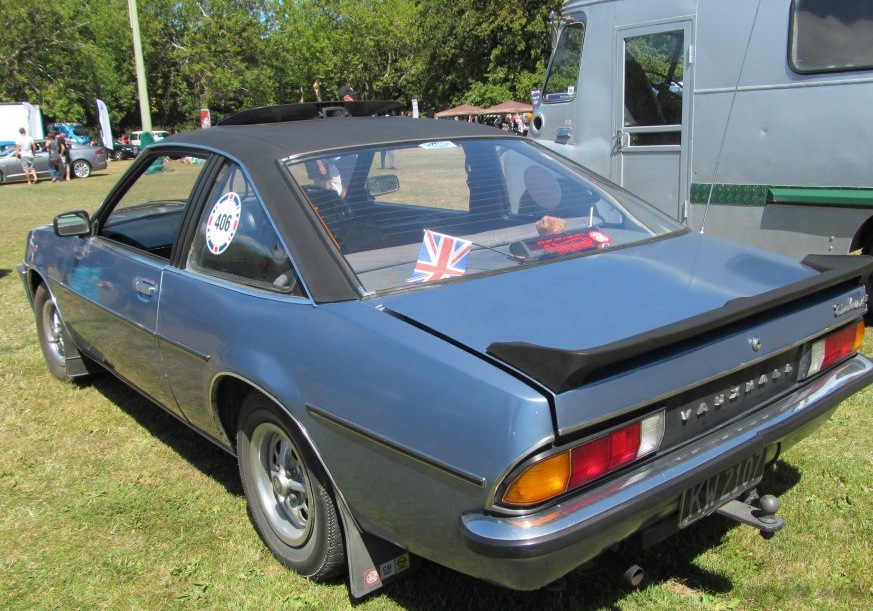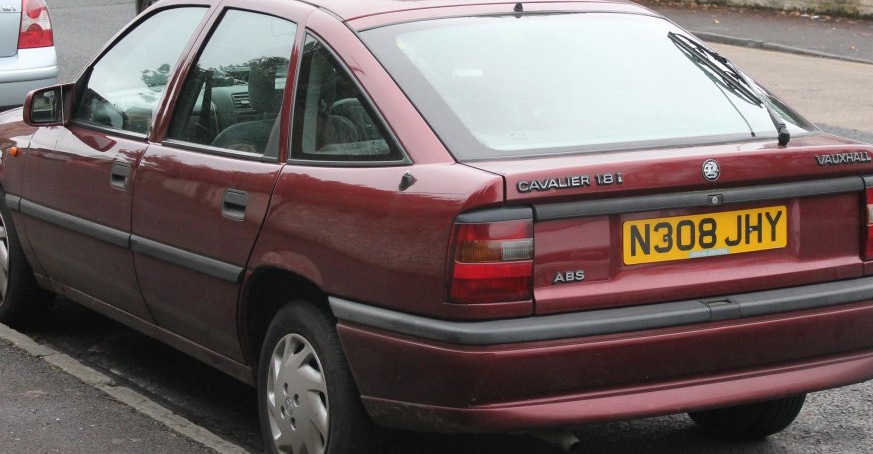
The Vauxhall Cavalier Mk III CC 1.7 D, produced between 1988 and 1989, represented the entry-level diesel offering within the Mk III Cavalier range (designated as the CC – Coupé/Commodore). This variant was positioned as the most economical option in the lineup, appealing to buyers prioritizing fuel efficiency over outright performance. It utilized a naturally aspirated 1.7-liter diesel engine, delivering 57 horsepower, and was exclusively available with a five-speed manual transmission during its brief production run. The Mk III Cavalier, built on the GM X platform (internally known as the 81X), was a significant redesign of the Cavalier, offering improved aerodynamics and a more modern interior compared to its predecessor.
Powertrain & Engine Architecture
The heart of the Cavalier Mk III CC 1.7 D was the 17D engine, a 1698cc inline-four cylinder diesel. This engine employed precombustion chamber injection, a common diesel technology of the era. This system utilized a small precombustion chamber connected to the main cylinder, where fuel was initially injected and ignited, then transferred to the main combustion chamber. This design aided in cold starting and reduced engine noise compared to direct injection systems. The engine featured an overhead camshaft (OHC) valvetrain with two valves per cylinder. Bore and stroke dimensions were 82.5mm x 79.5mm, resulting in a compression ratio of 23:1. The 17D engine produced 57 hp at 4600 rpm and 105 Nm (77.44 lb-ft) of torque at 2400 rpm. The engine’s oil capacity was 4.75 liters (5.02 US quarts / 4.18 UK quarts), and it required a specific oil specification (details often found in original owner’s manuals).
Transmission
Unlike some of its petrol-powered siblings, the 1.7 D was exclusively paired with a five-speed manual transmission. This transmission was a standard unit for the time, designed to maximize fuel economy and provide adequate gearing for the engine’s torque characteristics. The gear ratios were optimized for low-speed pulling power, reflecting the engine’s limited horsepower output. There was no automatic transmission option available for this specific engine configuration.
Driving Characteristics
The driving experience in the Cavalier 1.7 D was defined by its economy-focused nature. Acceleration was deliberately slow, with a 0-62 mph (0-100 km/h) time of approximately 20 seconds. Top speed was limited to around 94.45 mph (152 km/h). The engine’s torque, while modest, was available from relatively low engine speeds, making it suitable for everyday driving and carrying a load. The five-speed manual transmission allowed drivers to keep the engine in its optimal power band, but frequent gear changes were necessary, particularly when tackling hills or overtaking. Compared to the more powerful petrol versions of the Mk III Cavalier, such as the 1.8 or 2.0-liter models, the 1.7 D offered significantly less performance but a substantial improvement in fuel economy.
Equipment & Trim Levels
The 1.7 D trim level was considered the base model within the Mk III Cavalier range. Standard equipment typically included basic cloth upholstery, a simple dashboard layout, and manual windows and door locks. Power steering was not standard, although it could have been specified as an optional extra. Other optional extras included a basic radio, upgraded interior trim, and potentially a sunroof. The interior was functional and durable, prioritizing practicality over luxury. The exterior styling was consistent with other Mk III Cavaliers, featuring a streamlined hatchback body style with integrated bumpers and a relatively understated design.
Chassis & Braking
The Cavalier Mk III CC 1.7 D utilized an independent McPherson strut suspension system at the front, incorporating a coil spring and anti-roll bar. The rear suspension employed a simpler coil spring setup. This suspension configuration provided a reasonable balance between ride comfort and handling, although it was not designed for sporty driving. The braking system consisted of disc brakes on the front wheels and drum brakes on the rear. An Anti-lock Braking System (ABS) was available as an optional extra, enhancing braking performance and safety. The steering was a rack and pinion system, providing precise and responsive steering feel. The vehicle rode on 175/70 R14 tires mounted on 14-inch steel wheels.
Market Reception & Comparison
The Cavalier Mk III CC 1.7 D was primarily targeted at fleet buyers and private individuals seeking a low-cost, fuel-efficient vehicle. Critics generally acknowledged its economy but often criticized its lack of performance. Compared to the petrol-powered Cavaliers, the 1.7 D offered significantly better fuel economy – around 39.2 US mpg (47.1 UK mpg) combined – but at the expense of acceleration and overall driving enjoyment. The 1.8-liter petrol version, while less economical, provided a much more responsive driving experience. The 1.7 D’s main advantage lay in its lower purchase price and reduced running costs. Its reliability was generally considered good, typical of diesel engines of the era, but maintenance costs could be higher due to the specialized nature of diesel technology.
Technical Specifications
| Brand | Vauxhall |
| Model | Cavalier |
| Generation | Cavalier Mk III CC |
| Type (Engine) | 1.7 D (57 Hp) |
| Start of production | 1988 |
| End of production | 1989 |
| Body type | Hatchback |
| Seats | 5 |
| Doors | 5 |
| Fuel consumption (urban) | 6.7 l/100 km (35.1 US mpg / 42.2 UK mpg) |
| Fuel consumption (extra urban) | 4.4 l/100 km (53.5 US mpg / 64.2 UK mpg) |
| Fuel consumption (combined) | 6 l/100 km (39.2 US mpg / 47.1 UK mpg) |
| Fuel Type | Diesel |
| Acceleration 0 – 100 km/h | 20 sec |
| Acceleration 0 – 62 mph | 20 sec |
| Acceleration 0 – 60 mph | 19 sec |
| Maximum speed | 152 km/h (94.45 mph) |
| Power | 57 Hp @ 4600 rpm |
| Torque | 105 Nm @ 2400 rpm (77.44 lb.-ft. @ 2400 rpm) |
| Engine layout | Front, Transverse |
| Engine Model/Code | 17D |
| Engine displacement | 1700 cm3 (103.74 cu. in.) |
| Number of cylinders | 4 |
| Cylinder Bore | 82.5 mm (3.25 in.) |
| Piston Stroke | 79.5 mm (3.13 in.) |
| Compression ratio | 23:1 |
| Kerb Weight | 1095 kg (2414.06 lbs.) |
| Max. weight | 1610 kg (3549.44 lbs.) |
| Trunk (boot) space – minimum | 460 l (16.24 cu. ft.) |
| Trunk (boot) space – maximum | 1290 l (45.56 cu. ft.) |
| Fuel tank capacity | 61 l (16.11 US gal / 13.42 UK gal) |
| Length | 4352 mm (171.34 in.) |
| Width | 1706 mm (67.17 in.) |
| Height | 1400 mm (55.12 in.) |
| Wheelbase | 2600 mm (102.36 in.) |
| Number of gears | 5 |
| Gearbox type | Manual transmission |
Legacy
The Cavalier Mk III CC 1.7 D, while not a performance icon, holds a place in automotive history as a practical and economical option for buyers in the late 1980s. The 17D engine, while relatively simple in design, proved to be reasonably durable, and well-maintained examples can still be found today. In the used car market, these Cavaliers are typically valued for their affordability and simplicity. However, finding parts can be challenging due to the vehicle’s age. The 1.7 D variant represents a specific niche within the Mk III Cavalier lineup, appealing to enthusiasts seeking a classic diesel car with a focus on fuel efficiency and low running costs. Its enduring appeal lies in its honest, no-frills approach to motoring.