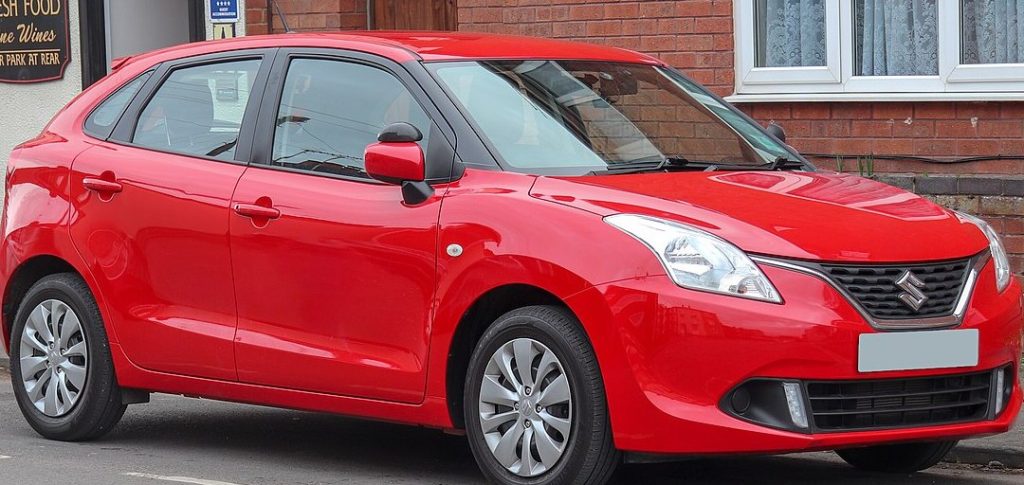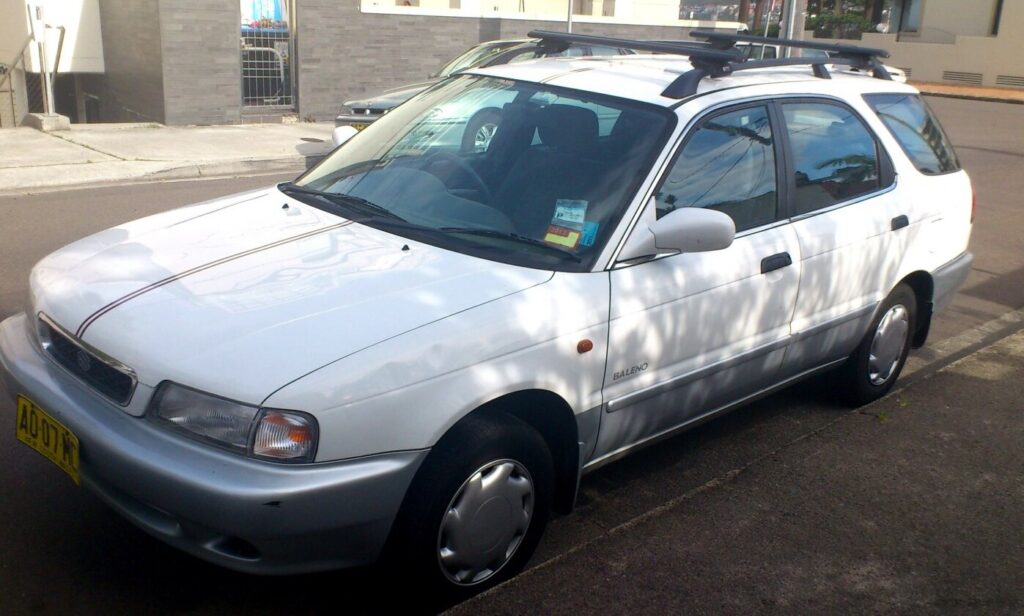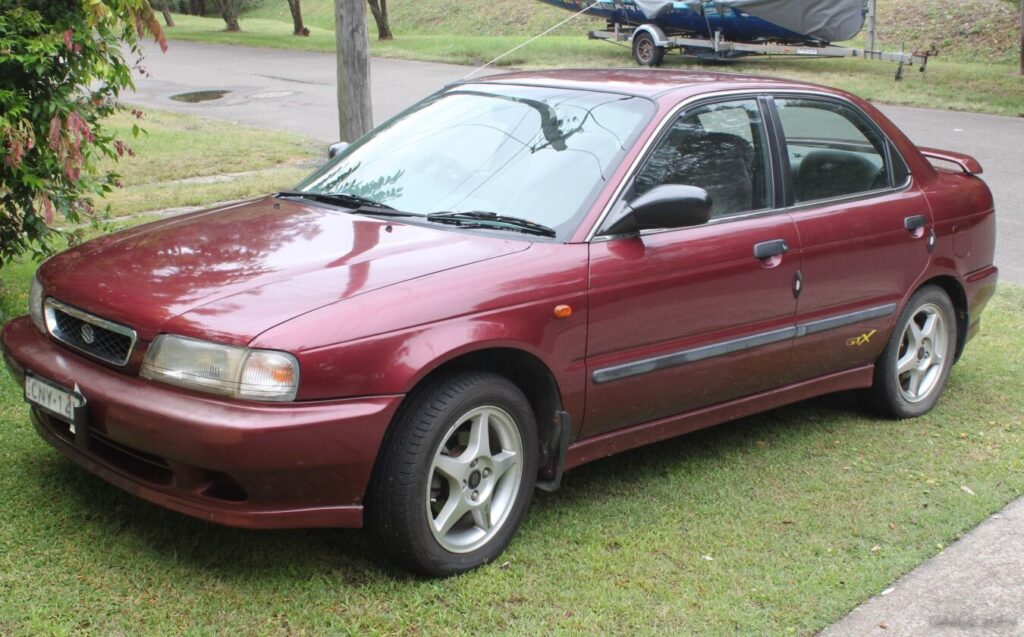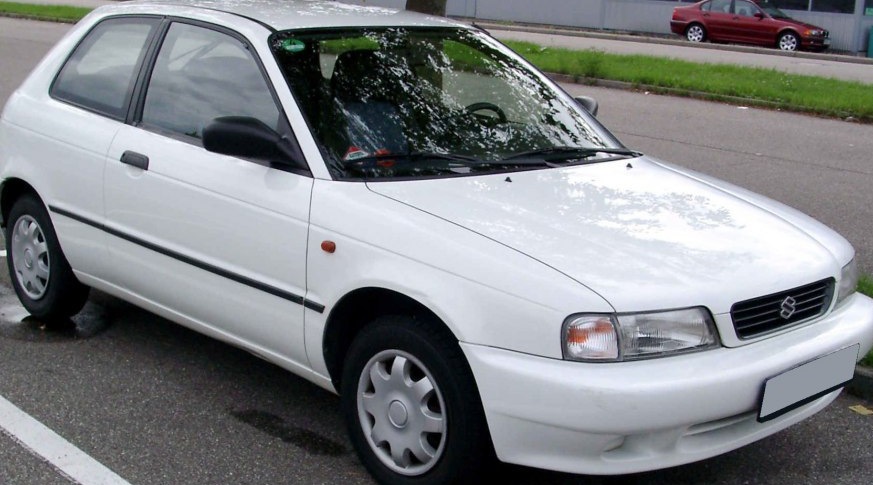
The Suzuki Baleno Hatchback (EG series), launched in 1995, represented a significant step forward for Suzuki in the compact car segment. This generation Baleno, built until 2002, offered a blend of affordability, practicality, and a surprisingly modern design for its time. Within the Baleno range, the 1.3 i 16V (85 hp) Automatic variant occupied the entry-level to mid-range position, aimed at buyers prioritizing ease of use and fuel efficiency over outright performance. It was positioned below the more powerful 1.6-liter versions and served as a more accessible alternative to the manual transmission models.
The 1.3L 16V Automatic Baleno: A Detailed Overview
The 1.3 i 16V Automatic Baleno was a popular choice for urban commuters and those seeking a reliable and economical hatchback. It distinguished itself with its smooth automatic transmission and relatively fuel-efficient engine. The “EG” designation refers to the specific chassis code for this generation of Baleno hatchback, which shared its platform with other vehicles within the Suzuki and General Motors partnership.
Powertrain & Engine Architecture
At the heart of this Baleno variant lies the G13BB engine, a 1.3-liter inline-four cylinder gasoline engine. This engine featured a 16-valve dual overhead camshaft (DOHC) valvetrain, contributing to its relatively high output for its displacement. The G13BB produced 85 horsepower at 6000 rpm and 103 Nm (75.97 lb-ft) of torque at 3000 rpm. The engine utilized a multi-port fuel injection system, which improved fuel atomization and combustion efficiency compared to earlier carburetor-based systems. The compression ratio was set at 9.5:1, a common figure for engines of this era aiming for a balance between performance and fuel economy.
The engine was transversely mounted in the front of the vehicle, driving the front wheels. The automatic transmission was a 3-speed unit, designed for smooth and comfortable shifting. While not offering the responsiveness of a manual gearbox, it provided a convenient driving experience, particularly in congested city traffic. The transmission’s gear ratios were optimized for fuel efficiency and everyday drivability, rather than aggressive acceleration.
Driving Characteristics
The 1.3L Automatic Baleno offered a comfortable, if not particularly sporty, driving experience. Acceleration from 0 to 100 km/h (0-62 mph) took approximately 12.5 seconds, and 0-60 mph was achieved in around 11.9 seconds. The top speed was rated at 175 km/h (108.74 mph). The automatic transmission, while smooth, did result in some power loss compared to the manual transmission versions. The engine felt most comfortable in the mid-range, providing adequate power for everyday driving situations. Overtaking maneuvers required careful planning, as the engine lacked significant low-end torque. The weight-to-power ratio of 10.5 kg/hp indicated a modest power output relative to the vehicle’s weight.
Steering was provided by a hydraulic power steering rack and pinion system, offering a reasonable level of assistance without feeling overly light or disconnected. The suspension, utilizing wishbone setups both front and rear, provided a comfortable ride, absorbing bumps and imperfections in the road surface effectively. However, it wasn’t designed for aggressive cornering, and body roll was noticeable during sharper turns.
Equipment & Trim Levels
The 1.3 i 16V Automatic Baleno typically came equipped with a reasonable level of standard features for its price point. These generally included power steering, central locking, electric front windows, and an AM/FM radio. Interior upholstery was typically cloth, with a relatively simple and functional dashboard layout. Optional extras could include air conditioning, power mirrors, and upgraded audio systems. Trim levels varied depending on the market, but generally, the automatic version was offered in a single, well-equipped trim. The interior space was considered generous for a car of its size, offering comfortable seating for five passengers. Trunk space ranged from 210 liters (7.42 cu. ft.) with the rear seats up to 495 liters (17.48 cu. ft.) with the rear seats folded down.
Chassis & Braking
The Baleno’s chassis was designed to provide a balance between comfort and handling. The front suspension utilized a wishbone configuration, while the rear also employed a wishbone setup. The front brakes were ventilated discs, providing good stopping power, while the rear brakes were drums. An Anti-lock Braking System (ABS) was often included as standard equipment, enhancing safety by preventing wheel lockup during hard braking. The vehicle’s curb weight of 890 kg (1962.11 lbs) contributed to its relatively nimble handling. Tire size was typically 175/70 R13.
Market Reception & Comparison
The 1.3 i 16V Automatic Baleno was generally well-received by automotive critics as a practical and affordable hatchback. It was praised for its fuel efficiency, comfortable ride, and ease of use. However, it was often criticized for its lack of outright performance compared to the 1.6-liter models and its somewhat dated automatic transmission. Fuel economy figures were respectable for the time, with urban consumption at 8.6 l/100 km (27.4 US mpg) and extra-urban consumption at 5.8 l/100 km (40.6 US mpg). Compared to the manual transmission version, the automatic offered slightly lower fuel economy. In terms of reliability, the G13BB engine proved to be generally robust, although regular maintenance was essential to prevent issues. The automatic transmission, while reliable, was known to require fluid changes at recommended intervals.
Technical Specifications
| Brand | Suzuki |
| Model | Baleno |
| Generation | Baleno Hatchback (EG, 1995) |
| Type | 1.3 i 16V (85 Hp) Automatic |
| Start of production | 1995 |
| End of production | 2002 |
| Engine Displacement | 1298 cm3 (79.21 cu. in.) |
| Engine Model/Code | G13BB |
| Number of Cylinders | 4 |
| Engine Configuration | Inline |
| Power | 85 Hp @ 6000 rpm |
| Torque | 103 Nm @ 3000 rpm (75.97 lb.-ft. @ 3000 rpm) |
| Fuel Type | Petrol (Gasoline) |
| Transmission | 3-speed Automatic |
| Drive Wheels | Front Wheel Drive |
| Acceleration 0-100 km/h | 12.5 sec |
| Maximum Speed | 175 km/h (108.74 mph) |
| Kerb Weight | 890 kg (1962.11 lbs) |
| Fuel Tank Capacity | 51 l (13.47 US gal | 11.22 UK gal) |
| Length | 3870 mm (152.36 in) |
| Width | 1680 mm (66.14 in) |
| Height | 1390 mm (54.72 in) |
Legacy
The Suzuki Baleno, particularly the 1.3 i 16V Automatic variant, has maintained a reasonable reputation for reliability and affordability in the used car market. While not a performance icon, it remains a practical and economical choice for those seeking a small hatchback. The G13BB engine, when properly maintained, can provide many years of reliable service. However, potential buyers should be aware of the age of the vehicle and the potential for wear and tear on components such as the automatic transmission and suspension. Parts availability is generally good, although some specific trim pieces may be difficult to find. The Baleno’s simple design and relatively low running costs continue to make it an appealing option for budget-conscious buyers.