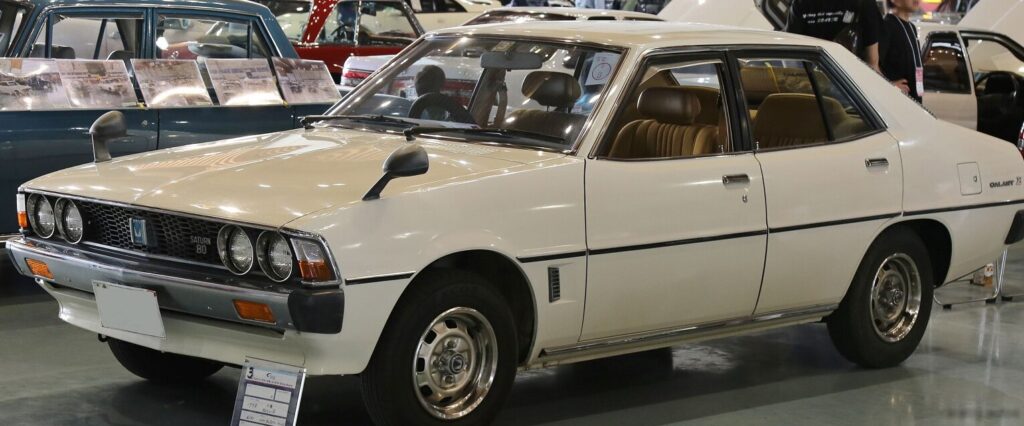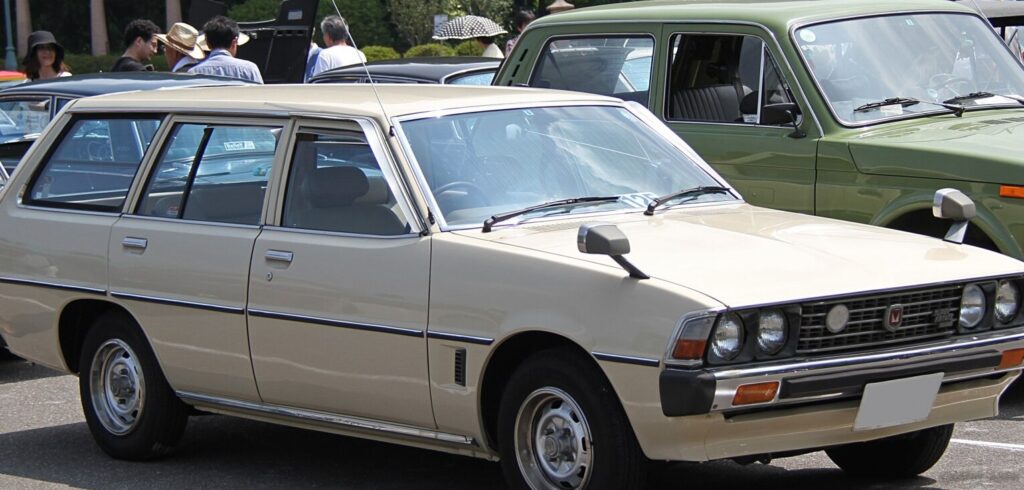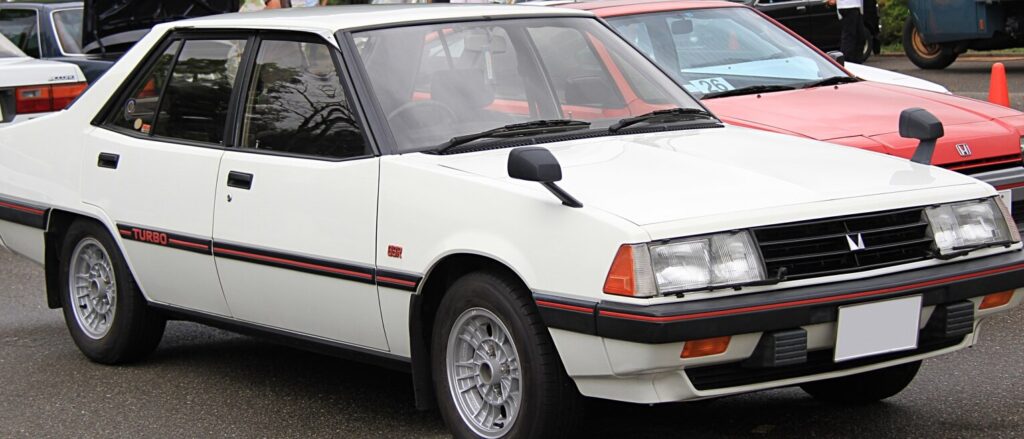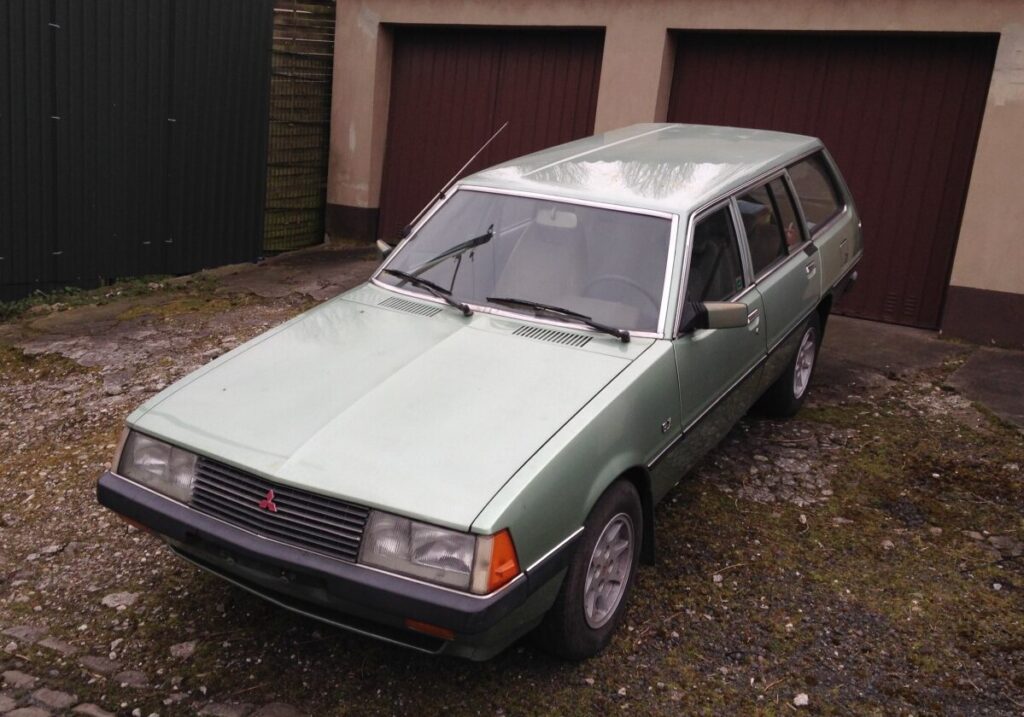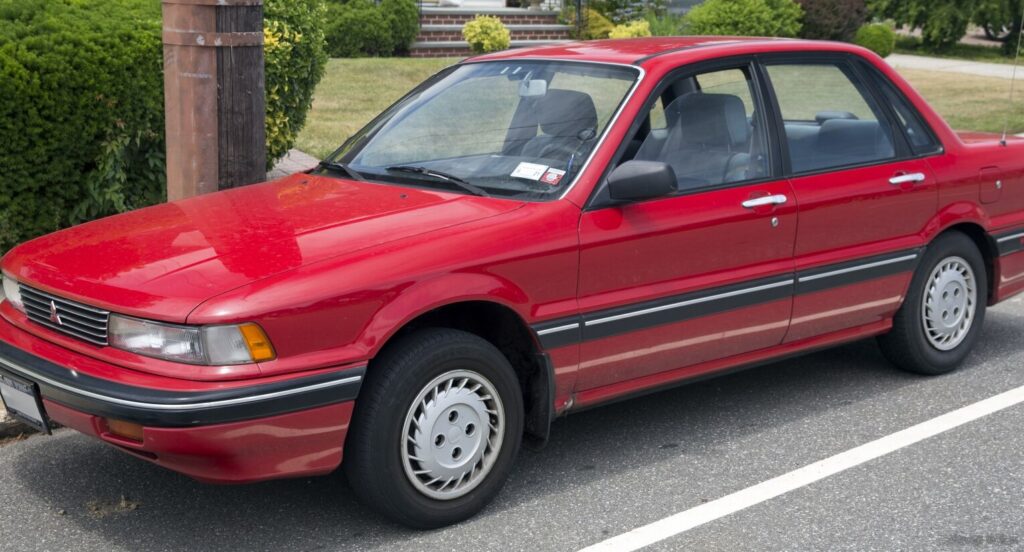
The Mitsubishi Galant VI 1.8 Turbo-D (E34A), produced between 1988 and 1992, represented a unique offering within the sixth generation (E30 series) of Mitsubishi’s mid-size sedan. This variant, characterized by its turbocharged diesel engine, was primarily aimed at European markets where diesel fuel was more prevalent and economically advantageous. It occupied a specific niche in the Galant VI lineup, positioned as a fuel-efficient alternative to the gasoline-powered models, though offering significantly less power. The E34A chassis code designates this specific engine and drivetrain configuration. The Galant VI itself was a significant model for Mitsubishi, building upon the success of previous generations and incorporating more modern styling and technology.
Mitsubishi Galant VI 1.8 Turbo-D (E34A): An Overview
The Galant VI, launched in 1988, was a substantial redesign of the Galant line. It featured a more aerodynamic body, improved interior space, and a range of updated engines. While gasoline engines were the mainstay in North America and Japan, the European market saw a greater demand for diesel options. The 1.8 Turbo-D was Mitsubishi’s response, offering a blend of reasonable performance and excellent fuel economy. This model was not officially sold in the United States, making it a relatively rare sight even among Galant enthusiasts today. The sixth-generation Galant was based on the evolving Mitsubishi architecture that would later underpin models like the Diamante and the early versions of the Eclipse.
Powertrain & Engine Architecture
The heart of the Galant VI 1.8 Turbo-D (E34A) is its 1.8-liter 4D56T diesel engine. This engine is a four-cylinder, inline configuration with a single overhead camshaft (SOHC) valvetrain. The “T” designation signifies the presence of a turbocharger, which significantly boosts power output compared to naturally aspirated diesel versions. While rated at 75 horsepower (hp), the turbocharger provides a noticeable increase in torque, making it more suitable for highway cruising and carrying loads. The engine utilizes indirect injection, a common technology for diesel engines of that era. This system involves injecting fuel into a pre-chamber before it enters the main combustion chamber, promoting more complete combustion and reducing noise. The fuel injection pump is mechanically driven, and the engine is naturally aspirated, relying on the turbocharger for forced induction.
The transmission paired with the 1.8 Turbo-D is typically a four-speed automatic transmission. This automatic was chosen to provide ease of use and convenience, appealing to a broader range of drivers. The transmission is electronically controlled, offering smoother shifts and improved fuel efficiency compared to older, purely mechanical automatics. The gear ratios are optimized for fuel economy and mid-range acceleration, rather than outright performance. The drivetrain is front-wheel drive, standard for the Galant VI in most markets.
Driving Characteristics
The driving experience in the Galant VI 1.8 Turbo-D (E34A) is markedly different from its gasoline-powered counterparts. While the 75 hp output is modest, the turbocharger provides a useful boost in torque, particularly at lower and mid-range engine speeds. This makes it surprisingly capable for everyday driving, allowing for comfortable highway cruising and effortless overtaking, though acceleration is not brisk. Compared to the 1.6L or 2.0L gasoline engines available in other Galant VI models, the 1.8 Turbo-D feels significantly slower in terms of outright acceleration. However, the diesel engine’s superior fuel economy and lower running costs were key selling points. The automatic transmission contributes to a relaxed driving experience, but it can feel somewhat sluggish when downshifting for quicker acceleration. The steering is light and precise, typical of Japanese cars of this era, and the suspension provides a comfortable ride, absorbing bumps and imperfections in the road effectively.
Equipment & Trim Levels
The Galant VI 1.8 Turbo-D (E34A) typically came with a moderate level of equipment, reflecting its position as a fuel-efficient, practical sedan. Standard features generally included power steering, central locking, electric windows, and a basic audio system. Interior upholstery was typically cloth, with a durable and functional design. The dashboard layout is straightforward and easy to use, with clearly labeled controls. Optional extras available for this trim included air conditioning, a sunroof, and upgraded audio systems. Higher trim levels, if available in specific markets, might have added features such as alloy wheels, a more luxurious interior trim, and additional convenience items. The overall interior ambiance was focused on practicality and comfort rather than outright luxury.
Chassis & Braking
The Galant VI’s chassis is a conventional front-engine, front-wheel-drive configuration. The suspension system consists of MacPherson struts at the front and a multi-link suspension at the rear. This setup provides a good balance between ride comfort and handling. The 1.8 Turbo-D variant typically featured slightly softer suspension settings compared to the higher-performance gasoline models, prioritizing ride comfort over sporty handling. The braking system is comprised of disc brakes at the front and drum brakes at the rear. While adequate for normal driving conditions, the rear drum brakes are less effective than disc brakes, particularly under heavy braking. The Galant VI did not feature anti-lock braking system (ABS) as standard equipment, although it may have been available as an optional extra in some markets.
Market Reception & Comparison
The Mitsubishi Galant VI 1.8 Turbo-D (E34A) was generally well-received in European markets as a practical and fuel-efficient sedan. Critics praised its comfortable ride, spacious interior, and reasonable performance for its engine size. However, the relatively low power output compared to gasoline-powered rivals was a common criticism. Compared to other trims in the Galant VI lineup, such as the 2.0L gasoline models, the 1.8 Turbo-D offered significantly better fuel economy but considerably less performance. Its target audience was primarily drivers who prioritized fuel efficiency and low running costs over outright speed and acceleration. In terms of reliability, the 4D56T engine is generally considered to be a robust and durable unit, capable of high mileage with proper maintenance. However, like all diesel engines, it is susceptible to issues related to fuel quality and infrequent oil changes.
Technical Specifications
| Engine Type | 1.8L Turbo Diesel (4D56T) |
| Engine Displacement | 1798 cc |
| Maximum Power | 75 hp @ 4000 rpm |
| Maximum Torque | 137 Nm (101 lb-ft) @ 2500 rpm |
| Fuel System | Indirect Injection, Turbocharged |
| Transmission | 4-Speed Automatic |
| Drivetrain | Front-Wheel Drive |
| Brakes (Front) | Disc |
| Brakes (Rear) | Drum |
| Suspension (Front) | MacPherson Strut |
| Suspension (Rear) | Multi-Link |
| Curb Weight | Approximately 1300 kg (2866 lbs) |
| Fuel Consumption (Combined) | Approximately 6.5 – 7.5 L/100km |
Legacy
The Mitsubishi Galant VI 1.8 Turbo-D (E34A) remains a relatively uncommon vehicle today, particularly outside of Europe. Its robust diesel engine and durable construction have ensured that many examples are still on the road, although finding well-maintained specimens can be challenging. The 4D56T engine is known for its longevity and relatively simple maintenance requirements, making it a popular choice among diesel enthusiasts. In the used car market, the Galant VI 1.8 Turbo-D (E34A) is often valued for its fuel efficiency and practicality, appealing to buyers seeking a reliable and economical classic sedan. While it may not offer the performance of its gasoline-powered siblings, its unique character and fuel-sipping capabilities have earned it a dedicated following among those who appreciate its understated charm.