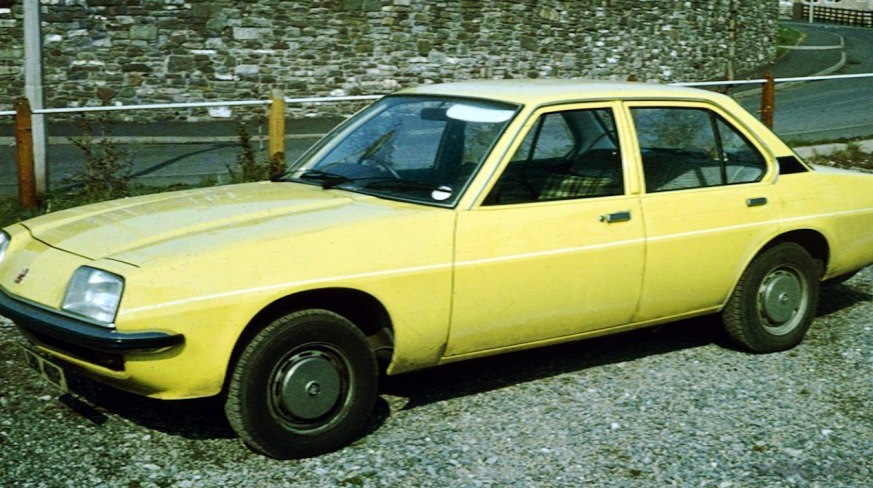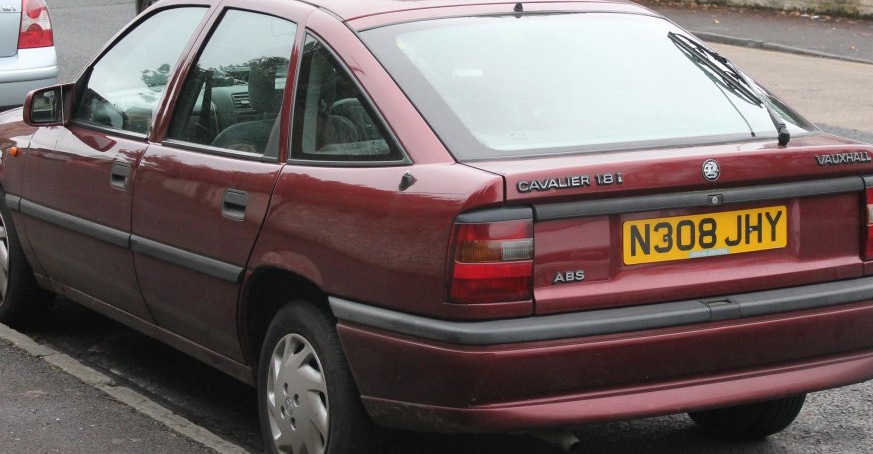
The Vauxhall Cavalier Mk III CC 1.7 D, produced between 1994 and 1995, represented the entry-level diesel offering within the Mk III Cavalier range. Part of the 1HX0 chassis code generation, this variant was primarily aimed at fleet buyers and drivers prioritizing fuel economy over outright performance. It occupied the lowest rung of the Cavalier ladder, positioned below the petrol-powered models and the more powerful 2.0-litre diesel. The “CC” designation signified a five-door hatchback body style, a popular configuration for family vehicles in the United Kingdom and Europe.
Powertrain & Engine Architecture
The heart of the Cavalier Mk III CC 1.7 D was the 17DR engine, a 1.7-litre inline four-cylinder diesel. This engine utilized precombustion chamber injection, a system common in European diesel engines of the era. This system involved injecting fuel into a precombustion chamber connected to the main cylinder, promoting more complete combustion and reducing engine noise compared to direct injection systems. The engine displaced 1686 cm³ (102.89 cubic inches) and featured a relatively low compression ratio of 22:1. The valvetrain employed an overhead camshaft (OHC) design with two valves per cylinder.
The 17DR engine produced 60 horsepower (Hp) at 4600 rpm and 205 Newton-metres (151.2 lb-ft) of torque at 2650 rpm. While the horsepower figure was modest, the engine’s torque delivery was relatively strong at lower engine speeds, making it suitable for everyday driving. The engine required 4.75 litres (5.02 US quarts) of engine oil and 9.1 litres (9.62 US quarts) of coolant.
Transmission
The Cavalier Mk III CC 1.7 D was exclusively offered with a five-speed manual transmission. This transmission was chosen to maximize fuel efficiency and provide adequate control for the engine’s power output. The gear ratios were geared towards economy, with a relatively long final drive ratio.
Driving Characteristics
The driving experience in the 1.7 D was characterized by its focus on practicality and fuel efficiency rather than sporty performance. Acceleration was slow, taking approximately 20.5 seconds to reach 100 km/h (62 mph) and 19.5 seconds to reach 60 mph. The maximum speed was limited to 152 km/h (94.45 mph). The engine’s torque, however, provided reasonable pulling power for overtaking and climbing hills, although it required downshifting to maintain momentum. The long gearing contributed to a relaxed cruising experience on motorways, but also meant the engine needed to work harder when accelerating.
Compared to the petrol-powered Cavaliers, the 1.7 D offered significantly less power and acceleration. However, it provided substantially better fuel economy, achieving approximately 6 l/100 km (39.2 US mpg, 47.1 UK mpg, 16.7 km/l). The 1.7 D also differed from the 2.0-litre diesel in terms of refinement and power output, with the 2.0-litre offering more performance but at the cost of increased fuel consumption.
Equipment & Trim Levels
The 1.7 D trim level was typically the most basic in the Cavalier Mk III range. Standard equipment generally included central locking, power steering, and a basic stereo system. Interior upholstery was typically cloth, and the dashboard featured a simple, functional design. Optional extras included electric windows, a sunroof, and upgraded stereo systems. The interior trim was generally utilitarian, reflecting the car’s focus on affordability and practicality.
The Cavalier Mk III CC 1.7 D was not typically offered with luxury features such as leather upholstery or automatic climate control. The emphasis was on providing a reliable and economical vehicle for everyday use.
Chassis & Braking
The Cavalier Mk III CC 1.7 D utilized an independent McPherson strut suspension system at the front, with a coil spring and anti-roll bar. The rear suspension employed a simple coil spring setup. This suspension configuration provided a reasonable balance between ride comfort and handling. The front brakes were disc brakes, while the rear brakes were drum brakes. This configuration was typical for vehicles in this price range during the 1990s.
The car was equipped with an Anti-lock Braking System (ABS) as standard, enhancing braking performance and safety. The steering system was a rack and pinion type, providing precise and responsive steering. The vehicle rode on 175/70 R14 tires mounted on 14-inch steel wheels.
Market Reception & Comparison
The Vauxhall Cavalier Mk III CC 1.7 D received mixed reviews from automotive critics. While its fuel economy was praised, its lack of performance was often criticized. It was generally seen as a sensible and practical choice for drivers prioritizing economy and reliability over driving excitement. Compared to other vehicles in its class, such as the Ford Mondeo and the Citroën Xantia, the Cavalier 1.7 D offered a competitive price point and good fuel economy, but lacked the refinement and performance of some of its rivals.
In terms of reliability, the 17DR engine was generally considered to be robust and durable, although it could be prone to issues such as injector problems and wear in the precombustion chambers. Regular maintenance and servicing were essential to ensure long-term reliability.
Technical Specifications
| Brand | Vauxhall |
| Model | Cavalier |
| Generation | Cavalier Mk III CC |
| Type (Engine) | 1.7 D (60 Hp) |
| Start of production | 1994 |
| End of production | 1995 |
| Body type | Hatchback |
| Seats | 5 |
| Doors | 5 |
| Fuel consumption (combined) | 6 l/100 km |
| Fuel consumption (US mpg) | 39.2 US mpg |
| Fuel consumption (UK mpg) | 47.1 UK mpg |
| Fuel Type | Diesel |
| Acceleration 0 – 100 km/h | 20.5 sec |
| Acceleration 0 – 62 mph | 20.5 sec |
| Acceleration 0 – 60 mph | 19.5 sec |
| Maximum speed | 152 km/h (94.45 mph) |
| Power | 60 Hp @ 4600 rpm |
| Torque | 205 Nm @ 2650 rpm (151.2 lb.-ft. @ 2650 rpm) |
| Engine layout | Front, Transverse |
| Engine Model/Code | 17DR |
| Engine displacement | 1686 cm3 (102.89 cu. in.) |
| Number of cylinders | 4 |
| Engine configuration | Inline |
| Cylinder Bore | 79 mm (3.11 in.) |
| Piston Stroke | 86 mm (3.39 in.) |
| Compression ratio | 22:1 |
| Number of valves per cylinder | 2 |
| Fuel injection system | Precombustion chamber injection |
| Engine aspiration | Naturally aspirated |
| Valvetrain | OHC |
| Engine oil capacity | 4.75 l (5.02 US qt | 4.18 UK qt) |
| Coolant capacity | 9.1 l (9.62 US qt | 8.01 UK qt) |
| Trunk (boot) space – minimum | 460 l (16.24 cu. ft.) |
| Trunk (boot) space – maximum | 1290 l (45.56 cu. ft.) |
| Fuel tank capacity | 61 l (16.11 US gal | 13.42 UK gal) |
| Length | 4352 mm (171.34 in.) |
| Width | 1706 mm (67.17 in.) |
| Height | 1400 mm (55.12 in.) |
| Wheelbase | 2600 mm (102.36 in.) |
| Front track | 1420 mm (55.91 in.) |
| Rear track | 1423 mm (56.02 in.) |
| Drive wheel | Front wheel drive |
| Number of gears | 5 |
| Gearbox type | Manual transmission |
| Front suspension | Independent, McPherson with coil spring and anti-roll bar |
| Rear suspension | Coil spring |
| Front brakes | Disc |
| Rear brakes | Drum |
| Assisting systems | ABS |
| Steering type | Steering rack and pinion |
| Tires size | 175/70 R14 |
| Wheel rims size | 14 |
Legacy
The Vauxhall Cavalier Mk III CC 1.7 D, while not a performance icon, remains a relatively common sight on UK roads today, testament to its durability and affordability. The 17DR engine, when properly maintained, proved to be a reliable unit. In the used car market, these Cavaliers are typically valued for their low running costs and practicality. However, potential buyers should be aware of the age-related issues common to vehicles of this era, such as corrosion and wear in the suspension components. The 1.7 D variant represents a practical and economical choice for those seeking a classic 1990s hatchback.