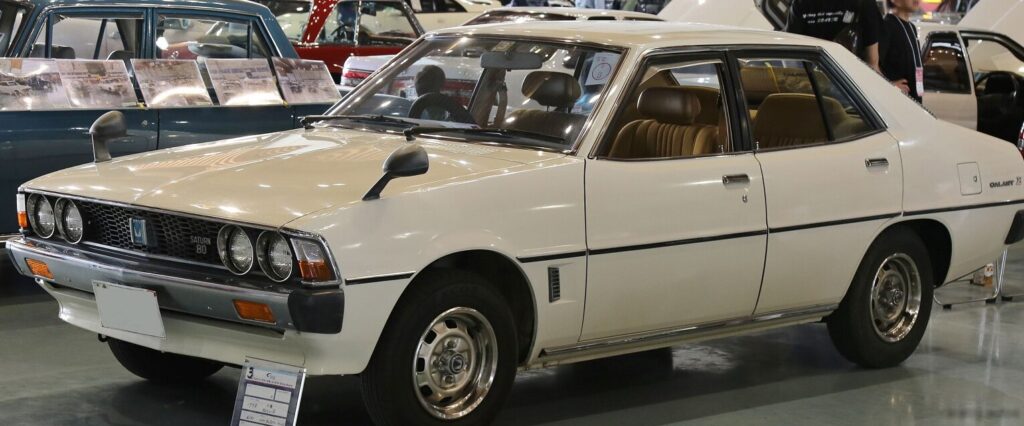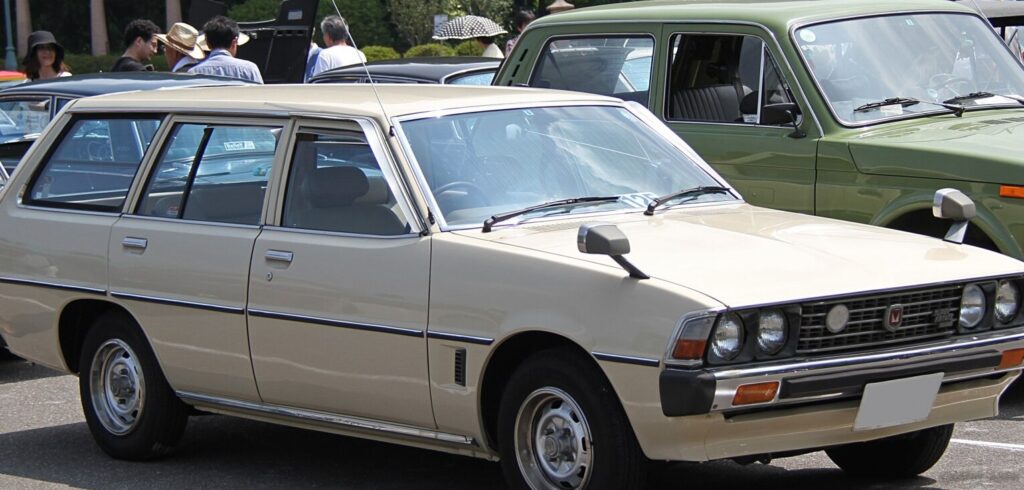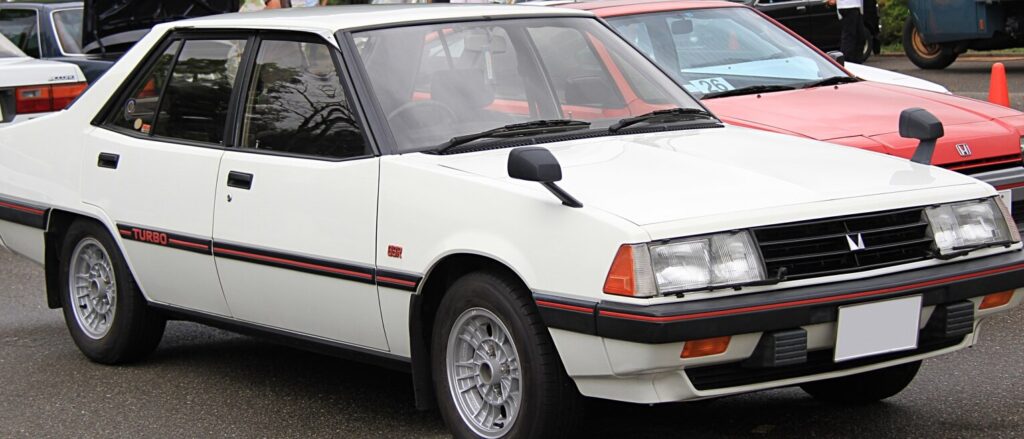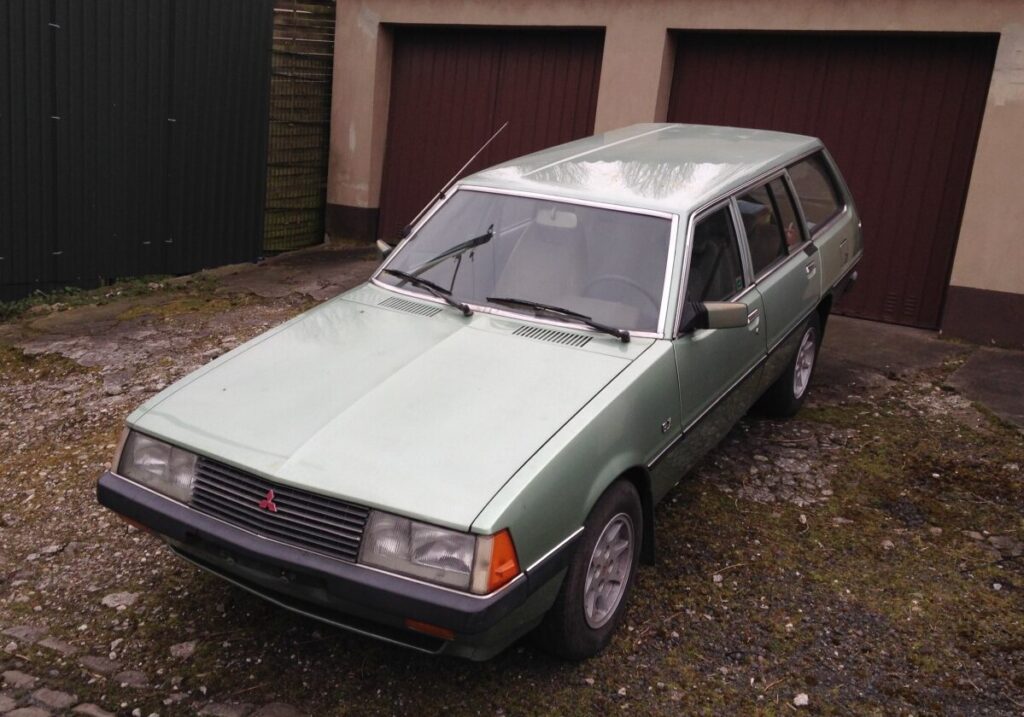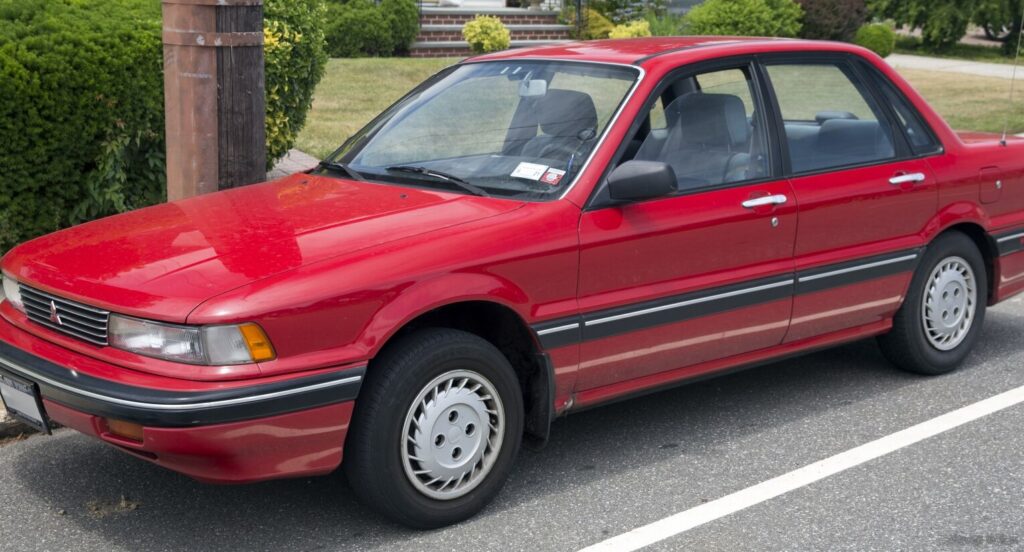
The Mitsubishi Galant VI 2.0 4×4 (E39A), produced between 1989 and 1992, represents a significant iteration in Mitsubishi’s long-running Galant lineage. This variant, powered by a 2.0-liter naturally aspirated four-cylinder engine producing 109 horsepower and coupled with a four-speed automatic transmission, offered all-wheel drive capability within the sixth generation (E30 series) Galant range. The E39A chassis code specifically denotes this configuration. Positioned as a mid-range offering, it aimed to provide a blend of practicality, comfort, and all-weather traction for buyers seeking a more capable family sedan. It sat below the higher-performance trims, which often featured larger engines and sport-tuned suspensions, and above the base models with smaller displacement engines and front-wheel drive.
Mitsubishi Galant VI 2.0 4×4 (E39A): An Overview
The Galant VI, launched in 1988, was a substantial redesign of the Galant, moving towards a more aerodynamic and modern aesthetic. It was built on a stretched version of the previous platform, offering increased interior space and improved ride quality. The introduction of all-wheel drive, particularly with the 2.0-liter engine, was a key selling point, differentiating the Galant from many of its competitors in the mid-size sedan segment. The E39A model specifically catered to markets where inclement weather was common, providing enhanced stability and control. This generation of Galant was sold under various names globally, including Dodge Concorde and Eagle Premier in North America, reflecting Mitsubishi’s strategic partnerships during that period.
Powertrain & Engine Architecture
The heart of the Galant VI 2.0 4×4 (E39A) is the 4G63 engine, a 1997cc (2.0L) inline-four cylinder gasoline engine. This engine is naturally aspirated, meaning it does not utilize a turbocharger or supercharger. While the 4G63 is a robust and well-regarded engine family, the 109 hp version employed in the E39A featured a slightly detuned specification compared to higher-output variants found in other Galant trims or the Mitsubishi Eclipse/Eagle Talon. The engine utilizes a single overhead camshaft (SOHC) valvetrain with two valves per cylinder. Fuel delivery is managed by a multi-point fuel injection system, contributing to improved fuel efficiency and reduced emissions compared to earlier carbureted engines.
The automatic transmission paired with the 2.0-liter engine is a four-speed unit. While not known for its sporty responsiveness, it provided smooth and convenient shifting for everyday driving. The transmission’s gear ratios were optimized for fuel economy and comfortable cruising rather than outright acceleration. The all-wheel drive system is a viscous coupling type, meaning it automatically distributes torque between the front and rear axles based on wheel slip. This system provides enhanced traction in slippery conditions without requiring driver intervention. The system is primarily front-wheel drive under normal conditions, engaging the rear wheels only when needed.
Driving Characteristics
The driving experience in the Galant VI 2.0 4×4 (E39A) is characterized by comfort and stability. The 109 horsepower engine provides adequate power for typical commuting and highway driving, but it’s not particularly quick. Acceleration from a standstill is modest, and passing maneuvers require careful planning. The four-speed automatic transmission contributes to a relaxed driving style, with smooth shifts and a lack of harshness. The all-wheel drive system significantly enhances traction, particularly on wet or snowy roads. This provides a noticeable improvement in handling and stability compared to front-wheel drive versions of the Galant.
Compared to the higher-performance Galant variants equipped with the 2.4-liter or V6 engines, the 2.0-liter automatic model feels noticeably slower. The manual transmission versions of the 2.0-liter engine also offer a more engaging driving experience, with better acceleration and more control. However, the 2.0 4×4 automatic prioritizes ease of use and all-weather capability over sporty performance. The suspension is tuned for comfort, absorbing bumps and imperfections in the road effectively. Steering feel is light and precise, making the car easy to maneuver in urban environments.
Equipment & Trim Levels
The Galant VI 2.0 4×4 (E39A) typically came equipped with a reasonable level of standard features for its time. These generally included power steering, power windows, power door locks, and an AM/FM stereo. Air conditioning was often standard, though it could be optional depending on the specific market. Interior upholstery was typically cloth, with options for upgraded materials like velour or leather available on higher trim levels. The dashboard layout was functional and straightforward, with clearly labeled controls.
Optional extras available for the E39A included a sunroof, upgraded audio systems (potentially with a cassette player or even a CD player), alloy wheels, and cruise control. Some models also offered features like a rear window defogger and heated mirrors. The trim levels varied depending on the region, but generally, the 2.0 4×4 automatic sat in the mid-range, offering a good balance of features and affordability. The higher trims often included more luxurious appointments and additional convenience features.
Chassis & Braking
The Galant VI utilized a MacPherson strut front suspension and a multi-link rear suspension. This configuration provided a good balance of ride comfort and handling. The stabilizer bars, both front and rear, helped to reduce body roll during cornering. The 2.0 4×4 models generally featured slightly stiffer suspension components compared to the base models to accommodate the added weight of the all-wheel drive system.
Braking systems varied depending on the market and trim level. Many E39A models were equipped with front disc brakes and rear drum brakes. However, some higher-spec models featured disc brakes on all four wheels, providing improved stopping power. Power assist was standard. The braking system was generally considered adequate for the car’s weight and performance, but it lacked the sophistication of more modern braking systems.
Market Reception & Comparison
The Mitsubishi Galant VI 2.0 4×4 (E39A) was generally well-received by automotive critics as a practical and capable family sedan. Its all-wheel drive system was praised for providing enhanced traction and stability in adverse weather conditions. However, the 109 horsepower engine was often criticized for being underpowered, particularly when compared to competitors offering more powerful engines. Fuel economy was considered average for its class.
Compared to other trims in the Galant lineup, the 2.0 4×4 automatic offered a compelling combination of features and affordability. It was a good choice for buyers who prioritized all-weather capability and comfortable driving over sporty performance. Reliability was generally good, although some owners reported issues with the automatic transmission over the long term. The 4G63 engine itself is known for its durability, but regular maintenance is essential to ensure its longevity.
Technical Specifications
| Body Type | Sedan |
| Engine Type | Inline-4, Naturally Aspirated |
| Engine Displacement | 1997 cc (2.0 L) |
| Horsepower | 109 hp @ 5500 rpm |
| Torque | 134 lb-ft @ 3250 rpm |
| Fuel System | Multi-point Fuel Injection |
| Transmission | 4-Speed Automatic |
| Drivetrain | All-Wheel Drive (Viscous Coupling) |
| Front Suspension | MacPherson Strut |
| Rear Suspension | Multi-Link |
| Brakes (Front) | Disc |
| Brakes (Rear) | Drum (typically, some models disc) |
| Curb Weight | Approximately 3,000 lbs (1360 kg) |
| Production Years | 1989-1992 |
Legacy
The Mitsubishi Galant VI 2.0 4×4 (E39A) remains a relatively affordable and accessible classic car in the used market today. The 4G63 engine is known for its durability and relatively simple maintenance requirements. However, potential buyers should be aware of the possibility of age-related issues, such as corrosion, worn suspension components, and potential problems with the automatic transmission. Parts availability is generally good, although some specific components may be difficult to find. The E39A’s all-wheel drive system continues to be a valuable asset, making it a practical choice for drivers in regions with harsh winters or challenging road conditions. While not a performance icon, the Galant VI 2.0 4×4 (E39A) represents a solid and reliable family sedan from a bygone era, offering a unique blend of comfort, capability, and affordability.