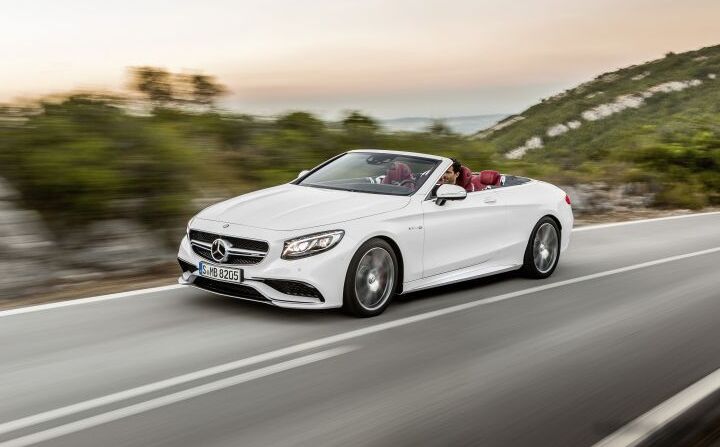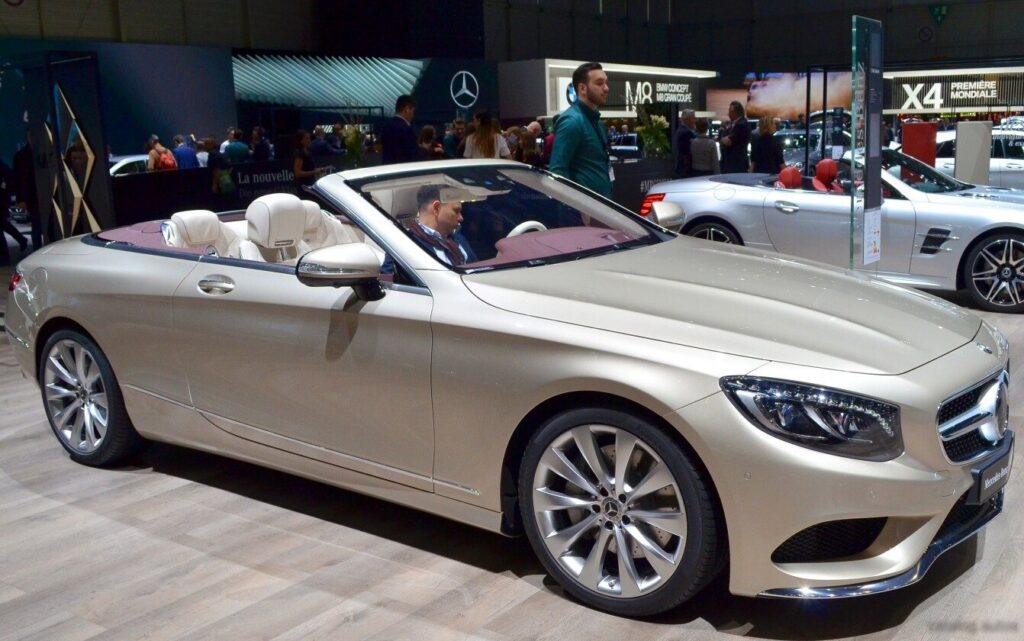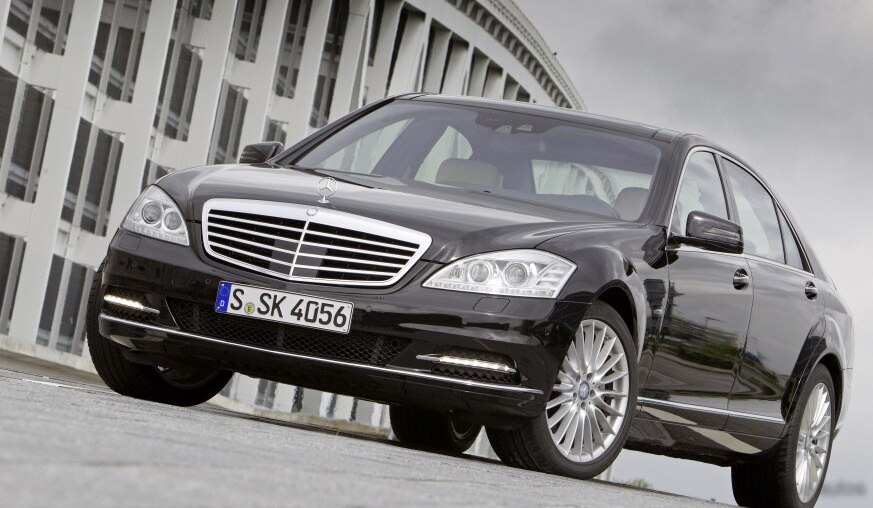
The Mercedes-Benz S 250 CDI BlueEFFICIENCY, produced from 2011 to 2013, was a diesel-powered variant of the W221 S-Class following the 2009 facelift. Positioned as the entry-level engine option in many European markets, it offered a balance of luxury, fuel efficiency, and performance within the flagship S-Class range. This model aimed to provide a more economical alternative to the higher-powered S 350, S 500, and AMG variants, appealing to buyers prioritizing fuel consumption and lower running costs without sacrificing the S-Class experience. It utilized a four-cylinder diesel engine paired with a 7-speed automatic transmission, a configuration not typically associated with a vehicle of this size and prestige, marking a shift towards greater efficiency in the luxury segment.
Powertrain & Engine Architecture
The S 250 CDI BlueEFFICIENCY was powered by the OM 651.961, a 2.1-liter inline-four cylinder diesel engine. This engine was a highly advanced design for its time, featuring commonrail direct injection and a twin-turbocharger setup with an intercooler. The twin-turbo configuration was crucial for mitigating turbo lag and delivering a broad torque curve. The engine boasted a high compression ratio of 16.2:1, contributing to its thermal efficiency. Fuel was delivered via a piezo commonrail injection system, allowing for precise control of fuel delivery and optimized combustion. The engine featured four valves per cylinder, enhancing volumetric efficiency and contributing to its power output.
The transmission paired with the OM 651.961 was the 7G-TRONIC, a seven-speed automatic transmission known for its smooth shifting and efficiency. This transmission offered a wide range of gear ratios, optimizing engine performance for both acceleration and fuel economy. The 7G-TRONIC featured a torque converter lock-up clutch, further enhancing efficiency by reducing slippage. The transmission was electronically controlled, adapting shift points based on driving conditions and driver input.
Engine Specifications
Key engine specifications included a maximum power output of 204 horsepower (150 kW) at 4200 rpm and a peak torque of 500 Newton-meters (368.78 lb-ft) available between 1600 and 1800 rpm. This substantial torque output, delivered at relatively low engine speeds, provided strong acceleration and effortless cruising. The engine’s specific output was 95.2 horsepower per liter, a respectable figure for a four-cylinder diesel engine.
Driving Characteristics
The S 250 CDI BlueEFFICIENCY offered a distinctly different driving experience compared to its six and eight-cylinder siblings. While lacking the outright acceleration of the more powerful models, the S 250 CDI provided ample power for everyday driving and comfortable highway cruising. The 7G-TRONIC transmission played a significant role in maximizing the engine’s potential, providing smooth and timely gear changes. The broad torque curve meant that strong acceleration was available across a wide range of engine speeds, minimizing the need for frequent downshifts.
Acceleration from 0 to 100 km/h (0-62 mph) was achieved in 8.2 seconds, and 0 to 60 mph in 7.8 seconds. The top speed was electronically limited to 240 km/h (149 mph). Compared to the S 350, the S 250 CDI offered slightly slower acceleration, but its fuel economy advantage was considerable. The S 250 CDI’s driving experience was characterized by refinement and comfort, typical of the S-Class, despite its smaller engine. The engine was relatively quiet and vibration-free, contributing to a relaxed driving environment.
Equipment & Trim Levels
The S 250 CDI BlueEFFICIENCY typically came well-equipped, reflecting the S-Class’s status as a luxury vehicle. Standard features included leather upholstery, automatic climate control, a premium audio system, and a comprehensive suite of safety features, including ABS, ESP, and multiple airbags. The interior design mirrored that of other W221 S-Class models, with a focus on elegance and comfort.
Optional extras included features such as a panoramic sunroof, upgraded leather upholstery, a rear entertainment system, and advanced driver-assistance systems like adaptive cruise control and lane-keeping assist. Trim levels varied depending on the market, but generally followed the standard S-Class hierarchy, with options for different wood veneers, interior color schemes, and exterior styling enhancements. The “BlueEFFICIENCY” designation indicated the inclusion of fuel-saving technologies, such as optimized aerodynamics and low-rolling-resistance tires.
Chassis & Braking
The S 250 CDI BlueEFFICIENCY utilized the standard W221 S-Class chassis, featuring a fully independent suspension system. The front suspension consisted of a multi-link setup, while the rear suspension employed a multi-link design with air suspension. The air suspension system provided a comfortable ride and allowed for adjustable ride height. Stabilizer bars were fitted to both the front and rear axles to reduce body roll during cornering.
The braking system consisted of disc brakes on all four wheels, providing ample stopping power. ABS (Anti-lock Braking System) and ESP (Electronic Stability Program) were standard features, enhancing safety and stability. The S 250 CDI’s weight of approximately 1895 kg (4178 lbs) was comparable to other S-Class models, and the braking system was adequately sized to handle the vehicle’s mass. Tire size was typically 235/55 R17.
Market Reception & Comparison
The S 250 CDI BlueEFFICIENCY was generally well-received by critics, particularly for its impressive fuel economy and comfortable ride. It was praised for offering a viable alternative to the more expensive S-Class models, appealing to buyers who prioritized efficiency without compromising on luxury. However, some critics noted that the four-cylinder engine lacked the refinement and power of the six and eight-cylinder options.
Compared to the S 350, the S 250 CDI offered significantly better fuel economy – combined fuel consumption ranged from 5.7 to 5.8 liters per 100 kilometers (41.3 to 40.6 US mpg) – but slightly slower acceleration. The S 250 CDI was also generally more affordable to purchase and maintain. In terms of reliability, the OM 651 engine proved to be a robust and durable unit, with relatively few reported issues. However, like all modern diesel engines, it was susceptible to issues with the diesel particulate filter (DPF) if not properly maintained.
Technical Specifications
| Body Type | Sedan, 4 Doors, 5 Seats |
| Fuel Economy (Combined) | 5.7-5.8 l/100 km (41.3 – 40.6 US mpg) |
| CO2 Emissions | 149-151 g/km |
| Maximum Speed | 240 km/h (149.13 mph) |
| Acceleration 0-100 km/h | 8.2 sec |
| Engine Displacement | 2.1 l (2143 cm3 / 130.77 cu. in.) |
| Number of Cylinders | 4, Inline |
| Fuel Injection System | Diesel Commonrail |
| Engine Power | 204 Hp @ 4200 rpm |
| Engine Torque | 500 Nm @ 1600-1800 rpm (368.78 lb.-ft.) |
| Kerb Weight | 1895 kg (4177.76 lbs.) |
| Max. Weight | 2565 kg (5654.86 lbs.) |
| Fuel Tank Capacity | 83 l (21.93 US gal | 18.26 UK gal) |
| Length | 5096 mm (200.63 in.) |
| Width | 1871 mm (73.66 in.) |
| Height | 1479 mm (58.23 in.) |
| Wheelbase | 3035 mm (119.49 in.) |
| Transmission | 7 gears, automatic transmission G-TRONIC |
Legacy
The Mercedes-Benz S 250 CDI BlueEFFICIENCY represents an interesting chapter in the S-Class’s history. It demonstrated Mercedes-Benz’s commitment to improving fuel efficiency in its flagship model, even if it meant utilizing a smaller engine. Today, the S 250 CDI is a relatively affordable entry point into S-Class ownership on the used car market. The OM 651 engine is known for its durability, but potential buyers should be aware of the potential for DPF issues and ensure that the vehicle has been properly maintained. While it may not offer the same level of performance as the higher-powered S-Class models, the S 250 CDI BlueEFFICIENCY remains a comfortable, refined, and economical luxury sedan.