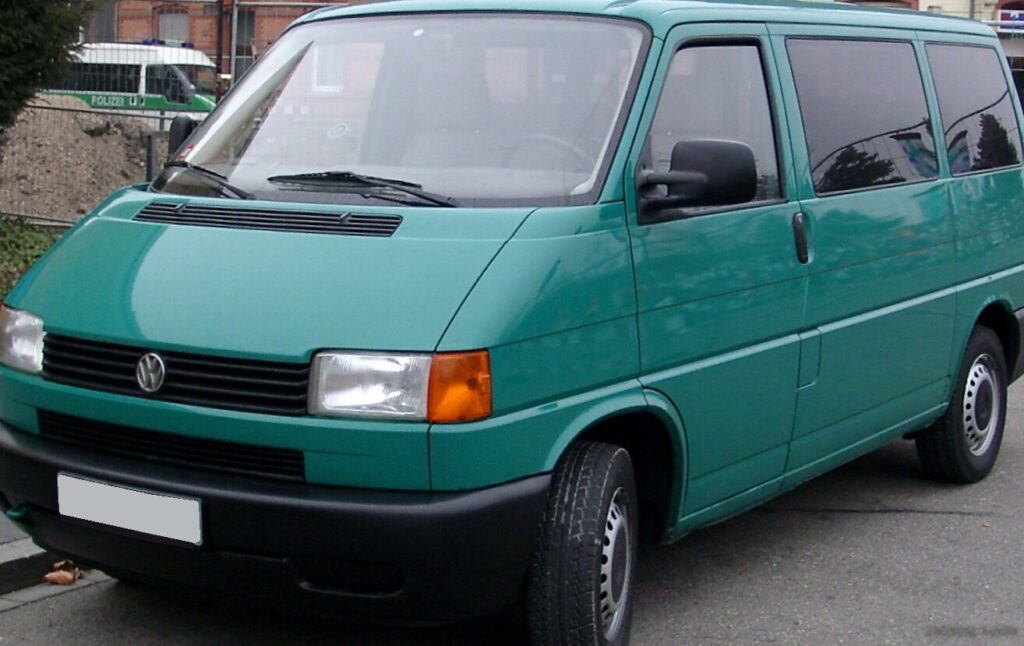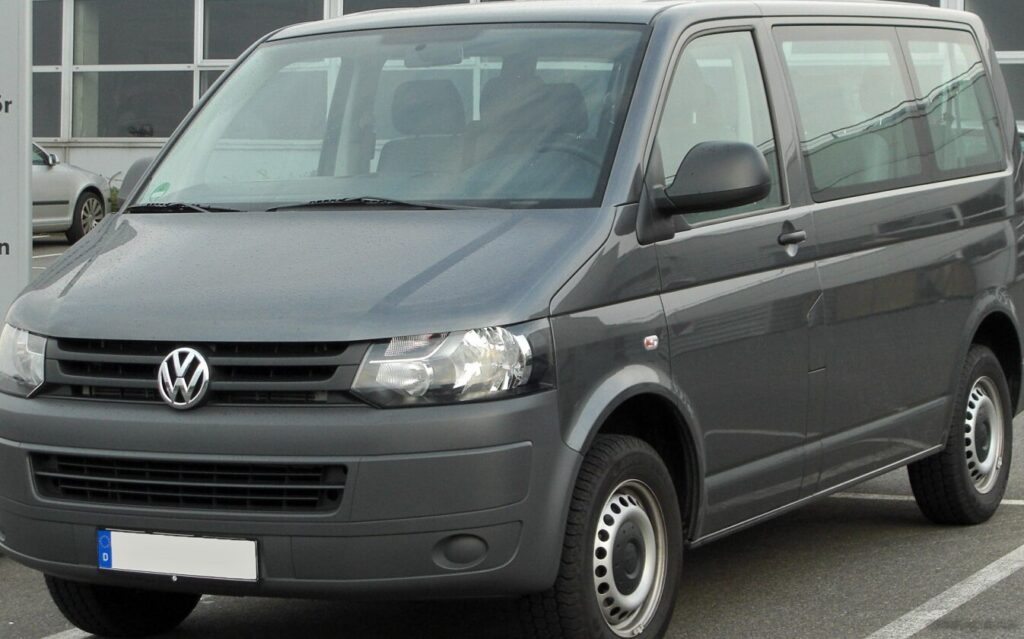
The Volkswagen Transporter (T5) facelift, produced from 2009 to 2015, represented a significant update to the fifth generation of Volkswagen’s popular commercial vehicle. Within this generation, the Kombi variant offered a blend of cargo capacity and passenger comfort, catering to both commercial and family needs. The 2.0 TDI BMT (140 hp) 4MOTION L2H1, introduced in 2012, was a key configuration, positioned as a versatile, all-wheel-drive option aimed at users requiring enhanced traction and moderate performance. The “L2H1” designation refers to the vehicle’s body length (L2 – long wheelbase) and roof height (H1 – standard roof). This variant occupied a middle ground in the T5 lineup, offering a balance between the more economical base models and the higher-performance, often more expensive, options like those with more powerful TDI engines.
Powertrain & Engine Architecture
The heart of the Transporter Kombi 2.0 TDI BMT (140 hp) 4MOTION is the EA189 series 2.0-liter inline four-cylinder diesel engine, specifically the CAAC engine code. This engine utilizes a common rail direct fuel injection system, delivering fuel directly into the combustion chamber at extremely high pressure for improved efficiency and reduced emissions. The “BMT” designation stands for “BlueMotion Technology,” indicating the inclusion of fuel-saving technologies such as start-stop functionality and optimized engine mapping. The engine features a single turbocharger with an intercooler, boosting power output and improving torque delivery. The valvetrain employs a dual overhead camshaft (DOHC) design with four valves per cylinder, optimizing gas flow for enhanced performance.
Power is transmitted to all four wheels via Volkswagen’s 4MOTION all-wheel-drive system. This system is primarily front-wheel drive, but utilizes a viscous coupling to engage the rear wheels when front wheel slip is detected. The transmission is a six-speed manual gearbox, chosen for its efficiency and driver control. While an automatic transmission was available on some T5 models, it was not offered with this specific engine and 4MOTION combination. The engine produces 140 horsepower at 3500 rpm and 340 Nm (250.77 lb-ft) of torque between 1750 and 2500 rpm, providing a broad torque band suitable for hauling and towing.
Fuel Injection and Turbocharging
The common rail diesel injection system in the CAAC engine operates at pressures up to 1,800 bar, atomizing the fuel for a more complete combustion process. This contributes to improved fuel economy and reduced particulate emissions. The turbocharger is a variable geometry turbo (VGT), allowing the turbine vanes to adjust based on engine speed and load. This optimizes boost pressure across the rev range, minimizing turbo lag and maximizing torque at lower engine speeds.
Driving Characteristics
The 2.0 TDI BMT (140 hp) 4MOTION Kombi delivers a practical and capable driving experience. Acceleration from 0-100 km/h (0-62 mph) takes approximately 13.6 seconds, and top speed is limited to 170 km/h (105.63 mph). While not a performance-oriented vehicle, the engine’s strong low-end torque makes it well-suited for everyday driving and carrying loads. The 4MOTION system provides enhanced traction in slippery conditions, making it a reliable choice for those operating in varied weather or on challenging terrain. Compared to the more powerful TDI variants (like the 180 hp version), this engine offers a more economical driving experience, but at the expense of outright speed and responsiveness. The six-speed manual transmission allows for precise gear selection and contributes to fuel efficiency. The gear ratios are tuned for a balance of acceleration and cruising comfort.
Equipment & Trim Levels
The Transporter Kombi 2.0 TDI BMT (140 hp) 4MOTION L2H1 typically came equipped with a range of standard features designed for both practicality and comfort. These included power windows, central locking, an adjustable steering wheel, and a basic audio system. Interior upholstery was typically cloth, with durable and easy-to-clean materials. The dashboard layout was functional and straightforward, prioritizing usability. Optional extras included air conditioning, upgraded audio systems with Bluetooth connectivity, parking sensors, and alloy wheels. Higher trim levels offered additional features such as cruise control, heated seats, and more sophisticated infotainment systems. The Kombi configuration allowed for flexible seating arrangements, with options for multiple rows of seats to accommodate up to nine passengers.
Chassis & Braking
The T5 Transporter utilizes an independent suspension system on both the front and rear axles. The front suspension employs a McPherson strut design with coil springs and an anti-roll bar, providing a comfortable ride and stable handling. The rear suspension features a trailing arm setup with coil springs and a transverse stabilizer bar. This configuration balances ride comfort with load-carrying capacity. Braking duties are handled by ventilated disc brakes on all four wheels, providing ample stopping power. The system is equipped with ABS (Anti-lock Braking System) to prevent wheel lockup during emergency braking. The vehicle’s curb weight of 1952 kg (4303.42 lbs) contributes to its stable handling characteristics.
Market Reception & Comparison
The Volkswagen Transporter T5, in general, enjoyed a strong reputation for reliability and practicality. The 2.0 TDI BMT (140 hp) 4MOTION variant was well-received by those seeking a versatile and economical all-wheel-drive van. Critics praised its fuel efficiency (7.6 l/100 km combined) and its ability to handle a variety of tasks. Compared to the more powerful TDI engines, this variant offered a lower purchase price and reduced running costs. However, some reviewers noted that its performance could be strained when fully loaded or driving uphill. In terms of reliability, the EA189 engine has been subject to scrutiny regarding diesel emissions, and some owners have experienced issues with the diesel particulate filter (DPF). However, with proper maintenance, these engines can prove durable and long-lasting.
Technical Specifications
| Brand | Volkswagen |
| Model | Transporter |
| Generation | Transporter (T5, facelift 2009) Kombi |
| Type | 2.0 TDI BMT (140 Hp) 4MOTION L2H1 |
| Start of production | 2012 |
| End of production | 2015 |
| Engine | 2.0-liter Inline-4 Diesel (CAAC) |
| Power | 140 hp @ 3500 rpm |
| Torque | 340 Nm (250.77 lb-ft) @ 1750-2500 rpm |
| Fuel Consumption (Combined) | 7.6 l/100 km (30.9 US mpg) |
| CO2 Emissions | 199 g/km |
| Transmission | 6-speed Manual |
| Drive | All-Wheel Drive (4MOTION) |
| Curb Weight | 1952 kg (4303.42 lbs) |
| Max. Weight | 3000-3200 kg (6613.87 – 7054.79 lbs) |
| Fuel Tank Capacity | 80 l (21.13 US gal) |
| Dimensions (L x W x H) | 5292 x 1904 x 1990 mm (208.35 x 74.96 x 78.35 in) |
Legacy
The Volkswagen Transporter T5 2.0 TDI BMT (140 hp) 4MOTION L2H1 remains a popular choice in the used vehicle market. Its reputation for reliability, combined with its practicality and all-wheel-drive capability, makes it a desirable option for businesses and individuals alike. While the EA189 engine has faced scrutiny regarding emissions, well-maintained examples continue to provide dependable service. The 4MOTION system is particularly valued in regions with harsh winters or challenging road conditions. As with any used vehicle, potential buyers should carefully inspect the vehicle’s service history and consider a pre-purchase inspection by a qualified mechanic. The T5 generation, and this variant specifically, has cemented its place as a versatile and enduring workhorse in the commercial vehicle segment.