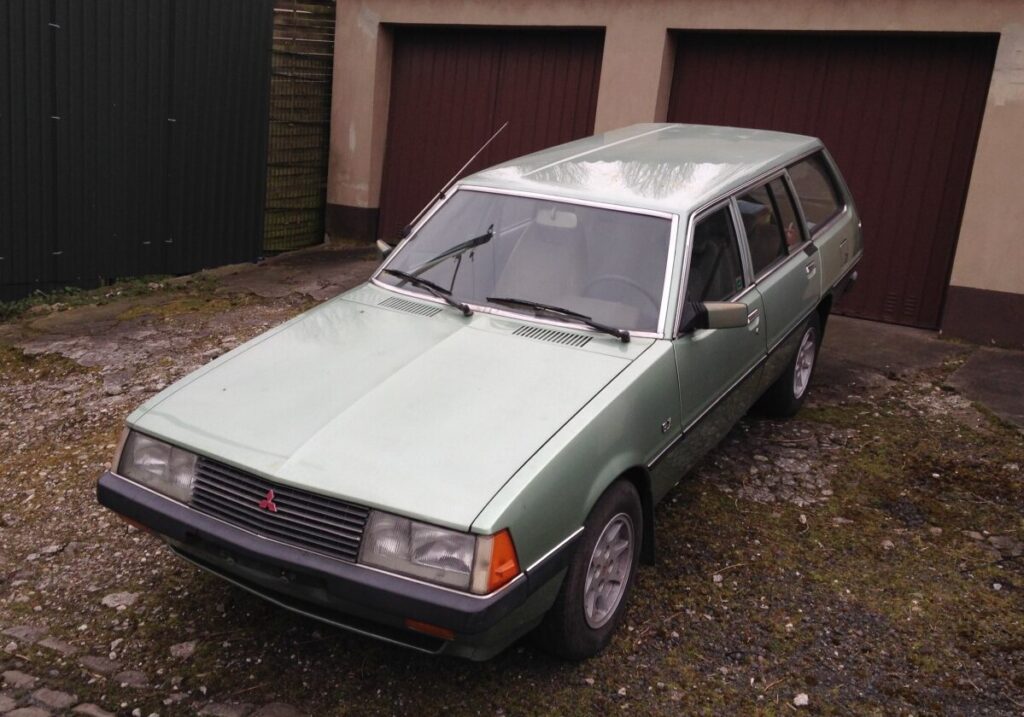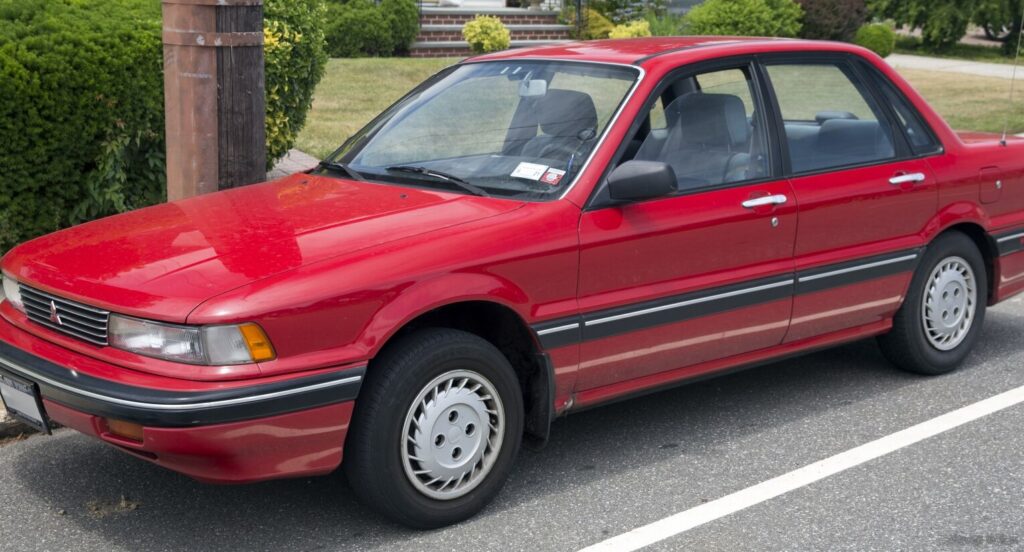
The Mitsubishi Galant VI, produced between 1988 and 1992, represented a significant evolution in Mitsubishi’s mid-size sedan offering. This generation, designated the E33A chassis code, aimed to provide a more refined and technologically advanced vehicle compared to its predecessor. Within the Galant VI lineup, the 2.0-liter (109 hp) variant occupied a middle ground, offering a balance between performance and affordability. It served as a step up from the base models while remaining more accessible than the higher-performance or luxury-oriented trims. The E33A platform was a key component of Mitsubishi’s strategy to compete in the increasingly competitive global automotive market.
Mitsubishi Galant VI 2.0 (E33A) Overview
The 2.0-liter Galant VI (E33A) was a four-door sedan designed to accommodate five passengers. It was positioned as a practical and reliable family vehicle, appealing to buyers seeking a comfortable and well-equipped car without the expense of premium features. Production spanned from 1988 to 1992, during which time it received minor updates to styling and equipment. The E33A Galant was notable for its relatively spacious interior and improved aerodynamics compared to earlier Galant models.
Powertrain & Engine Architecture
The heart of the Galant VI 2.0 was the 4G63 inline-four cylinder engine. This 1997cc (2.0L) engine produced 109 horsepower. The 4G63 engine was a robust and relatively simple design, known for its durability and ease of maintenance. It featured a single overhead camshaft (SOHC) valvetrain with two valves per cylinder. Fuel delivery was managed by a multi-port fuel injection system, which improved fuel efficiency and reduced emissions compared to earlier carburetor-based systems. The engine’s block was constructed from cast iron, while the cylinder head was made of aluminum, contributing to a favorable weight distribution.
While this article focuses on the 2.0L engine, it’s important to note that the Galant VI was also offered with other engine options, including a 1.8-liter engine and, in some markets, a 2.0-liter turbocharged engine. The 4G63 engine, in its various iterations, became a cornerstone of Mitsubishi’s performance lineup, later finding fame in models like the Lancer Evolution. The 2.0L version in the Galant VI was designed for smooth, reliable operation rather than outright performance.
Driving Characteristics
The 2.0-liter Galant VI offered a comfortable and predictable driving experience. Acceleration was adequate for everyday driving, but it wasn’t particularly sporty. The engine delivered its peak power at around 5,600 rpm, requiring drivers to rev the engine to access its full potential. The five-speed manual transmission provided precise gear changes and allowed drivers to maintain control over the engine’s power output. The gear ratios were tuned for fuel efficiency and smooth cruising, rather than rapid acceleration. Compared to the turbocharged variants, the 2.0L model lacked the immediate responsiveness and high-speed performance of its more powerful siblings. However, it offered a more refined and less demanding driving experience, making it well-suited for daily commuting and long-distance travel.
Equipment & Trim Levels
The Galant VI 2.0 typically came standard with features such as power steering, air conditioning, and an AM/FM radio. Higher trim levels offered options like power windows, power door locks, and a sunroof. Interior upholstery was typically cloth, with higher trims offering upgraded materials and designs. The dashboard layout was functional and straightforward, with easy-to-read gauges and controls. Optional extras included a cassette player, cruise control, and alloy wheels. The overall interior ambiance was designed to be comfortable and practical, rather than luxurious.
Chassis & Braking
The Galant VI 2.0 featured an independent McPherson strut front suspension, providing a comfortable ride and predictable handling. The rear suspension utilized a semi-independent torsion beam setup, which was a cost-effective solution that offered a reasonable balance between ride comfort and handling. The front brakes were ventilated discs, providing ample stopping power, while the rear brakes were solid discs. The steering system was a rack-and-pinion setup with hydraulic power assistance, offering precise steering feel and ease of maneuverability. The standard tire size was 185/70 R14, mounted on 5.5J x 14 inch steel or alloy wheels. An Anti-lock Braking System (ABS) was available as an option, enhancing braking performance and safety, particularly in adverse weather conditions.
Market Reception & Comparison
The Mitsubishi Galant VI 2.0 was generally well-received by automotive critics. It was praised for its comfortable ride, spacious interior, and reliable engine. However, some critics noted that its performance was somewhat underwhelming compared to competitors. Fuel economy was considered to be average for its class. In terms of reliability, the 4G63 engine proved to be exceptionally durable, with many examples exceeding 200,000 miles with proper maintenance. Compared to other trims in the Galant VI lineup, the 2.0-liter model offered a compelling value proposition, providing a good balance of features, performance, and affordability. It was a popular choice for families and individuals seeking a practical and reliable mid-size sedan.
Technical Specifications
| Body Type | Sedan, 4 Doors, 5 Seats |
| Engine Type | Petrol (Gasoline) |
| Engine Displacement | 1997 cc (2.0 L) |
| Engine Model/Code | 4G63 |
| Number of Cylinders | 4, Inline |
| Number of Valves per Cylinder | 2 |
| Fuel Injection System | Multi-port Fuel Injection |
| Engine Aspiration | Naturally Aspirated |
| Maximum Power | 109 hp |
| Fuel Tank Capacity | 60 liters (15.85 US gal / 13.2 UK gal) |
| Drivetrain | Front Wheel Drive |
| Transmission | 5-speed Manual |
| Front Suspension | Independent McPherson Strut |
| Rear Suspension | Semi-Independent Torsion Beam |
| Front Brakes | Ventilated Discs |
| Rear Brakes | Discs |
| Tire Size | 185/70 R14 |
Legacy
The Mitsubishi Galant VI 2.0 (E33A) remains a relatively common sight on used car markets today. Its reputation for reliability and durability has ensured that many examples are still on the road. The 4G63 engine is particularly well-regarded for its longevity and ease of maintenance. While it may not offer the performance or features of more modern vehicles, the Galant VI 2.0 represents a solid and dependable choice for buyers seeking an affordable and practical mid-size sedan. Parts availability is generally good, and the car’s relatively simple design makes it accessible to amateur mechanics. The Galant VI, and particularly the 4G63 engine, laid the groundwork for Mitsubishi’s future success in the performance car market, ultimately contributing to the development of iconic models like the Lancer Evolution.