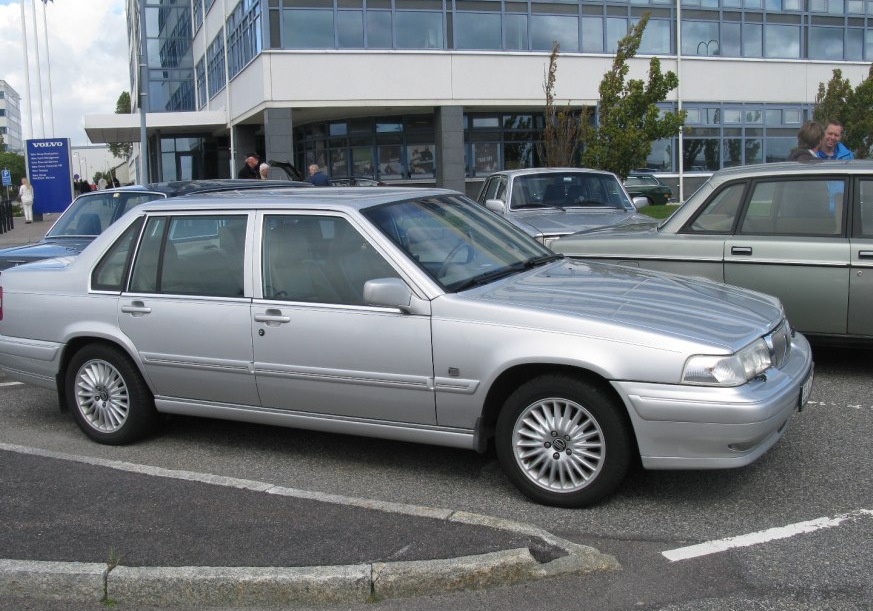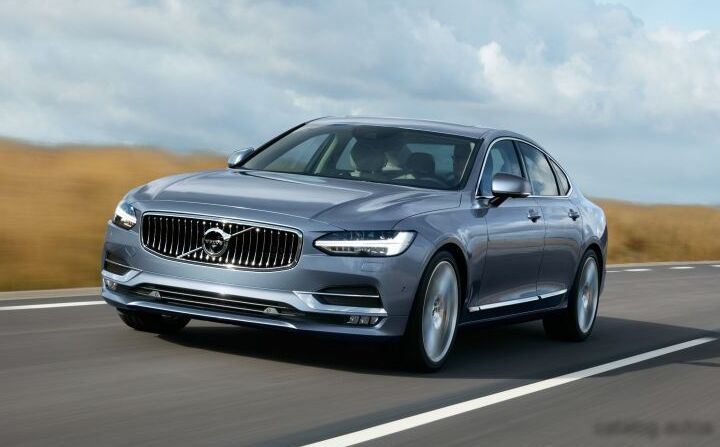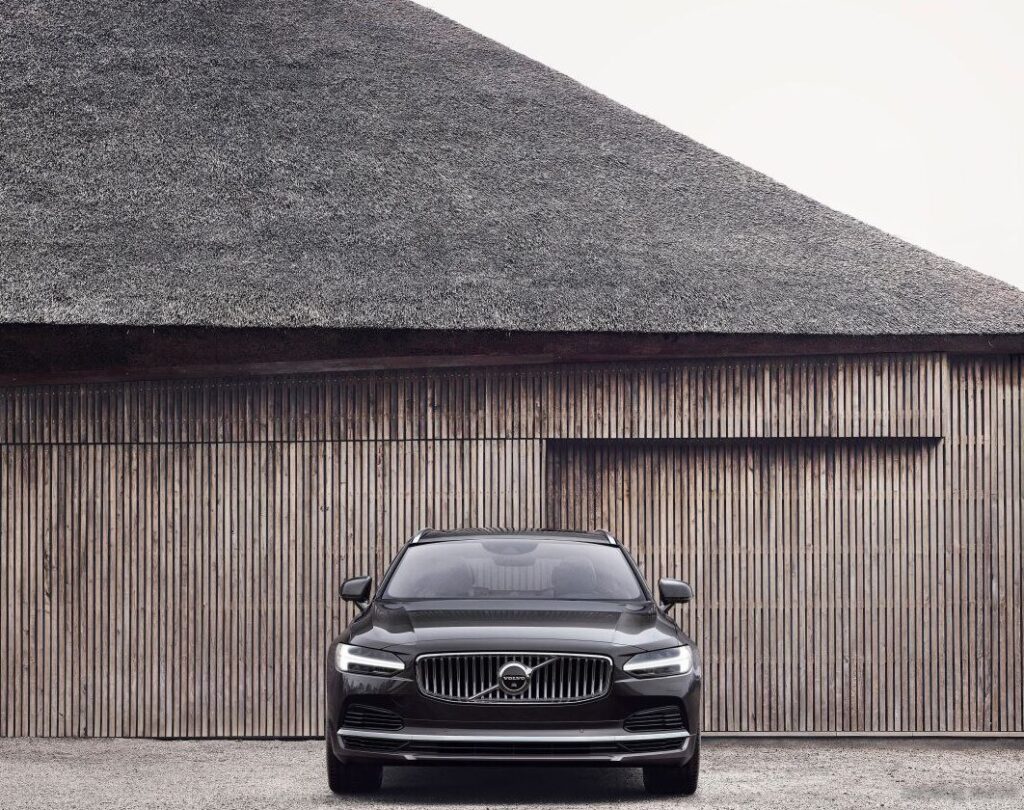
The Volvo S90, specifically the 2.0 D4 (190 hp) Automatic variant, represents a mid-range offering within the second generation of Volvo’s flagship sedan, introduced with the 2020 facelift. Positioned between the base-level diesel and the more powerful petrol and plug-in hybrid options, this configuration aimed to balance fuel efficiency, reasonable performance, and a comfortable driving experience. Production of this specific variant ran throughout the 2020 model year, built on the Scalable Product Architecture (SPA) platform also underpinning the XC60 and XC90 SUVs. The facelift brought updated styling, enhanced technology, and refinements to the powertrain, making it a significant iteration of the S90.
Powertrain & Engine Architecture
The heart of the S90 D4 Automatic is Volvo’s D4204T14 2.0-liter inline-four cylinder diesel engine. This engine is a turbocharged diesel, utilizing common-rail direct fuel injection and a sophisticated twin-turbocharger system. The first turbocharger is a low-inertia unit designed to minimize turbo lag and provide responsive acceleration at lower engine speeds. The second, larger turbocharger contributes to increased power output at higher RPMs. The engine boasts a high compression ratio of 15.8:1, contributing to its thermal efficiency. The engine produces 190 horsepower at 4250 rpm and 400 Nm (295 lb-ft) of torque between 1740 and 2520 rpm.
The engine features a double overhead camshaft (DOHC) valvetrain with four valves per cylinder. Volvo’s engineers focused on reducing internal friction and optimizing combustion to maximize fuel economy and minimize emissions. The engine is paired with an 8-speed automatic transmission, branded as “Geartronic.” This transmission is a torque-converter automatic, known for its smooth shifting characteristics and responsiveness. The transmission is electronically controlled, adapting shift points based on driving conditions and driver input. The D4 Automatic also incorporates a Start/Stop system to further improve fuel efficiency in urban driving.
Fuel Injection and Emissions
The diesel commonrail fuel injection system operates at extremely high pressures, ensuring precise fuel delivery and optimal combustion. The S90 D4 Automatic is equipped with a diesel particulate filter (DPF) to reduce particulate matter emissions, complying with stringent Euro 6d-TEMP emission standards. The vehicle also utilizes an AdBlue system (Selective Catalytic Reduction) to reduce NOx emissions, requiring periodic refills of AdBlue fluid.
Driving Characteristics
The S90 D4 Automatic delivers a comfortable and refined driving experience. While not overtly sporty, the 190 hp engine and 8-speed transmission provide adequate performance for everyday driving and highway cruising. Acceleration from 0 to 100 km/h (0-62 mph) takes approximately 8.2 seconds, and 0-60 mph is achieved in around 7.8 seconds. The twin-turbocharger setup minimizes turbo lag, providing a relatively linear power delivery. The automatic transmission shifts smoothly and efficiently, contributing to a relaxed driving experience.
Compared to the higher-output petrol versions of the S90, the D4 Automatic offers less outright acceleration. However, it excels in fuel economy and provides a broader, more usable torque curve. The manual transmission versions of the D4 offered a slightly more engaging driving experience, but the automatic prioritizes convenience and comfort. The front-wheel-drive configuration provides predictable handling, although it lacks the all-weather capability of the available all-wheel-drive systems on other S90 trims.
Equipment & Trim Levels
The S90 D4 Automatic typically came well-equipped, reflecting Volvo’s emphasis on safety and luxury. Standard features generally included leather upholstery, power-adjustable front seats with memory function, a 9-inch touchscreen infotainment system with Apple CarPlay and Android Auto compatibility, a digital instrument cluster, and a comprehensive suite of safety features such as City Safety (automatic emergency braking), Lane Keeping Assist, and Blind Spot Information System.
Optional extras included a premium Bowers & Wilkins audio system, a panoramic sunroof, ventilated front seats, adaptive cruise control with Pilot Assist (semi-autonomous driving capability), and a head-up display. Trim levels varied by market, but generally offered increasing levels of luxury and technology. Interior color schemes typically included options for charcoal, beige, and brown leather. Dashboard trim could be specified in wood, metal mesh, or carbon fiber.
Chassis & Braking
The S90 D4 Automatic utilizes a double wishbone front suspension and a transverse stabilizer bar to provide a comfortable and controlled ride. The rear suspension features a transverse stabilizer and leaf springs. The suspension is tuned to prioritize comfort over outright sportiness, absorbing bumps and imperfections in the road surface effectively.
Braking duties are handled by disc brakes on all four wheels, with front discs measuring 322 mm and rear discs measuring 320 mm. The braking system is equipped with ABS (Anti-lock Braking System) and electronic brake-force distribution. Electric power steering provides light and precise steering feel. Wheel sizes ranged from 17 to 21 inches, depending on the trim level.
Market Reception & Comparison
The S90 D4 Automatic was generally well-received by automotive critics. It was praised for its comfortable ride, refined interior, and fuel efficiency. Critics noted that the engine, while adequate, wasn’t particularly exciting, and some found the front-wheel-drive configuration less engaging than the all-wheel-drive options.
Compared to its siblings, the D4 Automatic offered a compelling value proposition for buyers prioritizing fuel economy and comfort. The petrol versions of the S90 provided more power but at the expense of fuel efficiency. The plug-in hybrid models offered the best of both worlds, but came with a significantly higher price tag. In terms of reliability, the D4 engine proved to be generally robust, although owners should be mindful of maintaining the DPF and AdBlue systems. Fuel consumption figures ranged from 5.6 to 6.5 l/100 km (42-36.2 US mpg) combined, depending on driving conditions.
Technical Specifications
| Brand | Volvo |
| Model | S90 |
| Generation | S90 (facelift 2020) |
| Type | 2.0 D4 (190 Hp) Automatic |
| Start of production | 2020 |
| End of production | 2020 |
| Powertrain Architecture | Internal Combustion engine |
| Body type | Sedan |
| Seats | 5 |
| Doors | 4 |
| Fuel consumption at Low speed (WLTP) | 7.3-7.9 l/100 km (32.2 – 29.8 US mpg) |
| Fuel consumption at Medium speed (WLTP) | 5.8-6.7 l/100 km (40.6 – 35.1 US mpg) |
| Fuel consumption at high speed (WLTP) | 4.9-5.6 l/100 km (48 – 42 US mpg) |
| Fuel consumption at very high speed (WLTP) | 5.5-6.7 l/100 km (42.8 – 35.1 US mpg) |
| Combined fuel consumption (WLTP) | 5.6-6.5 l/100 km (42 – 36.2 US mpg) |
| CO2 emissions (WLTP) | 147-171 g/km |
| Fuel Type | Diesel |
| Acceleration 0 – 100 km/h | 8.2 sec |
| Acceleration 0 – 62 mph | 8.2 sec |
| Acceleration 0 – 60 mph | 7.8 sec |
| Maximum speed | 180 km/h (111.85 mph) |
| Power | 190 Hp @ 4250 rpm |
| Torque | 400 Nm @ 1740-2520 rpm (295.02 lb.-ft. @ 1740-2520 rpm) |
| Engine displacement | 1969 cm3 (120.16 cu. in.) |
| Number of cylinders | 4 |
| Fuel injection system | Diesel Commonrail |
| Engine aspiration | Twin-Turbo, Intercooler |
| Trunk (boot) space | 461 l (16.28 cu. ft.) |
| Fuel tank capacity | 55 l (14.53 US gal) |
| Number of gears | 8 |
| Gearbox type | automatic transmission Geartronic |
Legacy
The Volvo S90 D4 Automatic, while a relatively short-lived variant due to the increasing focus on electrification, remains a popular choice in the used car market. The D4 engine has proven to be reasonably reliable, provided it has been properly maintained, with regular servicing of the DPF and AdBlue systems. Its combination of fuel efficiency, comfort, and a well-appointed interior continues to appeal to buyers seeking a luxurious and practical sedan. As with any diesel vehicle, potential buyers should be aware of the potential for DPF issues and ensure a thorough inspection before purchase.