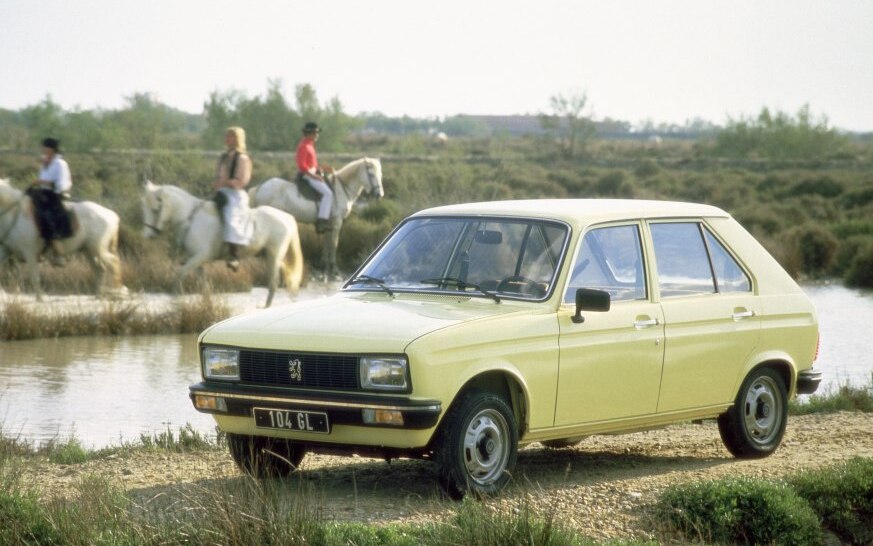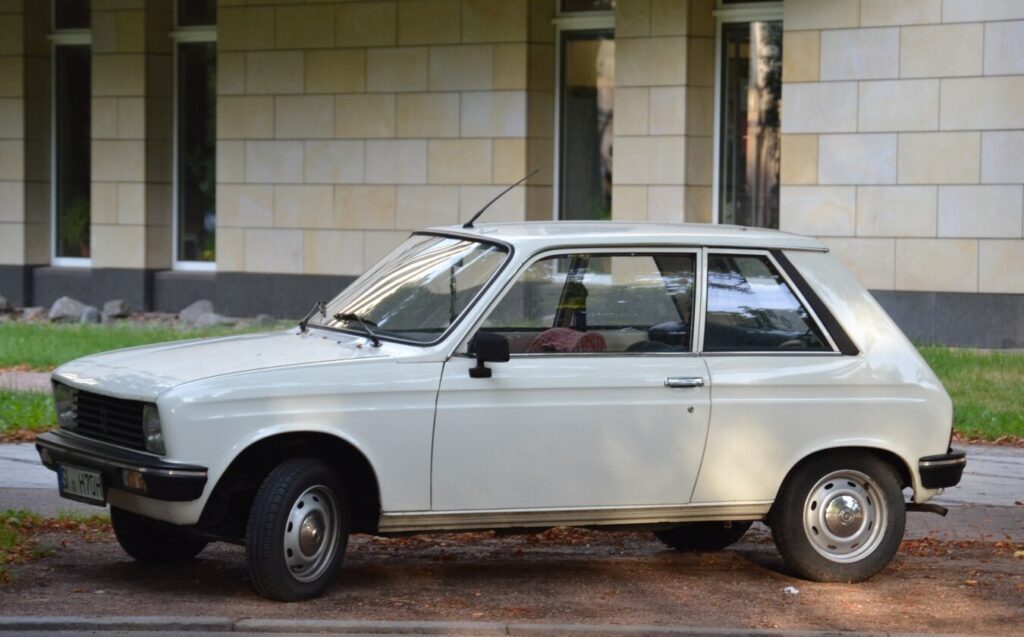
The Peugeot 104 Coupe 1.1, producing 57 horsepower, was a compact coupe produced between 1979 and 1983. It represented a more stylish and sporting variant of the popular Peugeot 104, which itself was built on the foundations of the earlier 204 model. The 104 range, and specifically the Coupe, aimed to provide affordable, economical transportation with a touch of French flair. The 104 Coupe 1.1 occupied the entry-level position within the Coupe lineup, offering a more accessible price point compared to the later 1.6-liter versions. It was designed to appeal to buyers seeking a small, practical, and relatively inexpensive coupe, often as a second car or for younger drivers.
Peugeot 104 Coupe 1.1: An Overview
The Peugeot 104 Coupe was a two-door coupe based on the 104 saloon (sedan). Introduced in 1979, it featured a more streamlined and sporty design than its four-door counterpart, with a lower roofline and a more aggressive front end. The 1.1-liter engine variant was the initial offering, providing a balance between fuel economy and acceptable performance for its intended market. The Coupe aimed to broaden the 104’s appeal beyond purely practical considerations, offering a more emotionally engaging driving experience.
Powertrain & Engine Architecture
The heart of the 104 Coupe 1.1 was the Peugeot 109 XW3 engine, a 1,124 cc (1.1 L) inline-four cylinder petrol (gasoline) engine. This engine was a naturally aspirated unit, meaning it did not employ a turbocharger or supercharger. It featured a single overhead camshaft (SOHC) valvetrain, operating two valves per cylinder. The engine utilized a Solex carburetor for fuel delivery, a common setup for vehicles of this era. The XW3 engine was known for its simplicity and relative reliability, although it wasn’t a powerhouse in terms of output.
The engine produced 57 horsepower (42 kW) at 6,000 rpm and 68 lb-ft (92 Nm) of torque at 4,000 rpm. This power was transmitted to the front wheels through a four-speed manual transmission. An automatic transmission was not offered with the 1.1-liter engine; it was reserved for the more powerful 1.6-liter variants. The engine block was constructed from cast iron, while the cylinder head was made of aluminum alloy. The compression ratio was 8.5:1. The engine’s design prioritized fuel efficiency and low emissions, reflecting the automotive trends of the late 1970s and early 1980s.
Driving Characteristics
The Peugeot 104 Coupe 1.1, with its modest 57 horsepower, was not designed for rapid acceleration. Performance was best described as adequate for urban and suburban driving. Acceleration from 0 to 60 mph (0 to 97 km/h) took approximately 14-15 seconds, and the top speed was around 90 mph (145 km/h). The four-speed manual transmission required frequent shifting to maintain momentum, particularly when overtaking or climbing hills. However, the gearbox was generally light and easy to operate.
The 104 Coupe’s relatively light weight (around 1,700 lbs or 770 kg) helped to mitigate the lack of outright power. The steering was light and precise, making the car enjoyable to drive on winding roads. The suspension, consisting of independent front suspension with torsion bars and a trailing arm rear suspension, provided a comfortable ride, although it could become somewhat unsettled on rough surfaces. Compared to the later 1.6-liter versions, the 1.1-liter Coupe felt noticeably slower, but it offered better fuel economy and a more forgiving driving experience for less experienced drivers.
Equipment & Trim Levels
The 104 Coupe 1.1 was typically equipped with basic, but functional, features. Standard equipment included cloth upholstery, a basic instrument panel with speedometer, fuel gauge, and temperature gauge, and manually operated windows and door locks. The interior was relatively spartan, reflecting the car’s affordable price point. The seats were generally comfortable, although they lacked extensive bolstering.
Optional extras included a sunroof, upgraded upholstery, a radio, and heated rear window. The exterior trim was relatively simple, with black plastic bumpers and chrome detailing. The 104 Coupe 1.1 was available in a range of solid and metallic paint colors. The trim level was largely standardized, with limited options for customization. The focus was on providing a well-equipped, but affordable, coupe for the mass market.
Chassis & Braking
The Peugeot 104 Coupe 1.1 utilized a monocoque chassis construction, providing a good balance between strength and weight. The front suspension featured independent torsion bar springs and telescopic dampers, while the rear suspension employed trailing arms with coil springs and telescopic dampers. The steering was a rack and pinion system, providing precise and responsive handling.
The braking system consisted of disc brakes on the front wheels and drum brakes on the rear wheels. This configuration was typical for cars in this price range during the late 1970s and early 1980s. The brakes were adequate for normal driving conditions, but they lacked the stopping power of more modern systems. The 104 Coupe 1.1 did not feature anti-lock brakes (ABS) or other advanced safety features.
Market Reception & Comparison
The Peugeot 104 Coupe 1.1 was generally well-received by automotive critics as an affordable and stylish coupe. It was praised for its fuel economy, handling, and comfortable ride. However, it was also criticized for its lack of power and its somewhat basic interior. Compared to other coupes in its class, such as the Renault 5 Gordini or the Fiat 128 Coupe, the 104 Coupe 1.1 offered a more refined driving experience, but it lacked the outright performance of some of its rivals.
The 1.6-liter version of the 104 Coupe offered significantly more power and performance, but it came at a higher price. The 1.1-liter version appealed to buyers who prioritized fuel economy and affordability over outright speed. Fuel economy was a key selling point, with the 1.1-liter engine achieving around 40-45 mpg (5.9-6.5 L/100km) in mixed driving conditions. Reliability was generally good, although the carburetor required periodic adjustment and maintenance.
Technical Specifications
| Body Type | Coupe |
| Engine Type | Inline-Four Cylinder Petrol (Gasoline) |
| Engine Code | 109 XW3 |
| Engine Displacement | 1,124 cc (1.1 L) |
| Power Output | 57 hp (42 kW) @ 6,000 rpm |
| Torque Output | 68 lb-ft (92 Nm) @ 4,000 rpm |
| Fuel System | Solex Carburetor |
| Valvetrain | SOHC, 2 Valves per Cylinder |
| Compression Ratio | 8.5:1 |
| Transmission | 4-Speed Manual |
| Drivetrain | Front-Wheel Drive |
| Brakes (Front) | Disc |
| Brakes (Rear) | Drum |
| Weight | Approx. 1,700 lbs (770 kg) |
| Top Speed | Approx. 90 mph (145 km/h) |
| 0-60 mph | Approx. 14-15 seconds |
Legacy
The Peugeot 104 Coupe 1.1, while not a performance icon, holds a nostalgic place in the hearts of many car enthusiasts. Its simple design, fuel efficiency, and affordable price made it a popular choice for first-time car buyers and those seeking a practical and stylish coupe. Today, surviving examples are relatively rare and are sought after by collectors and enthusiasts. The 109 XW3 engine, while not particularly powerful, proved to be reasonably reliable, and many examples are still running today with proper maintenance.
The 104 Coupe 1.1’s legacy lies in its contribution to the affordable coupe market of the late 1970s and early 1980s. It demonstrated that a stylish and enjoyable driving experience could be achieved without breaking the bank. While it may not be remembered for its blistering performance, it remains a charming and endearing example of French automotive engineering.