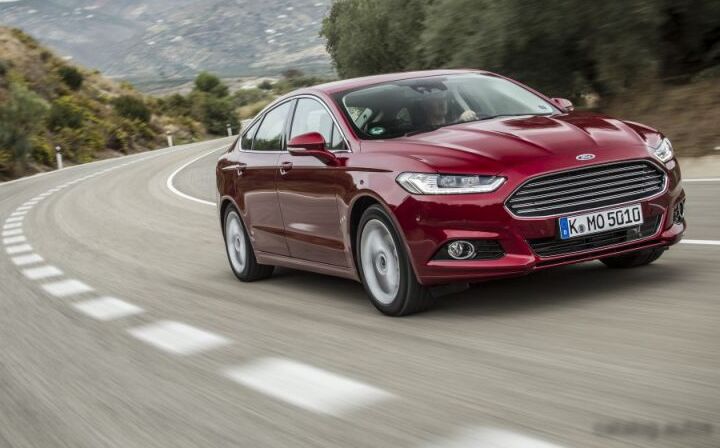
The Ford Mondeo IV Hatchback 2.0 TDCi (150 hp) PowerShift, produced between 2014 and 2018, represented a significant offering in the mid-size family car segment. This variant occupied a middle ground within the fourth-generation Mondeo (Mk4) lineup, positioned above the lower-powered diesel options and below the more potent gasoline engines. Built on the Ford C/D platform (internally designated as the 1HX0 for the hatchback), the 2.0 TDCi PowerShift aimed to balance fuel efficiency, respectable performance, and modern technology for the everyday driver.
Powertrain & Engine Architecture
At the heart of the Mondeo 2.0 TDCi PowerShift lies the Ford T7CE engine, a 1.997-liter (121.86 cubic inches) inline-four cylinder diesel engine. This engine is a member of Ford’s Duratorq family, known for its robust construction and relatively straightforward maintenance. The T7CE utilizes a common rail direct fuel injection system, operating at a maximum pressure of 1,600 bar, to deliver fuel directly into the combustion chamber. This system, coupled with a variable geometry turbocharger and intercooler, allows for optimized combustion and increased power output. The engine boasts a compression ratio of 16.7:1 and features a double overhead camshaft (DOHC) valvetrain with four valves per cylinder.
The “PowerShift” transmission is a crucial component of this variant. It’s a six-speed dual-clutch transmission (DCT), essentially two manual transmissions within one housing, controlled by a sophisticated Transmission Control Module (TCM). This design allows for quick, seamless gear changes and contributes to improved fuel economy compared to a traditional automatic transmission. The PowerShift utilizes a wet clutch design, immersed in oil for cooling and lubrication. The transmission’s gear ratios are tuned to provide a balance between acceleration and fuel efficiency, with a final drive ratio typically around 3.53:1.
Engine Specifications
The T7CE engine in this configuration produces 150 horsepower (hp) at 3,500 rpm and 350 Newton-meters (258.15 lb-ft) of torque between 2,000 and 2,500 rpm. This torque output is a key characteristic of the engine, providing strong pulling power for everyday driving and overtaking maneuvers. The engine is compliant with Euro 6 emissions standards, incorporating a diesel particulate filter (DPF) to reduce harmful emissions.
Driving Characteristics
The Mondeo 2.0 TDCi PowerShift delivers a comfortable and refined driving experience. The PowerShift transmission provides smooth and quick gear changes, particularly during moderate acceleration. While not as overtly sporty as the manual transmission versions or the higher-powered gasoline models, the 150 hp diesel offers sufficient power for most driving situations. Acceleration from 0 to 62 mph (0-100 km/h) takes approximately 9.9 seconds, and the car has a top speed of 132.35 mph (213 km/h). The readily available torque makes overtaking at highway speeds relatively effortless.
Compared to the 1.6-liter TDCi variants, the 2.0 TDCi offers a noticeable improvement in performance, particularly in terms of mid-range acceleration. However, it doesn’t match the responsiveness of the 2.0-liter gasoline engines. The PowerShift transmission, while generally smooth, can exhibit some hesitation at low speeds or during stop-start driving, a characteristic sometimes noted in early iterations of the system. The suspension tuning prioritizes comfort, resulting in a compliant ride quality, although it may exhibit some body roll during spirited cornering.
Equipment & Trim Levels
The 2.0 TDCi PowerShift was typically offered in mid-range trim levels, such as Zetec and Titanium. Standard equipment generally included air conditioning, alloy wheels, a touchscreen infotainment system with Bluetooth connectivity, and a suite of safety features including ABS, electronic stability control, and multiple airbags. Zetec trims often featured a more utilitarian interior with cloth upholstery, while Titanium models offered upgraded materials, such as partial leather upholstery, and additional features like automatic climate control, rear parking sensors, and a more advanced infotainment system.
Optional extras commonly available for this variant included a panoramic sunroof, heated front seats, a premium sound system, and advanced driver-assistance systems such as adaptive cruise control and lane-keeping assist. The Mondeo IV offered a relatively comprehensive range of customization options, allowing buyers to tailor the car to their specific needs and preferences.
Chassis & Braking
The Mondeo IV Hatchback 2.0 TDCi PowerShift utilizes an independent front suspension system based on a McPherson strut design, coupled with a multi-link independent rear suspension. This setup provides a good balance between ride comfort and handling. A stabilizer bar is fitted to both the front and rear axles to reduce body roll. The braking system consists of ventilated discs on the front wheels and solid discs on the rear wheels. Anti-lock Braking System (ABS) is standard, enhancing braking performance and stability, particularly in emergency situations.
The kerb weight of the 2.0 TDCi PowerShift is approximately 1,581 kg (3,485.51 lbs). The weight distribution is generally well-balanced, contributing to predictable handling characteristics. Tire sizes varied depending on the trim level, ranging from 215/60 R16 to 235/40 R19.
Market Reception & Comparison
The Ford Mondeo IV 2.0 TDCi PowerShift was generally well-received by automotive critics. It was praised for its fuel efficiency, comfortable ride, and spacious interior. The PowerShift transmission was often highlighted as a positive feature, although some reviews noted the occasional hesitation at low speeds. Compared to other mid-size family cars, such as the Volkswagen Passat and Opel/Vauxhall Insignia, the Mondeo offered a competitive package in terms of price, equipment, and driving dynamics.
Fuel economy figures are rated at approximately 4.8 l/100 km (49 US mpg, 58.9 UK mpg) on the combined cycle, and CO2 emissions are rated at 125 g/km. Reliability has been a mixed bag, with some owners reporting issues with the PowerShift transmission, particularly in earlier production years. However, many owners have reported years of trouble-free service. Regular maintenance, including fluid changes for the transmission, is crucial for ensuring long-term reliability.
Technical Specifications
| Brand | Ford |
| Model | Mondeo |
| Generation | Mondeo IV Hatchback |
| Type (Engine) | 2.0 TDCi (150 Hp) PowerShift |
| Start of production | 2014 |
| End of production | 2018 |
| Engine Displacement | 1997 cm3 (121.86 cu. in.) |
| Number of Cylinders | 4 |
| Engine Configuration | Inline |
| Power | 150 Hp @ 3500 rpm |
| Torque | 350 Nm @ 2000-2500 rpm (258.15 lb.-ft.) |
| Fuel Type | Diesel |
| Fuel Consumption (Urban) | 5.3 l/100 km (44.4 US mpg) |
| Fuel Consumption (Extra Urban) | 4.4 l/100 km (53.5 US mpg) |
| Fuel Consumption (Combined) | 4.8 l/100 km (49 US mpg) |
| CO2 Emissions | 125 g/km |
| Acceleration 0-100 km/h | 9.9 sec |
| Maximum Speed | 213 km/h (132.35 mph) |
| Transmission | 6-speed automatic PowerShift |
| Kerb Weight | 1581 kg (3485.51 lbs) |
| Fuel Tank Capacity | 62.5 l (16.51 US gal) |
| Trunk Space (Minimum) | 458 l (16.17 cu. ft.) |
| Trunk Space (Maximum) | 1356 l (47.89 cu. ft.) |
Legacy
The Ford Mondeo IV 2.0 TDCi PowerShift remains a popular choice in the used car market, offering a compelling combination of practicality, fuel efficiency, and affordability. While the PowerShift transmission has been the subject of some concern, many examples have proven to be reliable with proper maintenance. The T7CE engine is generally considered to be durable and relatively easy to maintain. The Mondeo IV, in general, established a strong reputation for its spacious interior, comfortable ride, and well-equipped nature, solidifying its position as a leading contender in the competitive mid-size family car segment. Its blend of features and value continues to appeal to buyers seeking a practical and reliable vehicle.