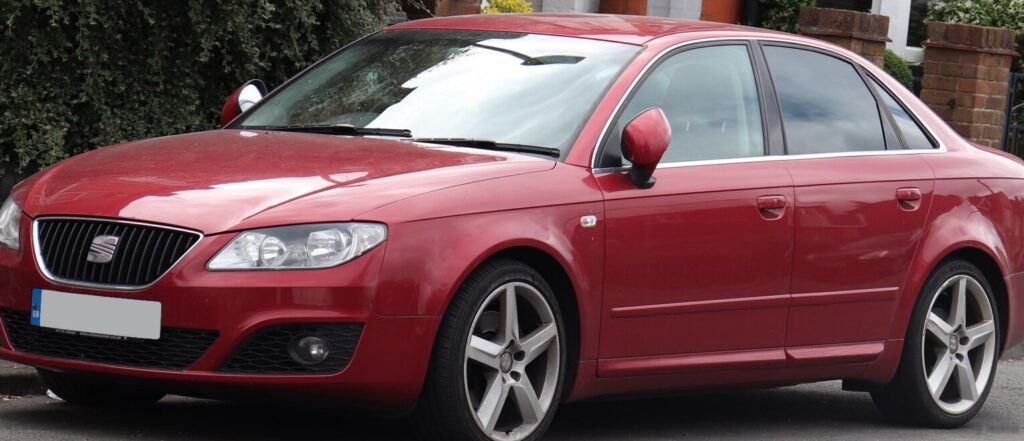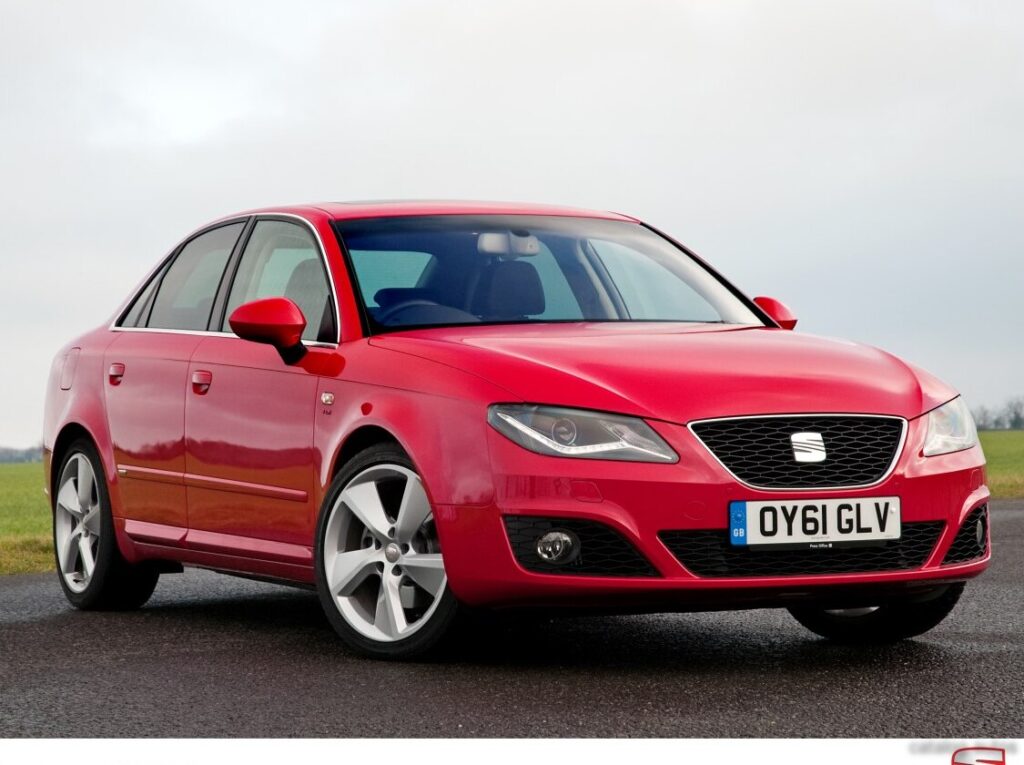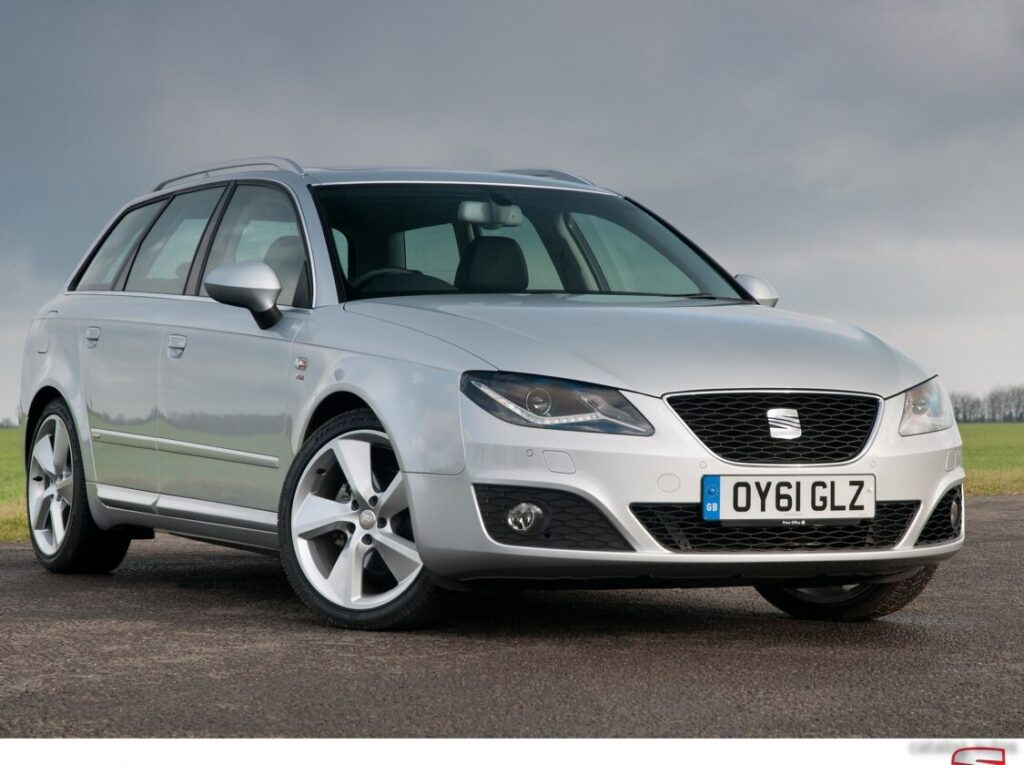
The Seat Exeo ST 2.0 TDI (143 hp) is a five-door, five-seat station wagon (estate) produced by the Spanish automobile manufacturer Seat between September 2011 and May 2013. This variant represents a mid-range offering within the Exeo ST facelift range, positioned above the lower-powered diesel options and below the more potent petrol variants. The Exeo ST, and the Exeo sedan before it, were significant for Seat as they represented the brand’s first foray into the executive car segment, built upon the Volkswagen Group’s B7 (1HX0/A3) platform shared with the Audi A4 and Volkswagen Passat of the same era. The facelift introduced in 2011 brought styling updates and refinements to both the exterior and interior, enhancing the Exeo’s appeal.
Powertrain & Engine Architecture
The Exeo ST 2.0 TDI (143 hp) is powered by the EA189 series of diesel engines, specifically the CJCA engine code. This is a 1.968-liter (120.09 cubic inches) inline-four cylinder engine. The engine utilizes a common rail direct fuel injection system, delivering fuel at extremely high pressure for optimized combustion. A turbocharger with an intercooler is employed to increase power output and efficiency. The engine features a Double Overhead Camshaft (DOHC) valvetrain with four valves per cylinder, contributing to its relatively high specific output. The compression ratio is a high 16.5:1, typical for diesel engines, maximizing thermal efficiency. The engine is longitudinally mounted in the front of the vehicle, driving the front wheels.
Fuel Injection and Turbocharging
The CJCA engine’s common rail system allows for precise control over fuel delivery, improving both performance and reducing emissions. The turbocharger, coupled with the intercooler, forces more air into the cylinders, increasing power. The intercooler cools the compressed air, further enhancing density and combustion efficiency. The engine’s electronic engine management system carefully controls fuel injection timing and turbocharger boost pressure to optimize performance across the rev range.
Driving Characteristics
The 2.0 TDI (143 hp) Exeo ST offers a balance between performance and fuel economy. While not as overtly sporty as some of its petrol-powered siblings, it provides ample torque for comfortable cruising and overtaking. The engine produces 320 Nm (236.02 lb-ft) of torque between 1750 and 2500 rpm, providing strong pulling power in everyday driving situations. Acceleration from 0 to 100 km/h (0-62 mph) takes 9.6 seconds. The engine feels responsive at lower speeds, making it well-suited for urban driving. Compared to the lower-powered 1.6 TDI variants, the 2.0 TDI offers noticeably improved acceleration and overall refinement. However, it lacks the outright punch of the higher-output petrol engines. The engine’s power delivery is linear and predictable, making it easy to control.
Equipment & Trim Levels
The Exeo ST 2.0 TDI (143 hp) typically came equipped with a reasonable level of standard equipment. This included air conditioning, electric front windows, central locking, and an audio system with MP3 compatibility. Safety features such as ABS (Anti-lock Braking System) and front airbags were standard. Higher trim levels, such as Sport or Stylance, added features like alloy wheels, automatic climate control, rear parking sensors, and upgraded interior upholstery. Optional extras included a navigation system, leather seats, and a panoramic sunroof. Interior upholstery was typically cloth on the base models, with leather options available on higher trims. The dashboard layout was functional and well-designed, reflecting the Exeo’s executive car aspirations.
Chassis & Braking
The Exeo ST’s chassis is based on the Volkswagen Group’s B7 platform, providing a solid and stable driving experience. The front suspension utilizes an independent multi-link setup with a transverse stabilizer bar, while the rear suspension employs an independent trapezoidal lever arrangement, also with a stabilizer bar. This configuration provides a good balance between ride comfort and handling. The Exeo ST 2.0 TDI (143 hp) typically featured ventilated discs on the front wheels (288×25 mm) and solid discs on the rear wheels (245×10 mm). Hydraulic power steering provided precise and responsive steering feel. The car’s weight of approximately 1490 kg (3284.89 lbs) is well-managed by the suspension and braking systems.
Market Reception & Comparison
The Seat Exeo ST 2.0 TDI (143 hp) was generally well-received by automotive critics. It was praised for its comfortable ride, spacious interior, and competitive fuel economy. Fuel consumption figures were rated at 5.0 l/100 km (47 US mpg) combined, with 6.5 l/100 km (36.2 US mpg) in urban conditions and 4.2 l/100 km (56 US mpg) on the extra-urban cycle. Compared to the lower-powered 1.6 TDI Exeo ST, the 2.0 TDI offered a significant improvement in performance, making it a more appealing option for drivers who frequently undertake long journeys or carry passengers. However, it was often criticized for lacking the brand prestige of its Audi and Volkswagen counterparts, despite sharing the same underlying technology. Reliability was generally good, although some owners reported issues with the diesel particulate filter (DPF) system, a common concern with modern diesel engines.
Technical Specifications
| Brand | Seat |
| Model | Exeo ST |
| Generation | Exeo ST (facelift 2011) |
| Type (Engine) | 2.0 TDI (143 Hp) |
| Start of production | September, 2011 |
| End of production | May, 2013 |
| Fuel consumption (urban) | 6.5 l/100 km (36.2 US mpg) |
| Fuel consumption (extra urban) | 4.2 l/100 km (56 US mpg) |
| Fuel consumption (combined) | 5 l/100 km (47 US mpg) |
| CO2 emissions | 132 g/km |
| Fuel Type | Diesel |
| Acceleration 0 – 100 km/h | 9.6 sec |
| Acceleration 0 – 62 mph | 9.6 sec |
| Acceleration 0 – 60 mph | 9.1 sec |
| Maximum speed | 209 km/h (129.87 mph) |
| Emission standard | Euro 5 |
| Power | 143 Hp @ 4200 rpm |
| Torque | 320 Nm @ 1750-2500 rpm (236.02 lb.-ft.) |
| Engine layout | Front, Longitudinal |
| Engine Model/Code | EA189 / CJCA |
| Engine displacement | 1968 cm3 (120.09 cu. in.) |
| Number of cylinders | 4 |
| Engine configuration | Inline |
| Cylinder Bore | 81 mm (3.19 in.) |
| Piston Stroke | 95.5 mm (3.76 in.) |
| Compression ratio | 16.5:1 |
| Kerb Weight | 1490 kg (3284.89 lbs.) |
| Max. weight | 2050 kg (4519.48 lbs.) |
| Trunk (boot) space – minimum | 422 l (14.9 cu. ft.) |
| Trunk (boot) space – maximum | 1354 l (47.82 cu. ft.) |
| Fuel tank capacity | 70 l (18.49 US gal) |
Legacy
The Seat Exeo ST, including the 2.0 TDI (143 hp) variant, represents a unique chapter in Seat’s history. While production was relatively short-lived, the Exeo ST offered a compelling alternative to more established executive cars. The EA189 engine, while prone to some issues like DPF clogging, is generally considered robust and reliable when properly maintained. On the used car market, Exeo STs are often available at attractive prices, making them a potentially good value proposition for buyers seeking a spacious and comfortable station wagon. However, prospective buyers should be aware of the potential for DPF issues and ensure that the vehicle has been regularly serviced. The Exeo ST remains a relatively uncommon sight on the roads today, but it is remembered as a well-engineered and surprisingly capable car.