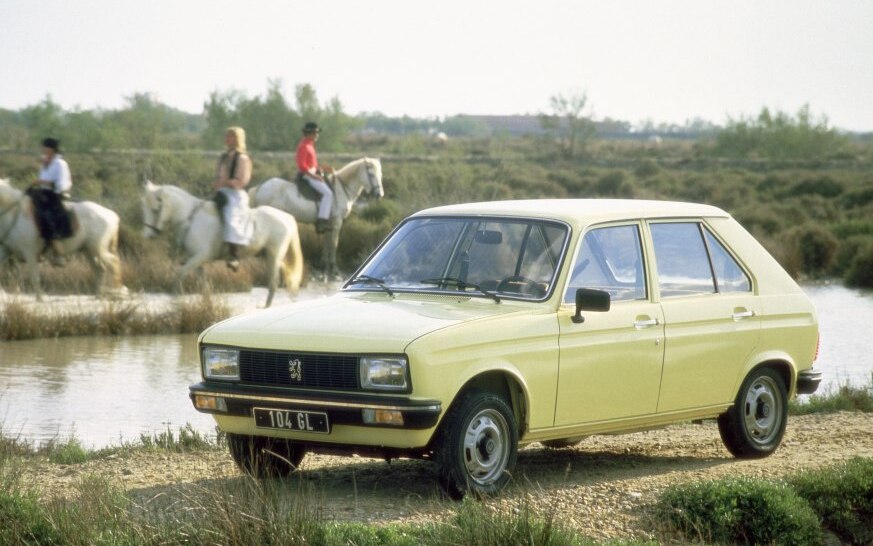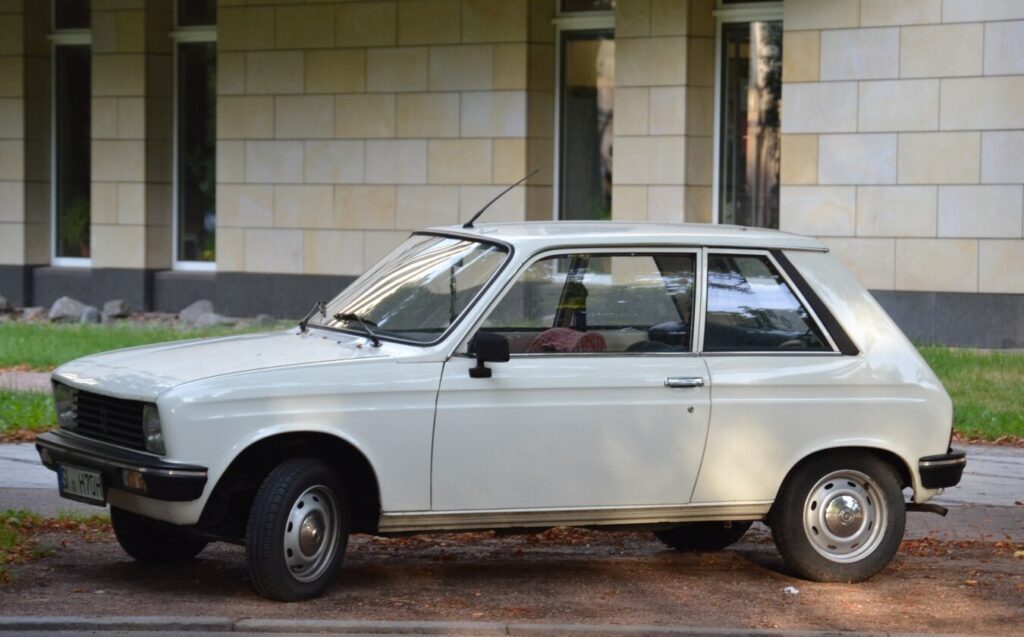
The Peugeot 104 Coupe 1.1, producing 67 horsepower, was a stylish and economical coupe produced between 1975 and 1980. It represented a more sporting and refined alternative to the standard Peugeot 104 saloon (sedan), capitalizing on the growing demand for compact, fuel-efficient vehicles in the mid-1970s. The 104 Coupe, based on the 104 platform, offered a distinctive silhouette thanks to its two-door configuration and lower roofline. This variant, with its 1.1-liter engine and typically a four-speed manual transmission (though a semi-automatic option was available), occupied the entry-level position within the 104 Coupe range, appealing to buyers seeking affordable personal transportation with a touch of flair. It was part of the broader Peugeot 104 family, which was a significant model for the company, representing a move towards smaller, more modern vehicles.
Peugeot 104 Coupe 1.1: An Overview
The 104 Coupe was designed to broaden the appeal of the 104 range, offering a more visually appealing and driver-focused option. While the standard 104 was primarily a practical family car, the Coupe aimed for a younger, more style-conscious audience. The 1.1-liter engine variant was the base model, providing a balance between affordability and acceptable performance for its intended market. Production spanned from 1975 to 1980, with minor revisions occurring throughout the production run, primarily focused on cosmetic updates and improvements to interior trim. The Coupe’s design, penned by Pininfarina, was a key selling point, setting it apart from many of its contemporaries.
Powertrain & Engine Architecture
The heart of the Peugeot 104 Coupe 1.1 was the 121 XW3S engine, a 1,124 cc (1.1 L) inline-four cylinder petrol (gasoline) engine. This engine was a naturally aspirated unit, meaning it did not employ a turbocharger or supercharger. It featured a single overhead camshaft (SOHC) valvetrain, operating two valves per cylinder. The engine utilized a Solex carburetor for fuel delivery, a common setup for vehicles of this era. The XW3S engine was known for its simplicity and relative reliability, although it wasn’t a powerhouse in terms of output. The engine’s block was cast iron, while the cylinder head was aluminum, contributing to a reasonable weight for its size.
While a four-speed manual transmission was the most common pairing for the 1.1-liter engine, Peugeot also offered a semi-automatic transmission option, known as a “Durabak.” This system used an electromagnetic clutch and a conventional gear selector, offering a degree of automation without the complexity of a fully automatic gearbox. The Durabak was popular with drivers seeking ease of use, particularly in urban environments, but it did slightly reduce performance and fuel economy compared to the manual version. The transmission was front-wheel drive, as was standard for the 104 range.
Driving Characteristics
The 104 Coupe 1.1, with its 67 horsepower and approximately 68 lb-ft of torque, wasn’t designed for blistering acceleration. Performance was adequate for everyday driving, but overtaking maneuvers required careful planning. The 0-60 mph time was estimated to be around 14-16 seconds, and the top speed was approximately 90 mph. The four-speed manual transmission offered a reasonable spread of gears, allowing the engine to operate efficiently at cruising speeds. The Durabak semi-automatic transmission, while convenient, resulted in slightly slower acceleration due to inherent losses in the electromagnetic clutch system.
The Coupe’s relatively light weight (around 1,700 lbs) helped to mitigate the lack of outright power. Handling was generally considered good for a vehicle of its class, with a responsive steering feel and a stable chassis. The suspension, consisting of independent front suspension with torsion bars and a trailing arm rear suspension, provided a comfortable ride, although it could become somewhat unsettled on rough surfaces. The overall driving experience was characterized by its ease of use and nimble handling, making it a pleasant car to drive around town.
Equipment & Trim Levels
The 104 Coupe 1.1 was typically equipped with basic, but functional, features. Standard equipment included cloth upholstery, a basic instrument panel with speedometer and fuel gauge, and manually operated windows and door locks. The interior was relatively spartan, reflecting the car’s affordable price point. However, the Coupe’s design offered a more stylish and comfortable cabin compared to the standard 104 saloon. Optional extras included a sunroof, upgraded upholstery, a radio, and a heated rear window. Higher trim levels, often denoted by additional badging, offered more luxurious features, such as upgraded interior trim and additional chrome exterior accents.
The dashboard layout was simple and functional, with all essential controls within easy reach of the driver. The seats were generally comfortable, providing adequate support for short to medium-distance journeys. The Coupe’s interior space was limited, particularly in the rear seats, reflecting its compact dimensions. However, the generous glass area provided good visibility for the driver.
Chassis & Braking
The Peugeot 104 Coupe utilized a monocoque chassis construction, providing a good balance between strength and weight. The front suspension featured independent torsion bar springs, while the rear suspension employed trailing arms with coil springs. This setup provided a comfortable ride and reasonable handling characteristics. The steering was rack and pinion, offering precise and responsive control.
Braking on the 104 Coupe 1.1 typically consisted of disc brakes on the front wheels and drum brakes on the rear wheels. This configuration was common for vehicles in this price range during the 1970s. The brakes were generally adequate for normal driving conditions, but they lacked the stopping power of more modern braking systems. A brake booster was included to assist with braking effort. Stabilizer bars were fitted to both the front and rear axles to reduce body roll during cornering.
Market Reception & Comparison
The Peugeot 104 Coupe 1.1 was generally well-received by critics and buyers alike. It was praised for its stylish design, fuel efficiency, and affordable price. However, some critics noted its lack of outright performance and its somewhat basic interior. Compared to other coupes in its class, such as the Renault 8 Coupe and the Fiat 128 Coupe, the 104 Coupe offered a more refined driving experience and a more distinctive design. The 1.1-liter engine provided reasonable fuel economy, typically around 35-40 mpg, making it an attractive option for budget-conscious buyers.
Compared to the higher-powered 104 Coupe variants (such as those equipped with the 1.6-liter engine), the 1.1-liter model offered a more economical and accessible entry point into the Coupe range. While the 1.6-liter models provided significantly more performance, they also came with a higher price tag and increased running costs. The 1.1-liter version appealed to buyers who prioritized fuel efficiency and affordability over outright speed.
Technical Specifications
| Engine Type | 1.1 L Inline-4 Cylinder Petrol |
| Engine Code | 121 XW3S |
| Displacement | 1,124 cc (68.5 cu in) |
| Horsepower | 67 hp @ 6,000 rpm |
| Torque | 68 lb-ft @ 4,000 rpm |
| Fuel System | Solex Carburetor |
| Transmission | 4-Speed Manual or Durabak Semi-Automatic |
| Drivetrain | Front-Wheel Drive |
| Brakes (Front) | Disc |
| Brakes (Rear) | Drum |
| Weight | Approx. 1,700 lbs (771 kg) |
| Top Speed | Approx. 90 mph (145 km/h) |
| 0-60 mph | 14-16 seconds (estimated) |
Legacy
The Peugeot 104 Coupe 1.1, while not a high-performance vehicle, holds a special place in automotive history as a stylish and affordable coupe that appealed to a wide range of buyers. The 121 XW3S engine, while simple, proved to be relatively reliable, and many examples are still on the road today. In the used car market, the 104 Coupe 1.1 is considered a classic car, attracting enthusiasts who appreciate its retro styling and simple mechanics. Parts availability can be a challenge, but a dedicated community of owners and enthusiasts helps to keep these cars running. The 104 Coupe, in all its variants, represents a significant chapter in Peugeot’s history, demonstrating the company’s ability to produce attractive and affordable vehicles that resonated with the public.