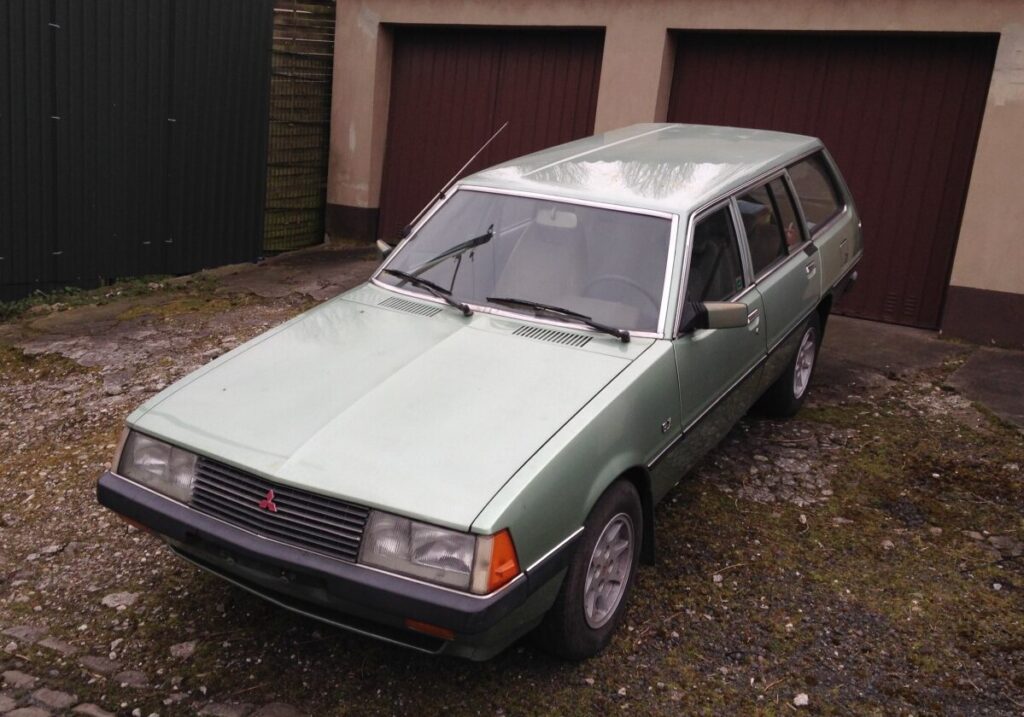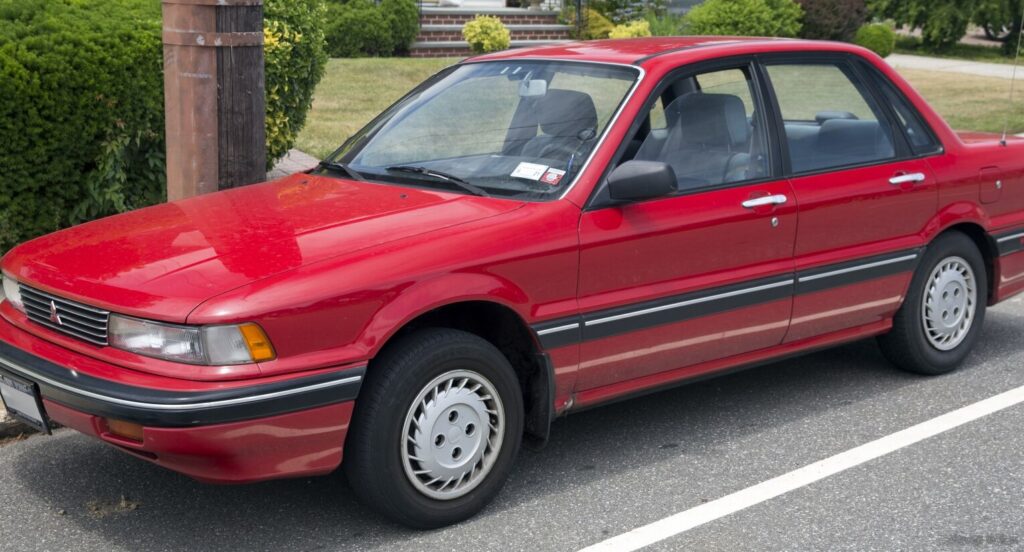
The Mitsubishi Galant VI 2.0 GTI 16V (E33A), produced between 1988 and 1992, represented a significant step forward for Mitsubishi’s mid-size sedan. Part of the sixth generation of the Galant (1988-1992), the E33A chassis code designates this specific variant, characterized by its 2.0-liter 16-valve engine and typically paired with either a five-speed manual or a four-speed automatic transmission. This GTI 16V model occupied a position in the upper-mid-range of the Galant VI lineup, offering a blend of performance and comfort that appealed to buyers seeking a more engaging driving experience than the base models, but without the outright sportiness of potential future iterations. It was positioned below any potential higher-performance trims, focusing on a balance between refinement and spirited driving.
Mitsubishi Galant VI 2.0 GTI 16V: An Overview
The Galant VI, as a whole, was designed to appeal to a broader audience than its predecessors. Mitsubishi aimed for a more modern aesthetic and improved refinement. The E33A 2.0 GTI 16V was a key component of this strategy, offering a more powerful engine option and a sportier character. The sixth-generation Galant saw increased use of aerodynamic styling and a more spacious interior compared to the previous generation. The 16-valve engine was a key selling point, signifying a commitment to performance and modern engine technology. The car was sold in various markets globally, including North America, Europe, and Asia, with slight variations in trim and equipment depending on the region.
Powertrain & Engine Architecture
The heart of the Galant VI 2.0 GTI 16V is the 4G63 engine, a 2.0-liter (1997cc) inline-four cylinder gasoline engine. This engine is notable for its dual overhead camshafts (DOHC) and four valves per cylinder – hence the “16V” designation. The 4G63, in this configuration, produced 144 horsepower (hp) at 6000 rpm and approximately 137 lb-ft of torque at 4500 rpm. Fuel delivery was managed by a multi-point fuel injection system, contributing to improved efficiency and responsiveness compared to earlier carbureted engines. The engine block was cast iron, providing durability, while the cylinder head was aluminum, helping to reduce weight.
The valvetrain utilized hydraulic lifters, reducing the need for frequent valve adjustments. The engine’s compression ratio was typically around 9.0:1, optimized for the fuel quality available in most markets. The 4G63 engine family is renowned for its robustness and tunability, and the Galant VI’s version is no exception. The automatic transmission offered with this variant was a four-speed unit, designed to provide smooth shifts and acceptable acceleration. While not as sporty as a manual transmission, the automatic was favored by buyers prioritizing convenience and ease of driving. The automatic transmission’s gear ratios were tuned for a balance between fuel economy and performance, with a relatively conservative first gear and a taller overdrive fourth gear.
Driving Characteristics
The driving experience in the Galant VI 2.0 GTI 16V with the automatic transmission was characterized by smooth, predictable power delivery. Acceleration from a standstill was adequate, though not particularly brisk, taking approximately 9-10 seconds to reach 60 mph. The automatic transmission, while comfortable, did detract somewhat from the engine’s potential, as it lacked the direct engagement and control offered by a manual gearbox. The engine felt most responsive in the mid-range, providing sufficient power for highway passing and merging. Compared to the manual transmission version of the same engine, the automatic resulted in a slight performance decrease, but offered a more relaxed driving experience.
The suspension was tuned for comfort, providing a relatively soft ride that absorbed bumps and imperfections in the road well. However, this did come at the expense of some handling precision. Body roll was noticeable in corners, and the steering lacked the feedback of more performance-oriented sedans. Overall, the Galant VI 2.0 GTI 16V automatic offered a comfortable and refined driving experience, suitable for daily commuting and long-distance travel. It wasn’t a sports sedan in the truest sense, but it provided a noticeable step up in performance and engagement compared to the base Galant models.
Equipment & Trim Levels
The 2.0 GTI 16V trim level typically included a number of standard features designed to enhance comfort and convenience. These often included power windows, power door locks, and power steering. Air conditioning was also a standard feature in most markets. Interior upholstery was typically cloth, with a sporty pattern. The dashboard featured a comprehensive instrument cluster with gauges for speed, tachometer, fuel level, coolant temperature, and oil pressure. Optional extras available for the GTI 16V included a sunroof, upgraded audio system, and alloy wheels. Some markets also offered leather upholstery as an option.
The exterior styling of the GTI 16V was often distinguished by subtle sporty touches, such as a rear spoiler, body-colored side skirts, and upgraded wheels. The interior trim was generally more refined than the base models, with higher-quality materials and a more attention to detail. The overall impression was one of a well-equipped and comfortable sedan with a sporty flair.
Chassis & Braking
The Galant VI utilized a MacPherson strut front suspension and a multi-link rear suspension. This setup provided a good balance between ride comfort and handling. The front suspension featured coil springs and a stabilizer bar, while the rear suspension also utilized coil springs. The braking system consisted of disc brakes on the front wheels and drum brakes on the rear wheels in many markets. Some higher-spec versions or those sold in certain regions featured disc brakes on all four wheels. The braking system was generally adequate for the car’s weight and performance, but lacked the stopping power of more modern braking systems.
The steering system was a rack-and-pinion setup with power assistance. The steering feel was relatively light, making it easy to maneuver in tight spaces, but lacked the feedback desired by more enthusiastic drivers. The chassis was relatively rigid, contributing to good overall stability. The stabilizer bar thickness was moderate, providing a reasonable level of roll control without compromising ride comfort.
Market Reception & Comparison
The Mitsubishi Galant VI 2.0 GTI 16V was generally well-received by automotive critics. It was praised for its comfortable ride, spacious interior, and relatively powerful engine. However, some critics noted that the handling was not as sharp as some of its competitors, and the automatic transmission detracted from the engine’s potential. Fuel economy was considered average for the class, typically around 22-26 mpg in combined driving. Compared to other trims in the Galant VI lineup, the 2.0 GTI 16V offered a significant performance upgrade over the base models, but at a higher price point. It competed with other mid-size sedans such as the Toyota Camry, Honda Accord, and Nissan Maxima.
In terms of reliability, the Galant VI 2.0 GTI 16V was generally considered to be a reliable car, although the automatic transmission could be prone to issues if not properly maintained. The 4G63 engine was known for its durability and longevity. Overall, the Galant VI 2.0 GTI 16V offered a good value proposition for buyers seeking a comfortable, reliable, and reasonably powerful mid-size sedan.
Technical Specifications
| Engine Type | 2.0L Inline-4, DOHC 16V |
| Engine Code | 4G63 |
| Displacement | 1997 cc (121.8 cu in) |
| Horsepower | 144 hp @ 6000 rpm |
| Torque | 137 lb-ft @ 4500 rpm |
| Fuel System | Multi-point Fuel Injection |
| Compression Ratio | 9.0:1 |
| Transmission | 4-speed Automatic |
| Drivetrain | Front-Wheel Drive |
| Brakes (Front) | Disc |
| Brakes (Rear) | Drum (typically, some markets had disc) |
| Suspension (Front) | MacPherson Strut |
| Suspension (Rear) | Multi-Link |
| Weight | Approximately 2800-3000 lbs (depending on equipment) |
| 0-60 mph | 9.0-10.0 seconds (automatic) |
Legacy
The Mitsubishi Galant VI 2.0 GTI 16V, and the 4G63 engine in particular, has developed a strong following among enthusiasts. The 4G63 engine’s robustness and tunability have made it a popular choice for modifications and performance upgrades. Today, the Galant VI 2.0 GTI 16V is a relatively affordable classic car, appealing to those seeking a nostalgic driving experience. While finding well-maintained examples can be challenging, the car’s inherent reliability and readily available parts make it a viable option for restoration projects. The automatic transmission, while not as desirable as the manual, remains a functional and reliable unit when properly maintained. The Galant VI 2.0 GTI 16V represents a significant chapter in Mitsubishi’s history, showcasing the company’s commitment to building comfortable, reliable, and reasonably sporty sedans.