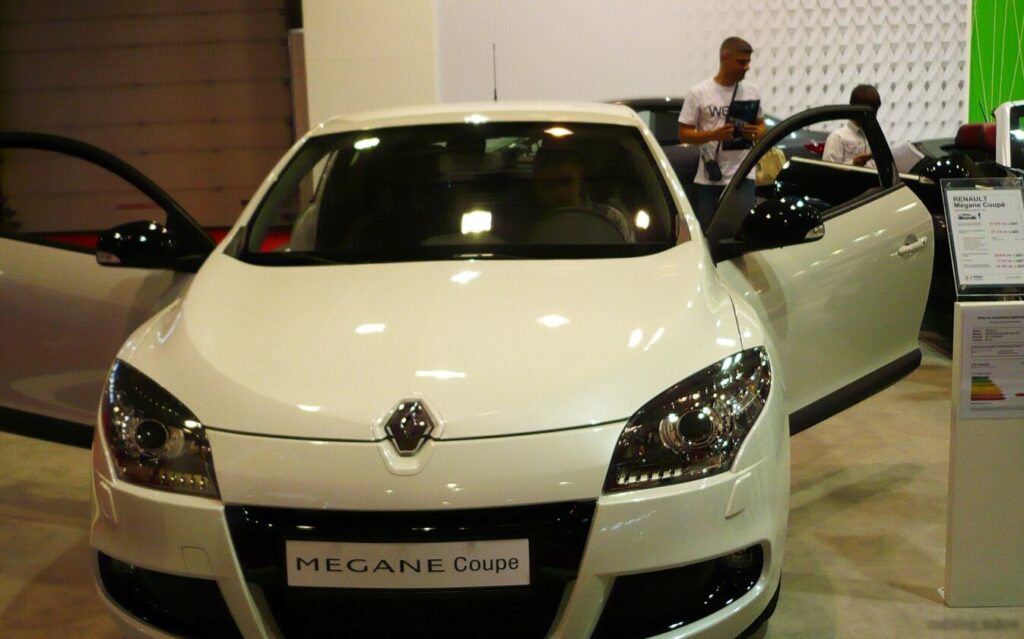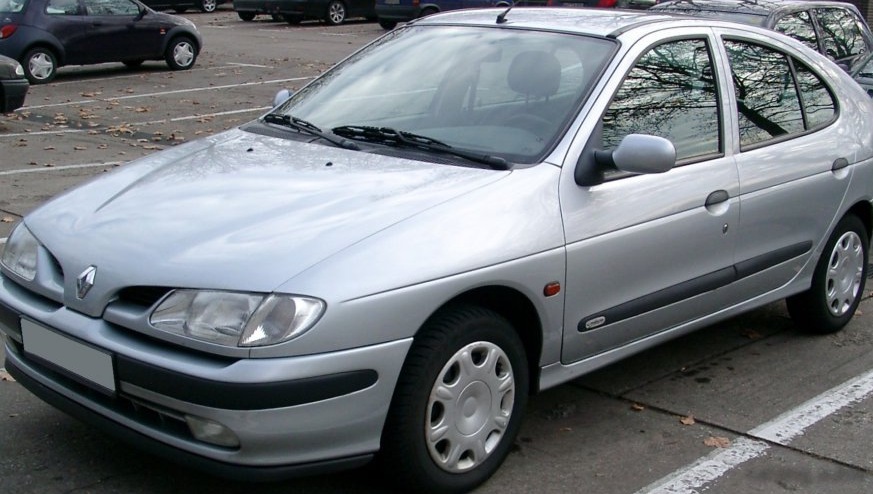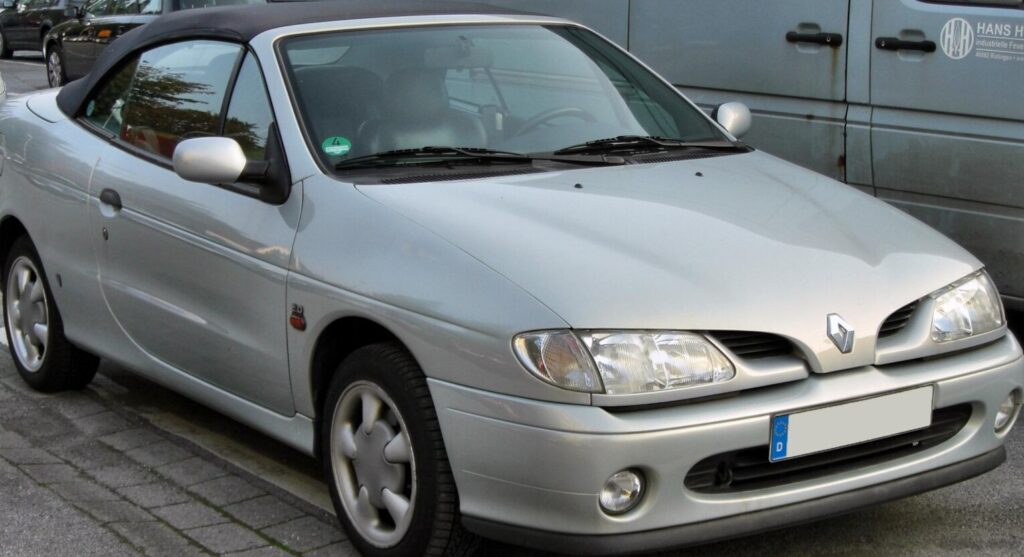
The Renault Megane I Cabriolet (EA) 2.0 16V, produced between 1997 and 1999, represented a stylish and sporty offering within the first generation Megane range. Positioned as a premium variant of the Cabriolet, it provided a more powerful engine option compared to the base models, appealing to drivers seeking a more engaging open-top driving experience. The EA designation refers to the first generation Megane, built on the shared Renault-Nissan 1HX0/A3 platform, which also underpinned models like the Nissan Almera and Renault Scenic.
Powertrain & Engine Architecture
The heart of the Megane I Cabriolet 2.0 16V is the Renault F7R engine, a 1998cc (121.93 cubic inches) inline four-cylinder gasoline engine. This engine, a mainstay of Renault performance models during the 1990s, is characterized by its dual overhead camshafts (DOHC) and multi-port fuel injection system. The 16-valve configuration (four valves per cylinder) contributes to its relatively high power output for its displacement. The engine produces 147 horsepower at 6000 rpm and 185 Nm (136.45 lb-ft) of torque at 4500 rpm. The compression ratio is 9.8:1. Engine oil capacity is 6 liters (6.34 US quarts / 5.28 UK quarts) and coolant capacity is 7 liters (7.4 US quarts / 6.16 UK quarts).
The 2.0 16V Cabriolet was exclusively offered with a 5-speed manual transmission. Renault did not offer an automatic transmission option for this specific engine and body style combination. The gearbox is a standard front-wheel-drive configuration, transmitting power to the front wheels. The transmission’s gear ratios were tuned to balance acceleration with highway cruising efficiency.
Engine Code Specifics
The F7R engine code is crucial for identifying this specific variant. Early F7R engines were known for their robust construction, but later iterations, including those found in the 1997-1999 Megane Cabriolet, benefited from minor refinements to improve reliability and emissions. The engine’s design prioritized simplicity and ease of maintenance, making it relatively accessible for home mechanics.
Driving Characteristics
The 2.0 16V engine transforms the driving experience of the Megane Cabriolet. Acceleration from 0 to 100 km/h (0-62 mph) takes approximately 8.7 seconds, while the 0-60 mph sprint is achieved in around 8.3 seconds. The top speed is rated at 215 km/h (133.59 mph). Compared to lower-powered Megane Cabriolet models, the 2.0 16V offers significantly more responsive acceleration and a greater willingness to rev. The 5-speed manual transmission allows for precise control over the engine’s power band. The power delivery is linear, with a noticeable surge in performance as the engine approaches its peak horsepower. While not a dedicated sports car, the 2.0 16V Cabriolet provides a satisfying and engaging driving experience, particularly on winding roads.
The weight-to-power ratio of 8.1 kg/Hp and weight-to-torque ratio of 6.4 kg/Nm contribute to the car’s lively feel. However, the Cabriolet’s open-top design and relatively modest chassis stiffness mean that it doesn’t possess the same level of handling precision as a fixed-roof coupe.
Equipment & Trim Levels
The Renault Megane I Cabriolet 2.0 16V was generally well-equipped for its time, though specific features varied depending on the market. Standard equipment typically included power steering, ventilated front disc brakes, and anti-lock braking system (ABS). Interior features included cloth upholstery, a basic stereo system, and manually adjustable seats. The dashboard layout was functional and straightforward, prioritizing usability over aesthetic flair.
Optional extras included alloy wheels, leather upholstery, electric windows, and a more advanced audio system. Metallic paint finishes were also available at an extra cost. The Cabriolet’s electrically operated soft top was a key feature, offering convenient open-air motoring.
Chassis & Braking
The Megane I Cabriolet utilizes an independent coil spring suspension at the front, providing a comfortable ride and reasonable handling. The rear suspension is a semi-independent setup with longitudinal arms and transverse torsion shafts. This configuration was a cost-effective solution for providing adequate ride quality and handling characteristics. The front brakes are ventilated discs, offering good stopping power, while the rear brakes are solid discs. The steering is a rack and pinion system with hydraulic power assistance, providing a responsive and precise steering feel. Standard tire sizes were 195/55 R15 or 195/50 R16.
Market Reception & Comparison
The Renault Megane I Cabriolet 2.0 16V was generally well-received by automotive critics. It was praised for its stylish design, engaging driving experience, and relatively affordable price point. However, some critics noted the Cabriolet’s lack of chassis stiffness compared to its coupe counterparts. Compared to other Cabriolets in its class, such as the Peugeot 306 Cabriolet and the Volkswagen Golf Cabriolet, the Megane offered a compelling combination of performance, style, and value.
Fuel economy was reasonable for a 2.0-liter engine of the era, with combined fuel consumption of 9.3 l/100 km (25.3 US mpg / 30.4 UK mpg). The F7R engine is generally considered to be reliable, although regular maintenance is essential to prevent issues such as oil leaks and timing belt failure. The 2.0 16V variant was more expensive to insure and maintain than the lower-powered models.
Technical Specifications
| Brand | Renault |
| Model | Megane |
| Generation | Megane I Cabriolet (EA) |
| Type (Engine) | 2.0 16V (147 Hp) |
| Start of production | 1997 year |
| End of production | 1999 year |
| Powertrain Architecture | Internal Combustion engine |
| Body type | Cabriolet |
| Seats | 4 |
| Doors | 2 |
| Fuel consumption (urban) | 12.7 l/100 km (18.5 US mpg, 22.2 UK mpg) |
| Fuel consumption (extra urban) | 7.3 l/100 km (32.2 US mpg, 38.7 UK mpg) |
| Fuel consumption (combined) | 9.3 l/100 km (25.3 US mpg, 30.4 UK mpg) |
| CO2 emissions | 218 g/km |
| Fuel Type | Petrol (Gasoline) |
| Acceleration 0 – 100 km/h | 8.7 sec |
| Acceleration 0 – 62 mph | 8.7 sec |
| Acceleration 0 – 60 mph | 8.3 sec |
| Maximum speed | 215 km/h (133.59 mph) |
| Weight-to-power ratio | 8.1 kg/Hp |
| Weight-to-torque ratio | 6.4 kg/Nm |
| Power | 147 Hp @ 6000 rpm |
| Torque | 185 Nm @ 4500 rpm (136.45 lb.-ft. @ 4500 rpm) |
| Engine layout | Front, Transverse |
| Engine Model/Code | F7R |
| Engine displacement | 1998 cm3 (121.93 cu. in.) |
| Number of cylinders | 4 |
| Engine configuration | Inline |
| Cylinder Bore | 82.7 mm (3.26 in.) |
| Piston Stroke | 93 mm (3.66 in.) |
| Compression ratio | 9.8:1 |
| Number of valves per cylinder | 4 |
| Fuel injection system | Multi-port manifold injection |
| Engine aspiration | Naturally aspirated |
| Valvetrain | DOHC |
| Engine oil capacity | 6 l (6.34 US qt | 5.28 UK qt) |
| Coolant | 7 l (7.4 US qt | 6.16 UK qt) |
| Kerb Weight | 1185 kg (2612.48 lbs.) |
| Max. weight | 1655 kg (3648.65 lbs.) |
| Max load | 470 kg (1036.17 lbs.) |
| Trunk (boot) space – minimum | 281 l (9.92 cu. ft.) |
| Fuel tank capacity | 60 l (15.85 US gal | 13.2 UK gal) |
| Length | 4028 mm (158.58 in.) |
| Width | 1698 mm (66.85 in.) |
| Height | 1368 mm (53.86 in.) |
| Wheelbase | 2468 mm (97.17 in.) |
| Front track | 1450 mm (57.09 in.) |
| Rear (Back) track | 1432 mm (56.38 in.) |
| Minimum turning circle | 10.50 m (34.45 ft.) |
| Drivetrain Architecture | Front wheel drive |
| Number of gears and type of gearbox | 5 gears, manual transmission |
| Front suspension | Independent coil spring |
| Rear suspension | Semi-independent suspension, longitudinal arms with transverse torsion shafts |
| Front brakes | Ventilated discs |
| Rear brakes | Disc |
| Assisting systems | ABS (Anti-lock braking system) |
| Steering type | Steering rack and pinion |
| Power steering | Hydraulic Steering |
| Tires size | 195/55 R15; 195/50 R16 |
| Wheel rims size | 15; 16 |
Legacy
The Renault Megane I Cabriolet 2.0 16V remains a popular choice among classic car enthusiasts. The F7R engine, while requiring regular maintenance, is known for its durability and potential for modification. Today, these cars are relatively affordable to purchase, making them an accessible entry point into classic open-top motoring. However, finding well-maintained examples can be challenging, as many have suffered from neglect or have been modified extensively. The combination of stylish design, engaging driving dynamics, and relative affordability ensures that the Megane I Cabriolet 2.0 16V will continue to be appreciated by car enthusiasts for years to come.