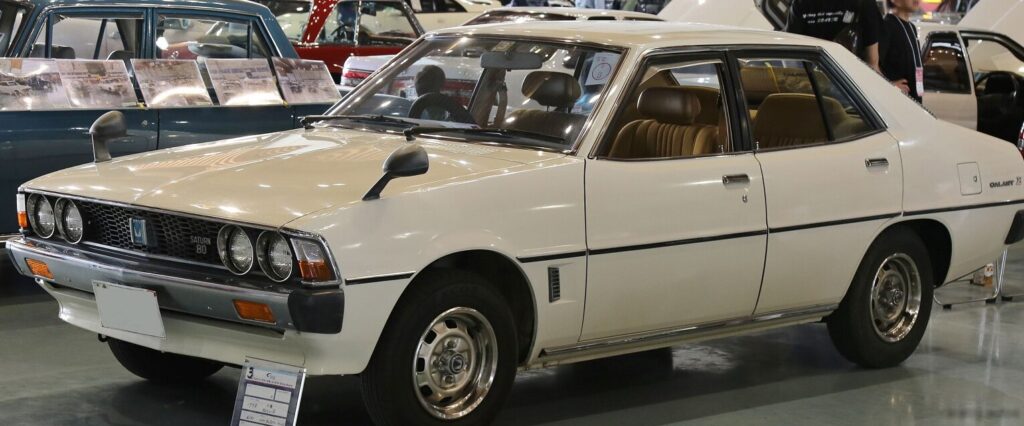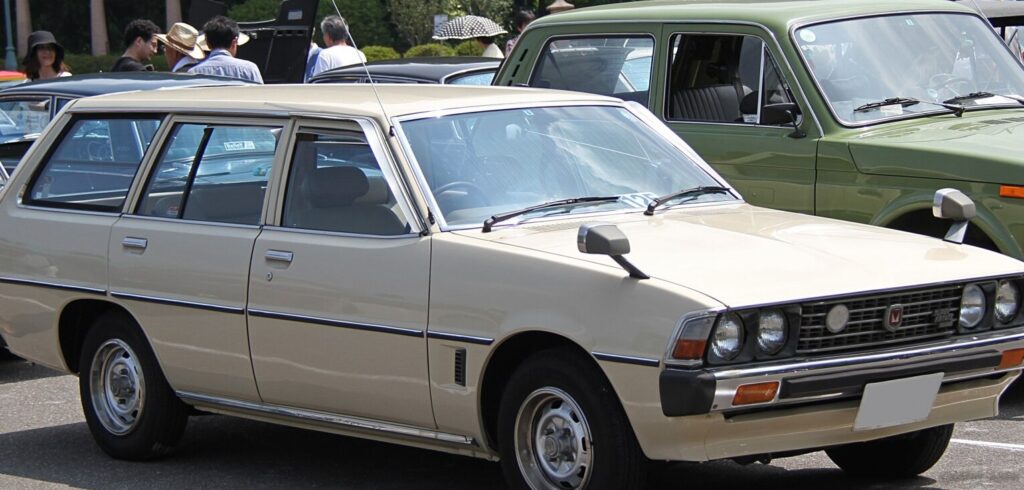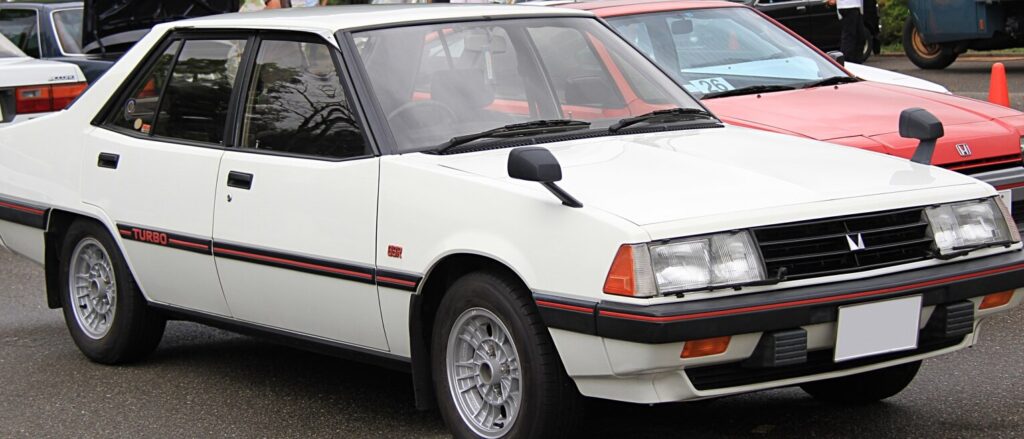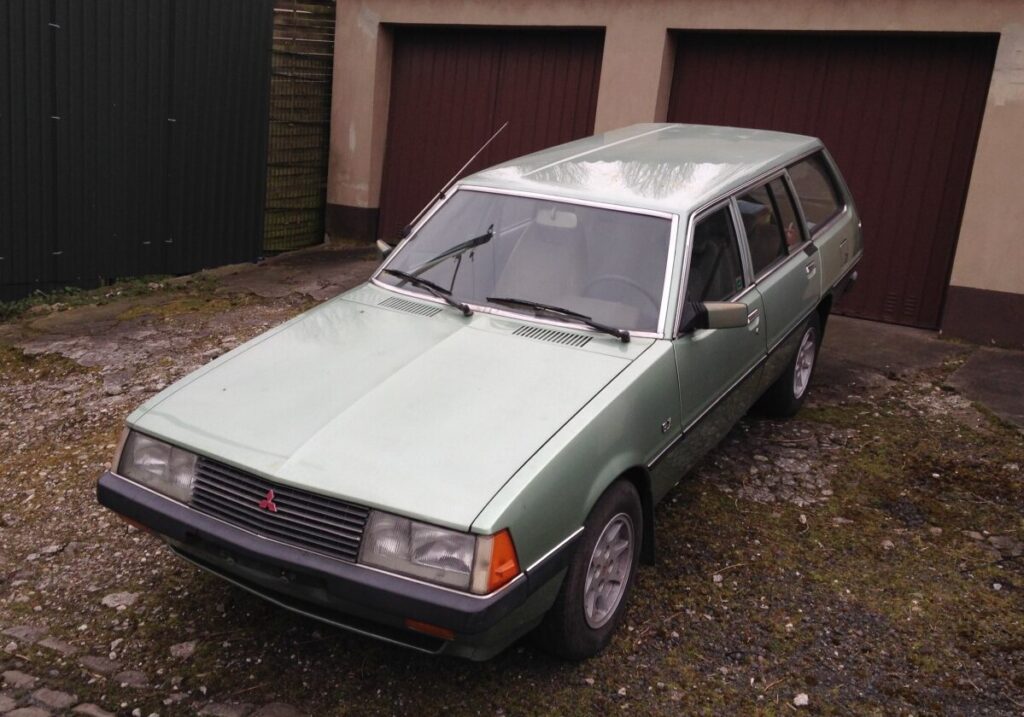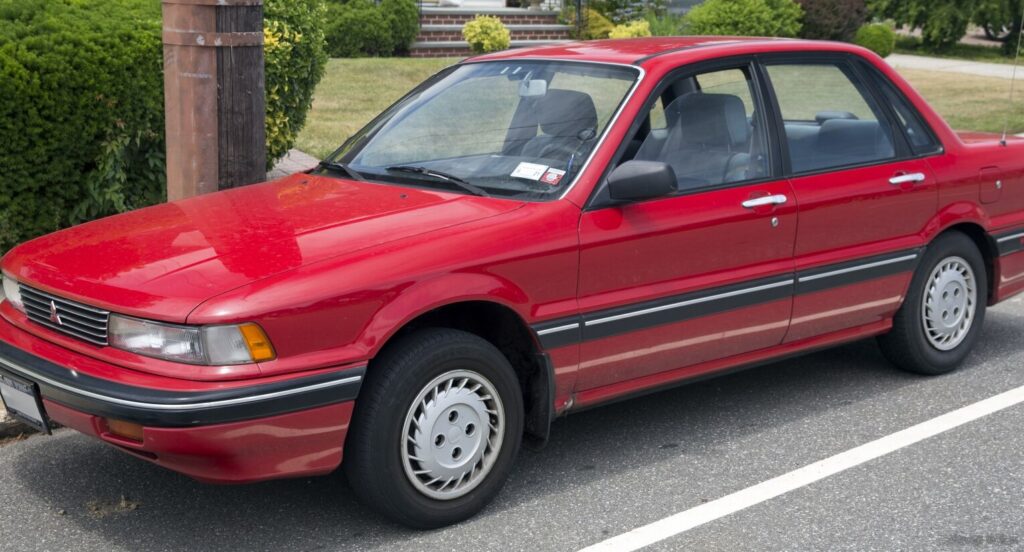
The Mitsubishi Galant VI 2.0 GTI 16V (E33A), produced between 1988 and 1992, represented a performance-oriented variant within the sixth generation of Mitsubishi’s Galant sedan. This model, built on the E33A chassis, aimed to provide a sporty driving experience while maintaining the Galant’s reputation for reliability and comfort. It occupied a mid-to-upper position in the Galant VI lineup, positioned above the base models and below any potential limited-edition or higher-performance trims offered in specific markets. The E33A generation Galant was a significant step forward for Mitsubishi, incorporating more modern styling and technology compared to its predecessor, and the 2.0 GTI 16V was a key component of that evolution.
The 2.0 GTI 16V: Positioning and Overview
The 2.0 GTI 16V was designed to appeal to drivers seeking a blend of performance and practicality. In a market increasingly focused on fuel efficiency, it offered a more engaging driving experience than the standard Galant models, without the higher price tag or more specialized nature of potential future performance variants. The “GTI” designation, common in the late 1980s and early 1990s, signified a focus on sporty handling and a more powerful engine. The “16V” denoted the engine’s four-valve-per-cylinder cylinder head, a feature contributing to increased power output. The E33A chassis provided a solid foundation for the GTI’s performance aspirations, offering a relatively lightweight and rigid platform.
Powertrain & Engine Architecture
The heart of the Galant VI 2.0 GTI 16V is the 4G63 inline-four cylinder engine. This 1997cc (2.0-liter) engine is naturally aspirated and equipped with a sixteen-valve cylinder head (four valves per cylinder). The 4G63 engine family is renowned for its durability and tuning potential, and this version, producing 146 horsepower, was a capable performer for its time. Fuel delivery is managed by a multi-point fuel injection system, contributing to improved fuel efficiency and throttle response compared to earlier carbureted engines. The engine block is cast iron, providing excellent strength and longevity, while the cylinder head is aluminum alloy, helping to reduce weight. The valvetrain utilizes single overhead camshafts (SOHC) for both intake and exhaust valves, a design choice balancing performance and cost-effectiveness.
While a five-speed manual transmission was often available, the 2.0 GTI 16V was also frequently equipped with a four-speed automatic transmission. This automatic, while offering convenience, did impact the car’s acceleration and overall driving experience compared to the manual version. The automatic transmission features electronic control for smoother shifting and improved fuel economy. The transmission’s gear ratios were tuned to provide a balance between acceleration and highway cruising, though it wasn’t optimized for outright performance. The final drive ratio varied slightly depending on the specific market and optional equipment.
Driving Characteristics
The Galant VI 2.0 GTI 16V, when equipped with the four-speed automatic transmission, offered a comfortable and relatively refined driving experience. Acceleration from a standstill was adequate, but not particularly brisk, with 0-60 mph times estimated around 9-10 seconds. The automatic transmission’s shift points were generally well-timed, but lacked the responsiveness of a manual gearbox. In real-world driving, the GTI 16V felt most comfortable cruising at highway speeds, where the engine’s power and torque were sufficient for effortless passing. Compared to the manual transmission version, the automatic resulted in a noticeable decrease in performance and driver engagement. The suspension, tuned for a balance between comfort and handling, provided a reasonably controlled ride, though it wasn’t as firm or sporty as some of its competitors. Steering feel was light and precise, making the car easy to maneuver in city traffic.
Equipment & Trim Levels
The 2.0 GTI 16V typically came standard with a number of features designed to enhance comfort and convenience. These included power windows, power door locks, and a basic audio system. Air conditioning was often standard, though it could be optional in some markets. Interior upholstery was typically cloth, with a sporty pattern and color scheme. The dashboard featured a straightforward layout with easy-to-read gauges. Optional extras available for the GTI 16V included a sunroof, upgraded audio system with cassette player, and alloy wheels. Higher trim levels might have included leather upholstery and additional convenience features. The overall interior design was functional and well-built, reflecting Mitsubishi’s commitment to quality.
Chassis & Braking
The Galant VI utilized a MacPherson strut front suspension and a multi-link rear suspension. This suspension setup provided a good balance between ride comfort and handling. Stabilizer bars were fitted to both the front and rear axles to reduce body roll during cornering. The chassis was relatively lightweight, contributing to the car’s agility. Braking duties were handled by disc brakes on the front wheels and drum brakes on the rear wheels. This configuration was common for vehicles in this class during the late 1980s and early 1990s. Power steering was standard, making the car easy to maneuver at low speeds. The braking system provided adequate stopping power for everyday driving, but lacked the performance of more advanced braking systems found on higher-performance vehicles.
Market Reception & Comparison
The Mitsubishi Galant VI 2.0 GTI 16V was generally well-received by automotive critics. It was praised for its comfortable ride, spacious interior, and reliable engine. However, some critics noted that the automatic transmission detracted from the car’s sporty image. Compared to other vehicles in its class, such as the Honda Accord and Toyota Camry, the Galant offered a more engaging driving experience, but lacked the same level of brand recognition. Fuel economy was respectable for a vehicle of its size and performance, averaging around 22-26 mpg in combined driving. Reliability was a strong point for the Galant, with the 4G63 engine proving to be particularly durable. Maintenance costs were relatively low, making the GTI 16V an attractive option for budget-conscious buyers.
Technical Specifications
| Engine Type | Inline-4, Naturally Aspirated |
| Engine Displacement | 1997 cc (2.0 L) |
| Horsepower | 146 hp @ 6000 rpm |
| Torque | 137 lb-ft @ 4500 rpm |
| Fuel System | Multi-point Fuel Injection |
| Valvetrain | SOHC, 16 Valves |
| Transmission | 4-Speed Automatic (also available with 5-Speed Manual) |
| Drivetrain | Front-Wheel Drive |
| Brakes (Front) | Disc |
| Brakes (Rear) | Drum |
| Suspension (Front) | MacPherson Strut |
| Suspension (Rear) | Multi-Link |
| Curb Weight | Approximately 2800 lbs (1270 kg) |
| Wheelbase | 103.9 inches (2639 mm) |
| Length | 185.8 inches (4719 mm) |
Legacy
The Mitsubishi Galant VI 2.0 GTI 16V, particularly the version equipped with the automatic transmission, has proven to be a relatively reliable and durable vehicle. The 4G63 engine is known for its longevity and ability to withstand high mileage. Today, these cars are becoming increasingly rare, and well-maintained examples are sought after by enthusiasts. While not a high-performance icon, the GTI 16V represents a solid and enjoyable driving experience from the late 1980s and early 1990s. The automatic transmission version, while not as desirable as the manual, remains a practical and affordable option for those seeking a classic Japanese sedan. Parts availability is generally good, though some specific trim pieces may be difficult to find. The Galant VI 2.0 GTI 16V continues to hold a place in automotive history as a capable and reliable family sedan with a touch of sporty flair.