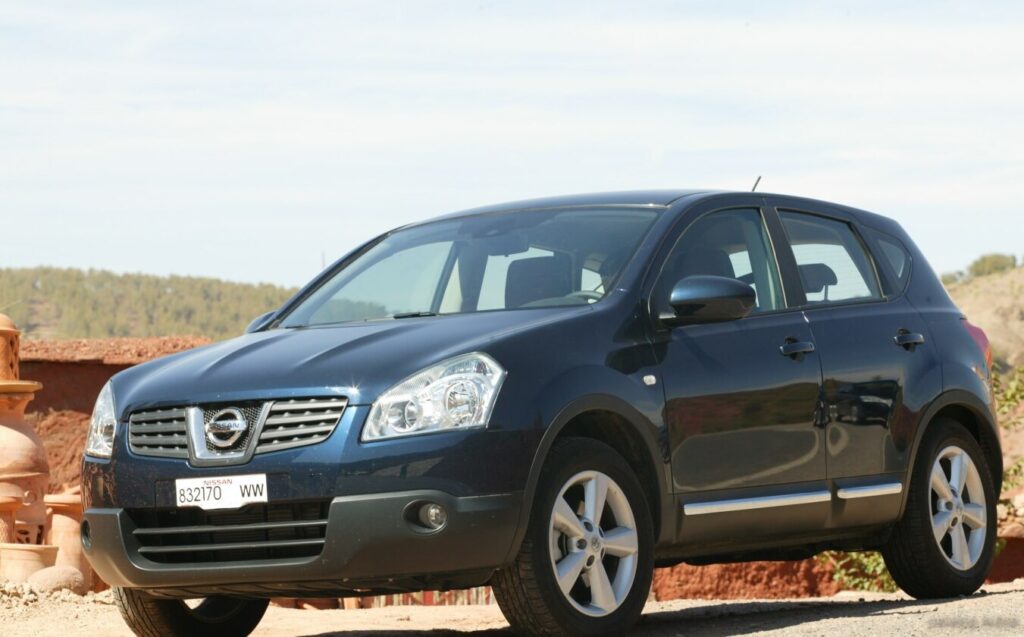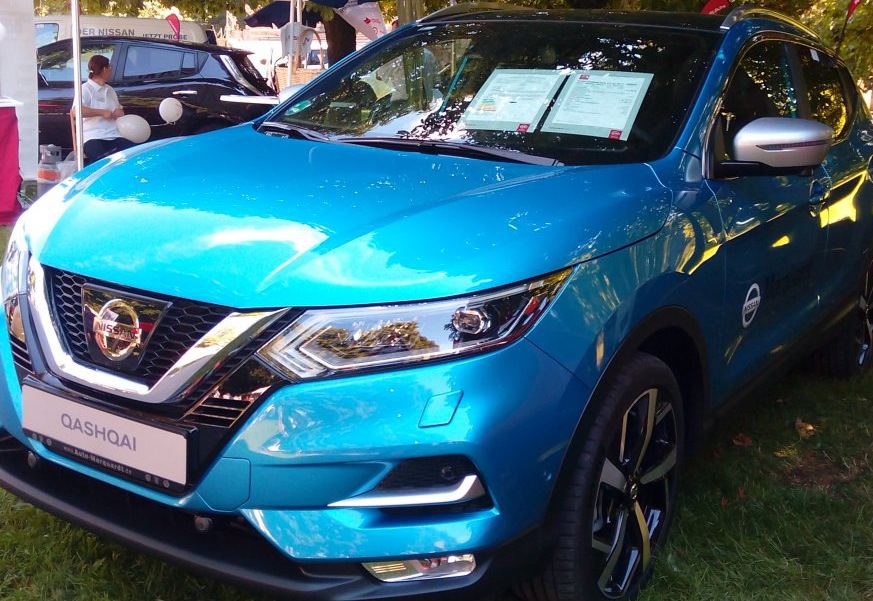
The Nissan Qashqai II (J11), specifically the 1.6 dCi 130 Hp variant equipped with the Xtronic continuously variable transmission (CVT), was a significant offering in the compact crossover SUV segment. Introduced with the facelift in 2017 and continuing through October 2018, this model represented a balance between fuel efficiency, reasonable performance, and affordability within the Qashqai lineup. It occupied a mid-range position, appealing to buyers seeking diesel economy without the higher price tag of the more powerful engine options.
Nissan Qashqai II (J11, 2017-2018) 1.6 dCi Xtronic Overview
The Qashqai II, launched in 2014, was a crucial model for Nissan, building upon the success of the original Qashqai. The 2017 facelift brought styling updates, revised technology, and powertrain refinements. The 1.6 dCi Xtronic model combined a downsized diesel engine with Nissan’s Xtronic CVT, aiming to deliver competitive fuel economy and a smooth driving experience. This variant was primarily sold in European markets, where diesel engines remained popular due to favorable taxation and fuel costs.
Powertrain & Engine Architecture
At the heart of the 1.6 dCi Xtronic is the Renault-Nissan Alliance’s R9M engine. This is a 1.6-liter inline-four cylinder diesel engine, utilizing a common rail direct injection system. The R9M engine is known for its relatively compact size and efficient combustion. The 130 horsepower output is achieved at 4000 rpm, while peak torque of 320 Nm (236 lb-ft) is available from 1750 rpm. This torque curve provides good low-end responsiveness, which is particularly beneficial for everyday driving and overtaking. The engine features a turbocharger with an intercooler to enhance performance and efficiency. The compression ratio is a relatively high 15.4:1, contributing to the engine’s thermal efficiency.
The Xtronic CVT is a key component of this variant. Unlike traditional automatic transmissions with fixed gear ratios, the Xtronic CVT uses a belt and pulley system to provide a virtually infinite number of gear ratios. This allows the engine to operate at its most efficient point more often, maximizing fuel economy. While CVTs are often criticized for their driving feel, Nissan’s Xtronic transmission is programmed to simulate stepped gear changes in certain driving modes, providing a more familiar experience for drivers accustomed to conventional automatics.
Driving Characteristics
The 1.6 dCi Xtronic Qashqai offers a comfortable and refined driving experience. Acceleration from 0-100 km/h (0-62 mph) takes approximately 11.1 seconds, which is adequate for most driving situations but not particularly sporty. The CVT transmission contributes to smooth acceleration, although it can sometimes feel less responsive than a traditional automatic or manual gearbox, especially during sudden acceleration requests. The engine’s strong low-end torque makes it well-suited for urban driving and navigating hilly terrain. Maximum speed is rated at 183 km/h (113.71 mph). Compared to the higher-output 1.6 dCi variants or the gasoline-powered Qashqais, this version prioritizes fuel economy over outright performance. The CVT helps to keep the engine within its optimal operating range, resulting in a quieter and more relaxed driving experience on the highway.
Equipment & Trim Levels
The 1.6 dCi Xtronic trim typically included a good level of standard equipment. Features commonly found on this variant include air conditioning, a touchscreen infotainment system with Bluetooth connectivity, alloy wheels, and a suite of safety features such as ABS, electronic stability control, and multiple airbags. Higher trim levels offered additional features like navigation, parking sensors, a rearview camera, and upgraded interior materials. Interior upholstery was typically cloth, with options for leather upgrades. The dashboard layout was consistent across the Qashqai II range, featuring a user-friendly design and intuitive controls. Optional extras included a panoramic sunroof, heated seats, and advanced driver-assistance systems.
Chassis & Braking
The Qashqai II utilizes a front-wheel-drive platform with independent suspension at the front and a torsion beam rear suspension. This setup provides a good balance between ride comfort and handling. The 1.6 dCi Xtronic variant, being a mid-range model, typically featured disc brakes on all four wheels. ABS (Anti-lock Braking System) and electronic stability control were standard safety features. Steering is electrically assisted, providing light and precise control. Tire sizes varied depending on the trim level, with options ranging from 215/60 R17 to 225/45 R19. The suspension tuning was geared towards comfort, absorbing bumps and imperfections in the road surface effectively.
Market Reception & Comparison
The 1.6 dCi Xtronic Qashqai was generally well-received by automotive critics. It was praised for its fuel efficiency, comfortable ride, and well-equipped interior. However, some reviewers noted the CVT transmission’s lack of responsiveness and the engine’s modest performance. Compared to the more powerful 1.6 dCi variants, this version offered lower running costs but less excitement. Against competitors like the Kia Sportage, Hyundai Tucson, and Volkswagen Tiguan, the Qashqai 1.6 dCi Xtronic held its own in terms of value for money and fuel economy. Fuel consumption figures were competitive, with combined cycle figures around 4.7 l/100 km (50 US mpg), and CO2 emissions of 122 g/km.
Technical Specifications
| Engine Type | 1.6L Turbo Diesel (R9M) |
| Displacement | 1598 cm³ (97.52 cu in) |
| Cylinders | 4, Inline |
| Power | 130 hp @ 4000 rpm |
| Torque | 320 Nm (236 lb-ft) @ 1750 rpm |
| Fuel Injection | Diesel Commonrail |
| Turbocharger | Yes, with Intercooler |
| Compression Ratio | 15.4:1 |
| Transmission | Xtronic CVT (Continuously Variable Transmission) |
| Drive Wheels | Front Wheel Drive |
| 0-100 km/h | 11.1 sec |
| 0-62 mph | 11.1 sec |
| Top Speed | 183 km/h (113.71 mph) |
| Fuel Consumption (Combined) | 4.7 l/100 km (50 US mpg) |
| CO2 Emissions | 122 g/km |
| Kerb Weight | 1410 kg (3108.52 lbs) |
| Fuel Tank Capacity | 55 l (14.53 US gal) |
| Trunk Space (Minimum) | 430 l (15.19 cu ft) |
| Trunk Space (Maximum) | 1585 l (55.97 cu ft) |
Legacy
The Nissan Qashqai II 1.6 dCi Xtronic has proven to be a relatively reliable vehicle, with the R9M engine generally considered durable. However, like all diesel engines, it’s important to ensure regular maintenance, including oil changes and filter replacements. The Xtronic CVT transmission, while generally reliable, requires proper servicing to prevent issues. In the used car market, this variant represents a good value proposition for buyers seeking a fuel-efficient and comfortable crossover SUV. Its popularity in Europe means a relatively good supply of used examples are available. Potential buyers should check for service history and ensure the vehicle has been well-maintained to maximize its longevity.