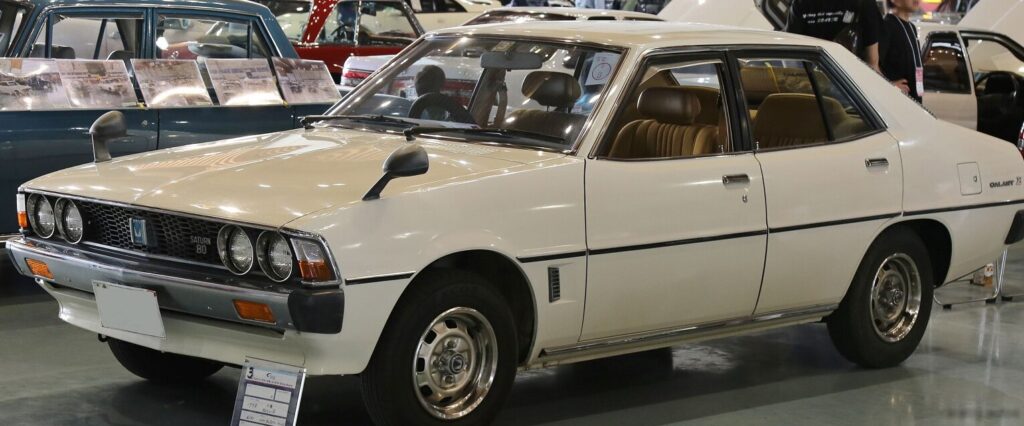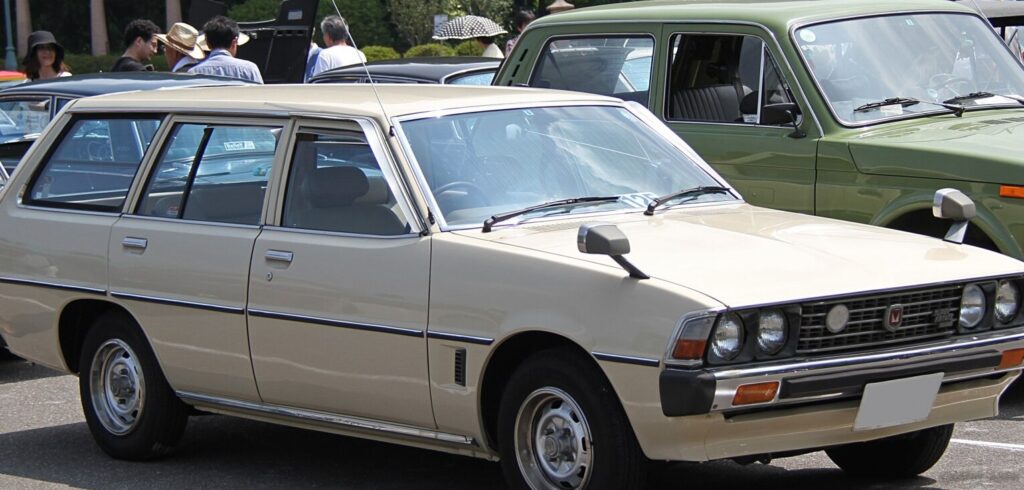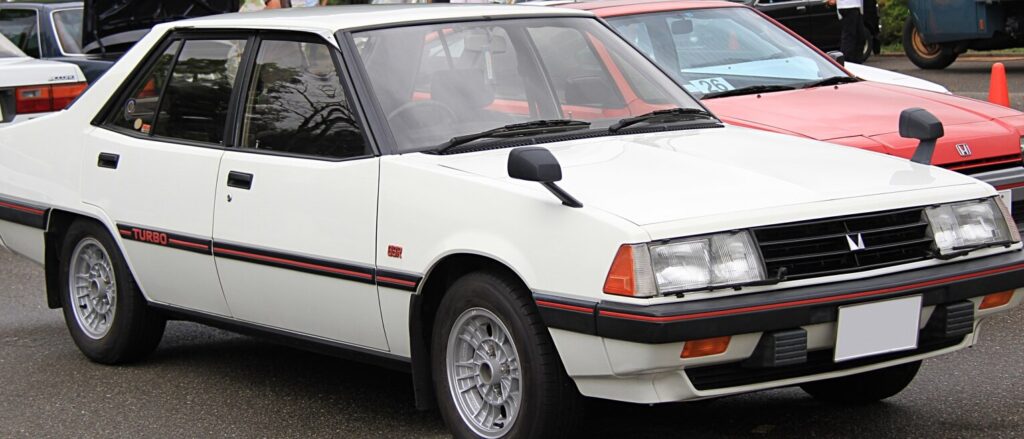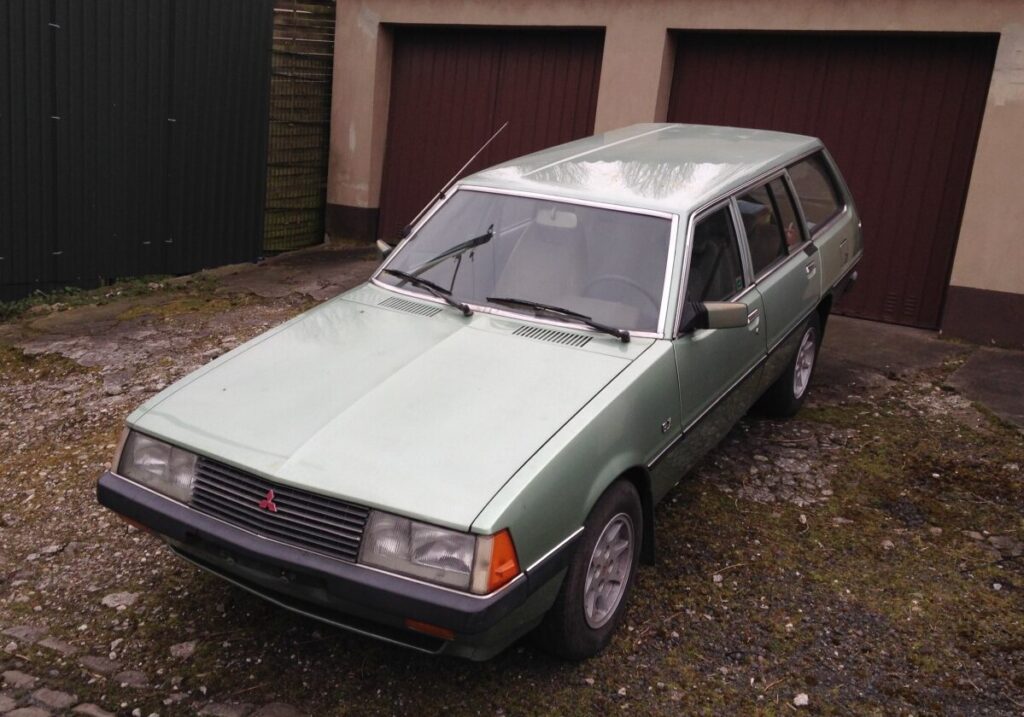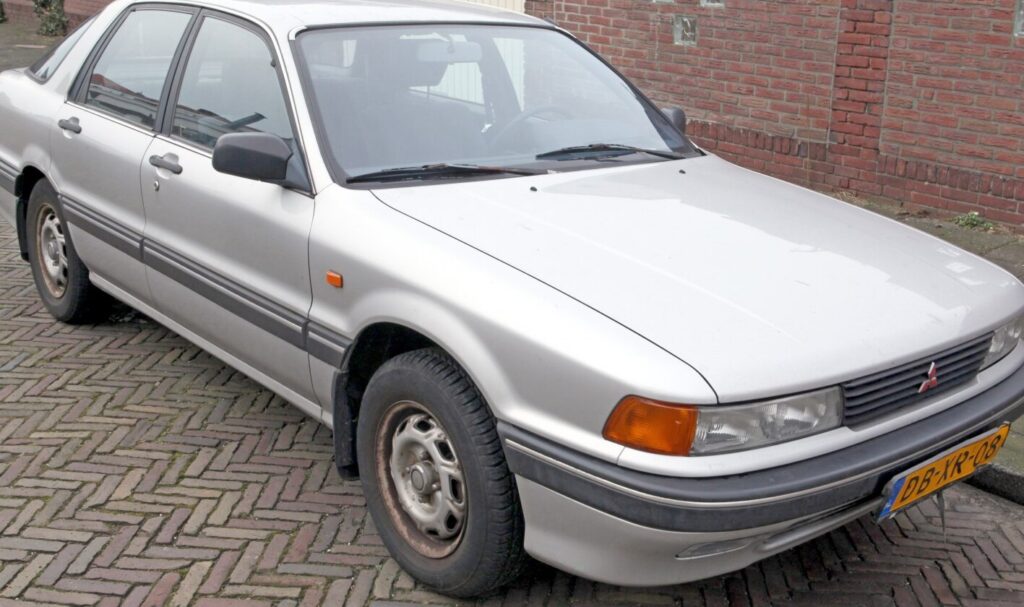
The Mitsubishi Galant VI Hatchback 1.8, produced between 1987 and 1990 (model code E32A), represented the entry-level offering within the sixth generation Galant lineup. This variant, powered by an 86 horsepower 1.8-liter gasoline engine and typically paired with an automatic transmission, was aimed at buyers seeking affordable and practical transportation. The Galant VI, built on the robust Mitsubishi 6A platform, offered a significant step up in size and refinement compared to its predecessor, the Galant Lambda. The hatchback body style, while less common in the US market than the sedan, provided increased cargo versatility, appealing to families and those with active lifestyles. This particular 1.8L configuration served as the foundation for the Galant range, with higher-spec models boasting larger engines and more luxurious appointments.
The 1.8L E32A Galant Hatchback: Positioning and Overview
The E32A 1.8L hatchback occupied the base trim level within the Galant VI range. It was designed to be an economical and accessible option, competing with other compact hatchbacks and sedans of the era, such as the Toyota Corolla, Honda Civic, and Nissan Sentra. While Mitsubishi offered more powerful 2.0-liter and turbocharged variants, the 1.8L model prioritized fuel efficiency and affordability. The hatchback body style itself was a relatively niche offering, particularly in North America, where the sedan version of the Galant VI was far more prevalent. This meant the 1.8L hatchback often appealed to a specific buyer looking for a practical and space-efficient vehicle.
Powertrain & Engine Architecture
The heart of the Galant VI 1.8 was the 4G32 engine, a 1.8-liter (1798cc) inline-four cylinder gasoline engine. This engine was a naturally aspirated, single overhead camshaft (SOHC) design with two valves per cylinder. Fuel delivery was managed by a Mitsubishi-developed multi-point fuel injection system, contributing to improved fuel economy and smoother operation compared to earlier carbureted engines. The 4G32 produced 86 horsepower (64 kW) at 5,500 rpm and 109 lb-ft of torque at 3,500 rpm. The engine block was constructed from cast iron, while the cylinder head was made of aluminum alloy.
The automatic transmission typically paired with the 1.8L engine was a three-speed unit. While not known for its performance, this transmission prioritized smooth shifts and ease of use, aligning with the target audience for this trim level. The transmission featured a conventional torque converter and hydraulic control system. Gear ratios were optimized for fuel efficiency and everyday driving conditions. Manual transmission options were available in some markets, offering a more engaging driving experience and slightly improved fuel economy, but the automatic was the more common choice for the 1.8L variant.
Driving Characteristics
The driving experience in the Galant VI 1.8L automatic was characterized by its smooth and predictable nature. Acceleration was modest, with 0-60 mph times estimated to be around 12-14 seconds. The three-speed automatic transmission, while reliable, lacked the responsiveness of more modern transmissions. Power delivery was linear, with peak torque available at relatively low engine speeds. This made the car easy to drive in urban environments, but overtaking maneuvers on the highway required careful planning. Compared to the higher-output 2.0-liter versions, the 1.8L felt noticeably less powerful, particularly when fully loaded with passengers and cargo. However, the 1.8L’s lighter weight and simpler mechanicals contributed to a more comfortable and forgiving ride.
Equipment & Trim Levels
The Galant VI 1.8L hatchback, as the entry-level model, typically came equipped with a relatively basic set of features. Standard equipment generally included cloth upholstery, a basic AM/FM radio, manual windows and door locks, and a tilt-adjustable steering wheel. Air conditioning was often an optional extra. Interior trim was functional and durable, prioritizing practicality over luxury. The dashboard layout was straightforward and easy to use, with clearly labeled controls. Optional extras available for the 1.8L hatchback included power windows, power door locks, a cassette player, and upgraded interior trim. Higher trim levels within the Galant VI range offered features such as leather upholstery, alloy wheels, and a more sophisticated audio system.
Chassis & Braking
The Galant VI utilized a front-engine, front-wheel-drive layout. The suspension system consisted of MacPherson struts at the front and a multi-link suspension at the rear. This setup provided a good balance between ride comfort and handling. The 1.8L hatchback typically featured smaller diameter tires and steel wheels compared to the higher-spec models. Braking duties were handled by disc brakes at the front and drum brakes at the rear. The braking system was adequate for everyday driving, but lacked the stopping power of the larger disc brake setups found on the more powerful Galant variants. A stabilizer bar was fitted to the front suspension to reduce body roll during cornering.
Market Reception & Comparison
The Mitsubishi Galant VI 1.8L hatchback received generally positive reviews for its practicality, fuel efficiency, and affordability. Critics praised its spacious interior and versatile hatchback body style. However, the 1.8L engine was often criticized for its lack of power, particularly when compared to the larger engines available in the Galant lineup. Fuel economy was a strong point, with the 1.8L achieving around 25-30 mpg in combined driving conditions. Reliability was generally good, although some owners reported minor issues with the fuel injection system and automatic transmission. Compared to the 2.0-liter Galant, the 1.8L offered a lower purchase price and better fuel economy, but at the expense of performance. The 1.8L was a popular choice for budget-conscious buyers and those who prioritized practicality over outright speed.
Technical Specifications
| Engine Type | Inline-4 Cylinder, Naturally Aspirated |
| Engine Displacement | 1798 cc (1.8 L) |
| Horsepower | 86 hp (64 kW) @ 5500 rpm |
| Torque | 109 lb-ft (148 Nm) @ 3500 rpm |
| Fuel System | Multi-point Fuel Injection |
| Valvetrain | SOHC, 2 Valves per Cylinder |
| Transmission | 3-Speed Automatic (typically) |
| Drivetrain | Front-Wheel Drive |
| Brakes (Front) | Disc |
| Brakes (Rear) | Drum |
| Suspension (Front) | MacPherson Strut |
| Suspension (Rear) | Multi-Link |
| Curb Weight | Approximately 2,400 lbs (1,089 kg) |
| Fuel Economy (Combined) | 25-30 mpg |
Legacy
The Mitsubishi Galant VI 1.8L hatchback, while not the most powerful or luxurious variant of the sixth-generation Galant, remains a fondly remembered vehicle for many owners. The 4G32 engine, while relatively simple in design, proved to be reasonably reliable and durable. Today, well-maintained examples of the 1.8L hatchback are becoming increasingly rare, appealing to collectors and enthusiasts. The automatic transmission, while not known for its performance, is generally reliable if properly maintained. The Galant VI 1.8L represents a practical and affordable option from a bygone era, offering a glimpse into the automotive landscape of the late 1980s and early 1990s. Its enduring appeal lies in its simplicity, reliability, and the versatility of its hatchback body style.