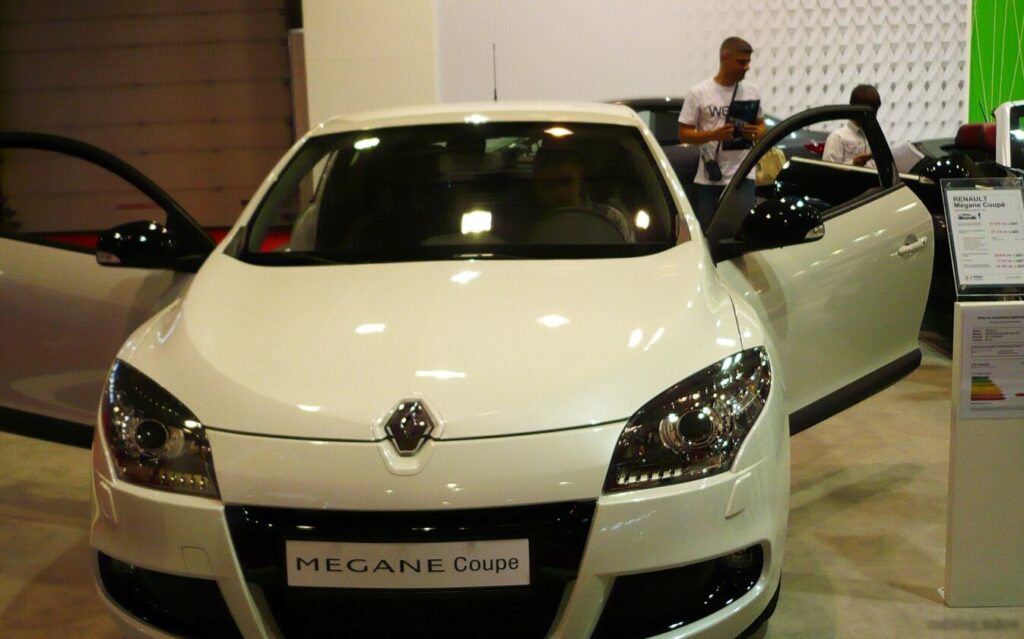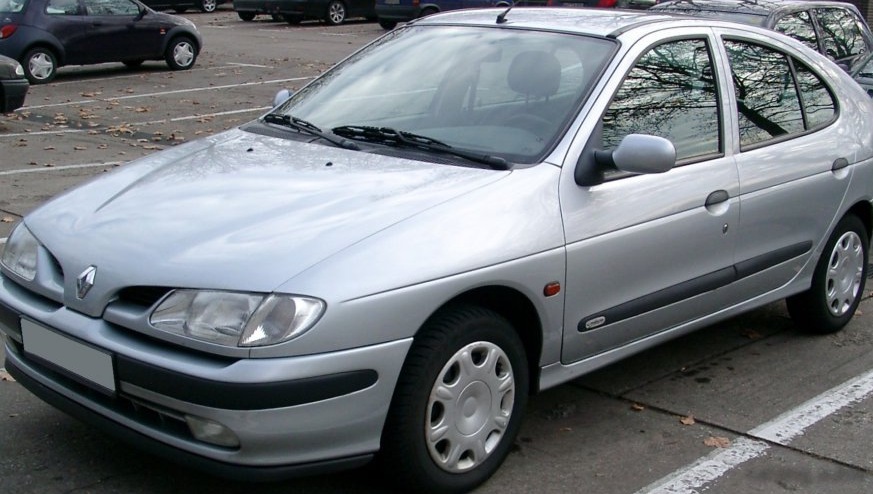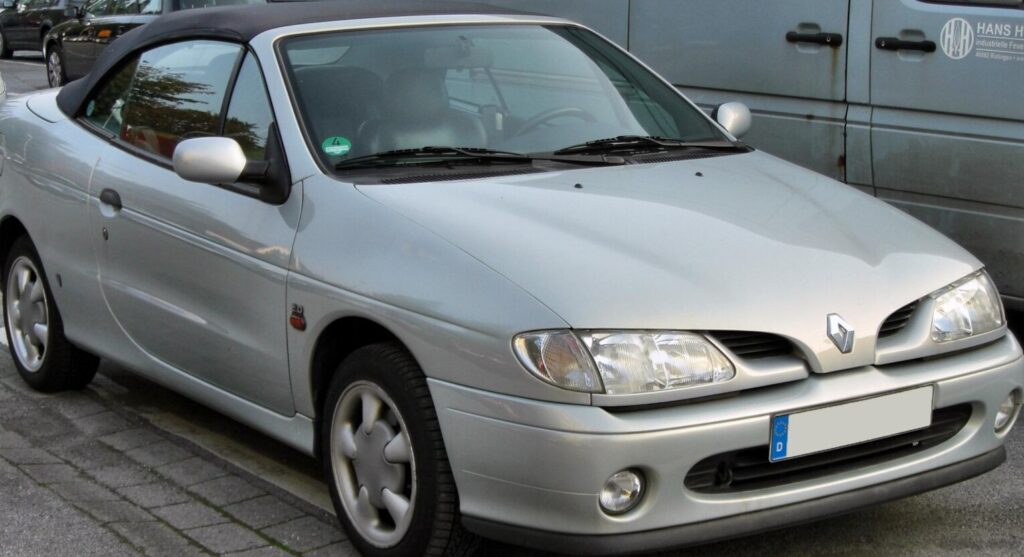
The Renault Megane I Cabriolet (EA) 2.0i Automatic, produced from 1998 to 1999, represented a mid-range offering within the first generation (Mk1) Megane Cabriolet lineup. Positioned above the base 1.6-liter models, it provided a step up in performance and refinement while remaining more accessible than the later, more powerful 2.0-liter 16V variants. This model aimed to balance open-air motoring enjoyment with reasonable running costs and ease of use, making it a popular choice for buyers seeking a stylish and practical convertible.
Powertrain & Engine Architecture
The heart of the Megane I Cabriolet 2.0i Automatic is the Renault F3R engine, a 1,998 cc (121.93 cu. in.) inline-four cylinder gasoline engine. This engine, a mainstay of Renault’s offerings during the 1990s, is characterized by its robust construction and relatively simple design. The F3R utilizes a multi-port fuel injection system, delivering fuel directly into the intake ports, and a double overhead camshaft (DOHC) valvetrain operating two valves per cylinder. This configuration allowed for a reasonable balance between power output and fuel efficiency.
Power output is rated at 109 horsepower (hp) at 5,400 rpm, and 168 Newton-meters (123.91 lb-ft) of torque at 4,250 rpm. The engine’s bore and stroke are 82.7 mm (3.26 in) and 93 mm (3.66 in) respectively. The engine oil capacity is 6 liters (6.34 US qt | 5.28 UK qt), and requires a specification detailed in the owner’s manual. Cooling is provided by a 7-liter (7.4 US qt | 6.16 UK qt) capacity system.
Crucially, this variant was paired with a four-speed automatic transmission. This transmission, while providing convenience, was not known for its particularly sporty characteristics. It prioritized smooth shifts and ease of driving over outright performance. The automatic transmission contributed to a slightly higher fuel consumption compared to the available five-speed manual gearbox.
Transmission Details
The four-speed automatic transmission used in the Megane I Cabriolet 2.0i was a conventional hydraulic automatic. It lacked the modern features found in later automatic transmissions, such as manual shift modes or adaptive learning. Gear ratios were tuned for comfortable cruising rather than rapid acceleration. First gear was relatively short, providing adequate launch capability, while higher gears were geared for fuel efficiency at highway speeds. The transmission’s simplicity also meant it was generally reliable, though maintenance, including fluid changes, was crucial for longevity.
Driving Characteristics
The driving experience in the Megane I Cabriolet 2.0i Automatic is best described as relaxed and comfortable. Acceleration from 0 to 100 km/h (0-62 mph) takes approximately 10.9 seconds, and 0-60 mph is achieved in around 10.4 seconds. While not particularly quick by modern standards, this performance was adequate for everyday driving and enjoyable cruising with the top down. The automatic transmission, while smooth, does detract from the overall driving engagement compared to the manual transmission versions.
The engine delivers its peak torque at a relatively low 4,250 rpm, providing decent responsiveness in most driving situations. However, the automatic transmission can sometimes feel hesitant when downshifting for overtaking maneuvers. The car’s weight-to-power ratio of 10.8 kg/hp (92.8 hp/tonne) reflects its moderate performance capabilities. The weight-to-torque ratio is 7 kg/Nm (143 Nm/tonne).
Handling is typical of a front-wheel-drive convertible of this era. It’s generally safe and predictable, but not particularly sporty. Body roll is noticeable in corners, and the steering lacks significant feedback. However, the suspension provides a reasonably comfortable ride, absorbing bumps and imperfections in the road surface effectively.
Equipment & Trim Levels
The 2.0i Automatic trim level of the Megane I Cabriolet typically included features such as power steering, central locking, electric front windows, and an AM/FM radio. Interior upholstery was generally cloth, with options for upgraded materials available. The dashboard layout was functional and straightforward, with clearly labeled controls.
Optional extras included leather upholstery, air conditioning, alloy wheels, and a more sophisticated audio system. The level of equipment varied depending on the specific market and individual customer preferences. The Cabriolet, by its nature, included a manually operated soft top, which could be folded down to provide open-air driving. The trunk space is compromised when the top is down, offering a minimum of 281 liters (9.92 cu. ft.).
Chassis & Braking
The Megane I Cabriolet 2.0i Automatic utilizes an independent coil spring suspension at the front, providing a comfortable ride and reasonable handling. The rear suspension employs a torsion beam setup, which is simpler and more cost-effective but offers less sophisticated handling characteristics.
Braking is provided by ventilated discs at the front and drum brakes at the rear. Anti-lock Braking System (ABS) was standard, enhancing safety by preventing wheel lockup during hard braking. The steering system is a rack and pinion type with hydraulic power assistance, providing light and easy steering. The car rides on 185/55 R15 tires mounted on 15-inch wheel rims.
Market Reception & Comparison
The Renault Megane I Cabriolet 2.0i Automatic was generally well-received by automotive critics as a stylish and affordable convertible. It was praised for its comfortable ride, ease of use, and attractive design. However, the automatic transmission was often criticized for its lack of responsiveness and its impact on fuel economy. Compared to the 1.6-liter models, the 2.0i offered a noticeable performance improvement, making it a more enjoyable car to drive. Compared to the higher-performance 2.0-liter 16V variants, the 2.0i Automatic was less sporty but more accessible to a wider range of buyers.
Fuel consumption figures are 12.1 l/100 km (19.4 US mpg, 23.3 UK mpg, 8.3 km/l) urban, 6.6 l/100 km (35.6 US mpg, 42.8 UK mpg, 15.2 km/l) extra urban, and 8.6 l/100 km (27.4 US mpg, 32.8 UK mpg, 11.6 km/l) combined. CO2 emissions are rated at 203 g/km.
Technical Specifications
| Brand | Renault |
| Model | Megane |
| Generation | Megane I Cabriolet (EA) |
| Type | 2.0i (109 Hp) Automatic |
| Start of production | 1998 |
| End of production | 1999 |
| Engine | F3R, 1998 cc Inline-4 |
| Power | 109 hp @ 5400 rpm |
| Torque | 168 Nm @ 4250 rpm (123.91 lb-ft) |
| Fuel Injection | Multi-port |
| Valvetrain | DOHC, 2 valves/cylinder |
| Transmission | 4-speed Automatic |
| Drive | Front-wheel drive |
| Kerb Weight | 1175 kg (2590.43 lbs) |
| Max Weight | 1655 kg (3648.65 lbs) |
| Fuel Tank Capacity | 60 l (15.85 US gal, 13.2 UK gal) |
| Trunk Space (min) | 281 l (9.92 cu. ft) |
| Dimensions (L x W x H) | 4028 mm x 1698 mm x 1368 mm (158.58 in x 66.85 in x 53.86 in) |
| Wheelbase | 2468 mm (97.17 in) |
| Tires | 185/55 R15 |
Legacy
The Renault Megane I Cabriolet 2.0i Automatic, while not a particularly rare or collectible car, remains a popular choice among enthusiasts seeking an affordable and stylish classic convertible. The F3R engine is known for its durability and relatively simple maintenance requirements. However, as with any older vehicle, regular maintenance is essential to prevent issues. The automatic transmission, while reliable, may require attention as it ages. Today, these cars can be found in the used car market at relatively low prices, making them an accessible entry point into classic convertible ownership. Their enduring appeal lies in their combination of French flair, open-air driving enjoyment, and relatively straightforward mechanicals.