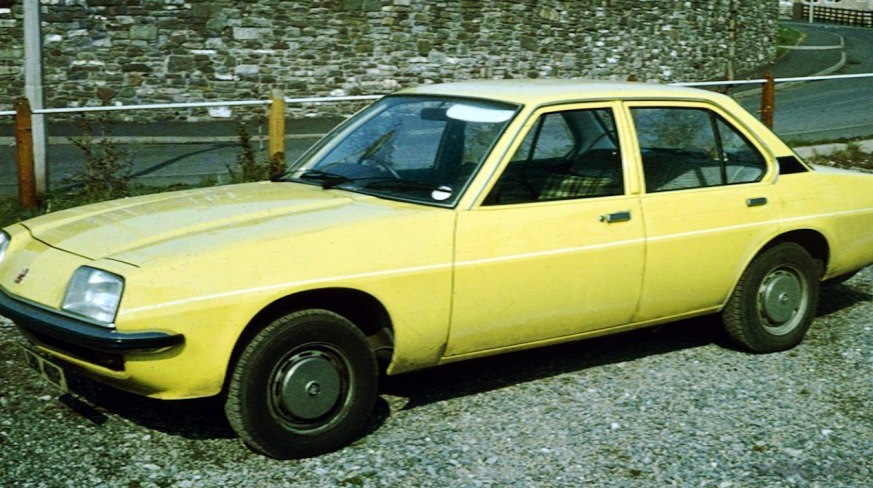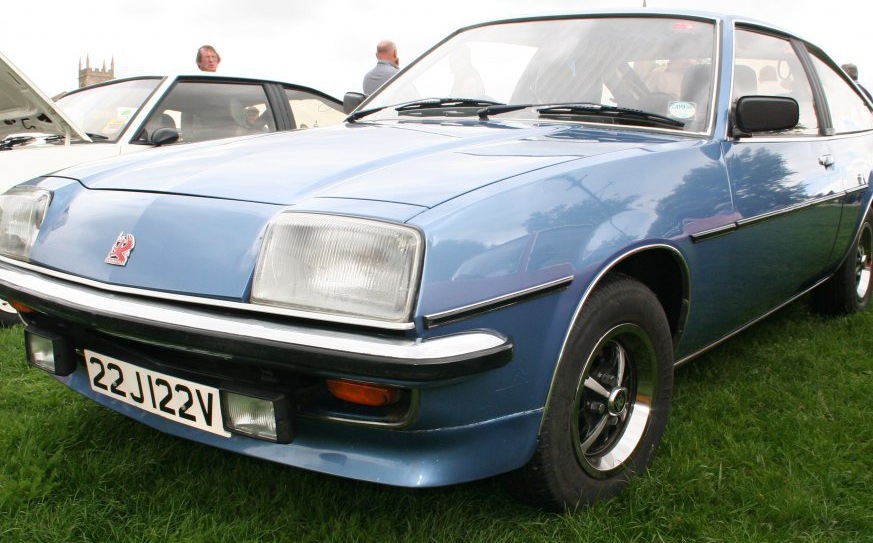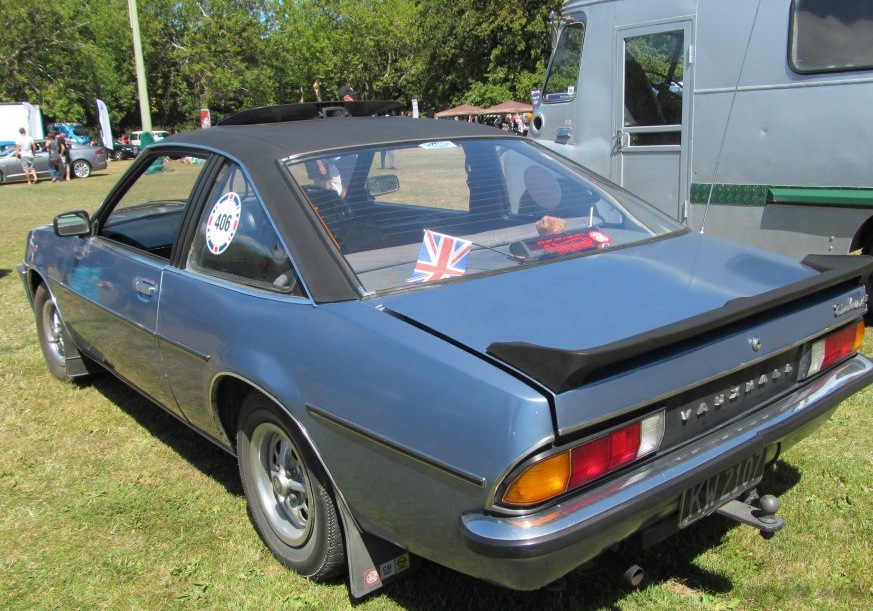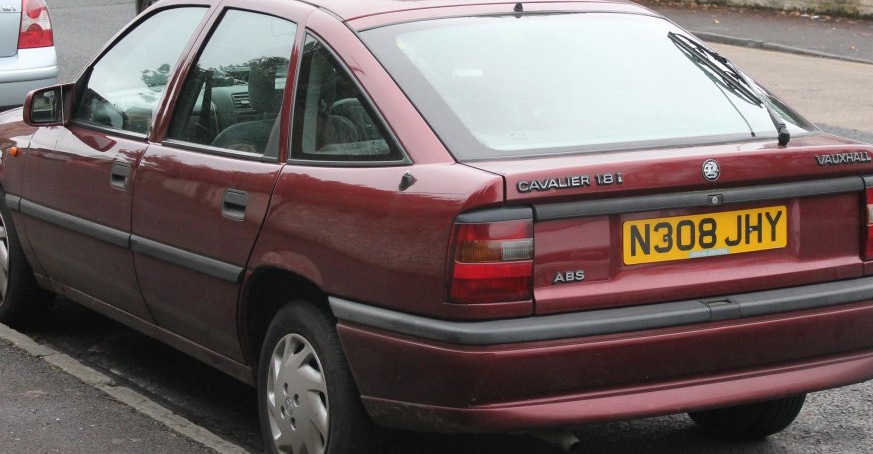
The Vauxhall Cavalier Mk III CC 2.0i 4×4, produced between 1988 and 1989, represented a relatively short-lived but significant variant within the broader Mk III Cavalier range (1988-1995). Positioned as a premium offering, it combined the practicality of the five-door hatchback body style with the added security and capability of a four-wheel-drive system and a more powerful engine. This model was built on the GM X platform, shared with other European Opel and Vauxhall vehicles of the era. The “CC” designation stood for “Cavalier Coupe,” despite the car being a hatchback, a naming convention common at the time.
The 2.0i 4×4 in the Cavalier Mk III Lineup
The Mk III Cavalier was Vauxhall’s competitor in the large family car segment, aiming to provide a more stylish and modern alternative to rivals like the Ford Sierra and Austin Montego. The range initially included various engine and trim levels, starting with 1.6-liter and 1.8-liter petrol engines. The 2.0i 4×4 sat at the top of the performance hierarchy, offering a substantial power increase over the base models and the added benefit of all-wheel drive. It was aimed at buyers who desired a blend of practicality, performance, and all-weather capability. It was a more expensive option than the front-wheel-drive 2.0i models, and positioned below any potential future high-performance versions like a hypothetical GSi 4×4.
Powertrain & Engine Architecture
The heart of the 2.0i 4×4 was the 20SEH engine, a naturally aspirated, inline-four cylinder petrol engine displacing 1998cc. This engine was part of Vauxhall/Opel’s ‘E’ family of engines, known for their robustness and relatively simple design. The 20SEH featured a cast iron block and an aluminum cylinder head, utilizing a single overhead camshaft (SOHC) valvetrain with two valves per cylinder. Fuel delivery was managed by Bosch Motronic fuel injection, a sophisticated system for the time that optimized fuel efficiency and performance. The engine produced 129 horsepower (hp) and approximately 138 lb-ft of torque.
The four-wheel-drive system employed a viscous coupling to distribute power between the front and rear axles. Under normal driving conditions, the majority of the power was sent to the front wheels, improving fuel economy. However, when wheel slip was detected at the front, the viscous coupling would automatically engage the rear wheels, providing enhanced traction. The transmission was a four-speed automatic gearbox, offering smooth and convenient gear changes. While not known for its sportiness, the automatic transmission was well-suited to the car’s intended role as a comfortable and capable family vehicle. The automatic transmission’s gear ratios were geared towards fuel efficiency and relaxed cruising rather than outright acceleration.
Engine Code Specifics (20SEH)
The 20SEH engine code designates specific internal components and calibrations. It featured a compression ratio of 8.8:1. The engine utilized a distributor ignition system. Maintenance on the 20SEH is generally straightforward, with readily available parts. Common issues included oil leaks from the valve cover gasket and occasional problems with the throttle position sensor. The engine was known to be relatively durable, capable of high mileage with regular servicing.
Driving Characteristics
The 2.0i 4×4 offered a noticeable performance improvement over the lower-powered Cavalier variants. While not a sports car, the 129 hp engine provided adequate acceleration for everyday driving, and the four-wheel-drive system instilled confidence in slippery conditions. The automatic transmission, while smooth, did detract somewhat from the driving experience, resulting in slower acceleration times compared to a manual transmission equipped model. The 0-60 mph time was estimated to be around 10.5-11.5 seconds, depending on load and road conditions. The all-wheel-drive system added weight, impacting handling slightly, but also provided increased stability, particularly during cornering on loose surfaces. The power delivery was linear, with a usable spread of torque across the rev range.
Equipment & Trim Levels
The 2.0i 4×4 was generally well-equipped for its time. Standard features typically included central locking, electric windows, power steering, and an upgraded stereo system. Interior upholstery was typically cloth, with options for higher-grade materials. The dashboard layout was functional and straightforward, with clear instrumentation. Optional extras included a sunroof, alloy wheels, and upgraded sound systems. The trim level was generally considered to be above the base models, offering a more refined and comfortable interior. The exterior featured body-colored bumpers and side moldings, distinguishing it from the more basic trims.
Chassis & Braking
The Cavalier Mk III utilized a MacPherson strut front suspension and a twist-beam rear suspension. The 4×4 model featured slightly stiffer springs and dampers to compensate for the added weight of the four-wheel-drive system. The braking system consisted of disc brakes on the front wheels and drum brakes on the rear wheels. Anti-lock braking system (ABS) was available as an optional extra. The steering was rack and pinion, providing precise and responsive handling. Stabilizer bars were fitted to both the front and rear axles to reduce body roll during cornering. The 4×4 model’s suspension was tuned to provide a comfortable ride while maintaining reasonable handling characteristics.
Market Reception & Comparison
The 2.0i 4×4 was generally well-received by automotive critics, who praised its performance, all-weather capability, and comfortable ride. However, the higher price tag compared to the front-wheel-drive models was a drawback for some buyers. Fuel economy was also a concern, as the four-wheel-drive system and larger engine resulted in higher fuel consumption. Compared to the 1.8-liter models, the 2.0i 4×4 offered a significant performance boost, but at the expense of fuel efficiency. Compared to the 2.0i front-wheel-drive models, the 4×4 offered superior traction and stability, making it a more appealing option for drivers in regions with harsh weather conditions. Reliability was generally good, although the four-wheel-drive system did add some complexity and potential maintenance issues.
Technical Specifications
| Engine Type | Inline-4, Naturally Aspirated |
| Engine Code | 20SEH |
| Displacement | 1998cc (1.998 liters) |
| Power Output | 129 hp @ 5200 rpm |
| Torque | 138 lb-ft @ 3600 rpm |
| Fuel System | Bosch Motronic Fuel Injection |
| Transmission | 4-Speed Automatic |
| Drive Type | All-Wheel Drive (4×4) |
| Length | 4352 mm (171.34 in) |
| Width | 1706 mm (67.17 in) |
| Height | 1400 mm (55.12 in) |
| Wheelbase | 2600 mm (102.36 in) |
| Trunk Space (min) | 460 liters (16.24 cu ft) |
| Trunk Space (max) | 1290 liters (45.56 cu ft) |
| Fuel Tank Capacity | 61 liters (16.11 US gal) |
Legacy
The Vauxhall Cavalier Mk III 2.0i 4×4, while a relatively rare variant, holds a certain appeal for enthusiasts and collectors. The 20SEH engine is known for its durability and relatively simple maintenance requirements. The four-wheel-drive system, while adding complexity, provides a unique driving experience and enhances the car’s practicality in challenging conditions. In the used car market today, these models are becoming increasingly sought after, particularly those in good condition with low mileage. Parts availability is generally good, although some specific 4×4 components may be harder to find. The Cavalier Mk III 2.0i 4×4 represents a unique and capable offering from Vauxhall, combining practicality, performance, and all-weather capability in a stylish and comfortable package.