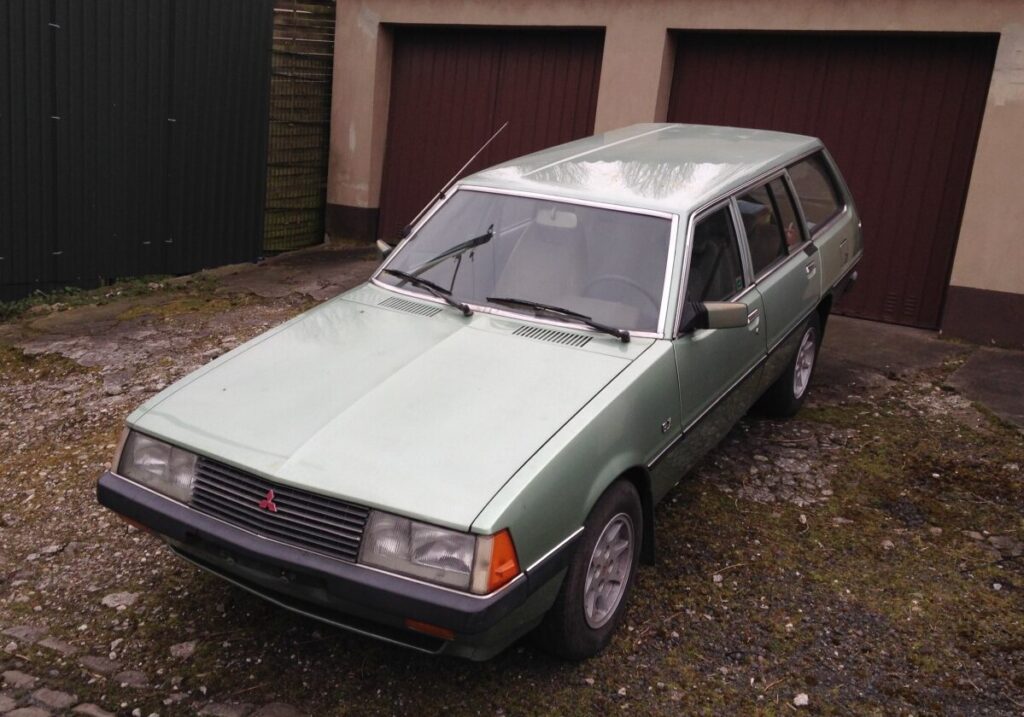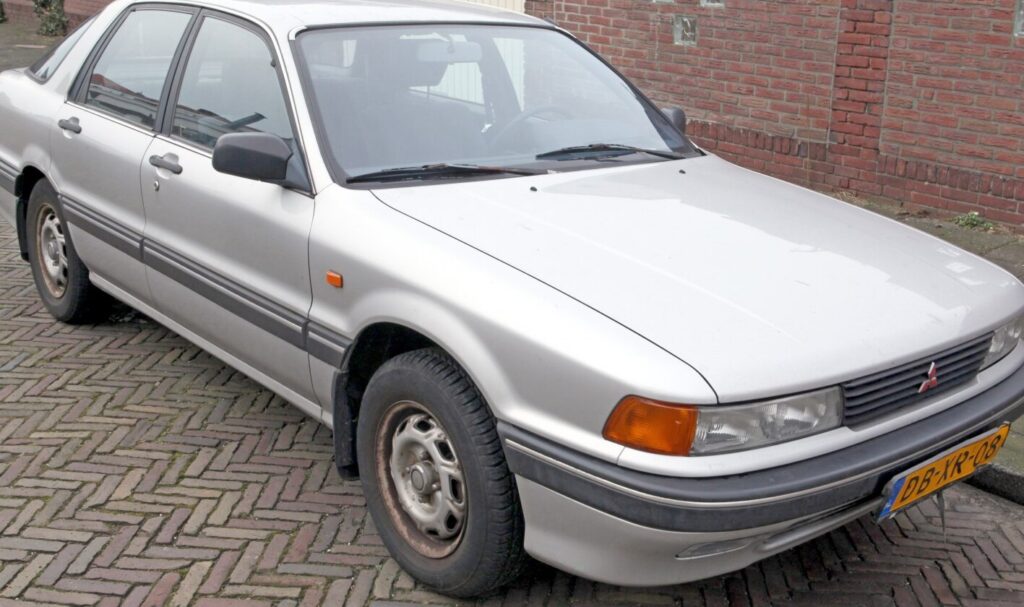
The Mitsubishi Galant VI, produced between 1987 and 1992, represented a significant evolution in Mitsubishi’s mid-size offerings. Within the VI generation (E32A chassis), the 1.8-liter, 90 horsepower hatchback variant occupied a crucial position as the entry-level model in many markets. This version aimed to provide affordable and practical transportation, prioritizing fuel efficiency and ease of use over outright performance. It served as the gateway to the Galant range, appealing to buyers seeking a reliable and spacious vehicle for daily commuting and family duties. The E32A platform itself was a departure from previous Galant designs, embracing more contemporary styling and engineering principles.
The 1.8L E32A Galant Hatchback: A Detailed Overview
The 1.8L hatchback version of the Galant VI was a popular choice, particularly in Europe and Australia, where the hatchback body style was favored. It distinguished itself from other Galant VI models, such as the 2.0-liter variants and the later introduction of turbocharged engines, by offering a more economical and accessible option. While the higher-spec models catered to drivers seeking more power and refinement, the 1.8L focused on practicality and value. This trim level was often equipped with a standard level of features, making it a competitive offering in the crowded mid-size market of the late 1980s and early 1990s.
Powertrain & Engine Architecture
At the heart of the Galant VI 1.8L hatchback lay the 4G63 engine, a 1.8-liter (1798cc) inline-four cylinder gasoline engine. While the 4G63 engine family is well-known for its potential for high performance (particularly in later turbocharged applications like the Mitsubishi Lancer Evolution), this specific iteration was tuned for economy and reliability. It featured a naturally aspirated configuration, producing 90 horsepower (67 kW) and approximately 134 lb-ft of torque. The engine utilized a single overhead camshaft (SOHC) valvetrain with two valves per cylinder. Fuel delivery was managed by a multi-point fuel injection system, a significant upgrade from the carburetors used in earlier Galant models, contributing to improved fuel efficiency and reduced emissions.
The transmission paired with the 1.8L engine was typically a four-speed automatic transmission. This automatic was chosen to enhance the car’s ease of driving, particularly in urban environments. While not known for its sporty responsiveness, the transmission provided smooth shifts and adequate performance for everyday driving. Manual transmission options were available in some markets, but the automatic was the more common choice for this trim level. The automatic transmission’s gear ratios were optimized for fuel economy and comfortable cruising, rather than rapid acceleration. The final drive ratio varied slightly depending on the specific market and model year.
Driving Characteristics
The driving experience in the Galant VI 1.8L automatic was characterized by its smoothness and predictability. Acceleration was adequate for merging onto highways and navigating city streets, but it wasn’t particularly brisk. The 0-60 mph time was estimated to be around 12-14 seconds, placing it behind the more powerful 2.0-liter versions. The automatic transmission, while convenient, did contribute to a slight loss of power compared to the manual transmission options. The engine delivered its peak torque at relatively low RPMs, providing reasonable pulling power for everyday driving situations. However, attempting to accelerate aggressively often required the transmission to downshift, resulting in noticeable engine noise and a less refined experience.
Compared to the higher-output Galant variants, the 1.8L felt noticeably less powerful. The 2.0-liter engines offered a more engaging driving experience, with quicker acceleration and a more responsive feel. However, the 1.8L’s softer suspension tuning and lighter weight (compared to some of the more heavily equipped models) contributed to a comfortable ride quality. The steering was light and easy to use, making it well-suited for urban driving. Overall, the driving characteristics of the 1.8L Galant were geared towards practicality and comfort rather than performance.
Equipment & Trim Levels
The Galant VI 1.8L hatchback typically came equipped with a standard set of features designed to provide a comfortable and functional driving experience. Standard equipment often included power steering, central locking, and a basic audio system. Interior upholstery was typically cloth, with a durable and practical design. The dashboard layout was straightforward and easy to use, with clearly labeled controls. Air conditioning was often an optional extra, as were power windows and upgraded audio systems.
Trim levels varied depending on the market. In some regions, a base model offered minimal features, while higher sub-trims added options like alloy wheels, upgraded interior trim, and a sunroof. The 1.8L model generally served as the foundation for these upgrades, with buyers able to add features as desired. The overall interior ambiance was functional and well-built, reflecting Mitsubishi’s reputation for quality and reliability.
Chassis & Braking
The Galant VI 1.8L hatchback utilized a MacPherson strut front suspension and a multi-link rear suspension. This suspension setup provided a good balance between ride comfort and handling. The suspension was tuned to prioritize comfort, resulting in a relatively soft ride quality. Stabilizer bars were typically included on both the front and rear axles to reduce body roll during cornering. The braking system consisted of disc brakes on the front wheels and drum brakes on the rear wheels. This configuration was common for vehicles in this price range during the late 1980s and early 1990s. The braking performance was adequate for everyday driving, but it wasn’t particularly powerful. Anti-lock brakes (ABS) were available as an optional extra on some models.
Market Reception & Comparison
The Mitsubishi Galant VI 1.8L hatchback received generally positive reviews from automotive critics. It was praised for its fuel efficiency, spacious interior, and comfortable ride quality. However, it was also criticized for its lack of power and somewhat uninspired driving dynamics. Compared to its rivals, such as the Toyota Camry and Honda Accord, the Galant offered a competitive package in terms of price and features. The 1.8L engine provided reasonable fuel economy, making it an attractive option for budget-conscious buyers. However, the higher-output engines offered by competitors provided a more engaging driving experience.
In terms of reliability, the Galant VI 1.8L proved to be a generally dependable vehicle. The 4G63 engine was known for its durability, and the automatic transmission was relatively trouble-free. However, like any vehicle of this age, regular maintenance was essential to ensure long-term reliability. Common issues included minor oil leaks and occasional problems with the fuel injection system.
Technical Specifications
| Body Type | Hatchback |
| Engine Type | Inline-4, Naturally Aspirated |
| Engine Displacement | 1798 cc (1.8 L) |
| Horsepower | 90 hp (67 kW) @ 5500 rpm |
| Torque | 134 lb-ft (182 Nm) @ 3000 rpm |
| Fuel System | Multi-point Fuel Injection |
| Valvetrain | SOHC, 2 valves per cylinder |
| Transmission | 4-speed Automatic |
| Drivetrain | Front-Wheel Drive |
| Brakes (Front) | Disc |
| Brakes (Rear) | Drum |
| Weight | Approximately 2600 lbs (1180 kg) |
| Fuel Economy (City) | 22-26 mpg |
| Fuel Economy (Highway) | 28-32 mpg |
Legacy
The Mitsubishi Galant VI 1.8L hatchback remains a relatively common sight on used car markets today. Its reputation for reliability and affordability has helped it maintain a loyal following. While it may not offer the performance or features of more modern vehicles, it provides a practical and economical transportation option. The 4G63 engine, in its various iterations, continues to be highly regarded by enthusiasts for its durability and potential for modification. The Galant VI 1.8L represents a significant chapter in Mitsubishi’s history, showcasing the company’s commitment to producing reliable and affordable vehicles for the mass market. Parts availability is generally good, making it a relatively easy vehicle to maintain and repair. However, finding well-maintained examples is becoming increasingly challenging as the years pass.