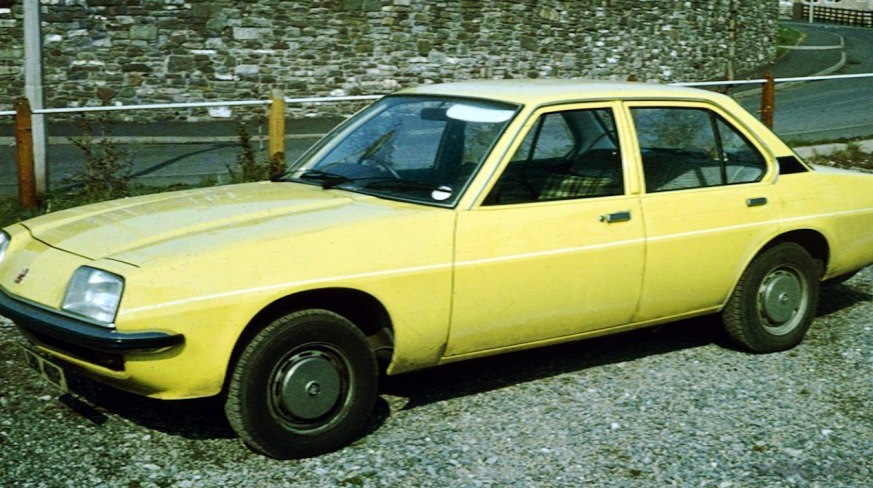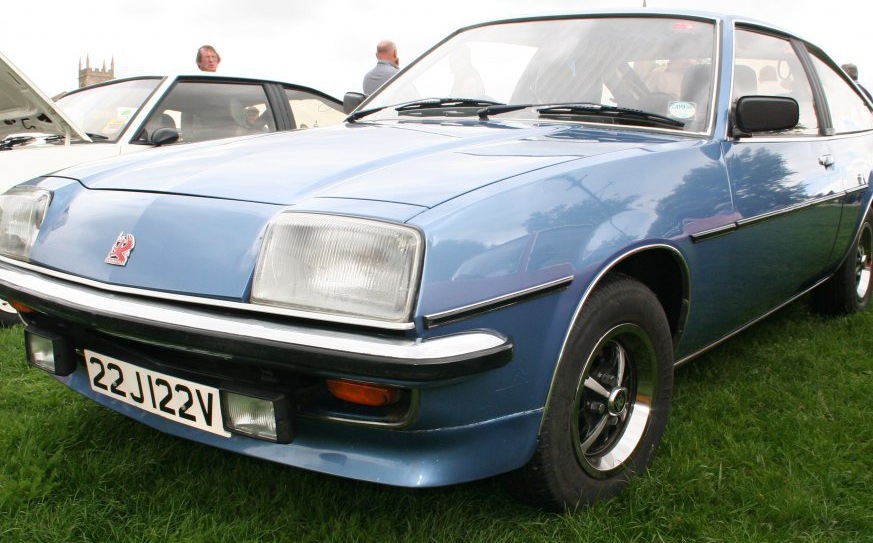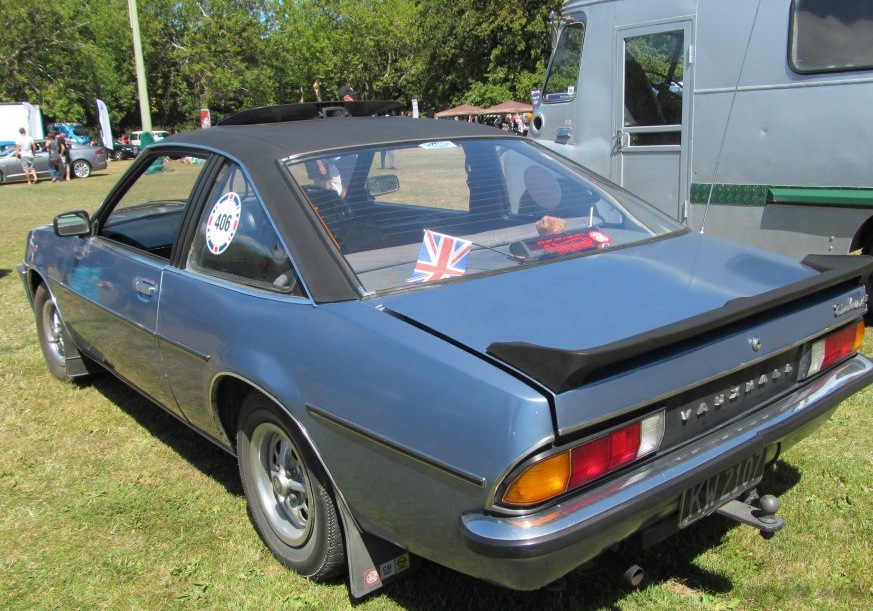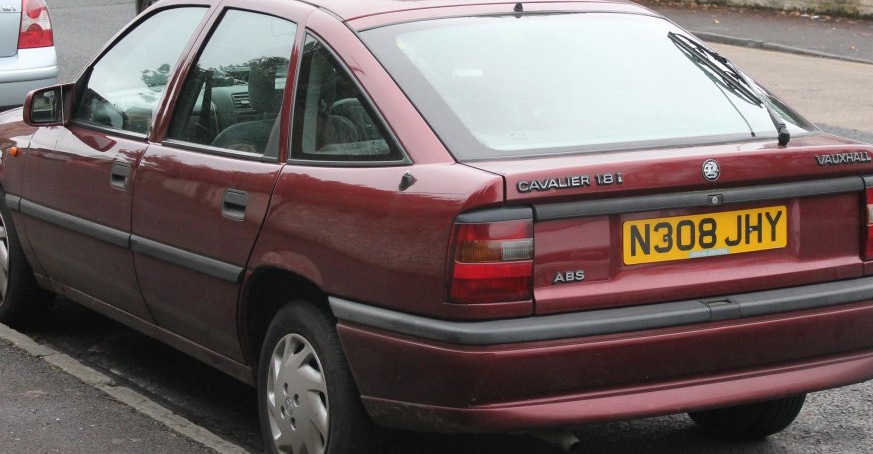
The Vauxhall Cavalier Mk III CC 2.0i 16V, produced between 1994 and 1995, represented a performance-oriented variant within the third generation (Mk III) Cavalier range, designated as the ‘CC’ or Coupé/Convertible, despite being a five-door hatchback. This model sat towards the upper end of the lineup, offering a significant step up in power and driving experience compared to the base models, but positioned below the more expensive and specialized options like the GSi. It was built on the GM41 platform, also known as the 1HX0, shared with other Opel/Vauxhall and Saab models of the era.
Powertrain & Engine Architecture
The heart of the 2.0i 16V was the X20XEV engine, a 1,998 cc (121.93 cu. in.) inline-four cylinder gasoline engine. This engine was a significant upgrade over the earlier 2.0-liter eight-valve units, featuring dual overhead camshafts (DOHC) and four valves per cylinder, contributing to its increased power output. The X20XEV utilized Bosch Motronic MP 3.8 multi-port fuel injection, precisely controlling fuel delivery for optimal performance and emissions. The engine boasted a compression ratio of 10.8:1. Engine lubrication was provided by a 4-liter (4.23 US qt) oil capacity, requiring an oil specification appropriate for the period. The engine’s design emphasized reliability and relatively straightforward maintenance, typical of GM’s engineering philosophy at the time.
The 2.0i 16V was exclusively offered with a five-speed manual transmission. This transmission was chosen to complement the engine’s higher power output and provide a more engaging driving experience. The gearbox featured a conventional layout with synchromesh on all forward gears and reverse. Gear ratios were tuned to balance acceleration and cruising efficiency.
Engine Specifications
Key engine specifications included a power output of 136 hp (101 kW) at 5,600 rpm and a torque figure of 188 Nm (138.66 lb-ft) at 3,200 rpm. This resulted in a power-to-liter ratio of 68.1 hp/liter. The engine’s transverse mounting and front-wheel-drive configuration were standard for this class of vehicle in Europe.
Driving Characteristics
The 2.0i 16V offered a noticeable improvement in performance compared to lower-spec Cavalier models. Acceleration from 0 to 62 mph (0-100 km/h) was achieved in approximately 9.5 seconds, with a top speed of 130.49 mph (210 km/h). The engine delivered a relatively linear power curve, making it responsive in everyday driving situations. The five-speed manual transmission allowed drivers to effectively utilize the engine’s power band, providing good control during both acceleration and deceleration. While not a dedicated sports car, the 2.0i 16V offered a satisfying driving experience, particularly for those seeking a blend of practicality and performance. Compared to the base 1.4 or 1.6-liter models, the 2.0i 16V felt significantly more capable, especially when carrying passengers or luggage. It lacked the outright performance of the GSi models, but offered a more refined and comfortable ride.
Equipment & Trim Levels
The 2.0i 16V trim level typically included features such as central locking, electric front windows, and a basic stereo system. Interior upholstery was generally cloth, with a dark color scheme. The dashboard layout was functional and straightforward, typical of the early 1990s. Optional extras available for this trim included alloy wheels, a sunroof, and upgraded audio systems. Air conditioning was also available as an option, enhancing comfort during warmer months. The level of equipment was a step above the base models, reflecting the higher price point of the 2.0i 16V.
Chassis & Braking
The Cavalier Mk III CC 2.0i 16V utilized an independent McPherson strut front suspension with coil springs and an anti-roll bar. The rear suspension employed a coil spring setup. This suspension configuration provided a good balance between ride comfort and handling. The braking system consisted of ventilated discs on the front wheels and discs on the rear wheels. Anti-lock Braking System (ABS) was standard, enhancing safety by preventing wheel lockup during hard braking. The steering was rack and pinion with hydraulic power assistance, providing precise and responsive steering feel. The vehicle was equipped with 195/60 R15 tires mounted on 15-inch wheels.
Market Reception & Comparison
The 2.0i 16V was generally well-received by automotive critics as a capable and well-rounded family car. It was praised for its improved performance compared to the lower-spec models, as well as its comfortable ride and reasonable fuel economy. Fuel consumption was rated at 6.9 l/100 km (34.1 US mpg, 40.9 UK mpg). Compared to the 1.8-liter models, the 2.0i 16V offered a noticeable performance advantage, but at a slightly higher price. Reliability was generally good, although like all cars of this era, regular maintenance was essential. The 2.0i 16V offered a compelling alternative to rivals such as the Ford Mondeo and Volkswagen Passat.
Technical Specifications
| Brand | Vauxhall |
| Model | Cavalier |
| Generation | Cavalier Mk III CC |
| Type (Engine) | 2.0i 16V (136 Hp) |
| Start of production | 1994 |
| End of production | 1995 |
| Powertrain Architecture | Internal Combustion engine |
| Body type | Hatchback |
| Seats | 5 |
| Doors | 5 |
| Fuel consumption (combined) | 6.9 l/100 km |
| Fuel Type | Petrol (Gasoline) |
| Acceleration 0 – 100 km/h | 9.5 sec |
| Acceleration 0 – 62 mph | 9.5 sec |
| Acceleration 0 – 60 mph | 9 sec |
| Maximum speed | 210 km/h (130.49 mph) |
| Weight-to-power ratio | 9.2 kg/Hp |
| Weight-to-torque ratio | 6.6 kg/Nm |
| Power | 136 Hp @ 5600 rpm |
| Torque | 188 Nm @ 3200 rpm (138.66 lb.-ft. @ 3200 rpm) |
| Engine layout | Front, Transverse |
| Engine Model/Code | X20XEV |
| Engine displacement | 1998 cm3 (121.93 cu. in.) |
| Number of cylinders | 4 |
| Engine configuration | Inline |
| Cylinder Bore | 86 mm (3.39 in.) |
| Piston Stroke | 86 mm (3.39 in.) |
| Compression ratio | 10.8:1 |
| Number of valves per cylinder | 4 |
| Fuel injection system | Multi-port manifold injection |
| Engine aspiration | Naturally aspirated |
| Valvetrain | DOHC |
| Engine oil capacity | 4 l (4.23 US qt | 3.52 UK qt) |
| Coolant | 7.2 l (7.61 US qt | 6.34 UK qt) |
| Kerb Weight | 1245 kg (2744.76 lbs.) |
| Max. weight | 1755 kg (3869.11 lbs.) |
| Max load | 510 kg (1124.36 lbs.) |
| Trunk (boot) space – minimum | 460 l (16.24 cu. ft.) |
| Trunk (boot) space – maximum | 1290 l (45.56 cu. ft.) |
| Fuel tank capacity | 61 l (16.11 US gal | 13.42 UK gal) |
| Length | 4352 mm (171.34 in.) |
| Width | 1706 mm (67.17 in.) |
| Height | 1400 mm (55.12 in.) |
| Wheelbase | 2600 mm (102.36 in.) |
| Front track | 1426 mm (56.14 in.) |
| Rear track | 1432 mm (56.38 in.) |
| Drivetrain Architecture | Front wheel drive |
| Number of gears | 5 |
| Gearbox type | Manual transmission |
| Front brakes | Ventilated discs |
| Rear brakes | Disc |
| Tires size | 195/60 R15 |
Legacy
The X20XEV engine, found in the 2.0i 16V Cavalier, proved to be a relatively durable and reliable unit when properly maintained. Today, examples of this car are becoming increasingly rare, and well-preserved models are sought after by enthusiasts. While not immune to the typical issues associated with older vehicles – such as corrosion and age-related component failure – the X20XEV engine itself is generally considered robust. The 2.0i 16V represents a sweet spot in the Cavalier Mk III range, offering a good balance of performance, practicality, and affordability in the used car market. Its relative simplicity compared to more modern vehicles makes it appealing to those who enjoy working on their own cars.