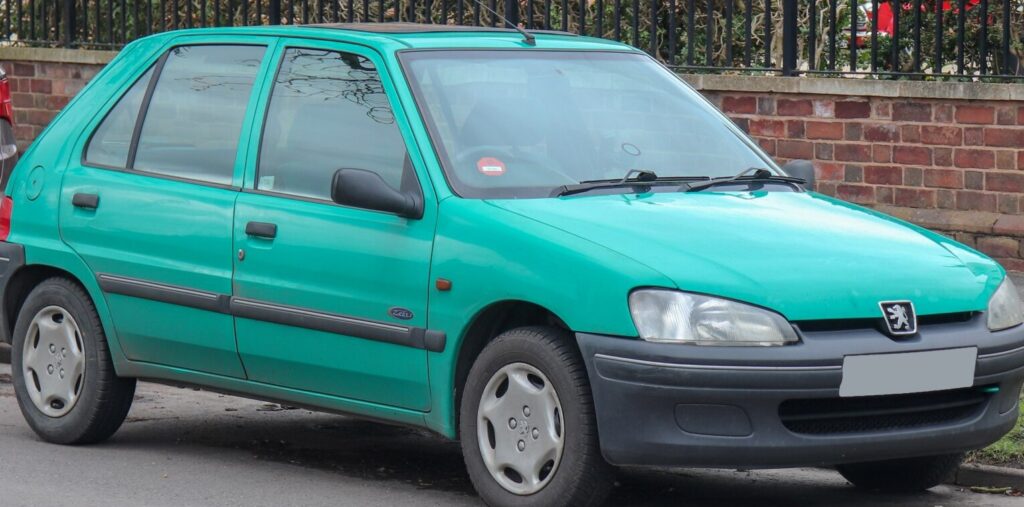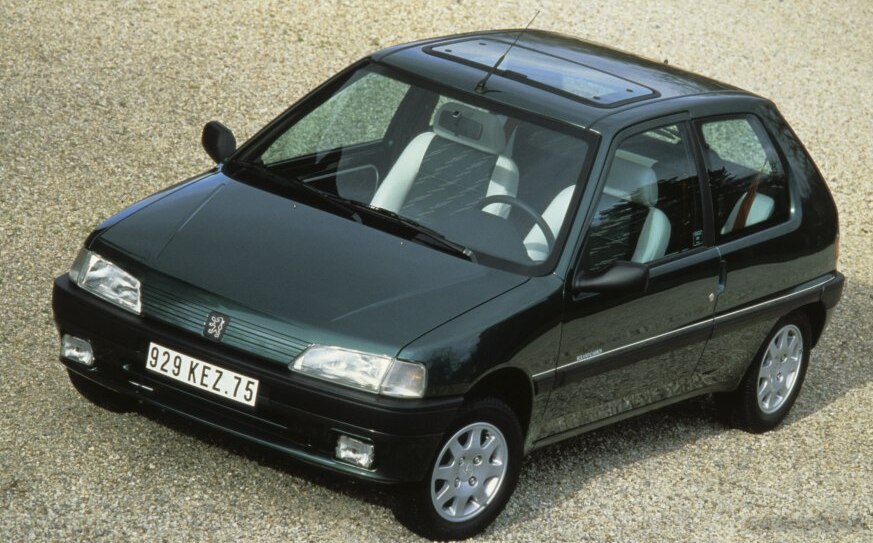
The Peugeot 106 I (1A/C) 1.3, produced between 1993 and 1996, represents a significant entry point into the supermini segment for Peugeot. This variant, powered by the TU2J2 engine producing 98 horsepower, occupied a middle ground within the 106 range, offering a balance between affordability, practicality, and a degree of performance not found in the base models. The 106 I, launched in 1991, was Peugeot’s replacement for the 205, aiming to provide a modern, economical, and stylish small car for the European market. The 1.3-liter model was a key component of the initial lineup, appealing to buyers seeking a step up from the base 1.1-liter engine without the expense of the more potent 1.6 or Rallye variants.
Peugeot 106 I (1A/C) 1.3: An Overview
The 106 I (1A/C) was a three-door hatchback, though a five-door version was later introduced. The 1.3-liter engine was offered alongside a 1.1-liter and a 1.6-liter engine, catering to a diverse range of customer needs. The 1.3 model aimed to provide a more refined driving experience than the base 1.1, with improved acceleration and cruising ability. It was positioned as a practical and economical choice for urban commuting and shorter journeys, while still offering enough power for occasional highway use. The 1A/C designation refers to the first generation of the 106, with ‘C’ denoting the body style.
Powertrain & Engine Architecture
The heart of the 106 I 1.3 is the TU2J2 engine, a 1.328-liter (80.9 cubic inches) naturally aspirated inline-four cylinder petrol engine. This engine belongs to the Peugeot-Citroën TU series, known for its robustness and relatively simple design. The TU2J2 features a single overhead camshaft (SOHC) operating two valves per cylinder. Fuel delivery is managed by a Bosch Mono-Motronic fuel injection system, a single-point injection system that was common in European cars of the era. While not as sophisticated as multi-point injection, Mono-Motronic provided reliable and efficient fuel delivery for the engine’s output. The engine produces 98 hp (73 kW) at 6000 rpm and 89 lb-ft (121 Nm) of torque at 4000 rpm.
The 106 1.3 was typically paired with a five-speed manual transmission, but a four-speed automatic transmission was also available, albeit less common. The automatic transmission, while offering convenience, did impact performance and fuel economy compared to the manual version. The transmission was a conventional hydraulic automatic, offering smooth but not particularly quick shifts. The final drive ratio varied slightly depending on the transmission chosen, influencing the car’s overall gearing and acceleration.
Driving Characteristics
The Peugeot 106 I 1.3 offered a surprisingly lively driving experience for a small car. The 98 hp engine, while not exceptionally powerful, provided adequate acceleration for everyday driving. The car felt nimble and responsive, thanks to its light weight and well-tuned suspension. The five-speed manual transmission allowed drivers to keep the engine in its optimal power band, resulting in brisk acceleration. The automatic transmission, while convenient, noticeably dulled the car’s performance, with slower acceleration and a less engaging driving experience. The steering was light and precise, making the 106 easy to maneuver in urban environments. The suspension provided a comfortable ride, absorbing bumps and imperfections in the road surface effectively. However, the car’s small wheelbase and short track width meant that it could feel somewhat unsettled at higher speeds or on uneven surfaces.
Equipment & Trim Levels
The 106 I 1.3 was generally well-equipped for its price point. Standard features typically included central locking, power steering, and a basic stereo system. Interior upholstery was typically cloth, with a simple and functional dashboard layout. Higher trim levels, such as the ‘X’ or ‘Style’ variants, added features like electric windows, a sunroof, and upgraded interior trim. Optional extras included alloy wheels, metallic paint, and a more sophisticated stereo system. The interior was designed with practicality in mind, offering ample space for passengers and luggage considering the car’s small size. The rear seats could be folded down to increase cargo capacity. Safety features were relatively basic by modern standards, typically including seatbelts and a driver’s airbag.
Chassis & Braking
The Peugeot 106 I 1.3 utilized a MacPherson strut front suspension and a torsion beam rear suspension. This setup provided a good balance between ride comfort and handling. The front suspension featured coil springs and dampers, while the rear suspension relied on a simple and cost-effective torsion beam design. The braking system consisted of disc brakes on the front wheels and drum brakes on the rear wheels. The brakes were adequate for the car’s weight and performance, providing sufficient stopping power in most driving conditions. The car’s relatively light weight contributed to its good braking performance. Anti-lock braking system (ABS) was not standard on all models, but was available as an optional extra.
Market Reception & Comparison
The Peugeot 106 I 1.3 was generally well-received by automotive critics. It was praised for its stylish design, nimble handling, and economical engine. Critics noted that the 1.3-liter engine offered a good balance between performance and fuel economy, making it a practical choice for everyday driving. Compared to its siblings, the 1.1-liter model was considered underpowered, while the 1.6-liter and Rallye variants offered significantly more performance but at a higher price point. The 1.3 model occupied a sweet spot in the lineup, offering a good compromise between affordability and driving enjoyment. Fuel economy was a strong point, with the 1.3-liter engine achieving around 45-50 mpg in mixed driving conditions. Reliability was generally good, although the Mono-Motronic fuel injection system could occasionally require maintenance. Compared to rivals such as the Renault Clio and the Citroën Saxo, the 106 1.3 offered a similar level of performance and equipment, but with a more distinctive and stylish design.
Technical Specifications
| Engine Type | 1.328 L Inline-4 Petrol |
| Engine Code | TU2J2 |
| Displacement | 1328 cc (80.9 cu in) |
| Horsepower | 98 hp (73 kW) @ 6000 rpm |
| Torque | 89 lb-ft (121 Nm) @ 4000 rpm |
| Fuel System | Bosch Mono-Motronic Single-Point Injection |
| Valvetrain | SOHC, 2 valves per cylinder |
| Transmission | 5-speed Manual or 4-speed Automatic |
| Drivetrain | Front-Wheel Drive |
| Curb Weight | 1796 lbs (815 kg) – approximate |
| Top Speed | 109 mph (175 km/h) – approximate |
| 0-60 mph | 11.5 seconds – approximate (Manual) |
| Fuel Economy (Combined) | 45-50 mpg (5.2-5.7 L/100km) – approximate |
| Engine Oil Capacity | 3.2 liters (3.38 US qt, 2.82 UK qt) |
| Coolant Capacity | 6 liters (6.34 US qt, 5.28 UK qt) |
Legacy
The Peugeot 106 I 1.3 remains a popular choice among classic car enthusiasts and budget-conscious buyers. The TU2J2 engine is known for its durability and relatively simple maintenance requirements. However, age-related issues such as corrosion and wear and tear on suspension components are common. Parts availability is generally good, although some specific components may be difficult to find. The 106 I 1.3 is often praised for its affordability, practicality, and enjoyable driving experience. It represents a significant chapter in Peugeot’s history, showcasing the company’s ability to produce stylish and economical small cars. Today, well-maintained examples of the 106 I 1.3 can be found on the used car market, offering a charming and affordable alternative to more modern vehicles. The car’s simple design and robust engine make it a relatively easy car to maintain and repair, appealing to DIY mechanics and enthusiasts.