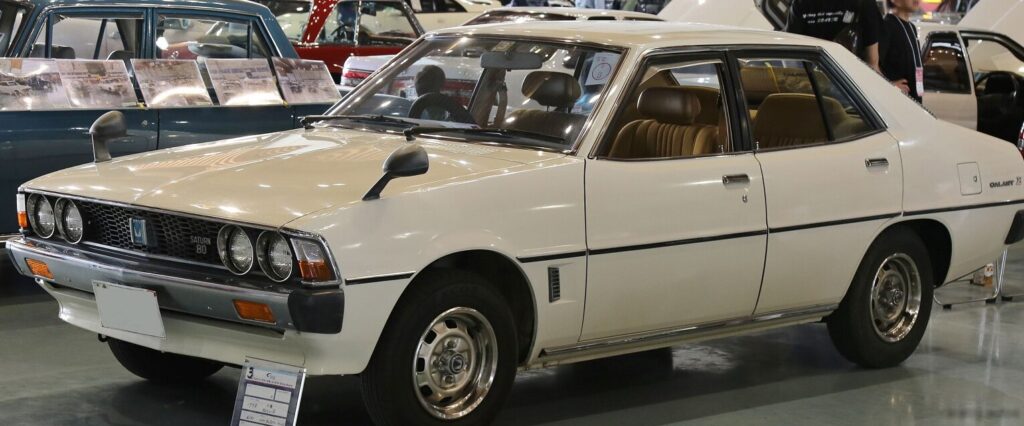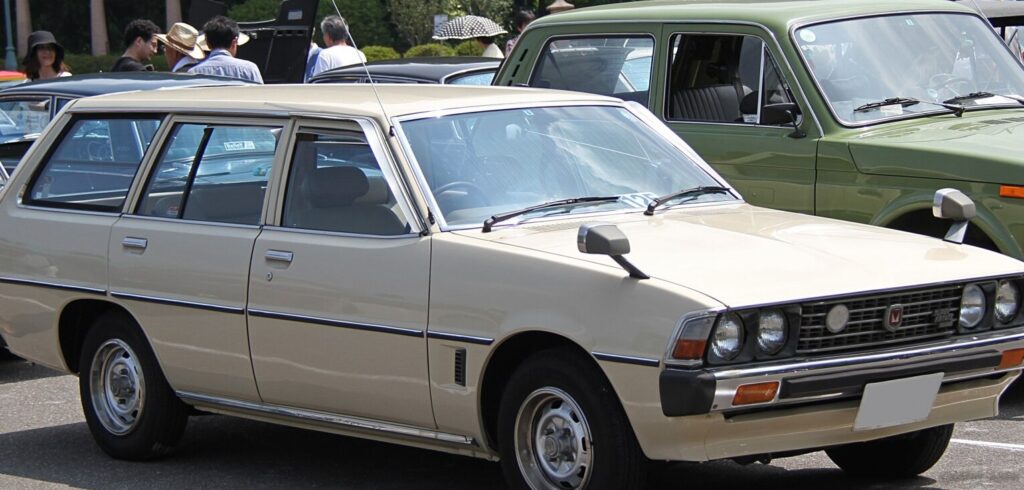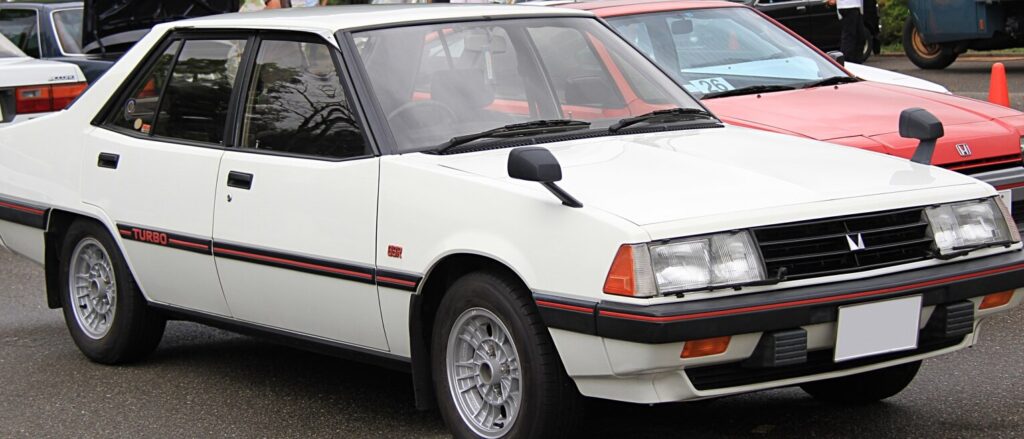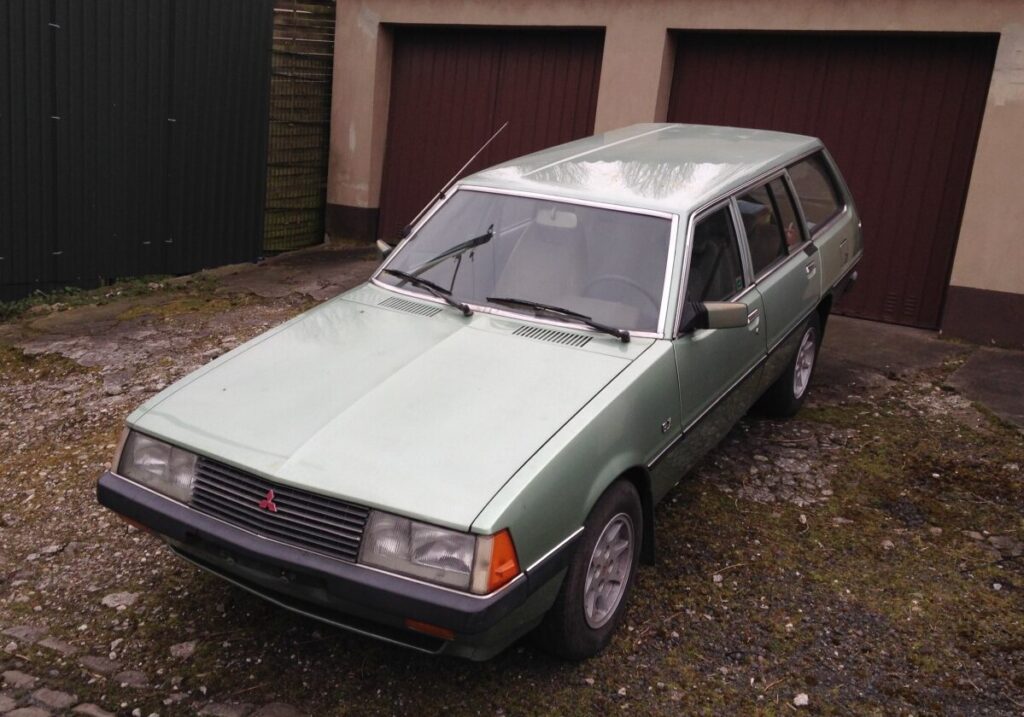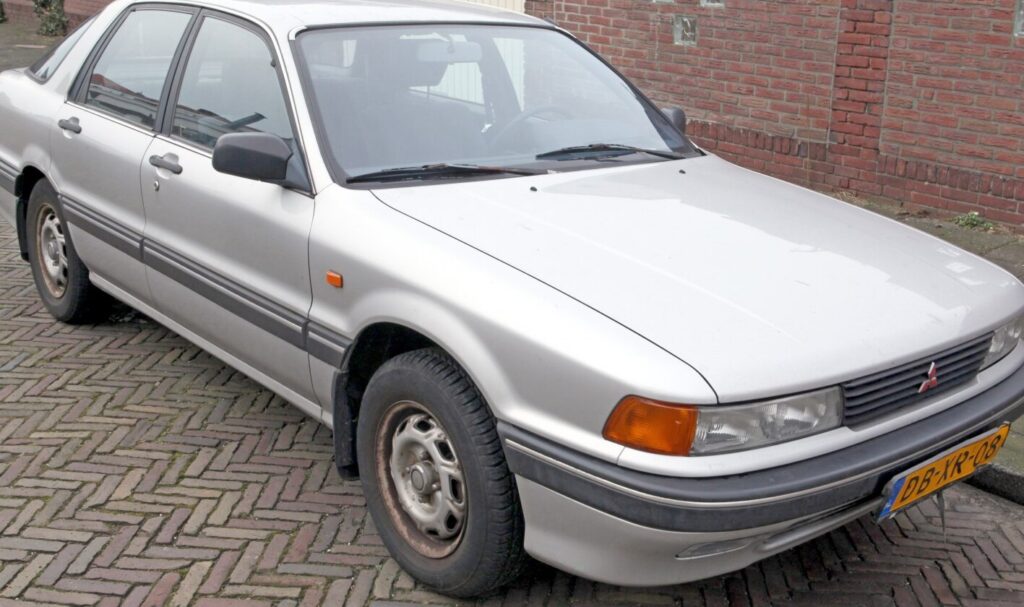
The Mitsubishi Galant VI Hatchback 1.8 Turbo-D (E34A), produced between 1987 and 1992, represents a unique offering within the sixth generation (E30 series) of Mitsubishi’s Galant line. This variant, characterized by its turbocharged diesel engine, was primarily aimed at European markets where diesel fuel was more prevalent and economically advantageous. The E34A chassis code specifically denotes this hatchback body style equipped with the 1.8-liter turbocharged diesel engine. Positioned as a more fuel-efficient alternative to the gasoline-powered Galant models, the 1.8 Turbo-D catered to buyers seeking practicality and lower running costs, though at the expense of outright performance. It occupied a niche within the Galant VI range, offering a different proposition than the more common gasoline engines available.
Mitsubishi Galant VI 1.8 Turbo-D: An Overview
The Galant VI, launched in 1988, was a significant departure from its predecessor, featuring a more aerodynamic design and a larger interior. The hatchback body style, while less common in the North American market, was popular in Europe and offered increased versatility. The introduction of the 1.8 Turbo-D engine was a response to growing demand for diesel-powered vehicles, particularly in countries with high gasoline taxes. This engine combined a relatively small displacement with turbocharging to deliver acceptable performance while maintaining good fuel economy. The E34A model was not officially sold in the United States, making it a relatively rare sight even among Galant enthusiasts today.
Powertrain & Engine Architecture
The heart of the Galant VI 1.8 Turbo-D is the 4D56T engine, a 1.8-liter inline-four cylinder diesel engine equipped with a turbocharger and intercooler. This engine produces 75 horsepower (hp) and approximately 127 lb-ft of torque. The engine utilizes indirect injection, a common feature of diesel engines of that era. The fuel injection system is a mechanical, distributor-type pump, delivering fuel directly into the pre-combustion chambers. The valvetrain consists of a single overhead camshaft (SOHC) operating two valves per cylinder. The turbocharger, a Garrett unit in many examples, forces more air into the engine, increasing power output. The intercooler cools the compressed air from the turbocharger, further enhancing performance and reducing the risk of detonation.
The transmission paired with the 1.8 Turbo-D is typically a five-speed manual gearbox, although a four-speed automatic transmission was also available, albeit less common. The automatic transmission, while offering convenience, resulted in a noticeable reduction in performance and fuel economy. The drivetrain is front-wheel drive, a standard configuration for the Galant VI. The engine’s relatively low compression ratio (around 23:1) and the turbocharger contribute to its characteristic diesel sound and power delivery – strong low-end torque but a relatively narrow power band.
Driving Characteristics
The driving experience in a Galant VI 1.8 Turbo-D is markedly different from that of the gasoline-powered variants. While lacking the brisk acceleration of the 2.0-liter gasoline engines, the diesel offers significantly more low-end torque. This makes it well-suited for everyday driving and hauling loads, but less exciting for spirited driving. The turbocharger provides a noticeable boost in power once the engine reaches a certain RPM, but the overall performance is modest by modern standards. The five-speed manual transmission allows for better control and utilization of the engine’s torque, while the four-speed automatic feels somewhat sluggish. Gear ratios are geared towards fuel efficiency rather than outright speed. The steering is relatively light, and the suspension provides a comfortable ride, although it can feel somewhat soft in corners. Compared to the gasoline models, the diesel version is noticeably heavier, which impacts handling and braking performance.
Equipment & Trim Levels
The Galant VI 1.8 Turbo-D typically came with a fairly basic level of equipment, reflecting its positioning as a more affordable and practical option. Standard features generally included power steering, central locking, and cloth upholstery. Higher trim levels, such as the GLX, offered additional features like electric windows, a sunroof, and upgraded interior trim. Air conditioning was often an optional extra. The dashboard layout is functional and straightforward, with clearly labeled controls. Interior space is generous for a vehicle of its size, offering ample headroom and legroom for both front and rear passengers. The hatchback configuration provides a large and versatile cargo area, making it suitable for carrying luggage or other bulky items. The availability of options varied depending on the specific market.
Chassis & Braking
The Galant VI utilizes a MacPherson strut front suspension and a multi-link rear suspension. The suspension is tuned for comfort, providing a relatively smooth ride over uneven surfaces. Stabilizer bars are fitted to both the front and rear axles to reduce body roll during cornering. Braking systems varied depending on the trim level and market. Lower-spec models typically featured drum brakes on the rear wheels, while higher-spec models were equipped with disc brakes all around. The front brakes are ventilated discs, providing good stopping power. Power assistance is standard for the brakes. The steering system is a rack-and-pinion type, offering precise and responsive steering. The chassis is relatively robust, providing a solid and stable platform for the vehicle.
Market Reception & Comparison
The Mitsubishi Galant VI 1.8 Turbo-D was generally well-received in European markets as a fuel-efficient and practical family car. Critics praised its low running costs and comfortable ride, but noted its lack of outright performance. Compared to the gasoline-powered Galant models, the diesel version offered significantly better fuel economy, but at the expense of acceleration and refinement. The 1.8 Turbo-D was often compared to other diesel-powered sedans and hatchbacks of the era, such as the Volkswagen Jetta Diesel and the Ford Sierra Diesel. In terms of reliability, the 4D56T engine is generally considered to be a robust and durable unit, although it is susceptible to wear and tear over time, particularly if not properly maintained. Fuel economy typically ranged from 45 to 55 mpg, depending on driving conditions.
Technical Specifications
| Engine Type | 4D56T 1.8L Turbo Diesel Inline-4 |
| Displacement | 1798 cc (1.8 liters) |
| Power Output | 75 hp @ 4000 rpm |
| Torque | 127 lb-ft @ 2400 rpm |
| Fuel Injection | Mechanical, Indirect |
| Valvetrain | SOHC, 2 valves per cylinder |
| Turbocharger | Garrett (typically) |
| Compression Ratio | 23:1 (approx.) |
| Transmission | 5-speed manual or 4-speed automatic |
| Drivetrain | Front-Wheel Drive |
| Brakes (Front) | Ventilated Discs |
| Brakes (Rear) | Discs or Drums (depending on trim) |
| Suspension (Front) | MacPherson Strut |
| Suspension (Rear) | Multi-Link |
| Weight | Approximately 2700 lbs (1225 kg) |
Legacy
The Mitsubishi Galant VI 1.8 Turbo-D, while not a high-performance model, holds a unique place in the Galant lineage. The 4D56T engine proved to be a reliable and durable powerplant, and many examples are still on the road today. In the used car market, these Galants are often sought after by enthusiasts looking for a classic diesel vehicle with a distinctive character. Maintenance can be relatively straightforward, although finding parts specific to the diesel engine can sometimes be challenging. The 1.8 Turbo-D represents a period when diesel engines were gaining popularity in Europe, and it offers a glimpse into the automotive landscape of the late 1980s and early 1990s. Its fuel efficiency and robust engine continue to appeal to those seeking a practical and economical classic car.