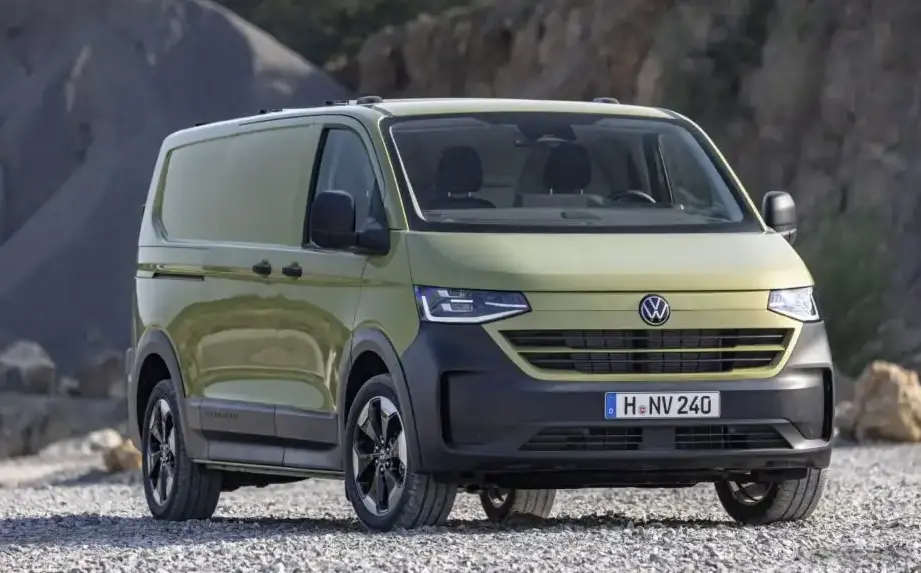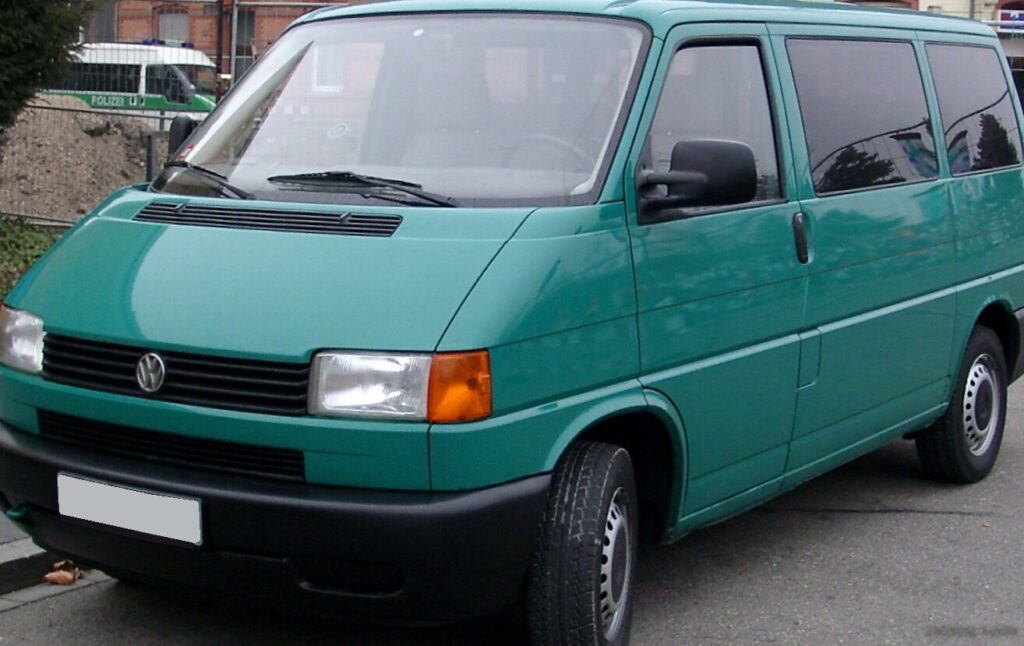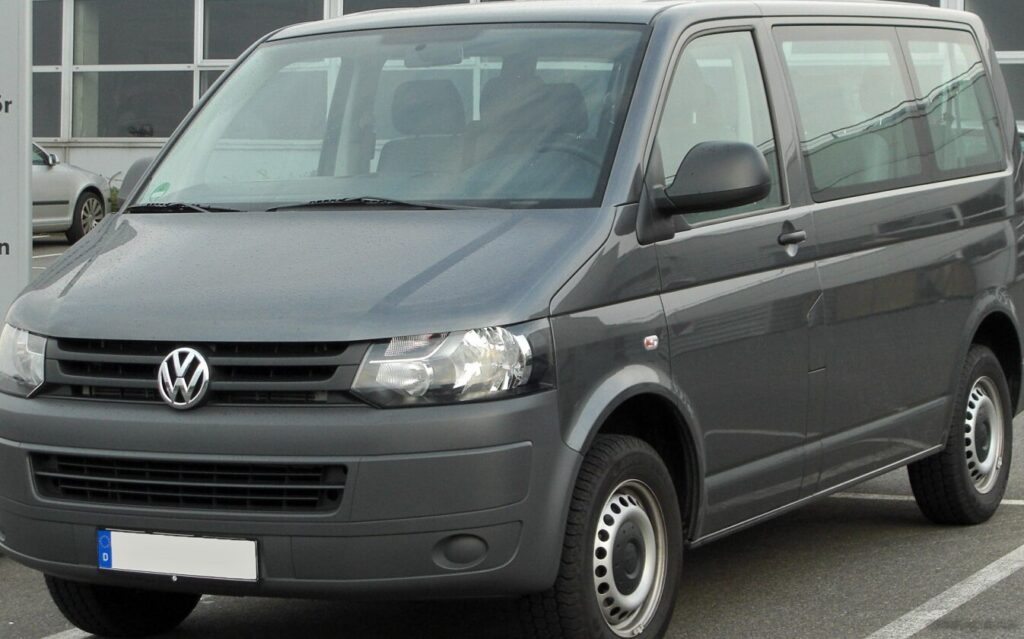
The Volkswagen Transporter (T5) facelift, produced from 2009 to 2015, represented a significant update to the fifth generation of Volkswagen’s popular commercial vehicle. Within this generation, the Kombi variant offered a blend of cargo capacity and passenger comfort, catering to both commercial and family needs. The 2.0 TDI BMT (BlueMotion Technology) with 140 horsepower, introduced in 2012, was a key engine option during the later years of the T5’s production run. This configuration, typically paired with a six-speed manual transmission, occupied a middle ground in the T5 lineup, offering a balance between fuel efficiency, performance, and cost. It sat below the more powerful TDI variants and above the base petrol engines, targeting buyers who needed a versatile vehicle for work and leisure.
Powertrain & Engine Architecture
The heart of the Transporter Kombi 2.0 TDI BMT is the EA189 series 2.0-liter inline four-cylinder diesel engine, specifically the CAAC engine code. This engine is a turbocharged common rail direct injection diesel. The EA189 family was widely used across the Volkswagen Group during this period, known for its relatively compact size and robust construction. The ‘BMT’ designation signifies the inclusion of BlueMotion Technology, a suite of fuel-saving measures. These included optimized engine mapping, a stop-start system, and regenerative braking.
The engine utilizes a turbocharger with an intercooler to boost power and efficiency. The common rail direct injection system, operating at a pressure of 1600 bar, ensures precise fuel delivery and optimized combustion. The engine features a double overhead camshaft (DOHC) valvetrain with four valves per cylinder, contributing to improved breathing and power output. The 2.0 TDI BMT produces 140 hp (103 kW) at 3500 rpm and 340 Nm (250.77 lb-ft) of torque between 1750 and 2500 rpm. The engine oil capacity is 7 liters (7.4 US qt / 6.16 UK qt), and the coolant capacity is 11 liters (11.62 US qt / 9.68 UK qt). The compression ratio is 16.5:1.
Transmission
While an automatic transmission was available on some T5 models, the 2.0 TDI BMT was most commonly paired with a six-speed manual transmission. This gearbox was chosen for its efficiency and driver engagement. The gear ratios were optimized to provide a balance between acceleration and fuel economy. First gear was relatively short for easy starts from a standstill, while higher gears were geared for comfortable cruising at highway speeds. The manual transmission also allowed drivers to take full control of the engine’s power delivery, which was particularly useful when carrying heavy loads or navigating challenging terrain.
Driving Characteristics
The 140 hp 2.0 TDI BMT-equipped Transporter Kombi offered a practical and capable driving experience. Acceleration was not its strong suit, with a 0-100 km/h (0-62 mph) time of around 13.1 seconds. However, the engine’s 340 Nm of torque provided ample pulling power for everyday driving and hauling loads. The engine felt responsive at lower and mid-range speeds, making it well-suited for urban and suburban environments. On the highway, the Transporter Kombi could maintain a comfortable cruising speed, although overtaking maneuvers required careful planning. Compared to the more powerful TDI variants (like the 180 hp version), the 140 hp engine felt less strained when fully loaded. Compared to the base petrol engines, the TDI BMT offered significantly improved fuel economy and torque.
Equipment & Trim Levels
The Transporter Kombi 2.0 TDI BMT typically came with a reasonable level of standard equipment. This included features such as power windows, central locking, an adjustable steering wheel, and a basic audio system. The interior upholstery was typically cloth, with durable and practical materials used throughout the cabin. The dashboard layout was functional and straightforward, with easy-to-read gauges and controls. Optional extras included air conditioning, a more advanced audio system with Bluetooth connectivity, parking sensors, and alloy wheels. Higher trim levels offered additional features such as upgraded upholstery, cruise control, and a multi-function steering wheel. The Kombi configuration allowed for flexible seating arrangements, with options for multiple rows of seats and various configurations to accommodate different passenger and cargo needs.
Chassis & Braking
The T5 Transporter Kombi utilized a robust chassis designed to handle both passenger and cargo loads. The front suspension consisted of independent McPherson struts with coil springs and an anti-roll bar, providing a comfortable ride and good handling. The rear suspension employed a semi-independent trailing arm setup with coil springs and a transverse stabilizer bar. This configuration offered a good balance between ride comfort and load-carrying capacity. The braking system featured ventilated discs on all four wheels, providing ample stopping power. The front brakes measured 308×29.5 mm, while the rear brakes were 294×22 mm. Anti-lock Braking System (ABS) was standard, enhancing safety and control during emergency braking situations. The steering system was a hydraulic power-assisted rack and pinion setup, providing precise and responsive steering feel.
Market Reception & Comparison
The Volkswagen Transporter T5, in general, enjoyed a strong reputation for reliability and practicality. The 2.0 TDI BMT engine was well-regarded for its fuel efficiency and reasonable performance. Critics praised the T5’s versatility and build quality. However, some noted that the 140 hp engine could feel underpowered when fully loaded or when driving on steep inclines. Fuel economy figures were competitive, with combined cycle consumption averaging around 7 l/100 km (33.6 US mpg / 40.4 UK mpg). Compared to other vans in its class, the Transporter T5 offered a premium feel and a more refined driving experience. However, it was also generally more expensive than some of its competitors. The 2.0 TDI BMT offered a good compromise between running costs and performance, making it a popular choice for businesses and families alike.
Technical Specifications
| Brand | Volkswagen |
| Model | Transporter (T5, facelift 2009) Kombi |
| Type | 2.0 TDI BMT (140 Hp) L1H1 |
| Start of production | 2012 |
| End of production | 2015 |
| Engine | EA189 / CAAC 2.0L Inline-4 Diesel |
| Power | 140 hp @ 3500 rpm |
| Torque | 340 Nm @ 1750-2500 rpm (250.77 lb-ft) |
| Fuel Consumption (Urban) | 8.9 l/100 km (26.4 US mpg) |
| Fuel Consumption (Extra Urban) | 5.9 l/100 km (39.9 US mpg) |
| Fuel Consumption (Combined) | 7 l/100 km (33.6 US mpg) |
| CO2 Emissions | 184 g/km |
| Acceleration 0-100 km/h | 13.1 sec |
| Maximum Speed | 173 km/h (107.5 mph) |
| Kerb Weight | 1901 kg (4190.99 lbs) |
| Max. Weight | 2800-3200 kg (6172.94 – 7054.79 lbs) |
| Fuel Tank Capacity | 80 l (21.13 US gal) |
| Engine Displacement | 1968 cm3 (120.09 cu. in.) |
| Compression Ratio | 16.5:1 |
| Number of Cylinders | 4 |
Legacy
The 2.0 TDI BMT engine, while part of the EA189 family that later faced scrutiny regarding emissions, proved to be a relatively reliable powertrain when properly maintained. Common issues included diesel particulate filter (DPF) clogging, particularly with frequent short journeys, and potential problems with the turbocharger. However, these issues were not unique to this engine and could be mitigated with regular servicing and careful driving habits. Today, used T5 Transporter Kombi 2.0 TDI BMT models remain a popular choice for those seeking a versatile and affordable commercial vehicle. Their relatively low running costs and practical design continue to appeal to a wide range of buyers. The T5 generation, and this variant in particular, has established itself as a dependable workhorse and a capable family vehicle, maintaining a strong presence in the used car market.