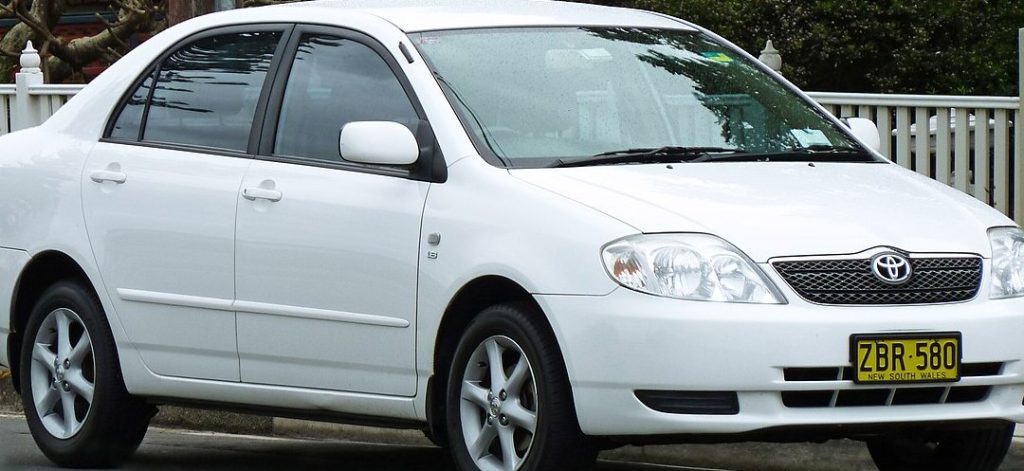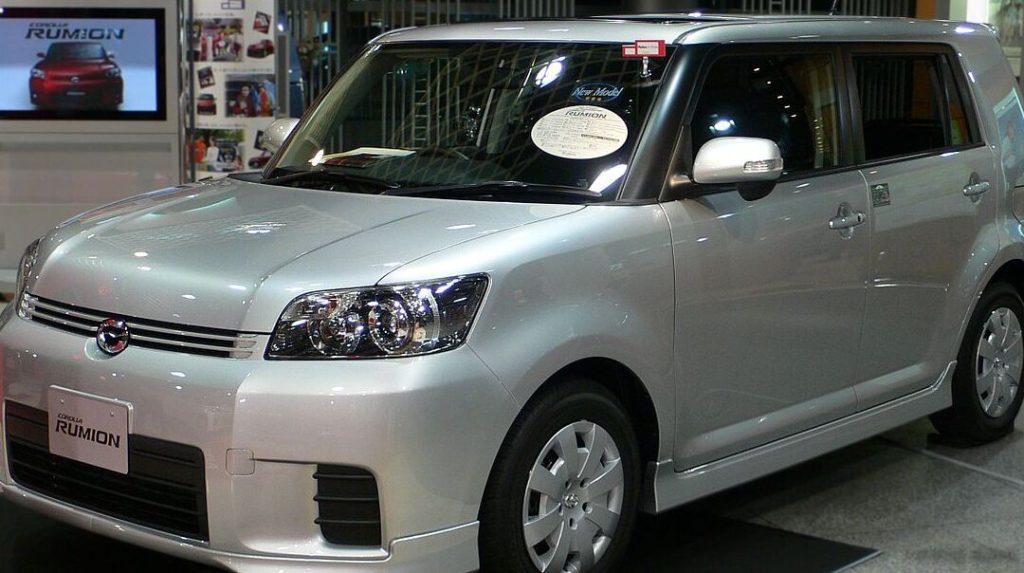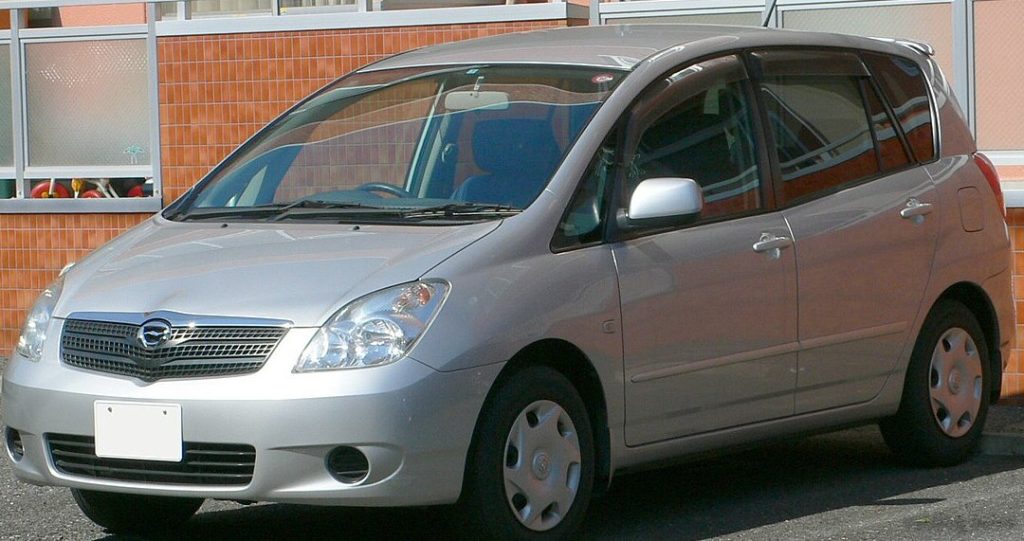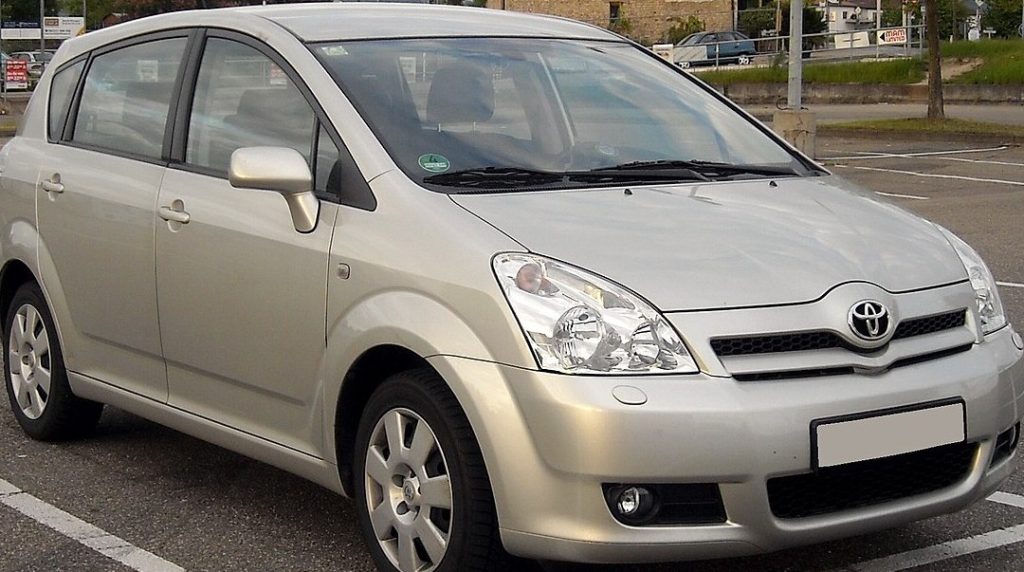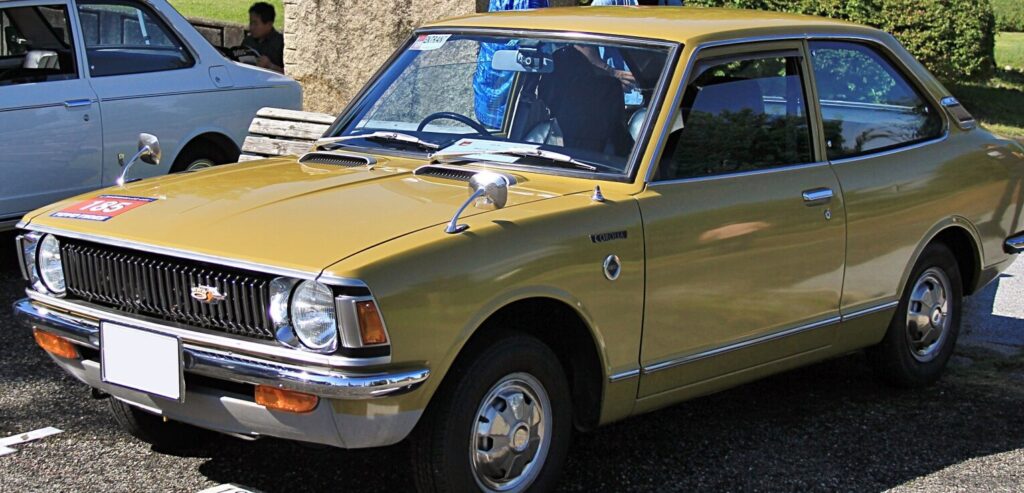
The Toyota Corolla II 2-door sedan (E20) SL 1200, produced between 1970 and 1974, represented a significant step forward for Toyota in the compact car market. This variant, powered by the 1.2-liter 3K-B engine producing 77 horsepower, served as an entry-level offering within the E20 Corolla II range. It was positioned as a practical and economical choice for buyers seeking basic transportation, particularly in markets where smaller, fuel-efficient vehicles were gaining popularity. The E20 generation itself was a crucial model for Toyota, building upon the success of the original Corolla and establishing the brand’s reputation for reliability and affordability. The SL 1200 specifically targeted buyers who prioritized fuel economy and ease of maintenance over outright performance.
Powertrain & Engine Architecture
The heart of the Corolla II SL 1200 was the Toyota 3K-B engine, a 1,166 cc (71.15 cubic inches) inline-four cylinder gasoline engine. This engine featured a relatively simple overhead valve (OHV) valvetrain with two valves per cylinder. The 3K-B utilized a single carburetor for fuel delivery, a common practice for engines of this era. The engine’s bore and stroke measured 75 mm (2.95 inches) and 66 mm (2.6 inches) respectively, resulting in a compression ratio of 10:1. The engine produced 77 hp at 6,600 rpm and 94 Nm (69.33 lb-ft) of torque at 4,600 rpm. While not a powerhouse, the 3K-B was known for its durability and ease of repair. The engine was mounted longitudinally in the front of the vehicle.
The SL 1200 was equipped with a four-speed manual transmission. This transmission was chosen to maximize fuel efficiency and keep costs down. The gear ratios were tailored to provide adequate acceleration from a standstill and reasonable cruising speeds, though it wasn’t designed for rapid acceleration. The drivetrain was rear-wheel drive, a common configuration for cars of this period.
Engine Code Specifics
The 3K-B engine code designates a specific iteration of the 3K family. Early 3K engines were known to have some oil consumption issues, which were largely addressed with the ‘B’ revision. The 3K-B featured improved piston ring design and valve stem seals to mitigate oil leakage. Maintenance on the 3K-B is relatively straightforward, requiring regular oil changes, valve adjustments, and carburetor cleaning. Parts availability remains good, even today, due to the engine’s widespread use and the continued support from aftermarket suppliers.
Driving Characteristics
The Corolla II SL 1200 offered a modest driving experience. With 77 horsepower propelling a relatively lightweight vehicle (765 kg or 1686.54 lbs), acceleration was adequate for city driving and highway merging, but not particularly brisk. The four-speed manual transmission required frequent shifting to maintain optimal engine speed. The rear-wheel-drive configuration provided a balanced feel, though handling was not as sharp as more modern front-wheel-drive cars. The steering, utilizing a cone worm and recirculation balls system, was relatively heavy but provided decent feedback. Compared to potential future higher-performance Corolla variants, the SL 1200 prioritized fuel economy and ease of use over sporty handling or rapid acceleration. The power delivery was linear, making it easy for novice drivers to control.
Equipment & Trim Levels
The SL 1200 trim level represented the base model of the Corolla II 2-door sedan. Standard features were minimal, reflecting its position as an affordable entry-level vehicle. The interior typically featured vinyl upholstery and a simple dashboard layout. Amenities were limited to the essentials: basic instrumentation (speedometer, fuel gauge), a steering wheel, and minimal trim. Optional extras were available, such as a radio, upgraded seat upholstery, and a heater. However, these options were typically added at extra cost. The focus was on providing a functional and durable interior rather than luxury or advanced features.
Chassis & Braking
The Corolla II SL 1200 utilized a relatively conventional chassis design for the early 1970s. The front suspension consisted of an independent coil spring setup with a transverse stabilizer bar, providing a reasonable level of ride comfort. The rear suspension employed a rigid axle with leaf springs, a cost-effective and durable design. The braking system featured disc brakes on the front wheels and drum brakes on the rear. This configuration was typical for cars in this price range at the time. The steering system was a cone worm with recirculation balls, offering a reasonable level of precision but requiring some effort from the driver.
Market Reception & Comparison
The Toyota Corolla II SL 1200 was generally well-received by critics and consumers alike. It was praised for its fuel efficiency (5 l/100 km or 47 US mpg), reliability, and affordability. Compared to other trims in the Corolla II lineup, the SL 1200 offered the most economical option. While higher-spec models offered more power and features, they came at a higher price point. The SL 1200 competed with other compact cars of the era, such as the Datsun 1200 and the Volkswagen Beetle. It often outperformed these rivals in terms of fuel economy and reliability. However, some critics noted the SL 1200’s lack of power and basic interior appointments.
Technical Specifications
| Brand | Toyota |
| Model | Corolla II 2-door sedan (E20) |
| Type | SL 1200 (77 Hp) |
| Production Years | 1970-1974 |
| Engine Model/Code | 3K-B |
| Engine Displacement | 1166 cm3 (71.15 cu. in.) |
| Number of Cylinders | 4, Inline |
| Valve Configuration | OHV, 2 valves/cylinder |
| Fuel System | Carburetor |
| Maximum Power | 77 Hp @ 6600 rpm |
| Maximum Torque | 94 Nm (69.33 lb.-ft.) @ 4600 rpm |
| Compression Ratio | 10:1 |
| Transmission | 4-speed Manual |
| Drivetrain | Rear-Wheel Drive |
| Kerb Weight | 765 kg (1686.54 lbs.) |
| Fuel Tank Capacity | 45 l (11.89 US gal | 9.9 UK gal) |
| Length | 3945 mm (155.31 in.) |
| Width | 1505 mm (59.25 in.) |
| Height | 1375 mm (54.13 in.) |
| Wheelbase | 2335 mm (91.93 in.) |
| Fuel Consumption (Combined) | 5 l/100 km (47 US mpg, 56.5 UK mpg, 20 km/l) |
| Maximum Speed | 160 km/h (99.42 mph) |
Legacy
The Toyota Corolla II SL 1200, while a relatively basic vehicle, played a significant role in establishing Toyota’s reputation for building reliable and affordable cars. The 3K-B engine proved to be remarkably durable, and many examples are still on the road today. In the used car market, the SL 1200 is sought after by enthusiasts and collectors who appreciate its simplicity and classic styling. Parts availability remains relatively good, making it a viable option for restoration projects. The SL 1200’s enduring appeal is a testament to Toyota’s engineering prowess and its commitment to building cars that stand the test of time. The powertrain, while not powerful by modern standards, is known for its longevity and relatively low maintenance costs, making it a popular choice for those seeking a classic car experience without the complexities of more modern vehicles.