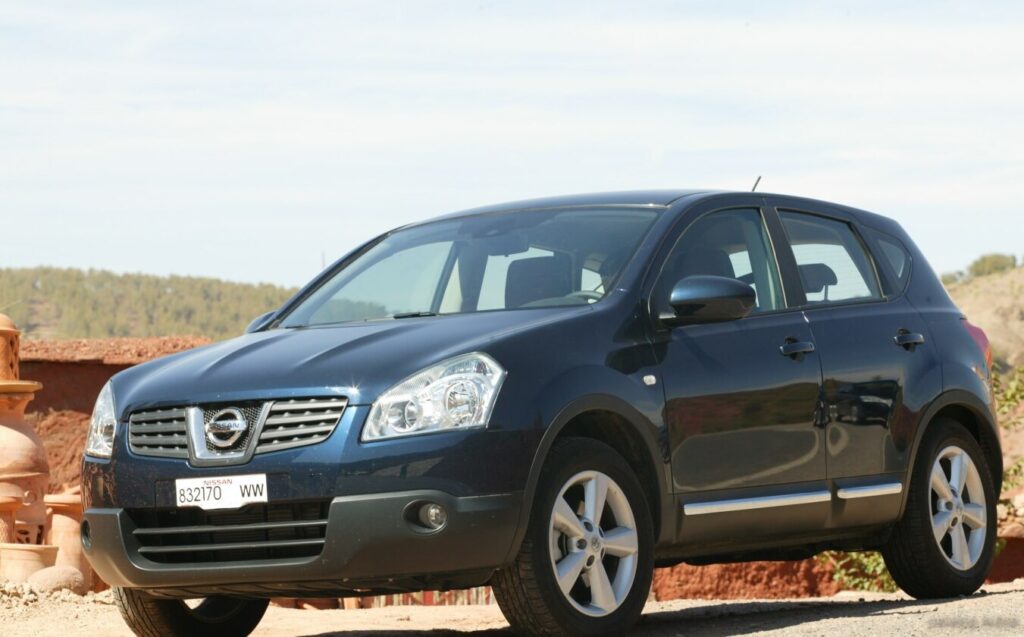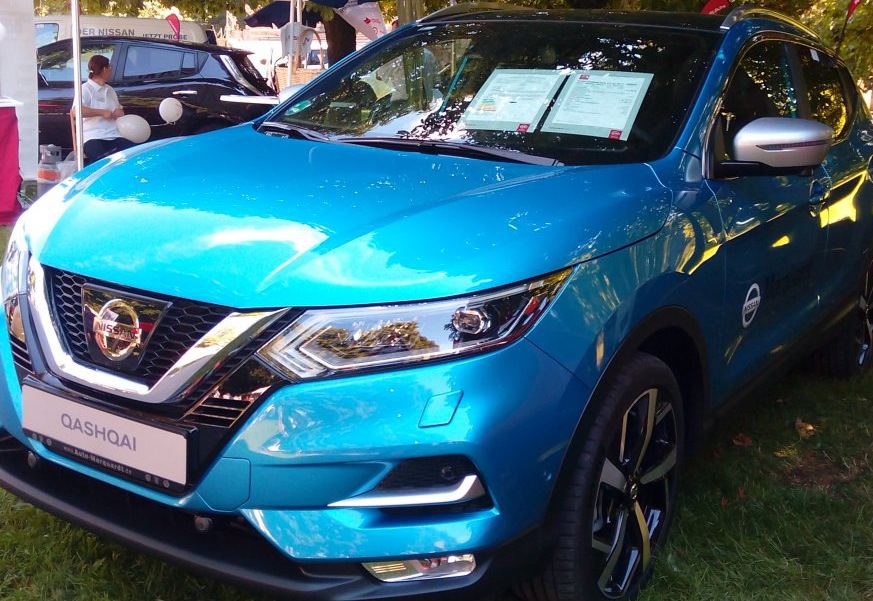
The Nissan Qashqai II (J11), specifically the 1.7 dCi 150 horsepower (hp) 4×4 variant, represents a significant offering within the second generation of Nissan’s popular crossover SUV. Introduced in January 2019 as part of the facelifted J11 series, production continued through September 2020. This model occupied a mid-range position in the Qashqai lineup, appealing to buyers seeking a balance between fuel efficiency, all-weather capability, and reasonable performance. It was positioned above the base 1.3 DiG-T models and below the higher-specification trims with larger engines or more luxurious appointments.
1.7 dCi 150 hp 4×4: Powertrain & Engine Architecture
At the heart of this Qashqai variant lies the Renault-Nissan Alliance’s R9N 1.7-liter four-cylinder diesel engine. This engine, a member of the dCi (Direct Common-rail Injection) family, is characterized by its robust construction and focus on fuel economy. The R9N engine produces 150 hp at 3500 rpm and a substantial 340 Nm (250.77 lb-ft) of torque at 1750 rpm. This torque output is a key characteristic, providing strong low-end and mid-range acceleration, particularly useful for everyday driving and towing. The engine utilizes a turbocharger with an intercooler to enhance power output and efficiency. Fuel is delivered via a common rail direct injection system, allowing for precise fuel metering and optimized combustion. The engine features four valves per cylinder and an inline configuration.
The 1.7 dCi engine is paired with a six-speed manual transmission. While an automatic transmission was available on other Qashqai models, the 150 hp 4×4 was exclusively offered with a manual gearbox. This transmission is known for its smooth operation and relatively precise shift feel. The all-wheel-drive system is an intelligent system that normally operates in front-wheel drive to maximize fuel efficiency, automatically engaging the rear wheels when traction is lost. This system enhances stability and control in adverse weather conditions or on slippery surfaces.
Engine Specifications
The R9N engine is known for its relatively simple design, contributing to its reliability. It incorporates a diesel particulate filter (DPF) to reduce harmful emissions, meeting Euro 6 d-TEMP emission standards. The engine requires 5.9 liters (6.23 US quarts) of engine oil, specified to meet Nissan’s stringent requirements. The cooling system holds 7.3 liters (7.71 US quarts) of coolant.
Driving Characteristics
The 1.7 dCi 150 hp 4×4 Qashqai delivers a composed and practical driving experience. Acceleration from 0 to 100 km/h (0-62 mph) takes approximately 9.5 seconds, while 0-60 mph is achieved in around 9 seconds. The maximum speed is rated at 192 km/h (119.3 mph). The engine’s strong torque output makes it feel more responsive than its horsepower figure might suggest, providing ample power for overtaking and climbing hills. The six-speed manual transmission allows drivers to keep the engine in its optimal power band. The all-wheel-drive system provides enhanced grip and stability, particularly noticeable on loose surfaces or in wet conditions. Compared to the lower-powered 1.3 DiG-T models, the 1.7 dCi offers significantly more pulling power and a more relaxed driving experience, especially when fully loaded or towing. However, it doesn’t offer the outright performance of higher-specification Qashqais equipped with more powerful engines.
Equipment & Trim Levels
The 1.7 dCi 150 hp 4×4 Qashqai typically came equipped with a solid range of standard features. These included air conditioning, a touchscreen infotainment system with Bluetooth connectivity, alloy wheels, and a comprehensive suite of safety features such as ABS, electronic stability control, and multiple airbags. Higher trim levels, such as Tekna and N-Connecta, added features like navigation, parking sensors, a rearview camera, and more advanced driver-assistance systems. Interior upholstery was typically cloth, with options for leather upgrades on higher trims. Dashboard configuration was consistent across the range, featuring a modern and functional design. Optional extras included a panoramic sunroof, heated seats, and a premium audio system.
Chassis & Braking
The Qashqai II utilizes a front MacPherson strut suspension and a rear multi-link suspension, providing a comfortable ride and good handling characteristics. The 4×4 variant typically features slightly stiffer suspension components to accommodate the added weight and complexity of the all-wheel-drive system. Braking is handled by disc brakes on all four wheels, providing ample stopping power. The steering system is an electric power-assisted rack and pinion system, offering light and precise steering feel. Tire sizes varied depending on the trim level, ranging from 215/65 R16 to 225/45 R19. The curb weight of the 1.7 dCi 4×4 Qashqai ranges from 1533 to 1620 kg (3379.69 to 3571.49 lbs), depending on the specific equipment and options.
Market Reception & Comparison
The Nissan Qashqai II 1.7 dCi 150 hp 4×4 was generally well-received by automotive critics. It was praised for its fuel efficiency, comfortable ride, and all-weather capability. Fuel economy figures are rated between 5.1-5.2 l/100 km (46.1 – 45.2 US mpg) combined. Compared to the petrol-powered Qashqai models, the 1.7 dCi offered significantly better fuel economy. However, some critics noted that the engine could be somewhat noisy under hard acceleration. In terms of reliability, the R9N engine has proven to be generally reliable, although owners should be mindful of maintaining the DPF system to prevent issues. Compared to other trims in the Qashqai lineup, the 1.7 dCi 4×4 offered a compelling balance of performance, economy, and practicality, making it a popular choice for buyers seeking a versatile and efficient crossover SUV.
Technical Specifications
| Body Type | SUV, Crossover |
| Engine Type | 1.7 dCi Diesel |
| Engine Displacement | 1749 cm3 (106.73 cu. in.) |
| Number of Cylinders | 4, Inline |
| Power Output | 150 hp @ 3500 rpm |
| Torque Output | 340 Nm (250.77 lb-ft) @ 1750 rpm |
| Transmission | 6-speed Manual |
| Drive Type | All-Wheel Drive (4×4) |
| Acceleration 0-100 km/h | 9.5 sec |
| Maximum Speed | 192 km/h (119.3 mph) |
| Fuel Consumption (Combined) | 5.1-5.2 l/100 km (46.1 – 45.2 US mpg) |
| CO2 Emissions | 133 g/km |
| Kerb Weight | 1533-1620 kg (3379.69 – 3571.49 lbs.) |
| Fuel Tank Capacity | 65 l (17.17 US gal) |
| Trunk Space (Minimum) | 430 l (15.19 cu. ft.) |
| Trunk Space (Maximum) | 1598 l (56.43 cu. ft.) |
Legacy
The Nissan Qashqai II 1.7 dCi 150 hp 4×4 has established a solid reputation in the used car market. The R9N engine, when properly maintained, is known for its longevity and reliability. However, potential buyers should be aware of the importance of regular DPF maintenance to avoid costly repairs. The all-wheel-drive system adds to the vehicle’s appeal, particularly in regions with harsh winters or challenging road conditions. As a result, this variant continues to be a popular choice for buyers seeking a practical, efficient, and capable crossover SUV. Its blend of fuel economy, all-weather capability, and reasonable performance ensures its continued relevance in the used car market for years to come.