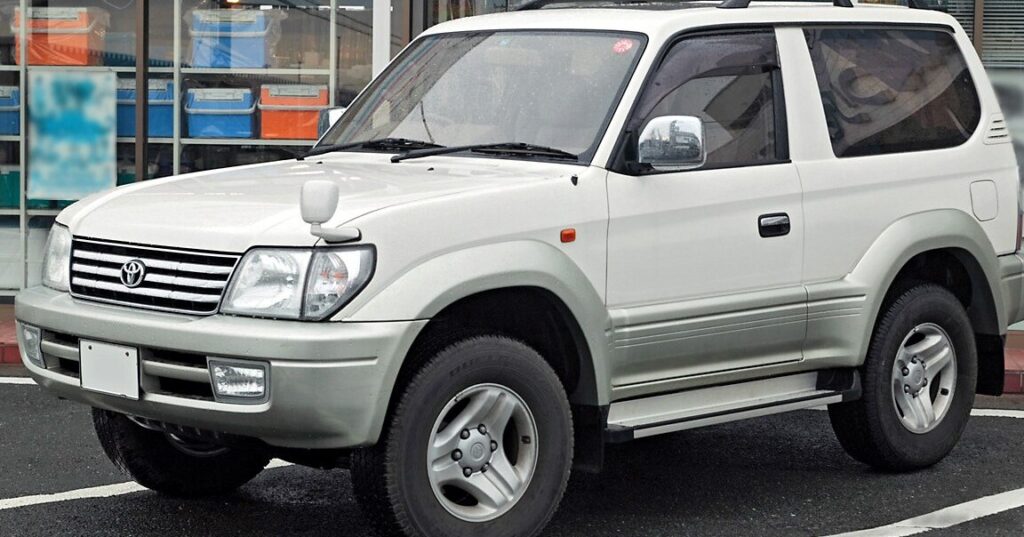
The Toyota Land Cruiser Prado J90, specifically the 3-door model produced between 2000 and 2002, represents a significant iteration in the Prado lineage. This variant was equipped with a 3.0-liter turbocharged diesel engine producing 145 horsepower, coupled with a five-speed manual transmission and a permanent four-wheel-drive system. Positioned as a more utilitarian and compact offering within the J90 range, it catered to buyers prioritizing off-road capability and practicality over outright luxury. The facelifted J90, introduced in 2000, brought revised styling and mechanical refinements compared to the pre-facelift models, enhancing both its aesthetic appeal and overall performance.
Powertrain & Engine Architecture
The heart of the 3-door Prado 3.0 TD is the 1KZ-TE engine, a 2,982 cc (181.97 cu. in.) inline-four cylinder diesel. This engine utilizes a precombustion chamber injection system, a common feature in Toyota diesel engines of the era, known for its robustness and relatively quiet operation compared to direct injection systems. The 1KZ-TE boasts a compression ratio of 21:1 and is equipped with a turbocharger and intercooler, boosting power output to 145 hp at 3600 rpm and 343 Nm (252.98 lb-ft) of torque at 2000 rpm. The engine features an Overhead Camshaft (OHC) valvetrain with two valves per cylinder. Engine oil capacity is 7 liters (7.4 US qt / 6.16 UK qt), and the recommended coolant capacity is 10 liters (10.57 US qt / 8.8 UK qt).
The five-speed manual transmission was the sole gearbox option for this variant. The transmission’s gear ratios were optimized for both on-road cruising and low-speed off-road maneuvering. First gear was relatively low, providing ample torque multiplication for challenging terrain, while fifth gear offered a comfortable cruising speed on highways. The permanent four-wheel-drive system, a hallmark of the Land Cruiser, ensured consistent traction in various conditions. A transfer case allowed the driver to select between high and low range gearing, further enhancing off-road prowess.
Engine Code Specifics
The 1KZ-TE engine code is crucial for identifying this specific powerplant. It signifies a diesel engine with a turbocharger and intercooler. Toyota’s 1KZ series engines are renowned for their durability and longevity, making them popular choices in regions where reliability is paramount. The precombustion chamber design, while slightly less efficient than direct injection, contributes to quieter operation and reduced emissions compared to some contemporary diesel engines. Maintenance typically involves regular oil and filter changes, fuel filter replacement, and periodic inspection of the turbocharger and intercooler system.
Driving Characteristics
The 3-door Prado 3.0 TD offered a balanced driving experience. While not exceptionally quick, the 145 hp and 343 Nm of torque provided sufficient power for everyday driving and off-road excursions. The turbocharger provided a noticeable boost in power at lower engine speeds, minimizing turbo lag. The manual transmission allowed for precise control over gear selection, enabling the driver to maximize engine efficiency and performance. Compared to larger Land Cruiser models or those equipped with more powerful engines, the 3-door Prado felt more nimble and responsive, particularly in tight off-road situations. However, it lacked the refined ride quality and acceleration of its more luxurious counterparts.
The weight-to-power ratio of 12.6 kg/hp and weight-to-torque ratio of 5.3 kg/Nm indicate a respectable, though not outstanding, level of performance. The vehicle’s relatively low weight, ranging from 1820-1840 kg (4012.41 – 4056.51 lbs), contributed to its agility and fuel efficiency. The manual transmission, while requiring more driver involvement, generally delivered better fuel economy than an automatic counterpart would have.
Equipment & Trim Levels
The 3-door Prado 3.0 TD was typically equipped with a functional, rather than luxurious, interior. Standard features generally included air conditioning, power steering, and basic instrumentation. Upholstery was typically cloth, with durable and practical materials used throughout the cabin. The dashboard layout was straightforward and easy to use, prioritizing functionality over aesthetics. Optional extras could include power windows, central locking, and an upgraded audio system. The 3-door configuration meant rear seat access was somewhat limited, and rear passenger space was less generous than in the 5-door model.
Chassis & Braking
The Prado J90 utilized a robust body-on-frame construction, providing excellent durability and off-road capability. The front suspension consisted of a coil spring, double wishbone setup with a transverse stabilizer bar, while the rear suspension employed a rigid axle with coil springs. This configuration provided a good balance between ride comfort and off-road articulation. Braking duties were handled by ventilated discs on all four wheels, providing ample stopping power. An Anti-lock Braking System (ABS) was included as a standard safety feature. The steering system was a rack and pinion type with hydraulic power assistance, offering precise and responsive steering feel. The vehicle rode on 215/80 R16 tires, chosen for their durability and off-road traction.
Market Reception & Comparison
The 3-door Prado 3.0 TD was generally well-received by buyers seeking a capable and reliable off-road vehicle. Critics praised its robust construction, durable engine, and excellent four-wheel-drive system. However, some noted its relatively basic interior and lack of refinement compared to more luxurious SUVs. Compared to the 5-door Prado models, the 3-door variant offered greater maneuverability in tight spaces and a more focused off-road experience. Compared to higher-output Prado variants, such as those equipped with gasoline engines, the 3.0 TD offered superior fuel economy and torque at low engine speeds, making it ideal for challenging terrain. Its reliability was a key selling point, contributing to its strong resale value.
Technical Specifications
| Brand | Toyota |
| Model | Land Cruiser Prado |
| Generation | Land Cruiser Prado (J90, facelift 2000) 3-door |
| Type | 3.0 TD (145 Hp) 4WD |
| Start of production | 2000 year |
| End of production | 2002 year |
| Engine Model/Code | 1KZ-TE |
| Engine displacement | 2982 cm3 / 181.97 cu. in. |
| Number of cylinders | 4, Inline |
| Power | 145 Hp @ 3600 rpm |
| Torque | 343 Nm @ 2000 rpm / 252.98 lb.-ft. @ 2000 rpm |
| Compression ratio | 21:1 |
| Fuel injection system | Precombustion chamber injection |
| Kerb Weight | 1820-1840 kg / 4012.41 – 4056.51 lbs. |
| Max. weight | 2115 kg / 4662.78 lbs. |
| Fuel tank capacity | 90 l / 23.78 US gal / 19.8 UK gal |
| Length | 4255 mm / 167.52 in. |
| Width | 1820 mm / 71.65 in. |
| Height | 1880 mm / 74.02 in. |
| Wheelbase | 2370 mm / 93.31 in. |
| Number of gears and type of gearbox | 5 gears, manual transmission |
Legacy
The Toyota Land Cruiser Prado J90 3-door 3.0 TD has established a strong reputation for reliability and durability. The 1KZ-TE engine, in particular, is highly regarded for its longevity and relatively low maintenance costs. In the used car market, these vehicles continue to command reasonable prices, reflecting their enduring appeal and reputation for dependability. While newer SUVs offer more advanced features and refinement, the J90 Prado remains a popular choice for those seeking a capable and trustworthy off-road vehicle. Its simple mechanical design and readily available parts contribute to its continued viability and ease of maintenance, ensuring its place as a classic in the Land Cruiser lineage.