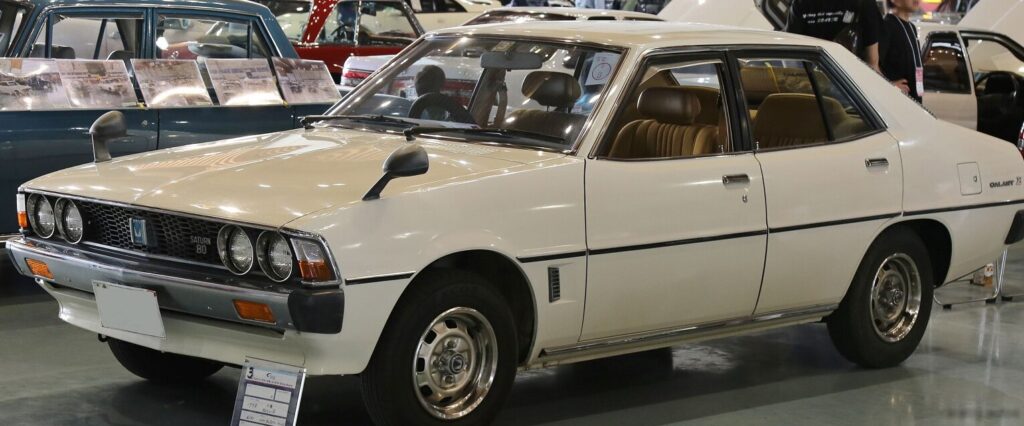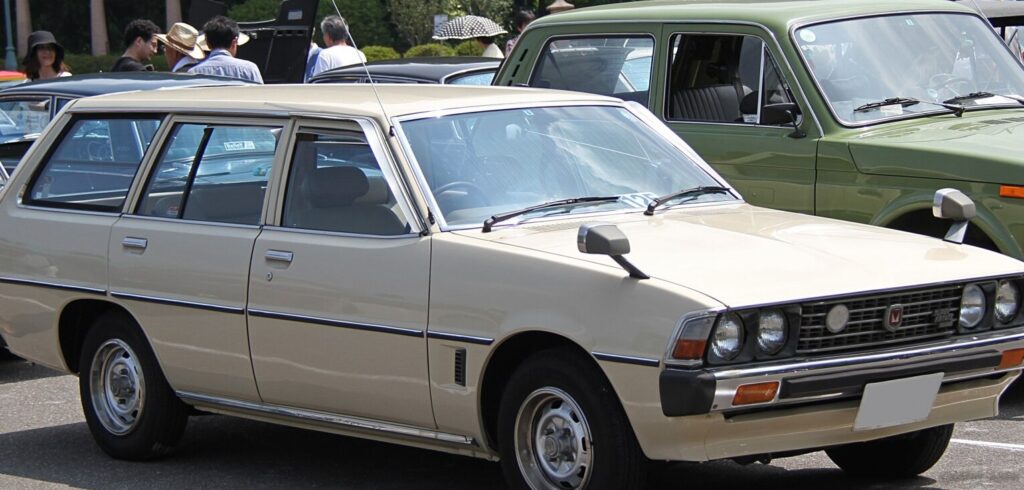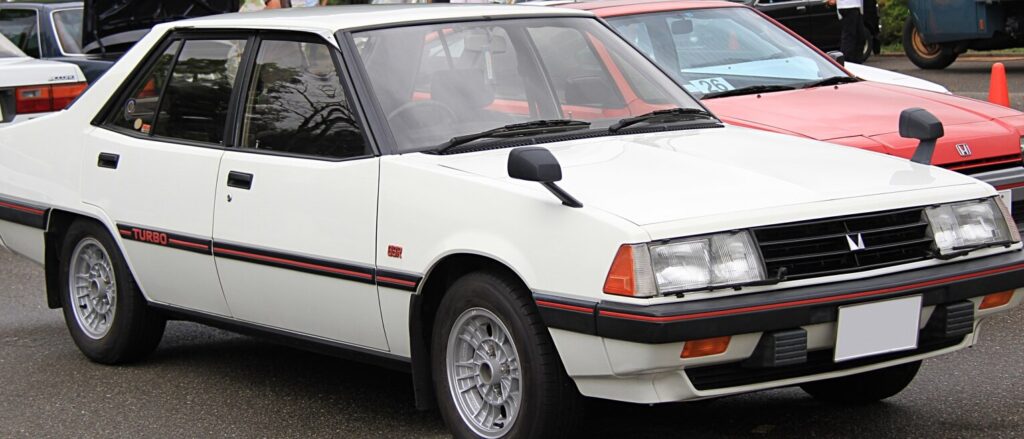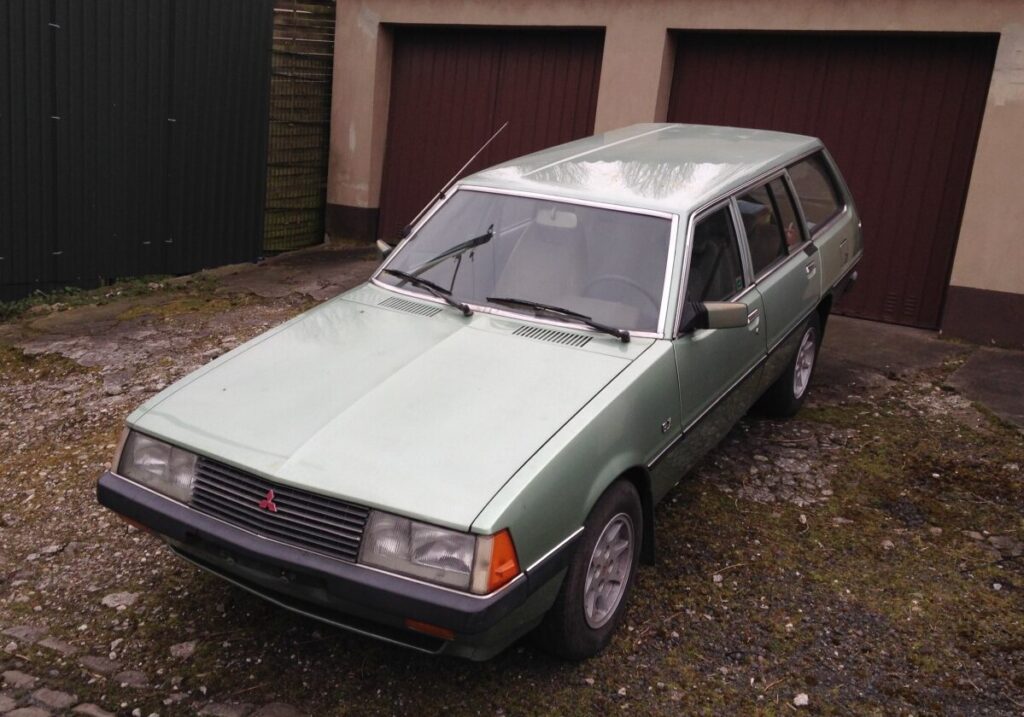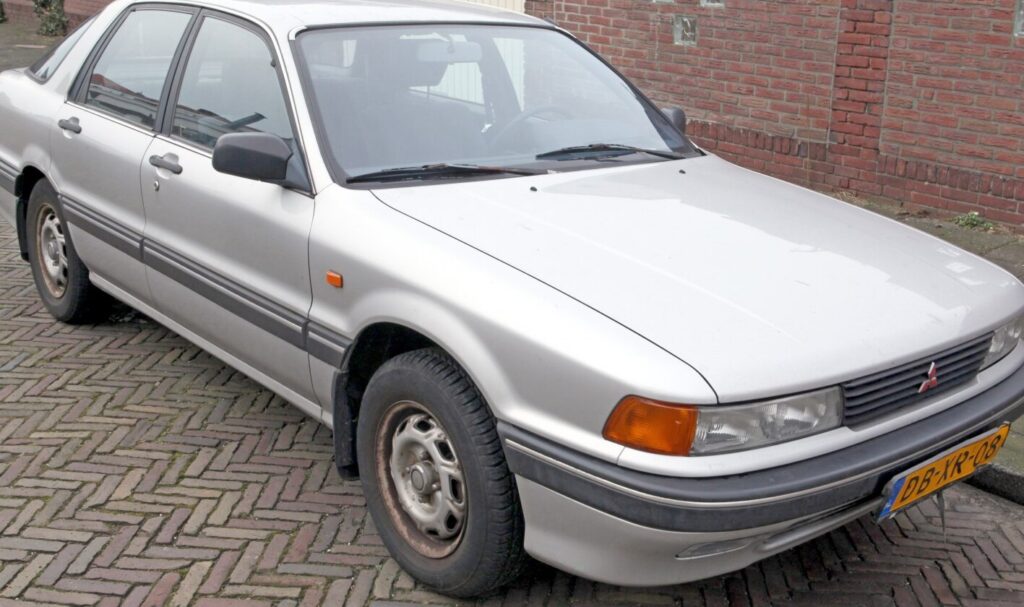
The Mitsubishi Galant VI, produced between 1988 and 1992, represented a significant evolution in Mitsubishi’s mid-size offerings. Within the VI generation, the 2.0 GTi 16V 4×4 hatchback variant occupied a performance-oriented niche, positioned as a premium offering within the Galant lineup. This model combined a relatively potent 144 horsepower engine with a full-time four-wheel drive system, setting it apart from the more common front-wheel drive Galant models. The Galant VI, built on the platform code A60, aimed to blend sporty handling with practicality, appealing to buyers seeking a versatile and capable vehicle.
Mitsubishi Galant VI 2.0 GTi 16V 4×4: An Overview
The 2.0 GTi 16V 4×4 was a relatively late addition to the Galant VI range, appearing primarily in European and Japanese markets. It was designed to compete with other sporty hatchbacks of the era, such as the Ford Sierra Cosworth and Volkswagen Golf GTI, though it generally offered a more refined and comfortable driving experience. The “GTi” designation signified a higher level of equipment and performance compared to base models, while the “16V” indicated the engine’s four-valve-per-cylinder cylinder head, contributing to increased power output. The inclusion of a full-time four-wheel drive system was a key differentiator, enhancing traction and stability, particularly in adverse weather conditions.
Powertrain & Engine Architecture
The heart of the Galant VI 2.0 GTi 16V 4×4 is the 4G63 engine, a 1997cc (2.0-liter) inline-four cylinder gasoline engine. This engine is a naturally aspirated design, meaning it does not utilize a turbocharger or supercharger. The “16V” designation refers to the dual overhead camshafts (DOHC) and four valves per cylinder, which optimize airflow and contribute to higher engine speeds and power. The 4G63 engine in this configuration produced 144 horsepower (metric PS) at 6000 rpm and approximately 138 lb-ft of torque at 4500 rpm.
Fuel delivery was managed by a multi-point fuel injection system, providing precise fuel metering for improved efficiency and performance. The engine featured a cast iron block and an aluminum cylinder head, a common construction for engines of this era. The 4G63 is known for its robustness and potential for modification, although the factory specification in the Galant VI was relatively conservative.
The transmission paired with the 4G63 in the GTi 16V 4×4 is a four-speed automatic transmission. While a five-speed manual transmission was available on some Galant VI models, the automatic was often preferred for its convenience, particularly in the European market. The automatic transmission features electronic control, optimizing shift points for performance and fuel economy. The four-wheel drive system is a viscous coupling type, distributing power to all four wheels as needed, providing enhanced traction without requiring driver intervention.
Driving Characteristics
The Galant VI 2.0 GTi 16V 4×4 offers a comfortable and capable driving experience. The automatic transmission provides smooth shifts, although it doesn’t offer the direct engagement of a manual gearbox. Acceleration from 0 to 60 mph is estimated to be around 9.5-10.5 seconds, which was competitive for its time but not particularly groundbreaking. The four-wheel drive system significantly improves grip, especially on slippery surfaces, making the car feel planted and secure.
The suspension is tuned for a balance between comfort and handling. It utilizes MacPherson struts at the front and a multi-link setup at the rear. The steering is power-assisted, providing light and precise control. Compared to the manual transmission versions of the Galant VI, the automatic GTi 16V 4×4 feels slightly less responsive due to the inherent losses in the automatic transmission. However, the added convenience and all-weather capability of the 4×4 system make it a compelling option for drivers prioritizing practicality and safety.
Equipment & Trim Levels
The GTi 16V 4×4 trim level included a generous array of standard features. Interior appointments typically included cloth upholstery, although leather options were sometimes available. Power windows, power door locks, and central locking were standard. Air conditioning was also a common feature. The dashboard layout is functional and straightforward, with clearly labeled controls. An upgraded sound system with a cassette player was also typically included.
Optional extras included a sunroof, upgraded audio systems, and alloy wheels. The exterior styling of the GTi 16V 4×4 often featured a subtle body kit, including a rear spoiler and side skirts, to differentiate it from lower trim levels. The car also featured distinctive GTi badging. The overall interior ambiance was geared towards comfort and practicality, rather than outright luxury.
Chassis & Braking
The Galant VI chassis is a monocoque construction, providing a rigid and stable platform. The suspension system, as mentioned previously, utilizes MacPherson struts at the front and a multi-link setup at the rear. Stabilizer bars are fitted to both the front and rear axles to reduce body roll during cornering. The braking system consists of disc brakes at the front and drum brakes at the rear. While the front discs provide adequate stopping power, the rear drums are a limitation compared to all-disc setups found on some competitors. The braking system is not equipped with ABS (Anti-lock Braking System) as standard, although it may have been available as an optional extra in some markets.
Market Reception & Comparison
The Mitsubishi Galant VI 2.0 GTi 16V 4×4 was generally well-received by automotive critics. It was praised for its comfortable ride, spacious interior, and capable four-wheel drive system. However, some critics noted that its performance was not as exhilarating as some of its rivals, such as the Ford Sierra Cosworth. Fuel economy was also a point of concern, with the 2.0-liter engine returning around 22-28 mpg in mixed driving conditions.
Compared to other Galant VI trims, the GTi 16V 4×4 offered a significant performance upgrade over the base models. The 1.6-liter and 2.0-liter front-wheel drive versions were less powerful and lacked the all-weather capability of the 4×4 system. The GTi 16V 4×4 was also more expensive than the lower trims, reflecting its higher level of equipment and performance. In terms of reliability, the Galant VI is generally considered to be a reasonably reliable car, although regular maintenance is essential to prevent issues. The 4G63 engine is known for its durability, but the automatic transmission can be prone to wear and tear if not properly serviced.
Technical Specifications
| Body Type | Hatchback |
| Engine Type | Inline-4, Naturally Aspirated |
| Engine Displacement | 1997 cc (2.0 liters) |
| Valve Configuration | DOHC 16V |
| Maximum Power | 144 hp (107 kW) @ 6000 rpm |
| Maximum Torque | 138 lb-ft (187 Nm) @ 4500 rpm |
| Fuel System | Multi-point Fuel Injection |
| Transmission | 4-speed Automatic |
| Drivetrain | Full-time Four-Wheel Drive |
| Front Suspension | MacPherson Strut |
| Rear Suspension | Multi-link |
| Front Brakes | Disc |
| Rear Brakes | Drum |
| Curb Weight | Approximately 2900 lbs (1315 kg) |
Legacy
The Mitsubishi Galant VI 2.0 GTi 16V 4×4 remains a relatively uncommon but appreciated vehicle among enthusiasts. The 4G63 engine’s reputation for durability and tunability has contributed to its continued popularity. While not a high-performance icon like some of its contemporaries, the Galant VI GTi 16V 4×4 offers a unique blend of comfort, practicality, and all-weather capability. In the used car market, these models are typically well-maintained and command a moderate price, reflecting their rarity and appeal. The automatic transmission and four-wheel drive system make them a practical choice for everyday driving, while the 4G63 engine provides enough power for enjoyable performance. Finding parts can sometimes be a challenge, but the 4G63 engine is widely used in other Mitsubishi and Chrysler vehicles, making sourcing components relatively easier.