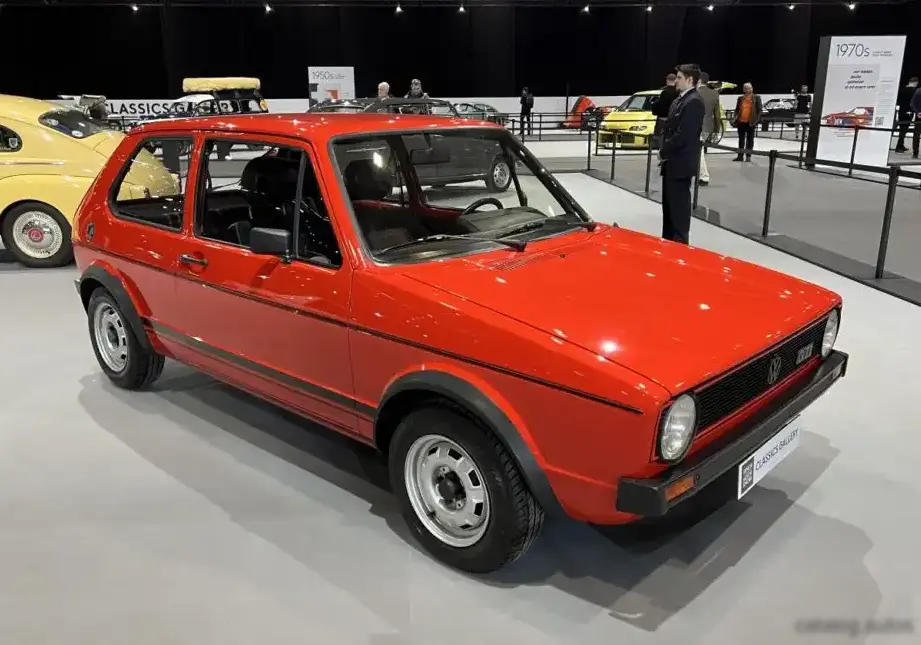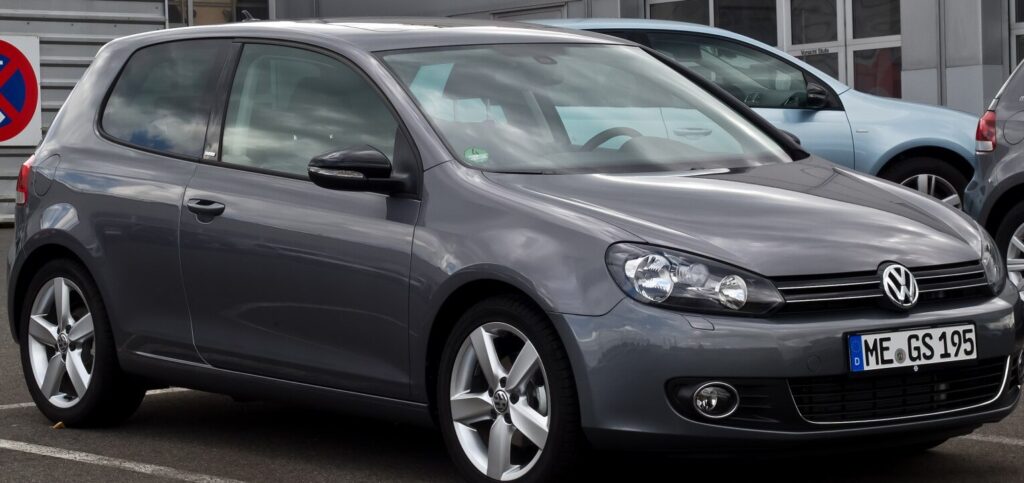
The Volkswagen Golf VI, produced from 2008 to 2012, represented a significant evolution of the iconic Golf lineage. Within the sixth generation, a diverse range of engine and transmission options were offered to cater to varying driver preferences and budgets. The 3-door Golf VI 2.0 TSI (200 hp) equipped with the Direct-Shift Gearbox (DSG) was positioned as a performance-oriented variant, bridging the gap between the more economical models and the range-topping Golf GTI. It was aimed at drivers seeking a blend of spirited driving dynamics and everyday practicality.
Volkswagen Golf VI 3-Door 2.0 TSI DSG: An Overview
The 2.0 TSI DSG model occupied a middle-to-upper position within the Golf VI lineup. It offered a substantial power increase over the base 1.6L gasoline engines and the diesel options, while remaining more accessible than the fully-fledged GTI. This variant appealed to enthusiasts who desired a responsive and engaging driving experience without the higher price tag and more aggressive styling of the GTI. Production spanned from 2008 to 2012, coinciding with the entire Golf VI production run.
Powertrain & Engine Architecture
At the heart of the Golf VI 2.0 TSI DSG lies the CBFA engine code, a 1984cc (121.07 cu. in.) inline-four cylinder gasoline engine. This engine is a member of Volkswagen’s EA888 family, known for its robust construction and tuning potential. The key feature of this engine is its direct fuel injection system, which precisely meters fuel directly into the combustion chamber, improving efficiency and power output. The engine also utilizes a turbocharger with an intercooler to further enhance performance. The turbocharger provides increased air intake, boosting horsepower and torque. The valvetrain employs a Dual Overhead Camshaft (DOHC) configuration with four valves per cylinder, optimizing airflow for improved engine breathing.
The Direct-Shift Gearbox (DSG), a seven-speed dual-clutch transmission, is integral to the driving experience. Unlike a traditional automatic transmission with a torque converter, the DSG utilizes two separate clutches – one for odd-numbered gears and one for even-numbered gears. This allows for incredibly fast and seamless gear changes, minimizing power interruption and contributing to a more responsive feel. The DSG also offers a manual shift mode, allowing the driver to take full control of gear selection.
Driving Characteristics
The 2.0 TSI DSG Golf VI delivers a noticeably more engaging driving experience compared to lower-powered variants. The 200 hp output and 280 Nm (206.52 lb.-ft.) of torque, available from 1800 rpm, provide strong acceleration and effortless cruising. The 0-62 mph (0-100 km/h) sprint takes approximately 7.2 seconds, and the car boasts a top speed of 146.02 mph (235 km/h). The DSG transmission plays a crucial role in maximizing performance, providing quick and precise shifts. In automatic mode, the transmission intelligently selects the optimal gear for the driving conditions, while the manual mode allows for greater driver control.
Compared to the 1.6L gasoline or diesel Golf VI models, the 2.0 TSI DSG offers significantly more power and responsiveness. While not as raw or focused as the Golf GTI, it provides a satisfying balance between performance and comfort. The GTI, with its more powerful engine and sport-tuned suspension, delivers a more aggressive driving experience, while the 2.0 TSI DSG prioritizes a more refined and versatile character.
Equipment & Trim Levels
The Golf VI 2.0 TSI DSG typically came well-equipped, reflecting its position as a mid-to-upper trim level. Standard features generally included air conditioning, power windows, power mirrors, a CD/MP3 stereo system, and alloy wheels. Safety features such as ABS (Anti-lock Braking System), electronic stability control, and multiple airbags were also standard. Interior upholstery was typically cloth, although leather options were available as upgrades.
Optional extras included a sunroof, navigation system, upgraded audio system, parking sensors, and sport seats. Trim levels varied slightly depending on the market, but generally offered packages that bundled together popular options. The interior dashboard configuration was consistent across the Golf VI range, featuring a functional and ergonomic layout.
Chassis & Braking
The Golf VI 2.0 TSI DSG utilized an independent suspension system on both the front and rear axles. The front suspension employed a McPherson strut design with coil springs and an anti-roll bar, while the rear suspension featured a multi-link setup with a stabilizer bar. This suspension configuration provided a good balance between ride comfort and handling precision. The braking system consisted of ventilated discs on the front wheels and solid discs on the rear wheels. Electric power steering was standard, offering precise and responsive steering feel.
The chassis was tuned to complement the increased power output of the 2.0 TSI engine. While not as aggressively tuned as the GTI, the suspension provided a more controlled and engaging driving experience compared to lower-powered models. The braking system was adequately sized to handle the increased performance, providing confident stopping power.
Market Reception & Comparison
The Golf VI 2.0 TSI DSG was generally well-received by automotive critics. It was praised for its strong performance, refined driving experience, and well-equipped interior. Fuel economy was considered reasonable for a performance-oriented hatchback, with combined fuel consumption figures around 7.9 l/100 km (29.8 US mpg). However, some critics noted that the DSG transmission could occasionally exhibit jerky behavior at low speeds.
Compared to other trims in the Golf VI lineup, the 2.0 TSI DSG offered a compelling combination of performance and practicality. It provided a significant power upgrade over the base models without the higher price tag and more aggressive styling of the GTI. In terms of reliability, the 2.0 TSI engine and DSG transmission were generally considered reliable, although regular maintenance was essential to prevent potential issues.
Technical Specifications
| Brand | Volkswagen |
| Model | Golf |
| Generation | Golf VI (3-door) |
| Type (Engine) | 2.0 TSI (200 Hp) DSG |
| Start of production | 2008 |
| End of production | 2012 |
| Fuel consumption (urban) | 10.7 l/100 km (22 US mpg) |
| Fuel consumption (extra urban) | 6.2 l/100 km (37.9 US mpg) |
| Fuel consumption (combined) | 7.9 l/100 km (29.8 US mpg) |
| Fuel Type | Petrol (Gasoline) |
| Acceleration 0 – 100 km/h | 7.2 sec |
| Acceleration 0 – 62 mph | 7.2 sec |
| Maximum speed | 235 km/h (146.02 mph) |
| Emission standard | Euro 4 |
| Power | 200 Hp @ 5100 rpm |
| Torque | 280 Nm @ 1800 rpm (206.52 lb.-ft. @ 1800 rpm) |
| Engine layout | Front, Transverse |
| Engine Model/Code | CBFA |
| Engine displacement | 1984 cm3 (121.07 cu. in.) |
| Number of cylinders | 4 |
| Engine configuration | Inline |
| Compression ratio | 10.3:1 |
| Kerb Weight | 1290 kg (2843.96 lbs.) |
| Max. weight | 1820 kg (4012.41 lbs.) |
| Trunk (boot) space – minimum | 350 l (12.36 cu. ft.) |
| Trunk (boot) space – maximum | 1305 l (46.09 cu. ft.) |
| Fuel tank capacity | 55 l (14.53 US gal) |
| Length | 4199 mm (165.31 in.) |
| Width | 1779 mm (70.04 in.) |
| Height | 1479 mm (58.23 in.) |
| Number of gears and type of gearbox | 6 gears, automatic transmission (DSG) |
Legacy
The 2.0 TSI engine and DSG transmission combination proved to be a durable and reliable powertrain when properly maintained. Today, used Golf VI 2.0 TSI DSG models remain relatively popular, offering a compelling blend of performance, practicality, and affordability. Regular servicing, including DSG fluid changes, is crucial to ensure long-term reliability. The engine’s tuning potential also makes it a favorite among enthusiasts, with numerous aftermarket upgrades available to further enhance performance. The Golf VI 2.0 TSI DSG continues to be a respected and enjoyable vehicle for those seeking a sporty and refined driving experience.