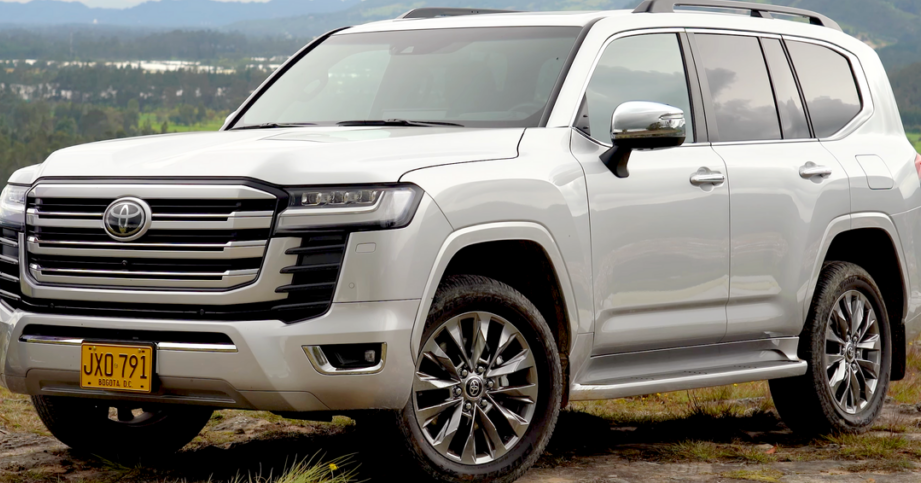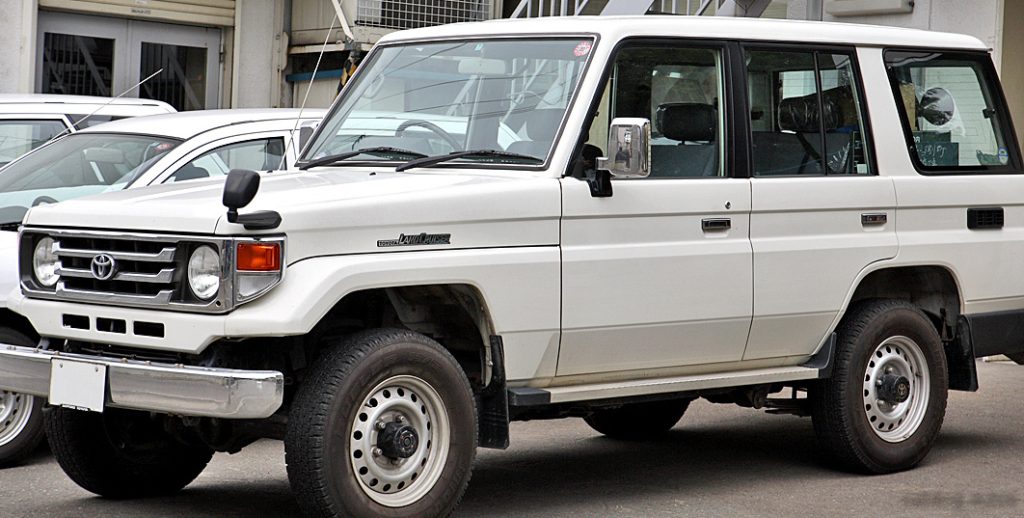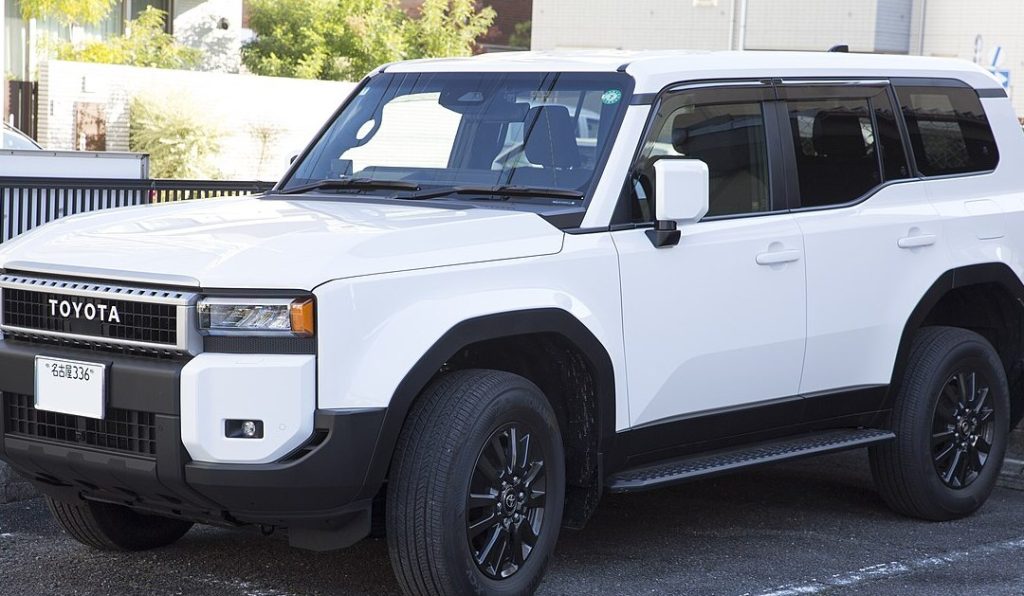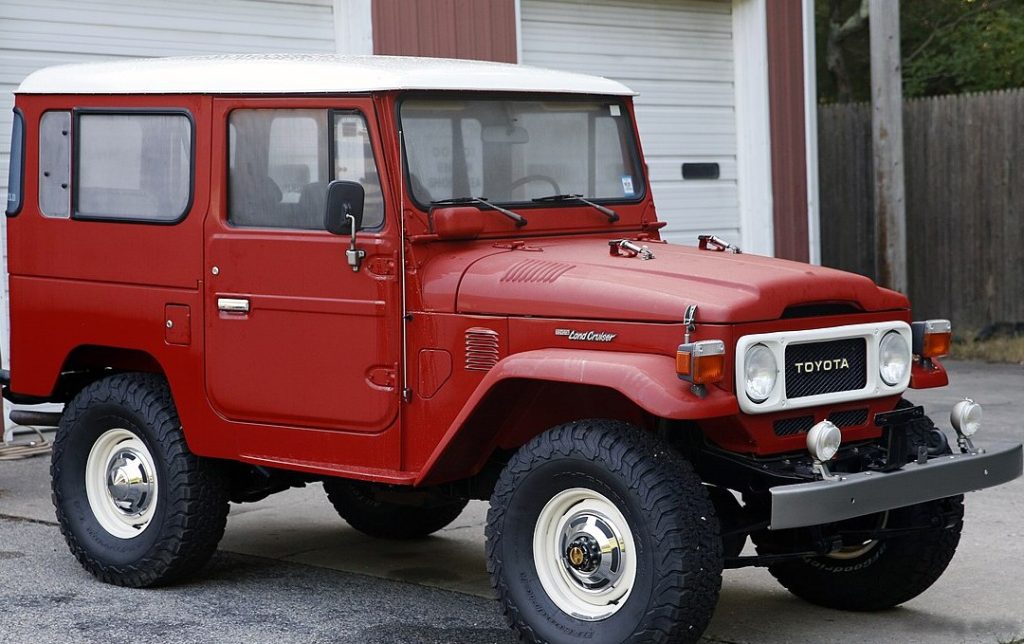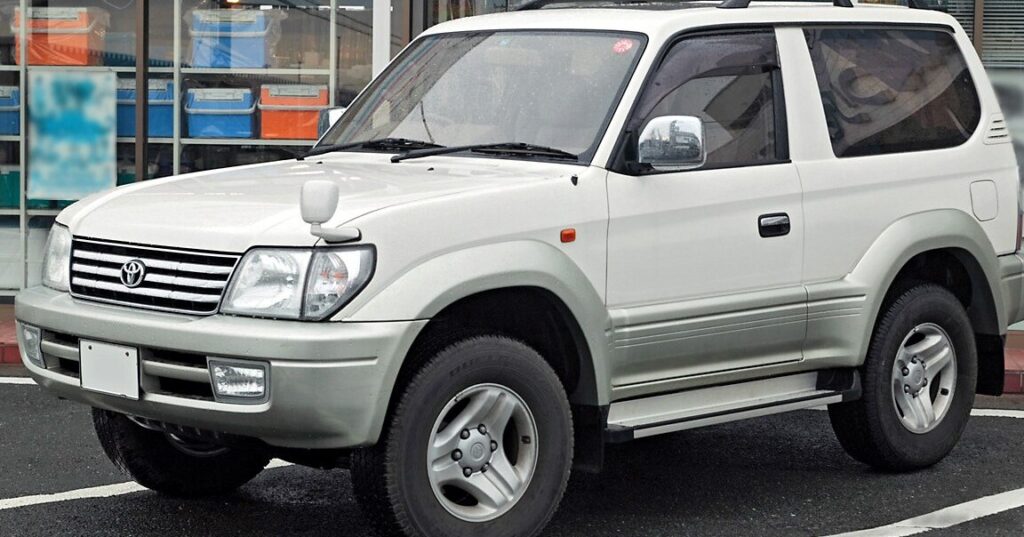
The Toyota Land Cruiser Prado J90, specifically the 3-door model produced between 2000 and 2002, represented a significant evolution in Toyota’s long-standing tradition of rugged, capable off-road vehicles. This iteration, equipped with the 3.4-liter V6 24V engine producing 185 horsepower and a five-speed manual transmission, occupied a unique position within the J90 lineup. While the Prado was available in both 3-door and 5-door configurations, and with a range of engine options, the 3.4 V6 manual combination catered to buyers seeking a balance between on-road refinement and serious off-road capability in a more compact package. The J90 series, built on the 120 platform, aimed to modernize the Land Cruiser Prado while retaining its core attributes of durability and reliability.
Powertrain & Engine Architecture
The heart of this Prado variant is the 5VZ-FE 3.4-liter V6 engine. This engine, a member of Toyota’s VZ series, is a naturally aspirated, 24-valve (four valves per cylinder) powerplant featuring a cast iron block and aluminum cylinder heads. It utilizes a multi-port fuel injection system, delivering fuel directly to each intake port for optimized combustion. The 5VZ-FE is known for its robust construction and relatively simple design, contributing to its reputation for longevity. Bore and stroke dimensions are 93.5mm x 82mm, resulting in a displacement of 3378 cm3 (206.14 cubic inches). The compression ratio is set at 9.6:1. The valvetrain employs dual overhead camshafts (DOHC), enhancing valve control and contributing to the engine’s power output.
The engine is longitudinally mounted in the chassis, and power is transmitted to all four wheels via a robust, full-time four-wheel-drive system. The five-speed manual transmission provides the driver with direct control over gear selection, offering a more engaging driving experience compared to the available automatic option. The transmission’s gear ratios are tuned to provide a balance between acceleration and fuel efficiency, with a focus on delivering usable torque for off-road situations. First gear is relatively low, aiding in crawling over obstacles, while fifth gear is geared for comfortable highway cruising.
Engine Specifications
The 5VZ-FE engine produces 185 horsepower at 4800 rpm and 294 Nm (216.84 lb-ft) of torque at 3600 rpm. This translates to a power-to-weight ratio of approximately 103.4 hp per tonne and a torque-to-weight ratio of 164.2 Nm per tonne, considering the vehicle’s curb weight of 1790 kg (3946.27 lbs). The engine requires 5.2 liters (5.49 US quarts) of engine oil and 8 liters (8.45 US quarts) of coolant.
Driving Characteristics
The 3.4 V6 Prado with a manual transmission delivers a driving experience that is both refined and capable. The engine provides ample power for everyday driving, with smooth and linear power delivery. The manual transmission allows for precise control, particularly beneficial when navigating challenging terrain. Compared to the automatic transmission option, the manual version offers a more direct connection to the engine and a more engaging driving experience. While not a sports car, the Prado 3.4 V6 can accelerate briskly, and the five-speed gearbox allows the engine to operate efficiently at highway speeds. Off-road, the combination of the 5VZ-FE engine’s torque and the manual transmission’s control makes it a formidable performer. The driver can carefully select gears to maintain traction and control in difficult conditions. Compared to the larger displacement engines available in the Prado range, the 3.4 V6 offers a more manageable power output, making it easier to control in slippery conditions.
Equipment & Trim Levels
The 3-door Land Cruiser Prado J90 3.4 V6 typically came with a relatively basic level of equipment, reflecting its positioning as a more utilitarian and off-road focused variant. Standard features generally included air conditioning, power windows, power steering, and a basic audio system. Interior upholstery was typically cloth, although leather options were available as upgrades. The dashboard layout was functional and straightforward, prioritizing ease of use over luxury. Optional extras could include a sunroof, upgraded audio systems, and various off-road accessories such as a winch or upgraded suspension components. The 3-door configuration inherently limited rear passenger space compared to the 5-door model, making it more suitable for smaller families or individuals who prioritized cargo capacity and off-road capability.
Chassis & Braking
The Prado J90 features a robust chassis designed to withstand the rigors of off-road driving. The front suspension utilizes a coil spring, double wishbone setup with a transverse stabilizer bar, providing a comfortable ride and good handling on paved roads. The rear suspension employs a rigid axle configuration with coil springs, offering excellent articulation and durability for off-road use. The braking system consists of ventilated discs on all four wheels, providing ample stopping power. An Anti-lock Braking System (ABS) was standard, enhancing safety by preventing wheel lockup during hard braking. The steering system is a rack and pinion type with hydraulic power assistance, offering precise steering control. The vehicle rides on 215/80 R16 tires, providing a good balance between on-road comfort and off-road traction. Ground clearance is a generous 230mm (9.06 inches), allowing it to navigate obstacles with ease.
Market Reception & Comparison
The 3.4 V6 Prado with a manual transmission received generally positive reviews from automotive critics. It was praised for its robust construction, reliable engine, and capable off-road performance. The manual transmission was appreciated by enthusiasts who preferred a more engaging driving experience. However, some critics noted that the interior was somewhat basic compared to other SUVs in its class. Fuel economy was considered reasonable for a vehicle of its size and capability. Compared to the 3.0-liter four-cylinder Prado, the 3.4 V6 offered significantly more power and torque, making it a better choice for towing or driving in challenging terrain. Compared to the larger 4.7-liter V8 Prado, the 3.4 V6 was more fuel-efficient and easier to handle, although it lacked the V8’s ultimate power.
Technical Specifications
| Brand | Toyota |
| Model | Land Cruiser Prado |
| Generation | Land Cruiser Prado (J90, facelift 2000) 3-door |
| Type | 3.4 V6 24V (185 Hp) 4WD |
| Start of production | 2000 |
| End of production | 2002 |
| Engine | 5VZ-FE |
| Displacement | 3378 cm3 (206.14 cu. in.) |
| Power | 185 Hp @ 4800 rpm |
| Torque | 294 Nm @ 3600 rpm (216.84 lb.-ft. @ 3600 rpm) |
| Cylinders | 6 |
| Fuel Type | Petrol (Gasoline) |
| Transmission | 5-speed manual |
| Drive | All wheel drive (4×4) |
| Kerb Weight | 1790 kg (3946.27 lbs.) |
| Max. Weight | 2065 kg (4552.55 lbs.) |
| Fuel Tank Capacity | 90 l (23.78 US gal | 19.8 UK gal) |
| Length | 4255 mm (167.52 in.) |
| Width | 1820 mm (71.65 in.) |
| Height | 1880 mm (74.02 in.) |
Legacy
The Toyota Land Cruiser Prado J90 3.4 V6 with a manual transmission has earned a reputation for exceptional reliability and durability. The 5VZ-FE engine is known to be capable of high mileage with proper maintenance. Today, these vehicles are sought after by enthusiasts and off-roaders who appreciate their ruggedness and simplicity. While finding a well-maintained example can be challenging, they represent a compelling option for those seeking a capable and reliable off-road vehicle. The Prado J90 remains a popular choice in the used car market, particularly in regions where off-road capability is highly valued. Its robust construction and relatively simple mechanicals make it a relatively easy vehicle to maintain and repair, further contributing to its enduring appeal.