
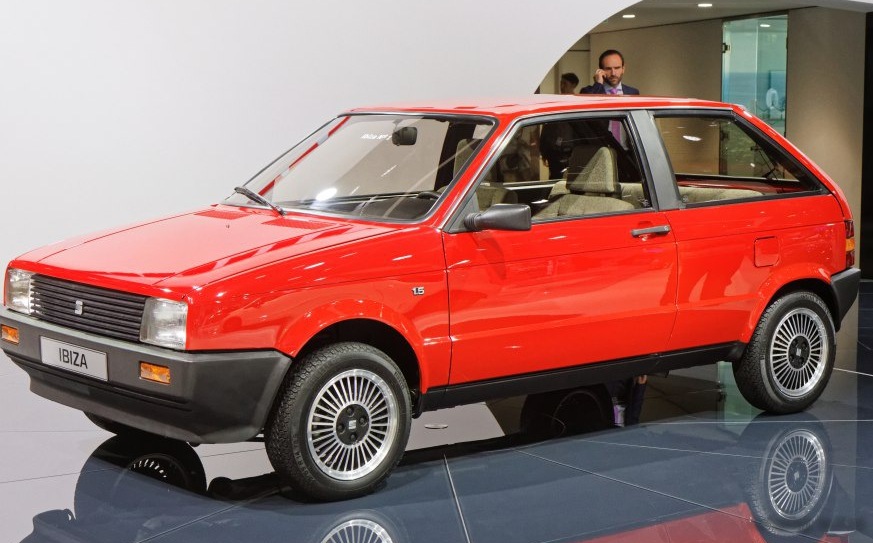
The Seat Ibiza I 1.2, producing 60 horsepower, was an entry-level variant of the first-generation Seat Ibiza, produced between 1984 and 1993. This model occupied the base trim level within the Ibiza I range, serving as the most affordable and fuel-efficient option. It was built on the Volkswagen Group’s 1HX0/A3 platform, shared with the first-generation Volkswagen Polo and the SEAT Málaga. The 1.2-liter engine and five-speed manual transmission combination was specifically targeted at buyers prioritizing economy and practicality over outright performance, making it a popular choice for urban commuting and first-time car owners.
Powertrain & Engine Architecture
The heart of the Ibiza I 1.2 was the 021A1 engine, a 1.2-liter (1193 cc) inline four-cylinder petrol engine. This engine featured a relatively simple design, utilizing a single overhead camshaft (SOHC) and two valves per cylinder. Fuel delivery was managed by a carburetor, a common feature for vehicles of this era, rather than fuel injection. The engine produced 60 hp at 5800 rpm and 81 Nm (59.74 lb-ft) of torque at 4000 rpm. The compression ratio was set at 9.5:1. Engine oil capacity was 3.3 liters (3.49 US qt / 2.9 UK qt) and the cooling system held 7.5 liters (7.93 US qt / 6.6 UK qt).
The Ibiza I 1.2 was exclusively offered with a five-speed manual transmission. This transmission was a standard, non-synchronized unit designed for durability and simplicity. The gear ratios were optimized for fuel efficiency and acceptable acceleration, though performance was modest. The front wheels were driven via a standard front-wheel-drive configuration.
Engine Code Specifics
The 021A1 engine code designates a specific iteration of the Volkswagen Group’s small-displacement petrol engine family. While variations existed, the 021A1 in the Ibiza I 1.2 was known for its robustness and relatively straightforward maintenance requirements. The carburetor system, while less efficient than fuel injection, was relatively easy to service and repair, contributing to the car’s appeal in markets where skilled mechanics were readily available.
Driving Characteristics
The driving experience in the Ibiza I 1.2 was characterized by its modest performance. Acceleration from 0 to 100 km/h (0-62 mph) took approximately 16 seconds, and 0 to 60 mph was achieved in around 15.2 seconds. The top speed was limited to 155 km/h (96.31 mph). The engine felt strained at higher speeds, and overtaking required careful planning. However, within urban environments, the 1.2-liter engine provided sufficient power for everyday driving. The five-speed manual transmission allowed drivers to optimize fuel economy by selecting the appropriate gear for the driving conditions.
Compared to higher-spec Ibiza models equipped with larger engines (such as the 1.5 or 1.6-liter variants), the 1.2-liter version felt significantly less powerful. The difference in acceleration and overall responsiveness was noticeable. However, the 1.2 offered a lighter steering feel and a more nimble handling experience, particularly in tight city streets.
Equipment & Trim Levels
The Ibiza I 1.2 typically came with a basic level of equipment. Standard features generally included cloth upholstery, a simple dashboard layout with analog gauges, and manual windows and door locks. The interior was functional and durable, prioritizing practicality over luxury. The base trim level often featured black plastic trim and minimal exterior embellishments.
Optional extras included a radio, upgraded seat fabrics, and occasionally, a sunroof. Higher trim levels, though still utilizing the 1.2-liter engine, might have included features like a more comprehensive instrument cluster, improved interior trim, and body-colored bumpers. However, the 1.2-liter engine was rarely paired with the most luxurious trim packages.
Chassis & Braking
The Ibiza I 1.2 featured a relatively simple chassis design. The front suspension utilized a MacPherson strut setup, while the rear suspension employed a torsion beam axle. This configuration provided a reasonable balance between ride comfort and handling. The kerb weight of the vehicle was 890 kg (1962.11 lbs), contributing to its relatively nimble handling characteristics.
The braking system consisted of disc brakes on the front wheels and drum brakes on the rear wheels. This configuration was typical for vehicles in this price range during the 1980s and early 1990s. Anti-lock braking system (ABS) was not standard equipment on the base 1.2-liter model, though it may have been offered as an optional extra on some markets or higher trim levels. The steering system was a rack and pinion setup, providing precise and responsive steering.
Market Reception & Comparison
The Seat Ibiza I 1.2 was generally well-received as an affordable and economical city car. Critics praised its fuel efficiency, ease of driving, and relatively low maintenance costs. However, its modest performance was often noted as a drawback. Compared to other small hatchbacks of the era, such as the Volkswagen Polo and the Ford Fiesta, the Ibiza I 1.2 offered a competitive price point and a similar level of practicality.
Fuel economy figures were respectable for the time, with combined fuel consumption averaging 6.6 l/100 km (35.6 US mpg / 42.8 UK mpg). This made it an attractive option for budget-conscious buyers. Reliability was generally good, although the carburetor system required periodic maintenance. The 1.2-liter engine was known for its durability, and with proper servicing, could provide many years of reliable operation.
Technical Specifications
| Brand | Seat |
| Model | Ibiza |
| Generation | Ibiza I |
| Type (Engine) | 1.2 (60 Hp) |
| Start of production | 1984 |
| End of production | 1993 |
| Engine Displacement | 1193 cm3 (72.8 cu. in.) |
| Engine Layout | Front, Transverse, Inline 4 |
| Engine Code | 021A1 |
| Power | 60 Hp @ 5800 rpm |
| Torque | 81 Nm @ 4000 rpm (59.74 lb.-ft. @ 4000 rpm) |
| Fuel Type | Petrol (Gasoline) |
| Fuel Consumption (Urban) | 9 l/100 km (26.1 US mpg, 31.4 UK mpg) |
| Fuel Consumption (Extra Urban) | 4.9 l/100 km (48 US mpg, 57.6 UK mpg) |
| Fuel Consumption (Combined) | 6.6 l/100 km (35.6 US mpg, 42.8 UK mpg) |
| Acceleration 0-100 km/h | 16 sec |
| Acceleration 0-62 mph | 16 sec |
| Maximum Speed | 155 km/h (96.31 mph) |
| Kerb Weight | 890 kg (1962.11 lbs) |
| Max. Weight | 1400 kg (3086.47 lbs) |
| Fuel Tank Capacity | 50 l (13.21 US gal, 11 UK gal) |
| Transmission | 5-speed Manual |
| Drive Wheels | Front Wheel Drive |
Legacy
The Seat Ibiza I 1.2, while not a performance icon, holds a significant place in automotive history as a practical and affordable small car. The 021A1 engine proved to be a reliable unit, and many examples are still on the road today. In the used car market, the Ibiza I 1.2 is often sought after by enthusiasts looking for a classic, simple, and inexpensive vehicle. Its low running costs and ease of maintenance make it an appealing option for those seeking a retro driving experience. However, potential buyers should be aware of the age-related issues common to vehicles of this era, such as corrosion and wear and tear on rubber components. The carburetor may also require periodic rebuilding or adjustment to maintain optimal performance.
The success of the Ibiza I, including the 1.2-liter variant, helped establish SEAT as a major player in the European automotive market. It laid the foundation for future generations of the Ibiza, which have continued to evolve and offer a compelling combination of style, practicality, and value.
