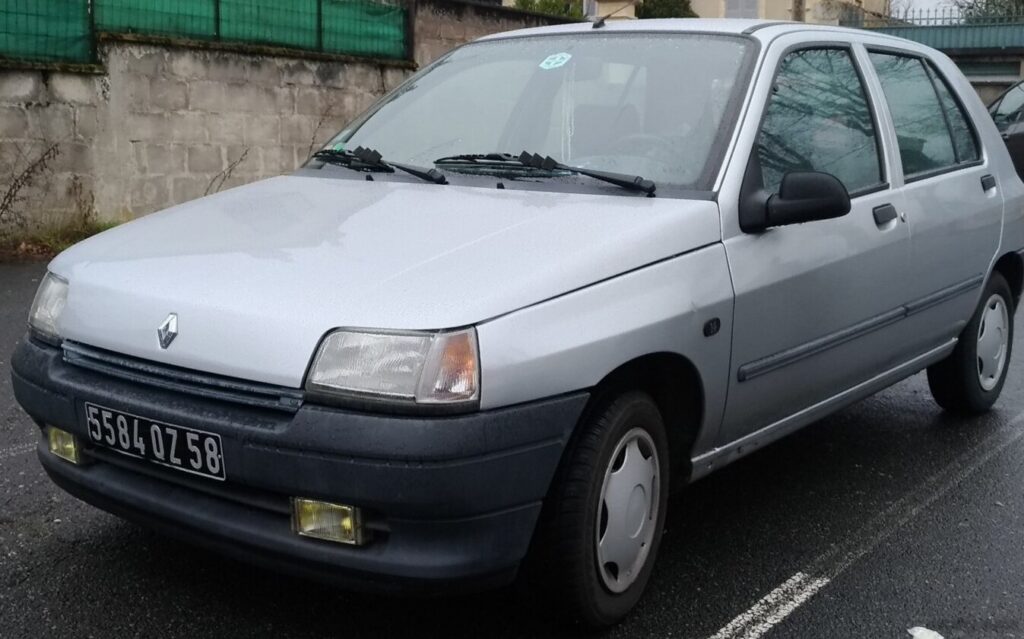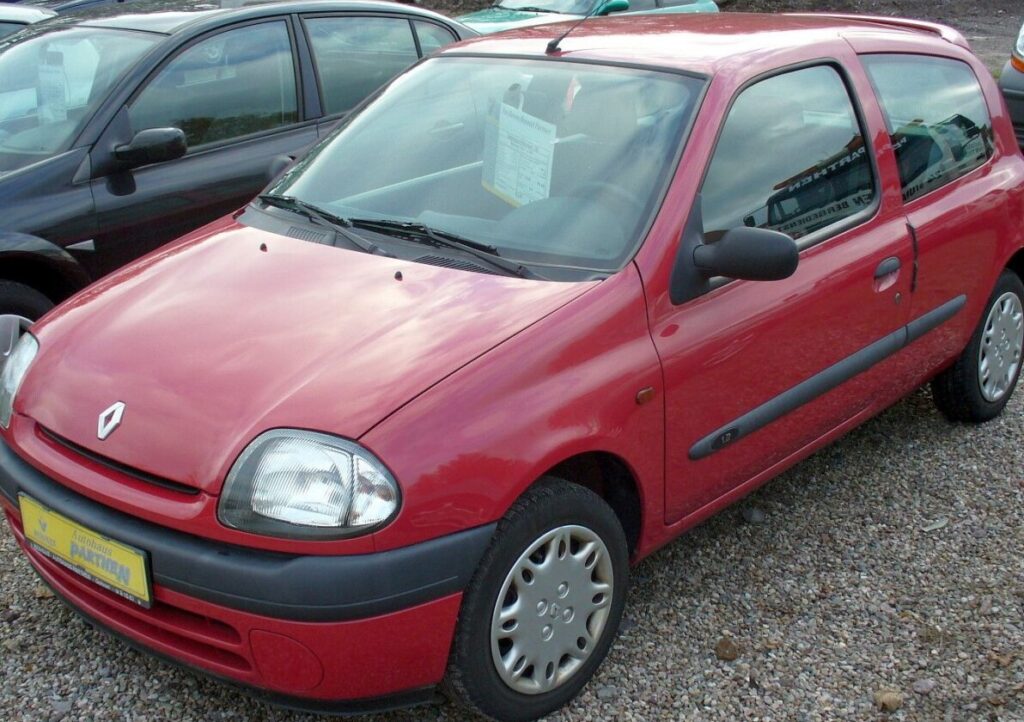
The Renault Clio II (Phase I) 1.2, produced from 1998 to 2001, represented the entry point into the second generation of Renault’s popular supermini. This 3-door hatchback, powered by a 1.2-liter engine producing 58 horsepower, was designed to offer affordable and economical transportation within the broader Clio II range, which also included more powerful and upscale variants. The Phase I models, designated internally as B/C57, were the initial iteration of the Clio II, setting the stage for subsequent updates and refinements. It was built on the B platform shared with other Renault and Nissan vehicles.
The 1.2L Engine and its Position in the Clio II Lineup
The 1.2-liter engine variant occupied the base trim level of the Clio II Phase I range. It was specifically targeted at buyers prioritizing fuel efficiency and low running costs over outright performance. Compared to the higher-spec models, such as the 1.4 16V and 1.6 16V versions, the 1.2 offered significantly less power and a more basic level of equipment. It also differed substantially from the diesel options (1.9 dTi and 2.0 16V) which focused on fuel economy through different means and appealed to a different driver profile. The 1.2 was often chosen by first-time car buyers, city commuters, and those seeking a reliable and inexpensive vehicle.
Powertrain & Engine Architecture
The heart of the Clio II 1.2 was the Renault D7F engine, a naturally aspirated, inline-four cylinder petrol engine with a displacement of 1149 cc (70.12 cubic inches). This engine featured a single overhead camshaft (OHC) valvetrain with two valves per cylinder. Fuel delivery was managed by a multi-port fuel injection system, providing a balance between efficiency and drivability. The compression ratio was set at 9.65:1. The engine produced a maximum power output of 58 hp (43 kW) at 5250 rpm and a peak torque of 93 Nm (68.59 lb-ft) at 2500 rpm. The engine’s relatively simple design contributed to its reliability and ease of maintenance.
The 1.2L engine was typically paired with a five-speed manual transmission, however, an optional four-speed automatic transmission was available, though less common. The automatic transmission, while offering convenience, resulted in slightly reduced fuel economy and acceleration compared to the manual version. The transmission was a conventional hydraulic automatic, lacking the more advanced electronic controls found in later models. The front wheels were driven via a standard front-wheel-drive configuration.
Driving Characteristics
The Clio II 1.2, particularly in its automatic guise, was not designed for spirited driving. Acceleration from 0 to 100 km/h (0-62 mph) took approximately 15 seconds, and the top speed was limited to 160 km/h (99.42 mph). The engine’s power delivery was relatively linear, but it required frequent downshifts, especially when overtaking or climbing hills. The automatic transmission, while smooth in operation, could feel sluggish at times, and lacked the responsiveness of more modern automatic gearboxes. The gear ratios were optimized for fuel economy rather than performance. Compared to the 1.4 and 1.6 liter versions, the 1.2 felt noticeably slower and less refined. However, its lightweight construction and nimble handling made it enjoyable to drive in urban environments.
Equipment & Trim Levels
The base-level Clio II 1.2 typically came equipped with a modest array of standard features. These generally included power steering, central locking, front electric windows, and an adjustable steering column. Safety features included driver and passenger airbags. Interior upholstery was typically cloth, and the dashboard featured a simple, functional design. Optional extras included air conditioning, alloy wheels, a radio/cassette player, and rear electric windows. Higher trim levels, such as the “Campus” and “Expression” offered additional features like upgraded interior trim, a sunroof, and more sophisticated audio systems. The 3-door configuration prioritized a sportier aesthetic, though it came at the expense of rear passenger access.
Chassis & Braking
The Clio II 1.2 featured a MacPherson strut independent suspension at the front and a torsion beam suspension at the rear. This setup provided a comfortable ride quality and predictable handling. The front brakes were ventilated discs, while the rear brakes were drums. Anti-lock Braking System (ABS) was available as an option, enhancing braking performance and safety. The steering was a hydraulic power-assisted rack and pinion system, providing light and precise steering feel. The relatively low weight of the 1.2L model (approximately 880 kg or 1940 lbs) contributed to its agility and fuel efficiency. Tire size was typically 165/65 R14.
Market Reception & Comparison
The Renault Clio II 1.2 was generally well-received by critics as an affordable and practical supermini. It was praised for its fuel efficiency, reliability, and ease of driving. However, its lack of power and basic equipment levels were often noted. Compared to rivals such as the Peugeot 206 and the Volkswagen Polo, the Clio II 1.2 offered a competitive price point and a comfortable ride. Fuel economy figures were respectable, with urban consumption around 7.9 l/100 km (29.8 US mpg) and extra-urban consumption around 5.2 l/100 km (45.2 US mpg). Reliability was generally good, although some owners reported minor issues with the electrical system. The automatic transmission, while convenient, was often criticized for its lack of responsiveness.
Technical Specifications
| Engine Model/Code | D7F |
| Engine Displacement | 1149 cm3 (70.12 cu. in.) |
| Number of Cylinders | 4, Inline |
| Power | 58 Hp @ 5250 rpm |
| Torque | 93 Nm @ 2500 rpm (68.59 lb.-ft. @ 2500 rpm) |
| Fuel Type | Petrol (Gasoline) |
| Fuel Injection | Multi-port manifold injection |
| Compression Ratio | 9.65:1 |
| Valvetrain | OHC (2 valves per cylinder) |
| Kerb Weight | 880 kg (1940.07 lbs.) |
| Maximum Speed | 160 km/h (99.42 mph) |
| 0-100 km/h | 15 sec |
| Fuel Consumption (Urban) | 7.9 l/100 km (29.8 US mpg) |
| Fuel Consumption (Extra Urban) | 5.2 l/100 km (45.2 US mpg) |
| Fuel Tank Capacity | 50 l (13.21 US gal) |
| Trunk Space (Minimum) | 255 l (9.01 cu. ft.) |
| Trunk Space (Maximum) | 1035 l (36.55 cu. ft.) |
Legacy
The Renault Clio II 1.2, while not the most powerful or feature-rich variant, proved to be a popular and reliable choice for budget-conscious buyers. The D7F engine, despite its age, is known for its durability and relatively low maintenance costs. Today, these cars are increasingly rare, but well-maintained examples can still be found on the used car market. They represent an affordable entry point into classic Renault ownership and offer a simple, practical, and economical driving experience. The automatic transmission versions, while less desirable to enthusiasts, offer a convenient option for those seeking an easy-to-drive city car. The Clio II 1.2 remains a testament to Renault’s ability to produce affordable and dependable vehicles.