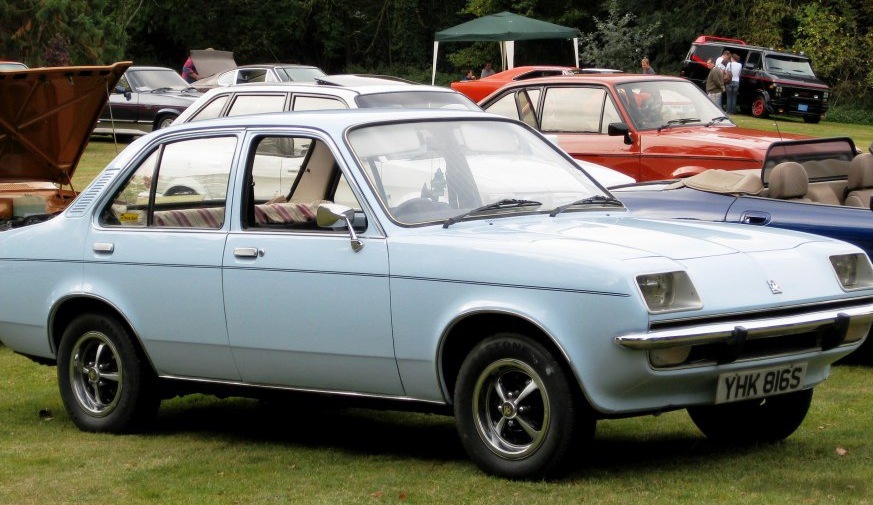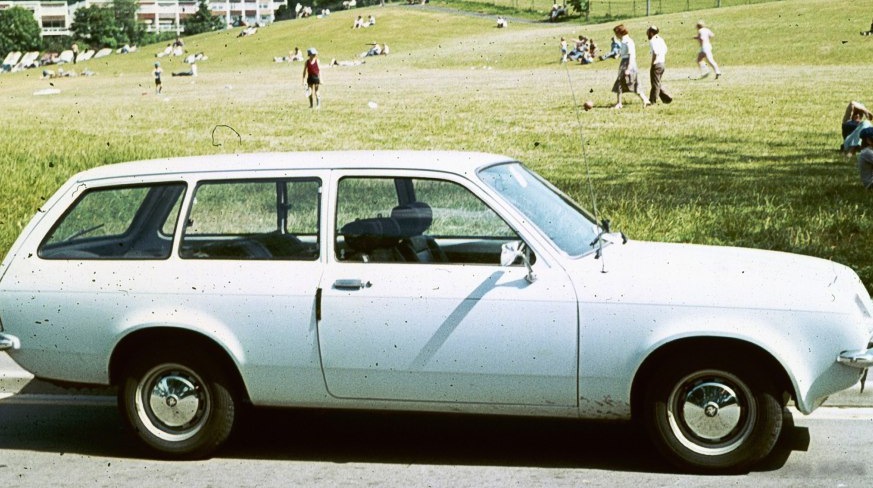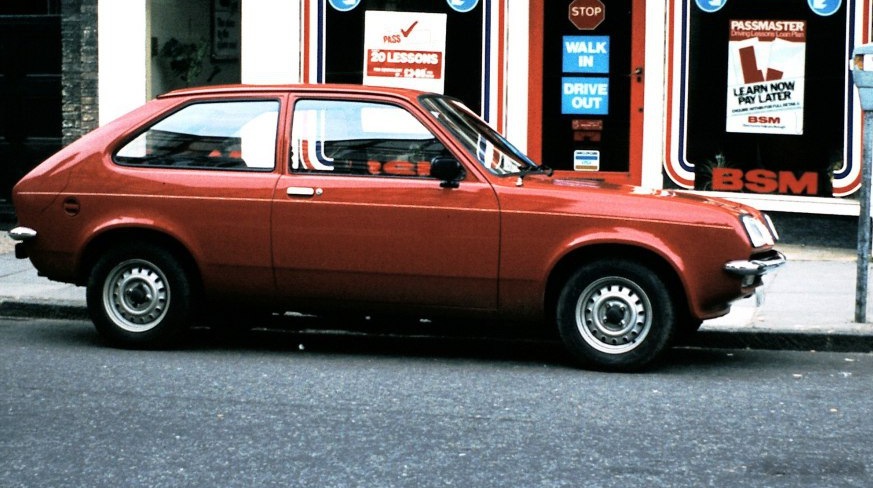
The Vauxhall Chevette CC 1300, produced from 1975 to 1985, was a small, economical hatchback that represented a significant part of the British automotive landscape during the late 1970s and early 1980s. Positioned as the entry-level model within the Chevette range, the 1300 offered affordable transportation for a broad segment of the market. It was a direct response to the increasing demand for fuel-efficient vehicles following the oil crises of the 1970s. The “CC” designation stood for “Commodore Chassis,” indicating its underlying platform, though it shared little in common with the larger Commodore models beyond this foundational element. The Chevette, in general, was Vauxhall’s attempt to compete with the Ford Fiesta and other emerging superminis.
The 1300 Variant: Entry Point to Chevette Ownership
The 1300 variant served as the base model for the Chevette range. It was designed to be the most accessible option for buyers, prioritizing affordability and fuel economy over outright performance. While later models and higher trim levels offered larger engines and more features, the 1300 remained a popular choice for those seeking basic, reliable transportation. It was particularly favored by first-time car buyers, families on a budget, and those needing a practical city car.
Powertrain & Engine Architecture
The heart of the Chevette CC 1300 was its 1256 cc inline-four cylinder engine. This engine, internally designated as the 12SR, was a simple, pushrod design with two valves per cylinder. It featured a naturally aspirated intake and a single downdraft carburetor, typically a Zenith or Carter. The engine’s relatively low compression ratio (around 8.5:1) contributed to its ability to run on lower octane fuel, further enhancing its affordability. Power output was rated at 53 horsepower (39 kW) at 5,000 rpm, and peak torque of approximately 68 lb-ft (92 Nm) was achieved at 3,000 rpm. The engine was mounted longitudinally in the front of the vehicle, driving the rear wheels – a configuration relatively uncommon for cars of this size at the time.
The 1300 was exclusively offered with a four-speed manual transmission. This transmission was a robust, if somewhat agricultural, unit designed for durability rather than sporty shifting. The gear ratios were geared towards maximizing fuel efficiency and providing adequate acceleration for everyday driving. There was no automatic transmission option available for the 1300 model.
Driving Characteristics
The driving experience in a Chevette CC 1300 was characterized by its light weight and nimble handling. While the 53 horsepower engine didn’t deliver exhilarating acceleration, it provided sufficient power for urban driving and moderate highway speeds. The rear-wheel-drive layout, while unusual for a car of this size, contributed to a balanced feel, although it could also make the car prone to oversteer if pushed hard. The four-speed manual transmission required deliberate shifting, but it was relatively easy to operate. The steering, utilizing a rack and pinion system, was direct and responsive, making the Chevette surprisingly enjoyable to drive on winding roads. However, the ride quality was firm, reflecting the car’s simple suspension design and focus on affordability. Compared to the later 1600cc versions, the 1300 felt noticeably slower, particularly when fully loaded or climbing hills.
Equipment & Trim Levels
The Chevette CC 1300 was deliberately spartan in its equipment levels, reflecting its position as the entry-level model. Standard features typically included cloth upholstery, vinyl floor covering, basic instrumentation (speedometer, fuel gauge, and temperature gauge), and manually operated windows and door locks. Heating and ventilation were standard, but air conditioning was not available. The dashboard was constructed from durable plastic and featured a functional, if uninspired, design. Optional extras were limited, but could include a radio, upgraded seat fabrics, and a sunroof. The exterior trim was minimal, with black plastic bumpers and steel wheels being the norm. Later models saw some minor cosmetic updates, such as revised grille designs and different wheel covers.
Chassis & Braking
The Chevette CC 1300 utilized a relatively simple chassis design. The front suspension consisted of independent coil springs and wishbones, while the rear suspension employed a live axle with leaf springs. This setup provided a reasonable compromise between ride comfort and handling, although it was not as sophisticated as the independent suspension systems found on some of its rivals. The braking system featured drum brakes on all four wheels, which were adequate for the car’s weight and performance. However, they lacked the stopping power and fade resistance of disc brakes. Steering was via a rack and pinion system, providing precise control. The car’s relatively light weight (around 1,600 lbs or 725 kg) helped to offset the limitations of the braking and suspension systems.
Market Reception & Comparison
The Vauxhall Chevette CC 1300 was generally well-received by the British motoring press as an affordable and practical small car. Critics praised its fuel economy, nimble handling, and low purchase price. However, they also noted its basic interior, firm ride, and lack of refinement. Compared to the Ford Fiesta, the Chevette offered more interior space and a slightly more robust feel, but the Fiesta was generally considered to be more stylish and better equipped. The 1600cc versions of the Chevette offered significantly improved performance, but at a higher price point. Fuel economy for the 1300 was typically in the range of 35-45 mpg, depending on driving conditions. Reliability was generally good, although the car’s simple construction meant that it was relatively easy to maintain and repair.
Technical Specifications
| Engine Displacement | 1256 cm3 / 76.65 cu. in. |
| Number of Cylinders | 4, Inline |
| Number of Valves per Cylinder | 2 |
| Engine Aspiration | Naturally Aspirated |
| Engine Oil Capacity | 2.8 l / 2.96 US qt / 2.46 UK qt |
| Coolant Capacity | 5.8 l / 6.13 US qt / 5.1 UK qt |
| Power Output | 53 Hp / 39 kW @ 5,000 rpm |
| Torque Output | 68 lb-ft / 92 Nm @ 3,000 rpm |
| Length | 3945 mm / 155.31 in. |
| Width | 1570 mm / 61.81 in. |
| Height | 1308 mm / 51.5 in. |
| Wheelbase | 2395 mm / 94.29 in. |
| Drivetrain | Rear Wheel Drive |
| Gearbox | 4-speed Manual |
| Steering | Rack and Pinion |
Legacy
The Chevette CC 1300, while now a relatively rare sight on British roads, remains a fondly remembered car for many. Its simple, robust design and affordability made it a popular choice for a generation of drivers. The 12SR engine, while not particularly powerful, proved to be durable and reliable. Today, well-maintained examples of the Chevette CC 1300 are sought after by classic car enthusiasts and collectors. Parts availability can be a challenge, but the car’s simple construction makes it relatively easy to repair and restore. The Chevette, in general, represents a significant chapter in British automotive history, and the 1300 variant remains a testament to the enduring appeal of affordable, practical transportation.