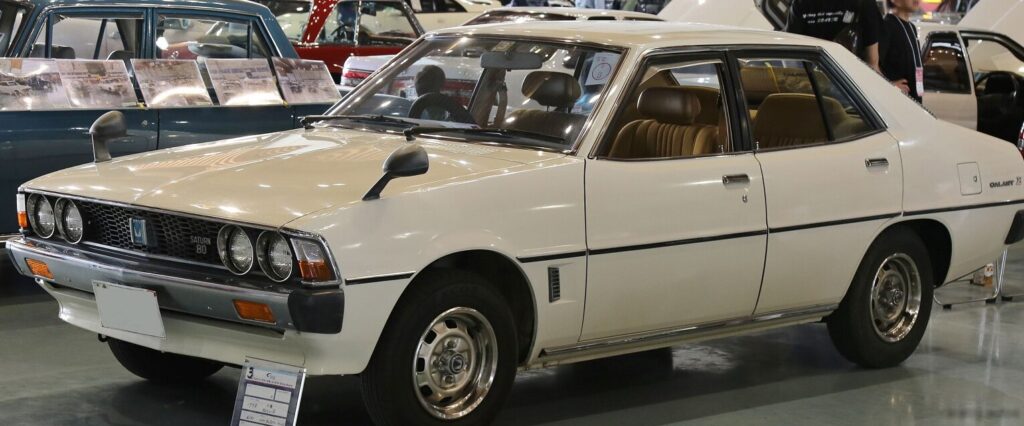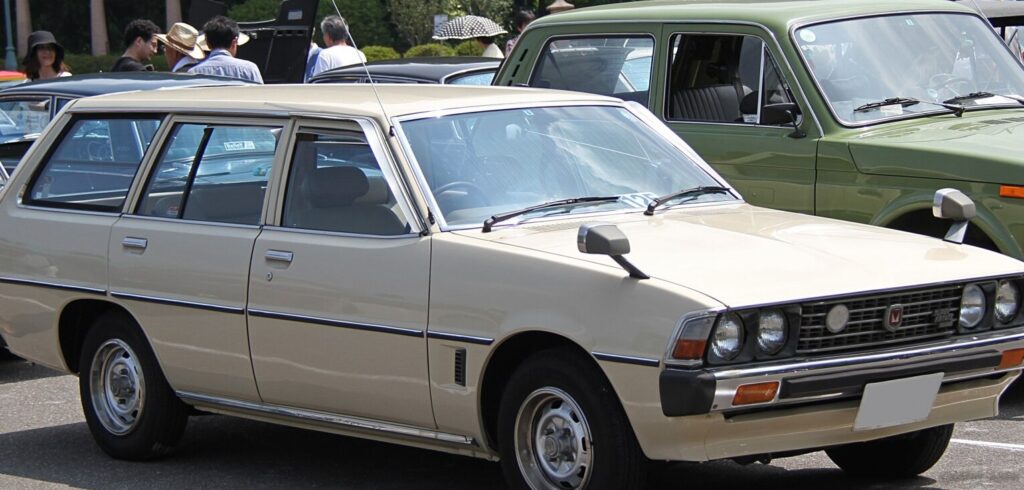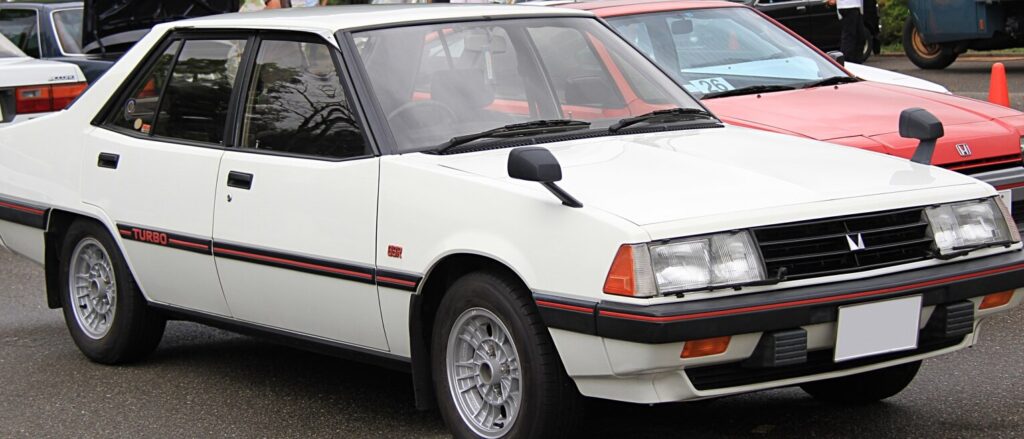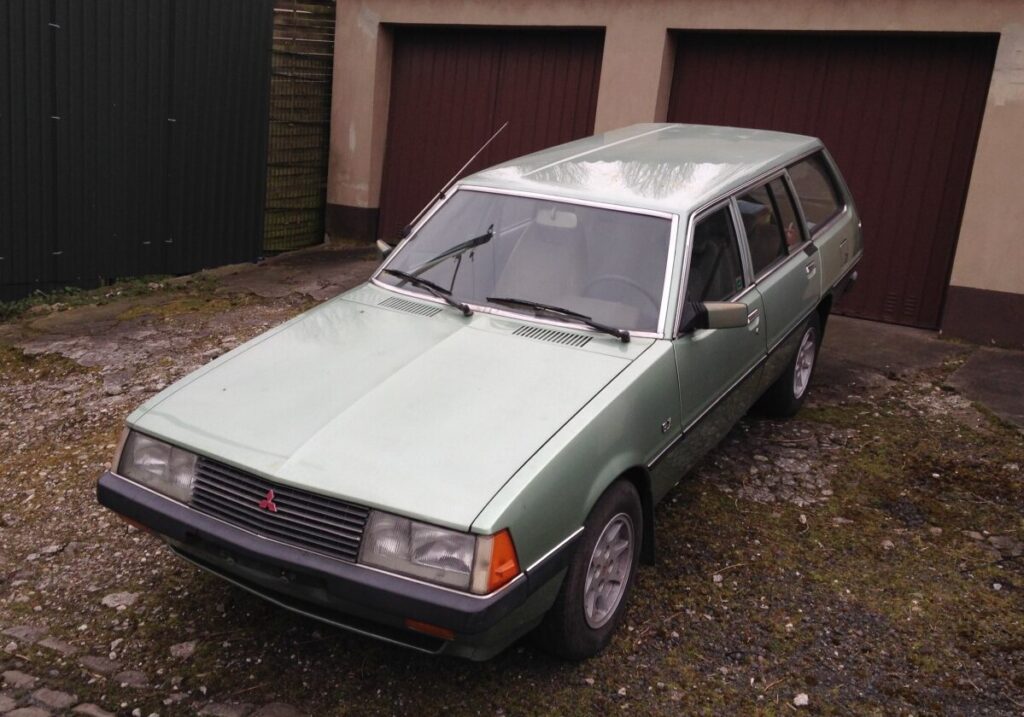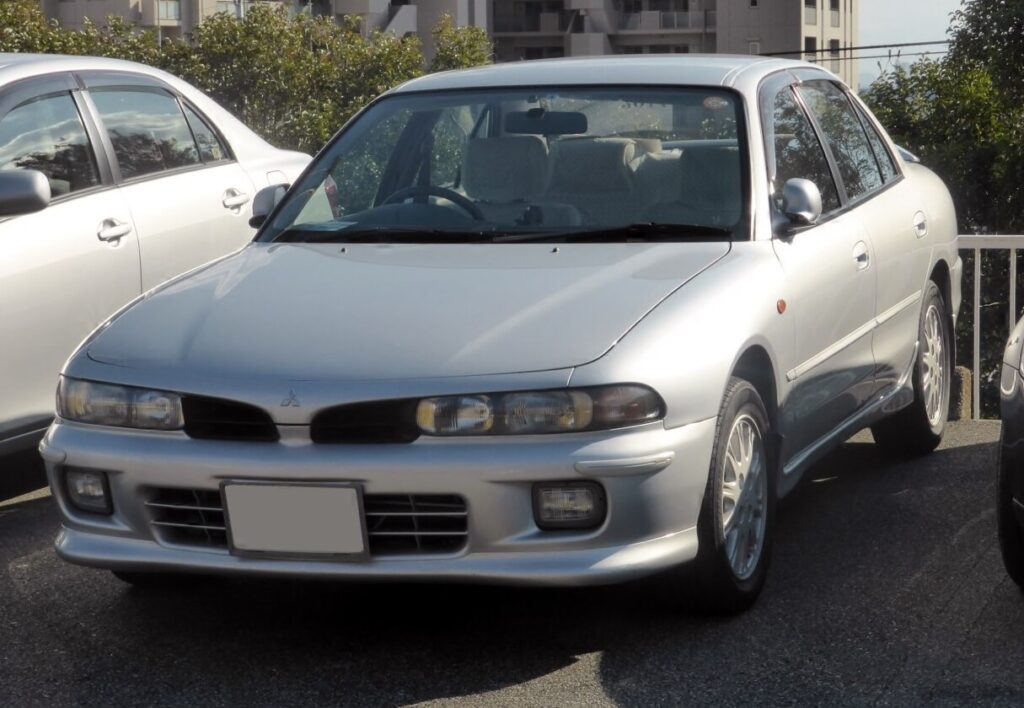
The Mitsubishi Galant VII 1.8 (E52A) Automatic, produced between 1994 and 1996, represented an entry-level offering within the seventh generation of Mitsubishi’s long-running Galant sedan. Part of the E52A series, this variant utilized a 1.8-liter inline-four engine paired with a four-speed automatic transmission. It was positioned as a comfortable and economical choice for buyers seeking a mid-size sedan, prioritizing ease of use and affordability over outright performance. The Galant VII, built on the 1HX0/A3 platform, aimed to modernize the Galant line with updated styling and improved features, competing with established rivals like the Toyota Camry and Honda Accord.
Powertrain & Engine Architecture
The heart of the Galant VII 1.8 Automatic is the 4G60 1.8-liter inline-four cylinder engine. This engine, producing 116 horsepower at 6000 rpm and 162 Nm (119.49 lb-ft) of torque at 3000 rpm, featured a naturally aspirated configuration with multi-port fuel injection. The engine’s bore and stroke measured 81 mm (3.19 in) and 89 mm (3.5 in) respectively, resulting in a displacement of 1834 cm³ (111.92 cu. in). A compression ratio of 10:1 was employed. The engine utilized a double overhead camshaft (DOHC) valvetrain with four valves per cylinder, contributing to its relatively efficient operation for the time.
The four-speed automatic transmission was a crucial component of this variant, designed to provide smooth and convenient shifting. While specific transmission codes varied depending on the market, it was generally a conventional hydraulic automatic, prioritizing reliability and ease of maintenance over advanced features. The transmission’s gear ratios were tuned for comfortable cruising and acceptable acceleration, though it wasn’t designed for sporty driving. The front-wheel-drive configuration was standard for this model.
Engine Codes and Variations
While the core 4G60 engine remained consistent, minor variations existed depending on the specific market. These variations primarily concerned emissions control equipment and minor tuning adjustments. However, the fundamental engine architecture and performance characteristics remained largely unchanged across different regions.
Driving Characteristics
The Galant VII 1.8 Automatic offered a comfortable, if not particularly exhilarating, driving experience. Acceleration from 0 to 60 mph was achieved in approximately 9.5 seconds, while 0-100 km/h took around 10 seconds. Top speed was rated at 195 km/h (121.17 mph). The automatic transmission, while smooth, did contribute to a noticeable power loss compared to the available five-speed manual transmission. The gear ratios were optimized for fuel efficiency and relaxed cruising, meaning the engine often felt strained during aggressive acceleration or when climbing hills.
Compared to the higher-performance Galant variants, such as those equipped with the 2.0-liter or V6 engines, the 1.8 Automatic felt significantly less powerful. However, it offered a more refined and less demanding driving experience, particularly in urban environments. The suspension, tuned for comfort, absorbed bumps and imperfections in the road reasonably well, contributing to a pleasant ride quality.
Equipment & Trim Levels
The Galant VII 1.8 Automatic typically came equipped with a reasonable level of standard features, though the exact specifications varied depending on the market and optional packages selected. Standard equipment generally included power steering, air conditioning, cloth upholstery, and a basic audio system. Power windows and door locks were often included, but sometimes offered as optional extras. Safety features typically included ABS (Anti-lock Braking System), though airbags were not always standard equipment, depending on the region.
Optional extras could include upgraded audio systems, alloy wheels, a sunroof, and leather upholstery. Higher trim levels, if available, often bundled these options together. The interior design was functional and relatively spacious, offering comfortable seating for five passengers. The dashboard layout was straightforward and easy to use, prioritizing practicality over aesthetic flair.
Chassis & Braking
The Galant VII 1.8 Automatic featured a front suspension system utilizing double wishbones, providing a good balance of ride comfort and handling. The rear suspension employed a spring strut design. The braking system consisted of ventilated discs on the front wheels and solid discs on the rear, providing adequate stopping power for the vehicle’s weight and performance. The hydraulic power steering system offered light and responsive steering feel, making it easy to maneuver in tight spaces.
The curb weight of the Galant VII 1.8 Automatic was approximately 1231 kg (2713.89 lbs), while the maximum weight (gross vehicle weight) was 1705 kg (3758.88 lbs). The tires were typically sized 185/70 R14, mounted on 14-inch steel or alloy wheels.
Market Reception & Comparison
The Mitsubishi Galant VII 1.8 Automatic was generally well-received as a practical and affordable mid-size sedan. Critics praised its comfortable ride, spacious interior, and reasonable fuel economy (7.5 l/100 km combined, equivalent to 31.4 US mpg). However, it was often criticized for its lack of performance compared to some of its rivals. The automatic transmission, while smooth, was seen as detracting from the engine’s overall responsiveness.
Compared to other trims in the Galant lineup, the 1.8 Automatic offered the most affordable entry point. It was significantly less expensive than the V6-powered models, but also offered considerably less power and performance. In terms of reliability, the 4G60 engine was generally considered to be a durable and dependable unit, though regular maintenance was essential to prevent issues. Fuel economy was competitive with other mid-size sedans of the era.
Technical Specifications
| Brand | Mitsubishi |
| Model | Galant |
| Generation | Galant VII |
| Type | 1.8 (E52A) Automatic |
| Start of production | 1994 |
| End of production | 1996 |
| Engine Displacement | 1834 cm³ (111.92 cu. in.) |
| Number of Cylinders | 4, Inline |
| Power | 116 Hp @ 6000 rpm |
| Torque | 162 Nm @ 3000 rpm (119.49 lb.-ft. @ 3000 rpm) |
| Fuel Type | Petrol (Gasoline) |
| Fuel Consumption (Combined) | 7.5 l/100 km (31.4 US mpg, 37.7 UK mpg) |
| Acceleration 0-100 km/h | 10 sec |
| Acceleration 0-60 mph | 9.5 sec |
| Maximum Speed | 195 km/h (121.17 mph) |
| Kerb Weight | 1231 kg (2713.89 lbs) |
| Max. Weight | 1705 kg (3758.88 lbs) |
| Trunk Space | 450 l (15.89 cu. ft.) |
| Fuel Tank Capacity | 64 l (16.91 US gal, 14.08 UK gal) |
| Transmission | 4-speed Automatic |
| Drive Wheels | Front Wheel Drive |
Legacy
The Mitsubishi Galant VII 1.8 Automatic, while not the most exciting variant in the lineup, proved to be a reliable and affordable option for many buyers. The 4G60 engine, known for its durability, continues to be well-regarded by enthusiasts. Today, these vehicles are relatively rare, and well-maintained examples are sought after by collectors and those seeking a classic Japanese sedan. While parts availability can be a challenge, the relatively simple mechanical design makes them relatively easy to maintain for experienced mechanics. The Galant VII 1.8 Automatic represents a solid and dependable example of 1990s Japanese automotive engineering, offering a comfortable and practical driving experience.