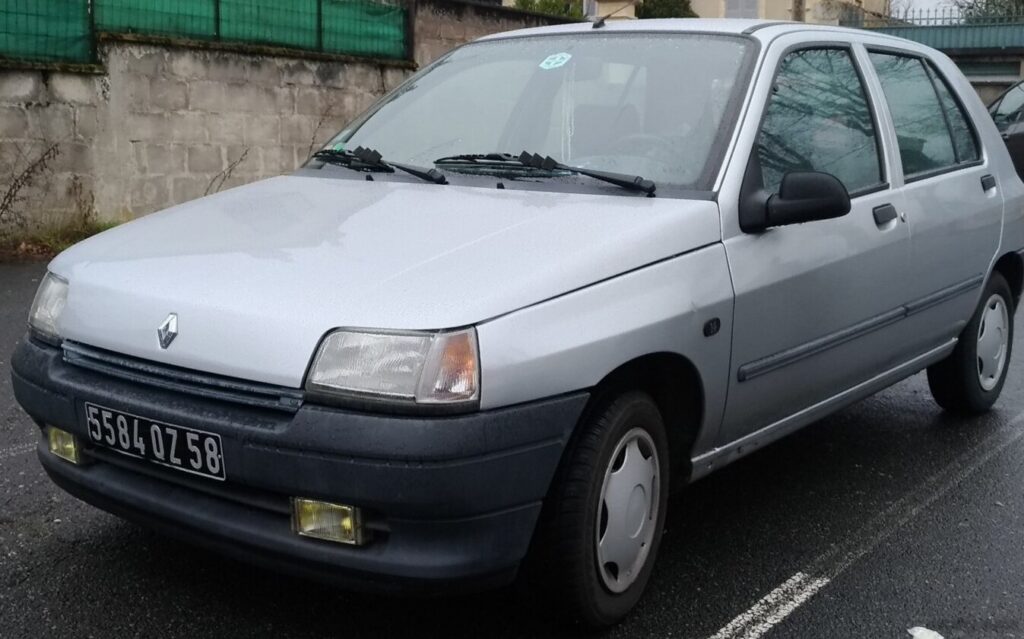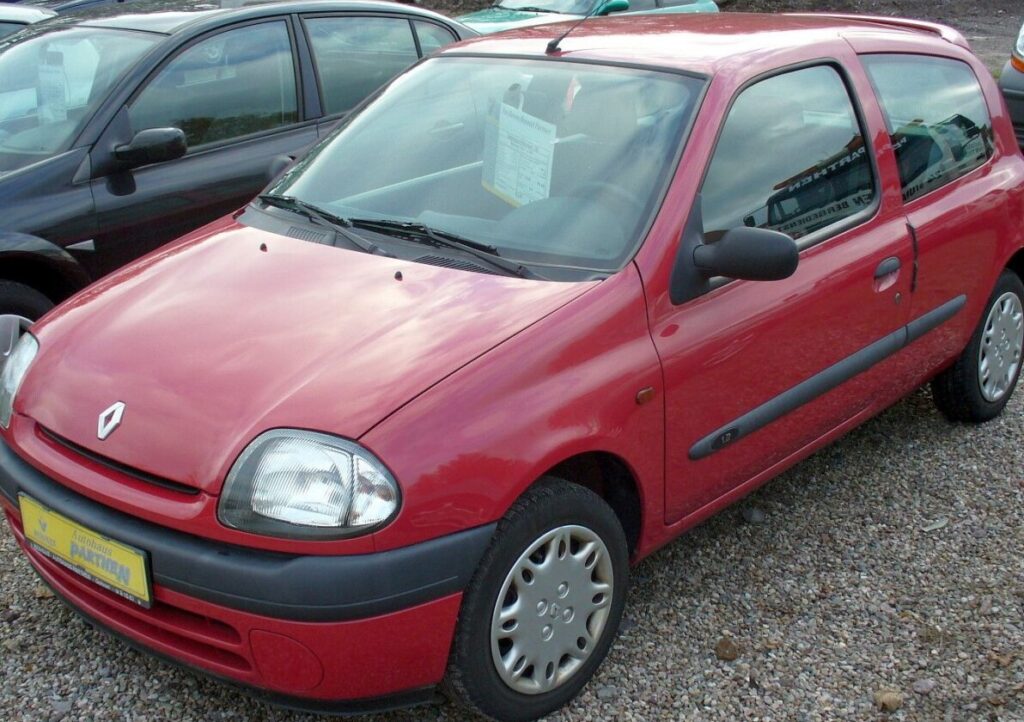
The Renault Clio II Phase I 3-door 1.4 16V (98 hp) was a popular subcompact hatchback produced between 1999 and 2000. It represented a key variant within the second generation Clio (1998-2012), specifically the initial Phase I facelift. Positioned as an entry-level to mid-range offering, this model aimed to provide a balance of affordability, fuel efficiency, and practicality for European buyers. It was built on the Renault B platform, also known as the 1HX0/B0 platform, shared with other Renault and Nissan models of the era.
1.4 16V Powertrain & Engine Architecture
The heart of this Clio variant was the Renault K4J engine, a 1.390-liter (84.82 cubic inches) inline-four cylinder gasoline engine. This engine featured a double overhead camshaft (DOHC) valvetrain with four valves per cylinder, hence the “16V” designation. The K4J was a naturally aspirated engine, meaning it did not utilize a turbocharger or supercharger. Fuel delivery was managed by a multi-port fuel injection system, providing precise fuel metering for optimal combustion.
The engine produced a maximum power output of 98 horsepower (hp) at 6000 rpm and 127 Newton-meters (93.67 lb-ft) of torque at 3750 rpm. The compression ratio was set at 10:1. Engine oil capacity was 4.9 liters (5.18 US quarts / 4.31 UK quarts), and the recommended coolant capacity was 5.7 liters (6.02 US quarts / 5.02 UK quarts). The engine was transversely mounted in the front of the vehicle, driving the front wheels.
While a five-speed manual transmission was the most common pairing for the 1.4 16V engine, an optional four-speed automatic transmission was available. This automatic gearbox, while offering convenience, was a significant factor in the vehicle’s overall performance and fuel economy compared to its manual counterpart. The automatic transmission utilized a traditional torque converter design.
Transmission Details
The four-speed automatic transmission used in the Clio II 1.4 16V was a Renault-sourced unit, designed for smooth operation and ease of use. However, it was known to be less efficient than the manual transmission, resulting in slightly lower fuel economy and slower acceleration. The gear ratios were optimized for everyday driving conditions, prioritizing comfort over outright performance. Specific gear ratios were not widely published, but the transmission was geared towards providing adequate acceleration from a standstill and comfortable cruising speeds.
Driving Characteristics
The 1.4 16V engine, when paired with the four-speed automatic transmission, delivered a comfortable but not particularly sporty driving experience. Acceleration from 0 to 100 km/h (0-62 mph) took approximately 10.5 seconds, and the top speed was around 186 km/h (115.58 mph). The automatic transmission contributed to a smoother driving experience, particularly in urban environments, but it also resulted in a noticeable reduction in responsiveness compared to the manual version.
The power delivery was relatively linear, with peak torque available at a reasonably low engine speed. However, the engine could feel strained when climbing hills or accelerating quickly, especially with a full load of passengers or cargo. The automatic transmission’s shift points were programmed for fuel efficiency, which sometimes resulted in the engine bogging down before downshifting. Compared to the higher-performance Clio variants, such as the 1.6 16V or the Renaultsport models, the 1.4 16V automatic was significantly less engaging to drive.
Equipment & Trim Levels
The Clio II Phase I 3-door 1.4 16V typically came equipped with a reasonable level of standard features for its price point. These included power steering, central locking, front electric windows, and an adjustable steering column. Interior upholstery was typically cloth, with a simple and functional dashboard layout. Safety features included ABS (Anti-lock Braking System) as standard equipment.
Optional extras included air conditioning, rear electric windows, a sunroof, and upgraded audio systems. Higher trim levels, such as the “RT” or “Exception” variants, offered additional features like alloy wheels, fog lights, and more luxurious interior trim. The 3-door configuration prioritized a sporty aesthetic and ease of parking in urban areas, but it came at the expense of rear passenger access and interior space compared to the 5-door model.
Chassis & Braking
The Clio II Phase I utilized a McPherson strut independent suspension system at the front, providing a comfortable ride and decent handling characteristics. The rear suspension employed a torsion beam setup, which was a cost-effective solution that offered adequate stability. The front brakes were disc brakes, while the rear brakes were drum brakes. This configuration was typical for vehicles in this weight class and price range.
The steering system was a rack and pinion type with hydraulic power assistance, providing light and precise steering feel. Tire sizes varied depending on the trim level, with common options including 165/65 R14, 175/65 R14, and 175/60 R14. The curb weight of the vehicle was approximately 980 kg (2160.53 lbs), contributing to its relatively nimble handling.
Market Reception & Comparison
The Renault Clio II 1.4 16V automatic was generally well-received by critics as a practical and affordable subcompact hatchback. It was praised for its fuel efficiency, comfortable ride, and ease of use. However, the automatic transmission was often criticized for its lack of responsiveness and its impact on fuel economy. Compared to the manual version, the automatic offered less engaging driving experience.
In terms of fuel economy, the combined fuel consumption was around 6.5 l/100 km (36.2 US mpg / 43.5 UK mpg), which was competitive for its class. Reliability was generally good, although some owners reported minor issues with the automatic transmission over time. Compared to other vehicles in the same segment, such as the Peugeot 206 or the Volkswagen Polo, the Clio II offered a good balance of features, performance, and price.
Technical Specifications
| Engine Type | Inline-4, Naturally Aspirated |
| Engine Displacement | 1390 cm3 (84.82 cu in) |
| Engine Code | K4J |
| Power Output | 98 hp @ 6000 rpm |
| Torque Output | 127 Nm (93.67 lb-ft) @ 3750 rpm |
| Compression Ratio | 10:1 |
| Fuel Injection | Multi-port Fuel Injection |
| Valvetrain | DOHC (Double Overhead Camshaft) |
| Transmission | 4-speed Automatic |
| Drive Type | Front-Wheel Drive |
| Curb Weight | 980 kg (2160.53 lbs) |
| Maximum Speed | 186 km/h (115.58 mph) |
| 0-100 km/h | 10.5 seconds |
| Fuel Consumption (Combined) | 6.5 l/100 km (36.2 US mpg / 43.5 UK mpg) |
| CO2 Emissions | 155 g/km |
| Fuel Tank Capacity | 50 liters (13.21 US gal / 11 UK gal) |
Legacy
The Renault Clio II 1.4 16V automatic, while not the most exciting variant in the lineup, proved to be a reliable and practical choice for many European drivers. The K4J engine, in particular, is known for its durability and relatively low maintenance costs. Today, these vehicles are increasingly sought after by classic car enthusiasts and collectors.
The automatic transmission, while less desirable than the manual, remains functional in many examples, although regular maintenance and fluid changes are crucial for long-term reliability. Parts availability is generally good, as the Clio II was a popular model and many components are still manufactured or readily available from used parts suppliers. The Clio II 1.4 16V automatic represents a significant chapter in Renault’s history and remains a testament to the brand’s commitment to providing affordable and reliable transportation.