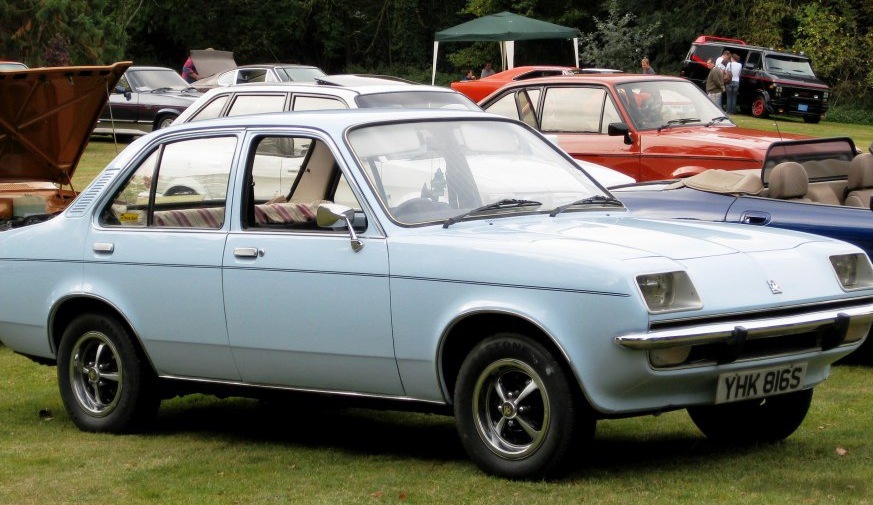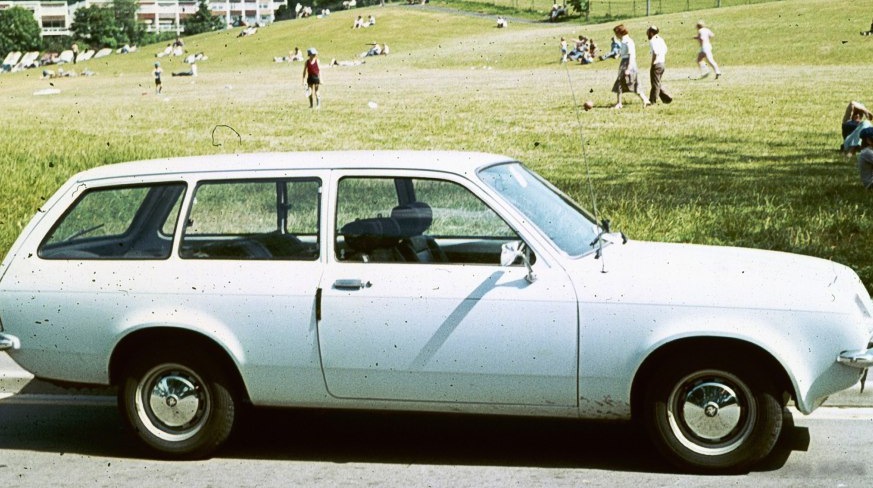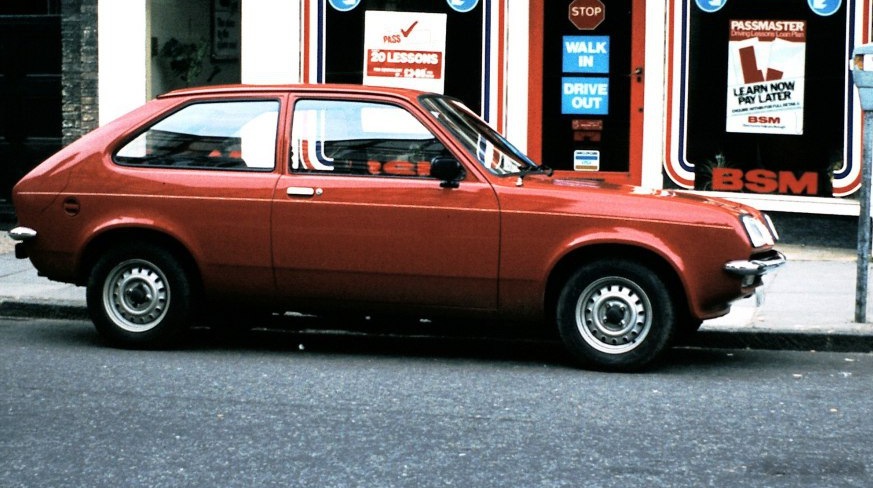
The Vauxhall Chevette CC 1300, produced from 1975 to 1985, was a small, economical hatchback that represented a significant part of the British automotive landscape during the late 1970s and early 1980s. Positioned as an entry-level vehicle, the 1300 variant served as the foundation of the Chevette range, offering basic transportation at a competitive price point. It was part of the Chevette CC generation, a series built on a rear-wheel-drive platform, a configuration becoming increasingly uncommon in the era. The “CC” designation stood for “Chavette Classic,” indicating a more refined version compared to the earlier, more spartan models.
The 1300 Variant: Entry Point to the Chevette Lineup
The 1300 model was the mainstay of the Chevette range for much of its production run. It was designed to appeal to budget-conscious buyers, first-time car owners, and those seeking a practical and reliable vehicle for daily commuting. While more powerful versions, like the HS and HSR models, offered increased performance, the 1300 prioritized fuel efficiency and affordability. It occupied the lowest rung on the Chevette ladder, offering a simpler specification than its more expensive siblings. The 1300 was often chosen by families needing a second car or individuals prioritizing low running costs.
Powertrain & Engine Architecture
The heart of the Chevette CC 1300 was a 1.3-liter inline four-cylinder engine, designated as a naturally aspirated petrol (gasoline) engine. The engine displaced 1256 cm³ (76.65 cubic inches) and produced 58 horsepower (hp) at 5600 rpm. Torque output was rated at 89 Newton-meters (Nm) at 2600 rpm, equivalent to 65.64 lb-ft. The engine featured a two-valve-per-cylinder configuration and utilized a relatively simple single-barrel carburetor fuel delivery system. The engine block was cast iron, contributing to its durability, while the cylinder head was made of aluminum alloy. The engine was mounted longitudinally in the front of the vehicle.
The Chevette CC 1300 was exclusively offered with a four-speed manual transmission. This transmission was a conventional setup, designed for durability and ease of maintenance rather than outright performance. The gear ratios were tailored to maximize fuel economy and provide adequate acceleration for everyday driving. The rear-wheel-drive configuration, while offering a more engaging driving experience than front-wheel-drive cars of the time, also contributed to the Chevette’s somewhat limited handling capabilities.
Engine Specifications (Detailed)
The 1300 engine, while not particularly powerful, was known for its robustness and relatively simple design. Maintenance was straightforward, and parts were readily available. The engine’s low compression ratio contributed to its ability to run on lower-octane fuel, further reducing running costs. The valve train employed a single overhead camshaft, operating the valves via pushrods and rocker arms. The engine oil capacity was 2.8 liters (2.96 US quarts or 2.46 UK quarts), and the cooling system held 5.8 liters (6.13 US quarts or 5.1 UK quarts) of coolant.
Driving Characteristics
The driving experience in a Chevette CC 1300 was characterized by its light weight and responsive steering. However, the 58 hp output meant that acceleration was modest, particularly when fully loaded. The four-speed manual transmission required frequent shifting to maintain momentum, especially on hills. The rear-wheel-drive layout provided a degree of handling balance, but the relatively narrow track width and basic suspension setup limited cornering grip. The ride quality was firm, reflecting the car’s utilitarian design. Compared to the higher-spec HS and HSR models, the 1300 felt noticeably slower and less refined. The HS models, with their larger engines and improved suspension, offered a more engaging and comfortable driving experience, but at a higher price point.
Equipment & Trim Levels
The Chevette CC 1300 was typically equipped with basic amenities. Standard features included cloth upholstery, vinyl floor covering, and a simple dashboard layout. The instrumentation was limited to a speedometer, fuel gauge, and temperature gauge. Optional extras included a radio, heater, and upgraded interior trim. The exterior trim was minimal, with black plastic bumpers and steel wheels being standard. The interior space was adequate for four adults, but rear legroom was limited. The hatchback configuration provided a reasonable amount of cargo space, which could be further increased by folding down the rear seats.
Chassis & Braking
The Chevette CC 1300 utilized a body-on-frame construction, which contributed to its relatively low weight. The front suspension consisted of independent coil springs and wishbones, while the rear suspension employed a live axle with leaf springs. The braking system featured drum brakes on all four wheels, which were adequate for the car’s weight and performance. Steering was via a rack and pinion system, providing precise and responsive control. The curb weight of the vehicle was 846 kg (1865.11 lbs). The relatively simple suspension setup prioritized durability and affordability over sophisticated handling.
Market Reception & Comparison
The Vauxhall Chevette CC 1300 was generally well-received by the British public as an affordable and reliable small car. Critics praised its fuel efficiency and ease of maintenance, but noted its lack of refinement and limited performance. Compared to rivals such as the Ford Fiesta and Austin Metro, the Chevette offered a more spacious interior and a more robust construction. However, it lacked the Fiesta’s more modern styling and the Metro’s more sophisticated suspension. The 1300 model consistently outsold the higher-spec versions, demonstrating its appeal to budget-conscious buyers. Fuel economy was a strong point, averaging around 35-40 mpg in typical driving conditions.
Technical Specifications
| Engine Displacement | 1256 cm³ (76.65 cu. in.) |
| Engine Configuration | Inline-4 |
| Number of Valves per Cylinder | 2 |
| Fuel System | Single-barrel Carburetor |
| Maximum Power | 58 hp @ 5600 rpm |
| Maximum Torque | 89 Nm @ 2600 rpm (65.64 lb-ft @ 2600 rpm) |
| Transmission | 4-speed Manual |
| Drive Type | Rear-Wheel Drive |
| Kerb Weight | 846 kg (1865.11 lbs) |
| Length | 3945 mm (155.31 in) |
| Width | 1570 mm (61.81 in) |
| Height | 1308 mm (51.5 in) |
| Wheelbase | 2395 mm (94.29 in) |
| Fuel Tank Capacity | Approximately 35 liters (9.25 US gallons) |
Legacy
The Chevette CC 1300, while no longer in production, remains a popular classic car among enthusiasts. Its simple design and readily available parts make it relatively easy to maintain and restore. The 1.3-liter engine, while not particularly powerful, is known for its reliability and longevity. Today, well-maintained examples of the Chevette CC 1300 are sought after by collectors and those seeking a nostalgic driving experience. The car’s enduring appeal lies in its affordability, practicality, and its representation of a bygone era of British motoring. While not a performance icon, the Chevette 1300 holds a significant place in automotive history as a dependable and economical small car that served the needs of a generation.