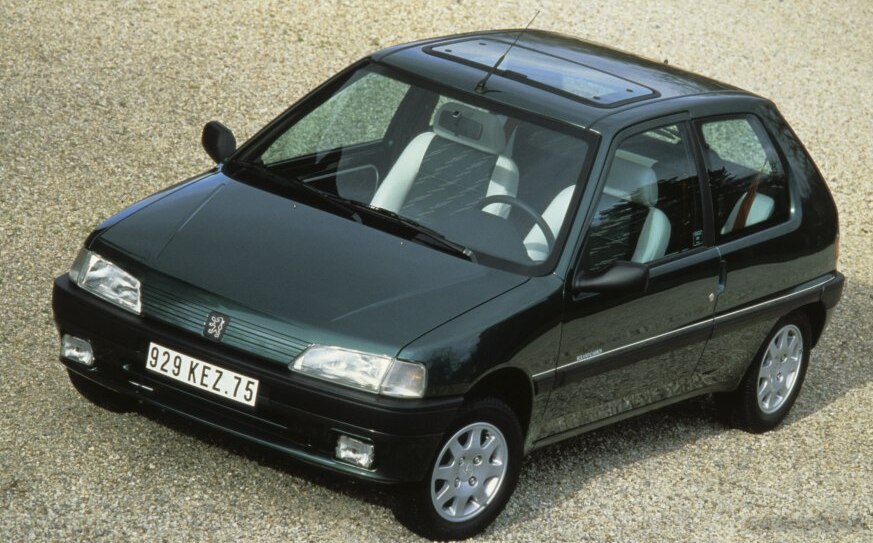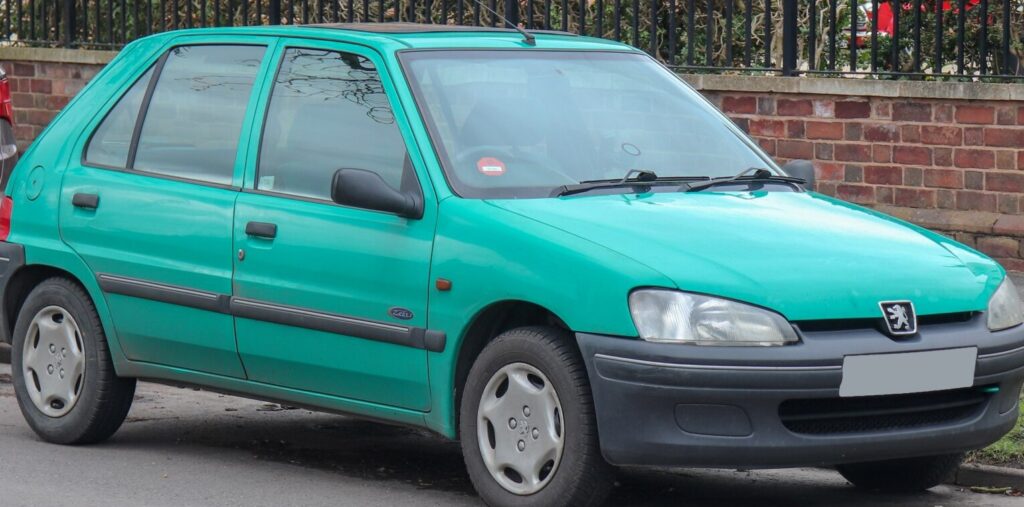
The Peugeot 106 II 1.1 i, producing 60 horsepower, was a mainstay of the Peugeot lineup from May 1996 to October 2000. This variant occupied the entry-level position within the 106 II range, serving as the most affordable and accessible model. Built on the T1 platform, the 106 II represented a significant update to the original 106, offering improved styling, safety features, and a more refined driving experience. The 1.1 i model was specifically targeted at budget-conscious buyers, first-time drivers, and those seeking a small, economical city car.
Peugeot 106 II 1.1 i: An Overview
The 106 II 1.1 i was available as both a three-door and five-door hatchback, catering to different lifestyle needs. It was designed to be a practical and reliable vehicle, prioritizing fuel efficiency and ease of use over outright performance. This model played a crucial role in establishing the 106 as a popular choice in the European supermini segment, competing with vehicles like the Renault Clio, Fiat Punto, and Volkswagen Polo.
Powertrain & Engine Architecture
At the heart of the 106 II 1.1 i lies the TU1M engine, specifically the HDZ or HFX variant. This is a 1.1-liter (1124 cc) inline-four cylinder engine utilizing a naturally aspirated configuration. The engine features a single overhead camshaft (OHC) valvetrain with two valves per cylinder. Fuel delivery is managed by a multi-port manifold injection system, providing a balance between efficiency and responsiveness. The compression ratio is set at 10.2:1. Engine output is rated at 60 hp (44 kW) at 5500 rpm and 91 Nm (67.12 lb-ft) of torque at 2600 rpm.
The 106 II 1.1 i was exclusively offered with a five-speed manual transmission. This transmission was chosen to maximize fuel economy and provide a direct connection between the engine and the front wheels. The gearbox ratios were geared towards efficiency, prioritizing acceleration in lower gears and comfortable cruising at highway speeds. The engine’s transverse mounting and front-wheel drive layout contribute to the car’s compact dimensions and nimble handling.
Driving Characteristics
The driving experience in the 106 II 1.1 i is best described as utilitarian and undemanding. Acceleration is modest, taking approximately 15.4 seconds to reach 100 km/h (62 mph) and 14.6 seconds to reach 60 mph. The engine delivers its peak torque at a relatively low 2600 rpm, providing adequate pulling power for everyday driving situations. However, it does require frequent gear changes to maintain momentum, especially when tackling hills or overtaking. Compared to the more powerful 1.6-liter versions of the 106 II, the 1.1 i feels significantly slower, but it compensates with superior fuel economy.
The steering is light and precise, making it easy to maneuver in tight urban environments. The suspension, consisting of wishbones at the front and a trailing arm setup at the rear, provides a comfortable ride, although it can feel somewhat bouncy on uneven surfaces. The car’s relatively low weight (815 kg / 1796.77 lbs) contributes to its agility and responsiveness.
Equipment & Trim Levels
The 106 II 1.1 i was typically equipped with basic but functional features. Standard equipment generally included power steering, central locking, and a basic audio system. Interior upholstery was typically cloth, with a simple dashboard layout. Optional extras included electric windows, a sunroof, and upgraded audio systems. Trim levels were relatively limited, with the focus being on providing a cost-effective package. Later models may have included driver’s airbag as standard equipment, reflecting increasing safety regulations.
Chassis & Braking
The 106 II 1.1 i features a front disc/rear drum braking system. While adequate for the car’s performance and weight, it lacks the stopping power of the all-disc setups found on higher-spec models. Anti-lock Braking System (ABS) was available as an option, enhancing braking performance and safety, particularly in wet or slippery conditions. The front suspension utilizes wishbones, providing a stable and controlled ride. The rear suspension employs a trailing arm setup, which is cost-effective and space-efficient. Tire size is typically 155/70R13.
Market Reception & Comparison
The Peugeot 106 II 1.1 i was generally well-received by critics as a practical and affordable city car. Its fuel economy – around 8.4 l/100 km (28 US mpg) in urban conditions and 5.2 l/100 km (45.2 US mpg) on the open road – was a major selling point. Compared to the 1.6-liter versions, the 1.1 i offered significantly better fuel efficiency, albeit at the expense of performance. Reliability was generally good, although the TU1M engine is known to be susceptible to oil leaks as it ages. The 1.1 i was often favored by novice drivers and those seeking a low-cost-to-own vehicle.
Compared to competitors like the Renault Clio 1.2 and Fiat Punto 1.2, the 106 II 1.1 i offered a similar level of practicality and economy. However, the 106 was often praised for its nimble handling and stylish design.
Technical Specifications
| Engine Type | Inline-4, Naturally Aspirated |
| Engine Displacement | 1124 cm3 (68.59 cu in) |
| Engine Code | HDZ / HFX |
| Power Output | 60 hp (44 kW) @ 5500 rpm |
| Torque Output | 91 Nm (67.12 lb-ft) @ 2600 rpm |
| Fuel Injection | Multi-port Manifold Injection |
| Compression Ratio | 10.2:1 |
| Transmission | 5-speed Manual |
| Drive Wheels | Front Wheel Drive |
| Kerb Weight | 815 kg (1796.77 lbs) |
| Maximum Weight | 1295 kg (2854.99 lbs) |
| Fuel Tank Capacity | 45 l (11.89 US gal) |
| Fuel Consumption (Urban) | 8.4 l/100 km (28 US mpg) |
| Fuel Consumption (Extra Urban) | 5.2 l/100 km (45.2 US mpg) |
| Acceleration 0-100 km/h | 15.4 sec |
| Maximum Speed | 165 km/h (102.53 mph) |
| Length | 3678 mm (144.8 in) |
| Width | 1594 mm (62.76 in) |
| Height | 1376 mm (54.17 in) |
Legacy
The Peugeot 106 II 1.1 i remains a popular choice among enthusiasts and budget-conscious buyers in the used car market. Its simplicity, reliability, and low running costs make it an attractive option for those seeking a practical and economical city car. While the TU1M engine can be prone to oil leaks with age, regular maintenance can help to mitigate these issues. Parts availability is generally good, and the car’s straightforward design makes it relatively easy to repair. The 106 II 1.1 i represents a significant chapter in Peugeot’s history, embodying the brand’s commitment to providing affordable and accessible transportation.