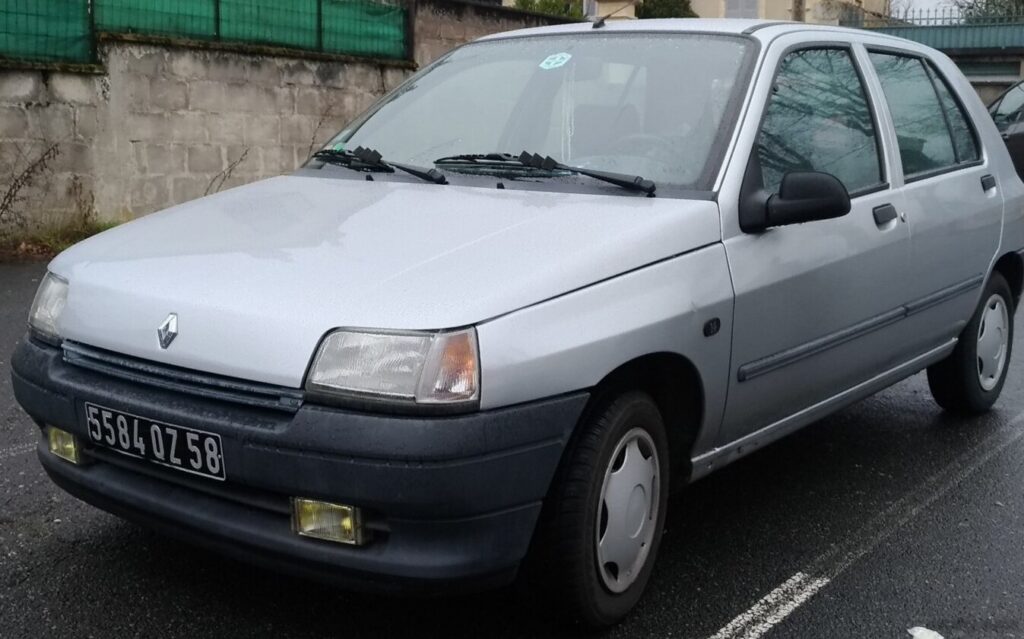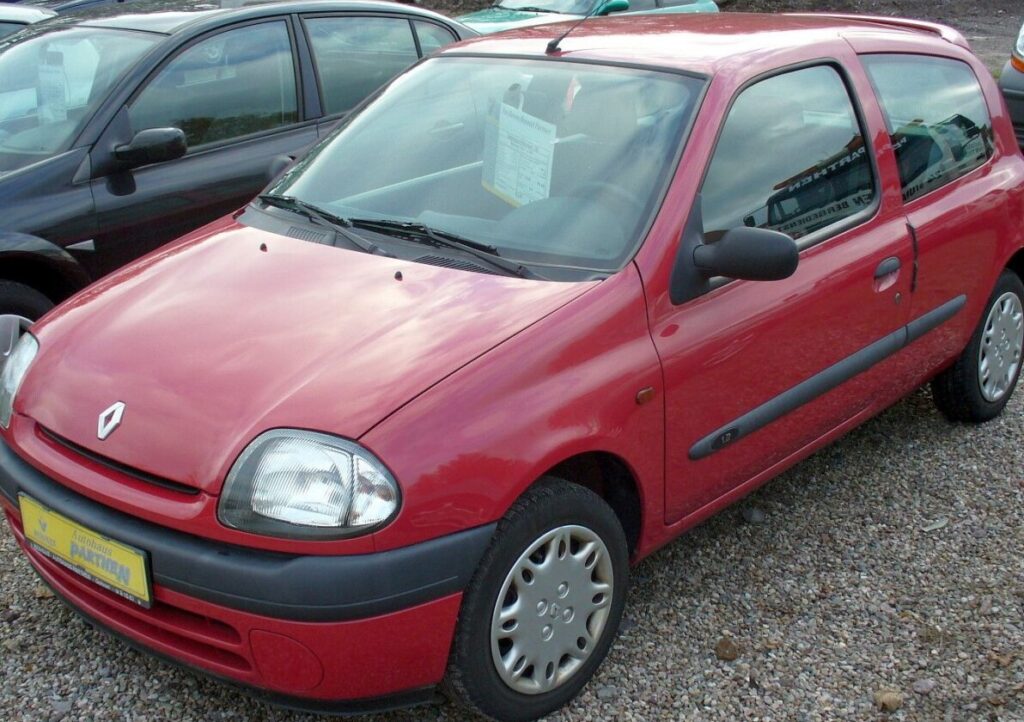
The Renault Clio II Phase I 3-door 1.4 16V Automatic, produced between 1999 and 2000, represented an entry-level offering within the broader Clio II range. This variant aimed to provide affordable and convenient transportation, appealing to buyers prioritizing ease of use over outright performance. It was positioned below the more powerful 1.6 16V and 2.0 16V models, as well as the diesel-powered variants, in Renault’s lineup. The Clio II (designated internally as the X65 project) was a significant step forward for Renault, building upon the success of the original Clio and offering improved refinement, safety, and styling. This particular 1.4L automatic configuration was a key part of broadening the Clio II’s appeal to a wider demographic.
Powertrain & Engine Architecture
The heart of the Clio II 1.4 16V Automatic is the Renault K4J engine, a 1390cc (84.82 cubic inches) inline-four cylinder gasoline engine. This engine is characterized by its all-aluminum construction, contributing to a relatively lightweight design. The ‘16V’ designation indicates the engine features four valves per cylinder, enhancing breathing and overall efficiency. The K4J utilizes a multi-port fuel injection system, delivering fuel directly into the intake ports, and a double overhead camshaft (DOHC) valvetrain for precise valve control. Peak power output is rated at 98 horsepower (70.5 hp/liter) at 6000 rpm, with a torque figure of 127 Nm (93.67 lb-ft) available at 3750 rpm.
The engine is mated to a four-speed automatic transmission. This transmission, while providing convenience, was not known for its particularly sporty or responsive shifts. It was selected for this trim level to provide a comfortable and user-friendly driving experience, particularly in urban environments. The automatic transmission’s gear ratios were geared towards fuel efficiency and smooth acceleration rather than rapid acceleration. The transmission is a conventional hydraulic automatic, lacking the more advanced electronic controls found in some contemporary vehicles.
Engine Code Specifics
The K4J engine code is common across several Renault models of the period. While generally reliable, the K4J engine is known to be susceptible to occasional issues with the throttle position sensor (TPS) and coil packs. Regular maintenance, including oil changes and spark plug replacement, is crucial for ensuring longevity. The automatic transmission, while generally durable, benefits from regular fluid changes to prevent wear and tear.
Driving Characteristics
The 1.4 16V Automatic Clio II delivers a modest driving experience. Acceleration from 0-100 km/h (0-62 mph) takes approximately 12.9 seconds, and 0-60 mph is achieved in around 12.3 seconds. The top speed is rated at 175 km/h (108.74 mph). Compared to the manual transmission version of the same engine, the automatic suffers a slight performance penalty due to the inherent inefficiencies of the torque converter. The automatic transmission’s shift points are programmed for economy, meaning the engine often operates at lower rpm, resulting in a less engaging driving experience. However, this also contributes to improved fuel economy in typical driving conditions.
The power delivery is relatively linear, with peak torque arriving at a reasonable 3750 rpm. This makes the car reasonably tractable in everyday driving situations. However, overtaking maneuvers require careful planning, and the engine can feel strained when pushed hard, especially when fully loaded. Compared to the more powerful 1.6L and 2.0L variants, the 1.4L automatic feels noticeably slower and less refined.
Equipment & Trim Levels
The 1.4 16V Automatic trim level of the Clio II Phase I typically included basic but essential features. Standard equipment generally included power steering, central locking, front electric windows, and an adjustable steering column. Interior upholstery was typically cloth, with a relatively simple dashboard layout. Air conditioning was often an optional extra, as were features like alloy wheels and a radio/cassette player. Safety features included driver and passenger airbags, and ABS (Anti-lock Braking System) was often included as standard, depending on the specific market.
Optional extras could significantly enhance the car’s comfort and convenience. Metallic paint was a popular option, as were upgraded sound systems. Higher trim levels, such as the ‘RT’ or ‘Exception’ models, offered additional features like rear electric windows, a sunroof, and more luxurious interior trim.
Chassis & Braking
The Clio II Phase I utilized a front-wheel-drive layout with independent front suspension employing a McPherson strut design. The rear suspension featured a torsion beam setup, which was a cost-effective solution providing adequate ride comfort for everyday use. The front brakes were disc brakes, providing good stopping power, while the rear brakes were drum brakes, a common feature on entry-level models to reduce production costs. The steering system was a hydraulic power steering rack and pinion, offering reasonable assistance at low speeds.
The weight-to-power ratio of 10.3 kg/hp indicates the car’s relatively modest performance. The kerb weight of 1010 kg (2226.67 lbs) contributes to its manageable handling characteristics. Tire sizes typically ranged from 165/65 R14 to 175/65 R14, depending on the specific trim level and market.
Market Reception & Comparison
The Renault Clio II 1.4 16V Automatic was generally well-received as an affordable and practical city car. Critics praised its comfortable ride, relatively spacious interior, and user-friendly controls. However, the automatic transmission was often criticized for its lack of responsiveness and its impact on fuel economy compared to the manual version. Fuel consumption figures were around 8.7 l/100 km (27 US mpg combined), which was typical for a car of this class at the time.
Compared to other cars in its segment, such as the Peugeot 206 and the Volkswagen Polo, the Clio II offered a good balance of price, practicality, and style. The 1.4L automatic was often seen as a sensible choice for buyers prioritizing ease of use over performance. The diesel variants offered superior fuel economy, while the 1.6L and 2.0L models provided more engaging driving experiences.
Technical Specifications
| Engine Type | Inline-4, 16V |
| Engine Displacement | 1390 cm3 (84.82 cu. in.) |
| Power Output | 98 hp @ 6000 rpm |
| Torque | 127 Nm (93.67 lb-ft) @ 3750 rpm |
| Fuel Injection | Multi-port Fuel Injection |
| Transmission | 4-speed Automatic |
| Drive Wheels | Front Wheel Drive |
| Kerb Weight | 1010 kg (2226.67 lbs) |
| Maximum Speed | 175 km/h (108.74 mph) |
| 0-100 km/h | 12.9 sec |
| Fuel Consumption (Combined) | 8.7 l/100 km (27 US mpg) |
| CO2 Emissions | 179 g/km |
| Fuel Tank Capacity | 50 l (13.21 US gal) |
Legacy
The Renault Clio II 1.4 16V Automatic, while not the most exciting variant in the range, proved to be a reliable and affordable option for many buyers. The K4J engine, when properly maintained, is known for its durability. Today, these cars are relatively common on the used car market, often available at very affordable prices. However, potential buyers should be aware of the potential for age-related issues, such as corrosion and wear and tear on the suspension components. The automatic transmission, while generally reliable, should be inspected for smooth operation and fluid leaks. Despite its age, the Clio II 1.4 16V Automatic remains a practical and economical choice for those seeking a simple and reliable city car.