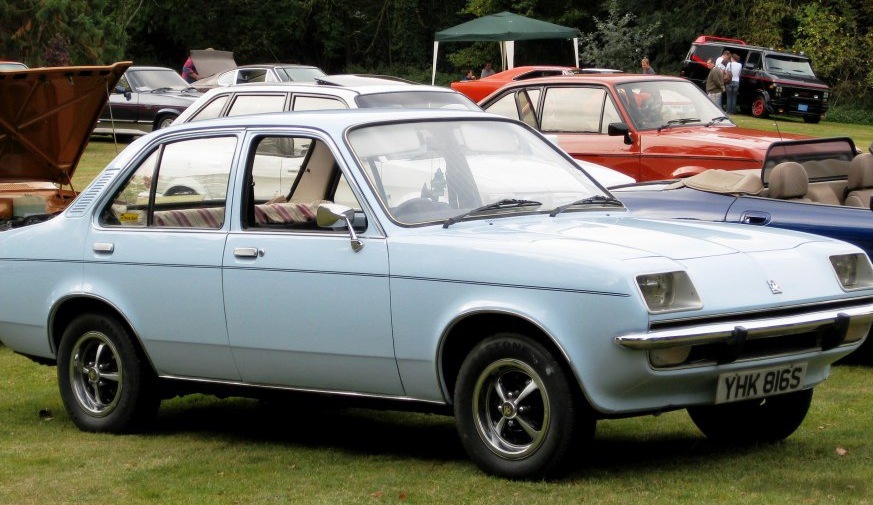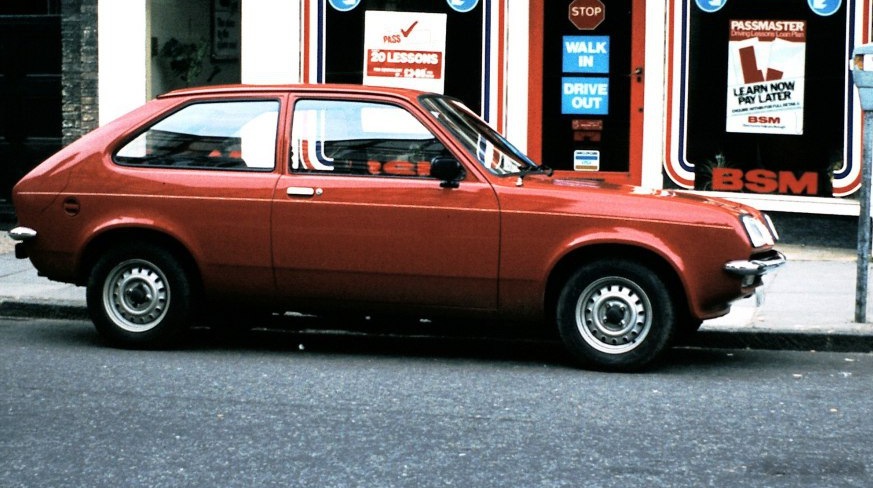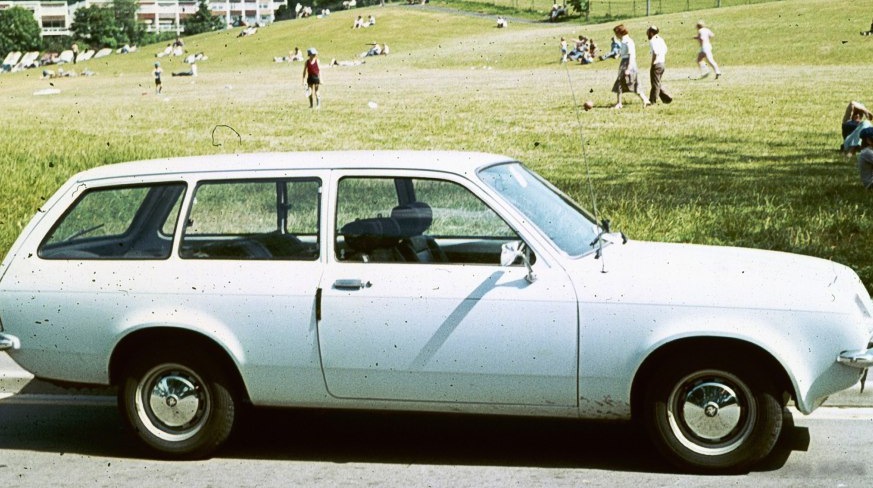
The Vauxhall Chevette Estate 1.3 N, produced from 1976 to 1985, was a practical and affordable station wagon offered as part of the Chevette range. Positioned as the entry-level variant within the Estate body style, it catered to buyers seeking economical transportation with the added versatility of a larger cargo area. The Chevette itself was Vauxhall’s response to increasing competition in the small car market, particularly from Ford and imports like the Fiat 127. The Estate version, launched a few years after the initial hatchback, broadened the Chevette’s appeal to families and those requiring more load space. It was built on the front-engine, rear-wheel-drive platform designated as the 400 series, and shared many components with other Vauxhall/Opel models of the era.
The 1.3 N Engine and Powertrain
The heart of the Chevette Estate 1.3 N was the 1256cc (76.65 cubic inch) inline four-cylinder engine, designated as the ‘N’ series. This engine produced 53 horsepower (hp) at a relatively high engine speed, reflecting its focus on fuel economy rather than outright performance. The engine featured a simple overhead valve (OHV) valvetrain with two valves per cylinder. Fuel delivery was managed by a single downdraft carburetor, a common setup for vehicles of this period. The engine’s longitudinal mounting within the front of the vehicle, coupled with rear-wheel drive, was a traditional configuration for British cars of the 1970s and early 1980s.
The 1.3 N engine was known for its robustness and relative simplicity, making it relatively easy to maintain. However, it wasn’t a particularly sophisticated unit. The engine block was cast iron, contributing to its durability, but also adding to the vehicle’s overall weight. The cylinder head was also cast iron. Lubrication was provided by a conventional wet sump system with a capacity of 2.8 liters (2.96 US quarts, 2.46 UK quarts). Cooling was achieved through a water-cooled system requiring 5.8 liters (6.13 US quarts, 5.1 UK quarts) of coolant.
Power was transmitted to the rear wheels via a four-speed manual transmission. This transmission was a standard unit for the time, offering a straightforward driving experience. The gear ratios were optimized for fuel efficiency and everyday usability, rather than sporty acceleration. There was no automatic transmission option available for the 1.3 N variant.
Comparison with Other Chevette Variants
The 1.3 N engine was the smallest and least powerful engine offered in the Chevette range. Higher-spec models were available with 1.6-liter engines, which provided a noticeable increase in performance. These larger engines were often paired with a five-speed manual transmission, further enhancing their driving experience. The 1.3 N was targeted at buyers prioritizing economy and affordability, while the 1.6-liter models appealed to those seeking more spirited driving. The 1.6 HS (High Speed) and later 1.6 SR (Sport Rally) models were significantly more performance-oriented, featuring upgraded suspension and styling cues. Compared to these, the 1.3 N was decidedly more basic, but it offered a lower purchase price and potentially better fuel economy.
Driving Characteristics
The driving experience in the Chevette Estate 1.3 N was characterized by its light weight and nimble handling. However, the 53 hp engine meant that acceleration was modest, particularly when the vehicle was loaded with passengers or cargo. The four-speed manual transmission required frequent shifting to maintain momentum, especially on hills. The rear-wheel-drive layout provided a degree of handling balance, but the relatively narrow track width and basic suspension setup meant that the car could feel somewhat unstable at higher speeds or during aggressive cornering. The steering, utilizing a rack and pinion system, was reasonably precise, but lacked power assistance, requiring some effort at low speeds.
The 1.3 N’s gear ratios were geared towards maximizing fuel efficiency. First gear was relatively low for starting from a standstill, while top gear was designed for comfortable cruising on motorways (freeways). However, the engine lacked the torque to pull strongly in top gear, often requiring downshifts when encountering inclines or overtaking other vehicles. Overall, the driving experience was best described as functional and economical, rather than exciting or refined.
Equipment and Trim Levels
The Chevette Estate 1.3 N was typically equipped with basic amenities. Standard features included cloth upholstery, vinyl floor covering, and a simple dashboard layout. The instrumentation was limited to a speedometer, fuel gauge, and temperature gauge. Heating and ventilation were standard, but air conditioning was not available. The exterior trim was minimal, with black plastic bumpers and steel wheels. Optional extras included a radio, upgraded seat fabrics, and a sunroof. The interior space was reasonably generous for a small estate car, offering ample headroom and legroom for passengers. The rear seats could be folded down to create a larger cargo area, increasing the vehicle’s versatility.
Chassis and Braking
The Chevette Estate 1.3 N utilized a relatively simple chassis design. The suspension consisted of independent coil spring suspension at the front and a live axle with leaf springs at the rear. The front suspension provided a reasonable level of comfort, while the rear suspension was more basic and prone to bouncing over uneven surfaces. The braking system featured drum brakes on all four wheels, which were adequate for normal driving conditions but lacked the stopping power of disc brakes. The steering was a rack and pinion system, providing reasonably precise control. The front and rear track widths were both 1300mm (51.18 inches). A stabilizer bar was not typically fitted to the 1.3 N variant, contributing to its softer ride but also increasing body roll during cornering.
Market Reception and Comparison
The Vauxhall Chevette Estate 1.3 N was generally well-received as an affordable and practical family car. Critics praised its fuel economy and spacious interior, but noted its lack of performance and refinement. Compared to its rivals, such as the Ford Escort Estate and the Austin/Morris Marina Estate, the Chevette offered a competitive price point and a relatively modern design. However, it lacked the sophistication and driving dynamics of some of its competitors. Fuel economy was a key selling point, particularly during the fuel crises of the 1970s. Reliability was generally good, although the engine could be prone to oil leaks as it aged.
Technical Specifications
| Engine Displacement | 1256 cm3 / 76.65 cu. in. |
| Number of Cylinders | 4, Inline |
| Valves per Cylinder | 2 |
| Engine Aspiration | Naturally Aspirated |
| Maximum Power | 53 hp |
| Power per Liter | 42.2 hp/l |
| Engine Oil Capacity | 2.8 l / 2.96 US qt / 2.46 UK qt |
| Coolant Capacity | 5.8 l / 6.13 US qt / 5.1 UK qt |
| Length | 4188 mm / 164.88 in. |
| Width | 1570 mm / 61.81 in. |
| Height | 1323 mm / 52.09 in. |
| Wheelbase | 2395 mm / 94.29 in. |
| Front Track | 1300 mm / 51.18 in. |
| Rear Track | 1300 mm / 51.18 in. |
| Drivetrain | Rear Wheel Drive |
| Gearbox | 4-speed Manual |
| Steering | Rack and Pinion |
Legacy
The Chevette Estate 1.3 N, while not a particularly glamorous or high-performance vehicle, holds a nostalgic place in the hearts of many British car enthusiasts. Its simple design and robust engine made it a reliable and affordable mode of transportation for a generation of families. Today, surviving examples are relatively rare and are sought after by collectors and enthusiasts. The 1.3 N engine, while not known for its longevity in high-performance applications, proved to be reasonably durable in its original configuration. Parts availability can be a challenge, but many components are still available from specialist suppliers. The Chevette Estate 1.3 N remains a testament to the practicality and affordability of British motoring in the 1970s and 1980s.