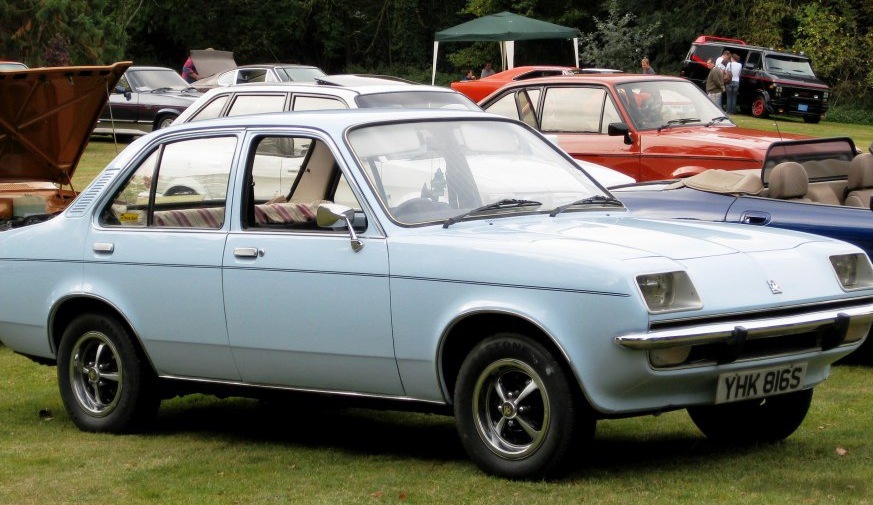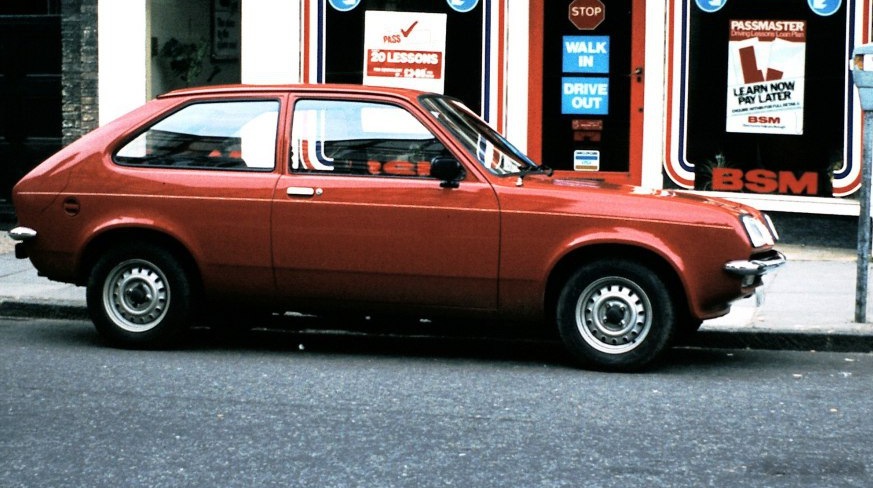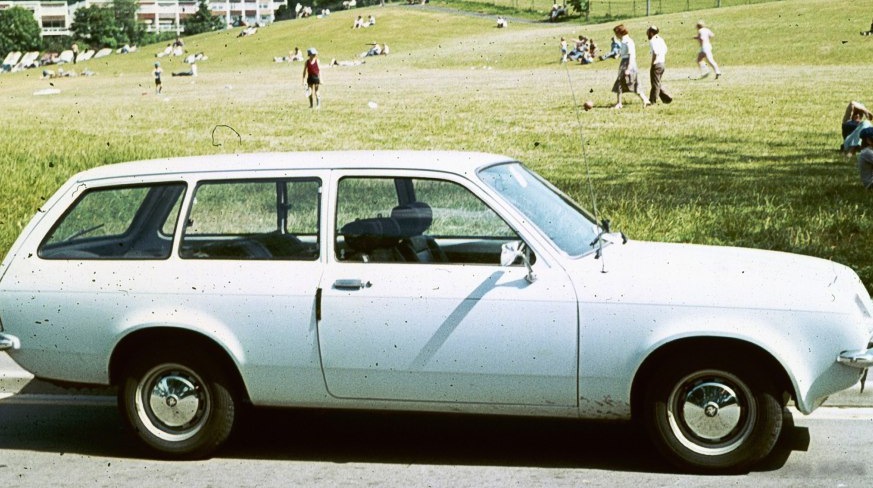
The Vauxhall Chevette Estate 1.3 S, produced between 1976 and 1985, was a practical and affordable family car offered by Vauxhall, the British arm of General Motors. This variant occupied the entry-level position within the Chevette Estate range, providing a budget-friendly option for those needing a spacious and versatile vehicle. The Chevette itself was a supermini, but the Estate version, introduced in 1979, expanded its appeal by offering significantly increased cargo capacity. The 1.3 S trim level denoted a slightly sportier iteration of the base model, though performance remained modest. It was built on the front-engine, rear-wheel-drive platform common to the Chevette range, designated internally as the T platform.
Powertrain & Engine Architecture
The heart of the Chevette Estate 1.3 S was the 1256 cc (76.65 cubic inches) inline-four cylinder engine. This engine, often referred to as the ‘A Series’ engine, was a simple and robust design, featuring a cast iron block and cylinder head. It utilized a two-valve per cylinder configuration and was naturally aspirated. Fuel delivery was managed by a single Zenith 36IV carburetor, a common setup for vehicles of this era. The engine produced 58 horsepower (hp) at 5600 rpm and 89 Newton-meters (Nm) of torque at 2600 rpm, equating to 65.64 lb-ft. The engine’s longitudinal front-engine layout, coupled with rear-wheel drive, was a relatively conventional arrangement for British cars of the 1970s and 80s. The engine oil capacity was 2.8 liters (2.96 US quarts or 2.46 UK quarts), and the cooling system required 5.8 liters (6.13 US quarts or 5.1 UK quarts) of coolant. The engine was known for its simplicity and relative ease of maintenance, though it lacked the refinement of more modern designs.
Transmission
The Chevette Estate 1.3 S was exclusively equipped with a four-speed manual transmission. This transmission was a fully synchronized unit, offering a straightforward driving experience. The gear ratios were geared towards economy rather than outright performance, reflecting the car’s intended role as a practical family vehicle. The lack of an automatic transmission option in this trim level further emphasized its budget-oriented positioning.
Driving Characteristics
The driving experience in the Chevette Estate 1.3 S was characterized by its light weight and nimble handling. With a kerb weight of 885 kg (1951.09 lbs), the power-to-weight ratio was 15.3 kg/hp. While the 58 hp output wasn’t substantial, it was sufficient for comfortable cruising and everyday driving. Acceleration was modest, and overtaking required careful planning. The rear-wheel-drive configuration provided a degree of driving engagement, but the relatively narrow track width and basic suspension setup meant that handling could become unpredictable at the limit. The four-speed manual transmission required frequent shifting to maintain optimal engine speed, particularly when tackling hills or carrying a full load. Compared to potential higher-spec versions (had they existed), the 1.3 S prioritized fuel economy and affordability over outright performance.
Equipment & Trim Levels
The 1.3 S trim level offered a modest level of equipment. Standard features typically included cloth upholstery, basic instrumentation (speedometer, fuel gauge, temperature gauge), and a steering wheel. The interior was functional and durable, but lacked the sophistication of more expensive vehicles. Optional extras included a radio, heated rear window, and upgraded interior trim. The exterior styling was relatively simple, with black plastic bumpers and steel wheels. The Estate body style provided a large cargo area, accessible through a rear tailgate. The 1.3 S trim did not offer many cosmetic enhancements over the base model, focusing instead on providing a practical and affordable package.
Chassis & Braking
The Chevette Estate 1.3 S utilized a relatively simple chassis design. The front suspension consisted of independent coil springs and wishbones, while the rear suspension employed a live axle with leaf springs. This setup provided a comfortable ride, but lacked the precision of more sophisticated suspension systems. The braking system featured disc brakes on the front wheels and drum brakes on the rear wheels. The braking performance was adequate for everyday driving, but lacked the stopping power of more modern vehicles. The steering was provided by a rack and pinion system, offering reasonably precise control. The front and rear track widths were both 1300 mm (51.18 inches).
Market Reception & Comparison
The Vauxhall Chevette Estate 1.3 S was generally well-received by the British motoring press as a practical and affordable family car. Critics praised its spacious interior, fuel efficiency, and low purchase price. However, they also noted its modest performance and basic interior appointments. Compared to rivals such as the Ford Escort Estate and the Austin/Morris Marina Estate, the Chevette offered a more compact size and a lower price point. However, it lacked the refinement and performance of some of its competitors. The 1.3 S engine was considered reliable, but required regular maintenance to ensure optimal performance. Fuel economy was a strong point, making it an attractive option for budget-conscious buyers.
Technical Specifications
| Brand | Vauxhall |
| Model | Chevette Estate |
| Type | 1.3 S |
| Start of Production | 1976 |
| End of Production | 1985 |
| Engine Type | Internal Combustion Engine (Petrol/Gasoline) |
| Body Type | Station Wagon (Estate) |
| Seats | 5 |
| Doors | 5 |
| Engine Displacement | 1256 cm3 (76.65 cu. in.) |
| Number of Cylinders | 4 |
| Engine Configuration | Inline |
| Valves per Cylinder | 2 |
| Engine Aspiration | Naturally Aspirated |
| Power | 58 hp @ 5600 rpm |
| Torque | 89 Nm @ 2600 rpm (65.64 lb.-ft. @ 2600 rpm) |
| Engine Layout | Front, Longitudinal |
| Kerb Weight | 885 kg (1951.09 lbs) |
| Length | 4188 mm (164.88 in) |
| Width | 1570 mm (61.81 in) |
| Height | 1323 mm (52.09 in) |
| Wheelbase | 2395 mm (94.29 in) |
| Drivetrain | Rear Wheel Drive |
| Gearbox | 4-speed Manual |
Legacy
The Chevette Estate 1.3 S, while not a particularly groundbreaking vehicle, holds a nostalgic place in the hearts of many British motorists. Its simple design and robust engine made it a reliable and affordable option for families in the 1970s and 80s. Today, surviving examples are relatively rare and are sought after by classic car enthusiasts. The ‘A Series’ engine is known for its durability, and well-maintained examples can still provide years of reliable service. However, parts availability can be a challenge, and rust is a common issue with older British cars. The Chevette Estate 1.3 S represents a bygone era of affordable and practical motoring, and its legacy continues to endure among those who remember it fondly.