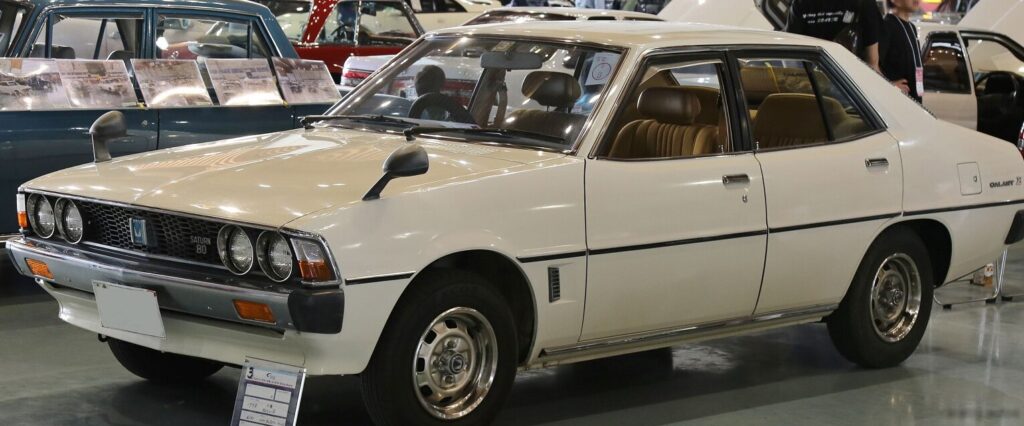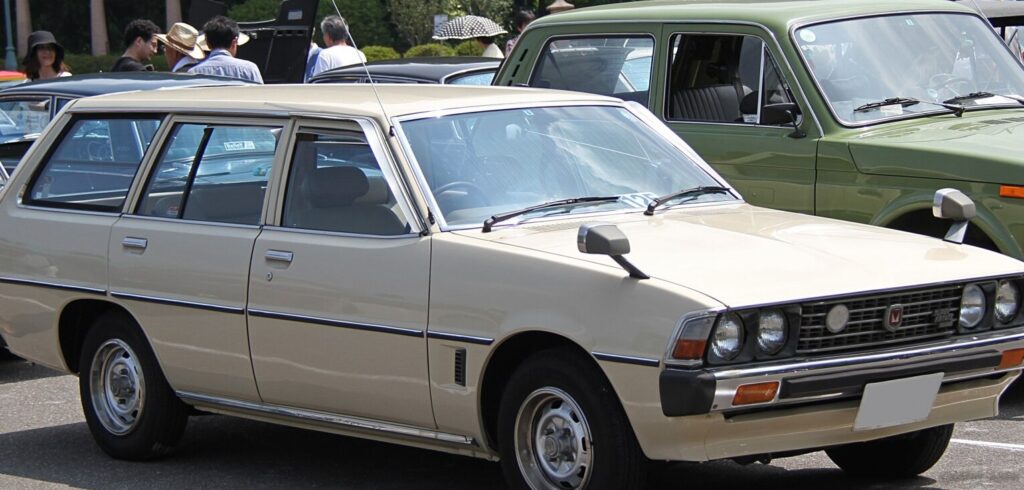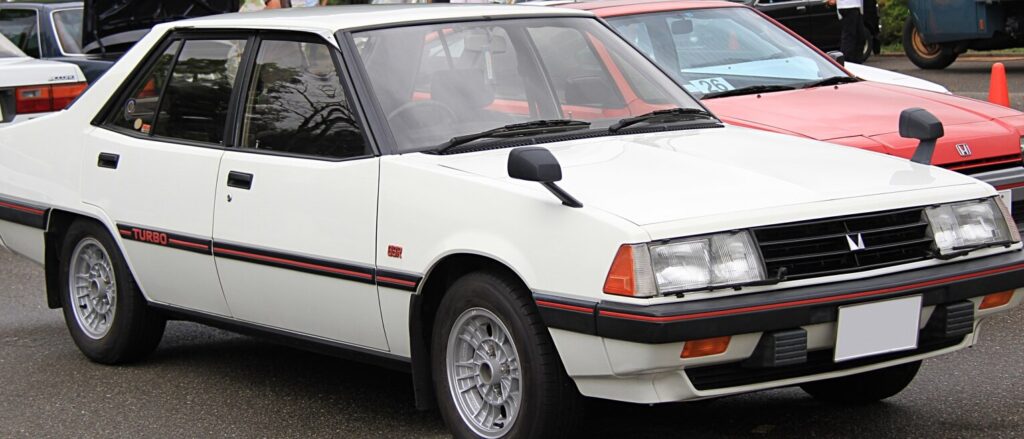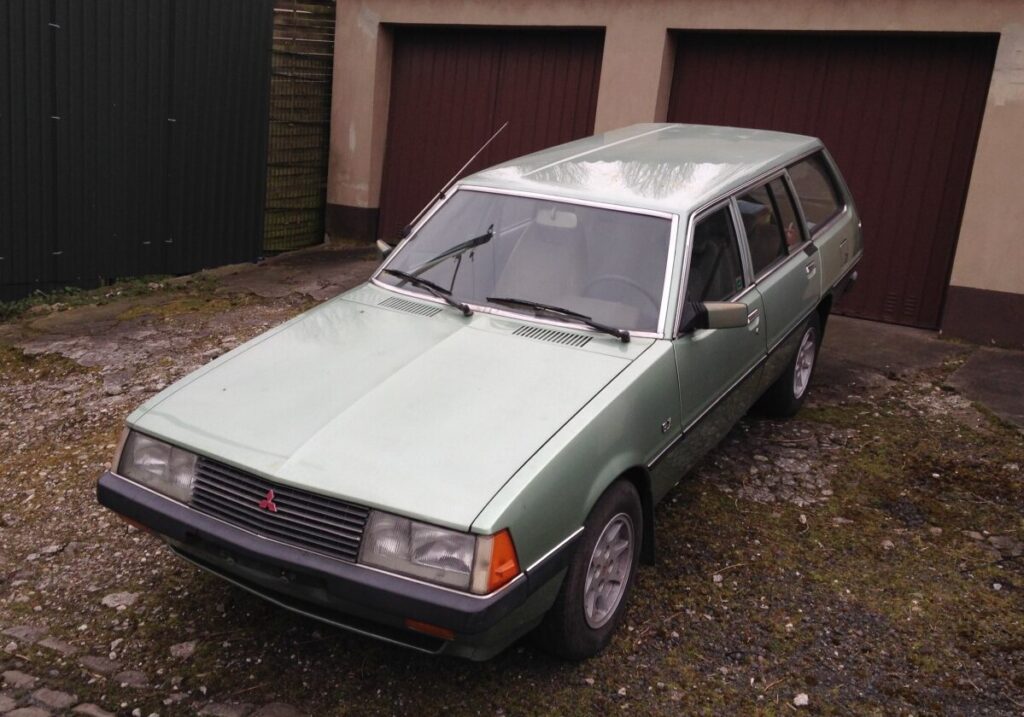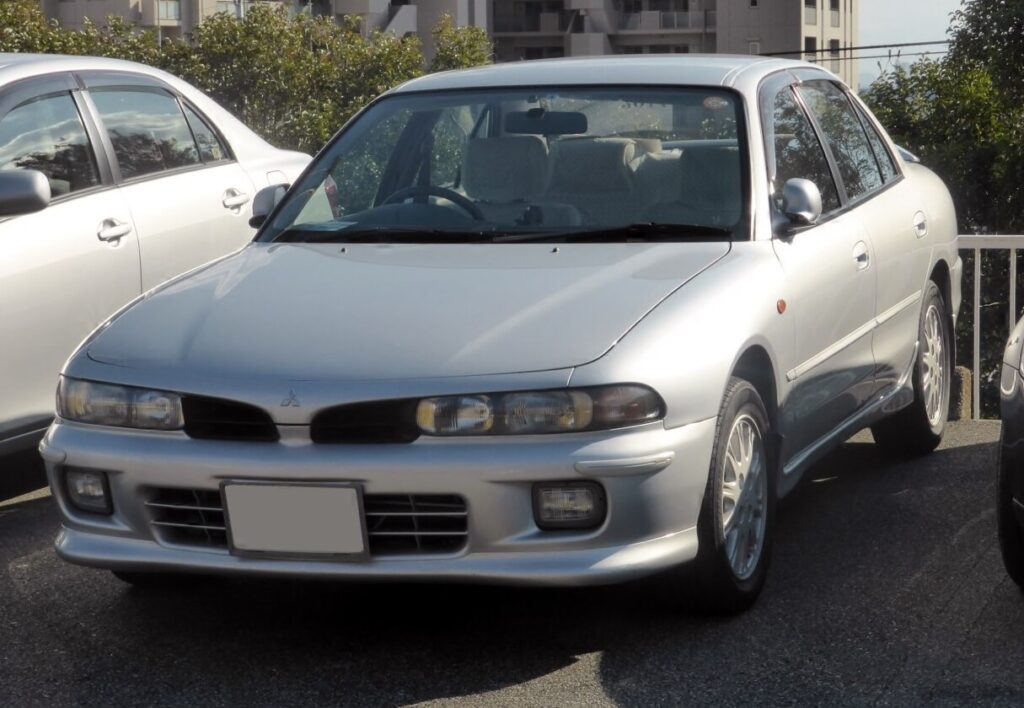
The Mitsubishi Galant VII 1.8 i, produced between 1992 and 1996, represented a key entry point into the seventh generation of Mitsubishi’s mid-size sedan. Positioned as a more affordable alternative to the higher-performance and more luxurious trims within the Galant VII lineup, the 1.8 i offered a balance of practicality, fuel efficiency, and reasonable performance for the average driver. This model was built on the 1HX0 platform, shared with other Mitsubishi vehicles of the era, and aimed to compete with established rivals like the Toyota Camry, Honda Accord, and Nissan Maxima in the North American and European markets. The 1.8L engine was a significant offering, providing a six-cylinder experience at a lower price point than the V6 options.
Powertrain & Engine Architecture
The heart of the Galant VII 1.8 i was the 4G63 inline-six cylinder engine, displacing 1829 cc (111.61 cubic inches). While the 4G63 engine family is renowned for its robust construction and tuning potential – famously used in Mitsubishi’s rally and performance cars – the version fitted to the 1.8 i was configured for economy and smooth operation rather than outright power. It produced 135 horsepower at 6000 rpm and 167 Nm (123.17 lb-ft) of torque at 4500 rpm. The engine featured a 9.5:1 compression ratio and utilized a multi-port fuel injection system, contributing to improved fuel efficiency and reduced emissions compared to earlier carbureted designs.
The valvetrain employed a single overhead camshaft (OHC) design, operating four valves per cylinder. This configuration provided a good compromise between performance and manufacturing cost. The engine was transversely mounted in the front of the vehicle, driving the front wheels. While a five-speed manual transmission was available, the 1.8 i was frequently equipped with a four-speed automatic transmission. This automatic, while providing convenience, was not known for its sportiness and was geared towards smooth, comfortable shifts. The automatic transmission’s gear ratios were optimized for fuel economy and everyday drivability, rather than rapid acceleration.
Engine Codes and Variations
The 4G63 engine used in the Galant VII 1.8 i could be identified by its engine code, which varied slightly depending on the market. These codes helped to differentiate minor variations in engine specifications and emissions control equipment. Common codes included variations tailored to meet specific regional regulations.
Driving Characteristics
The Galant VII 1.8 i with the automatic transmission offered a comfortable, if not particularly exhilarating, driving experience. Acceleration from 0 to 60 mph took approximately 8.6 seconds, and the car had a top speed of around 111.85 mph (180 km/h). The automatic transmission, while smooth, resulted in some power loss compared to the manual version. The gear ratios were spaced to prioritize fuel economy, meaning the engine often felt strained during quick overtaking maneuvers or when climbing hills. The power delivery was linear, with peak torque arriving at 4500 rpm, requiring drivers to downshift for more responsive acceleration. Compared to the V6-powered Galant trims, the 1.8 i felt noticeably less powerful, but it offered a more manageable and fuel-efficient driving experience.
Handling was generally considered safe and predictable, thanks to the front-wheel-drive layout and well-tuned suspension. However, it wasn’t designed for sporty driving. The steering was hydraulically assisted, providing reasonable feedback, but lacked the precision of more performance-oriented vehicles.
Equipment & Trim Levels
The Galant VII 1.8 i typically came standard with a reasonable level of equipment, reflecting its position as a mainstream family sedan. Standard features generally included power steering, air conditioning, cloth upholstery, and a basic audio system. The interior design was functional and straightforward, with a focus on ergonomics and durability. Higher trim levels, often denoted by additional packages, offered upgrades such as power windows and locks, upgraded audio systems, and alloy wheels. Optional extras could include a sunroof, cruise control, and upgraded interior trim materials. The dashboard layout was typical of the early 1990s, featuring analog gauges and a simple center console.
Chassis & Braking
The Galant VII 1.8 i utilized a double wishbone suspension setup at the front, providing a comfortable ride and reasonable handling. The rear suspension employed a spring strut design. The suspension was tuned for comfort, prioritizing ride quality over sporty handling. Braking duties were handled by disc brakes on all four wheels, providing adequate stopping power for the vehicle’s weight and performance. An Anti-lock Braking System (ABS) was often included as standard equipment, enhancing safety by preventing wheel lockup during hard braking. The vehicle rode on 185/70 R14 tires, which were a common size for the era and provided a good balance of ride comfort and grip.
Market Reception & Comparison
The Mitsubishi Galant VII 1.8 i was generally well-received by automotive critics as a practical and affordable mid-size sedan. It was praised for its comfortable ride, spacious interior, and relatively fuel-efficient engine. However, the automatic transmission was often criticized for its lack of responsiveness and its impact on fuel economy. Compared to the V6-powered Galant trims, the 1.8 i offered a more economical option, but at the expense of performance. Fuel economy figures were around 12 l/100 km (19.6 US mpg) in urban driving and 7 l/100 km (33.6 US mpg) on the highway. Reliability was generally good, although some owners reported issues with the automatic transmission over the long term. The 1.8 i appealed to buyers who prioritized practicality, fuel efficiency, and affordability over sporty performance.
Technical Specifications
| Body Type | Sedan, 4 Doors, 5 Seats |
| Engine Type | Inline-Six Cylinder Petrol (Gasoline) |
| Engine Displacement | 1829 cm3 (111.61 cu. in.) |
| Power Output | 135 Hp @ 6000 rpm |
| Torque Output | 167 Nm (123.17 lb.-ft.) @ 4500 rpm |
| Compression Ratio | 9.5:1 |
| Fuel Injection | Multi-port Fuel Injection |
| Transmission | 4-Speed Automatic (also available with 5-Speed Manual) |
| Drivetrain | Front Wheel Drive |
| Kerb Weight | 1200 kg (2645.55 lbs.) |
| Fuel Tank Capacity | 64 l (16.91 US gal | 14.08 UK gal) |
| Length | 4620 mm (181.89 in.) |
| Width | 1730 mm (68.11 in.) |
| Height | 1405 mm (55.31 in.) |
| Wheelbase | 2635 mm (103.74 in.) |
| 0-60 mph | 8.6 sec (Calculated) |
| Top Speed | 180 km/h (111.85 mph) |
Legacy
The Mitsubishi Galant VII 1.8 i, while not the most powerful or sporty version of the seventh-generation Galant, remains a relatively reliable and affordable used car option today. The 4G63 engine, even in its 1.8L guise, is known for its durability and longevity. However, potential buyers should be aware of the possibility of issues with the automatic transmission, particularly if it hasn’t been regularly serviced. Parts availability is generally good, although some specific trim pieces may be difficult to find. The 1.8 i represents a solid choice for those seeking a comfortable, practical, and relatively fuel-efficient mid-size sedan from the early 1990s, offering a taste of Mitsubishi’s engineering prowess at a reasonable price point. Its enduring appeal lies in its simplicity, reliability, and the inherent robustness of the 4G63 engine.