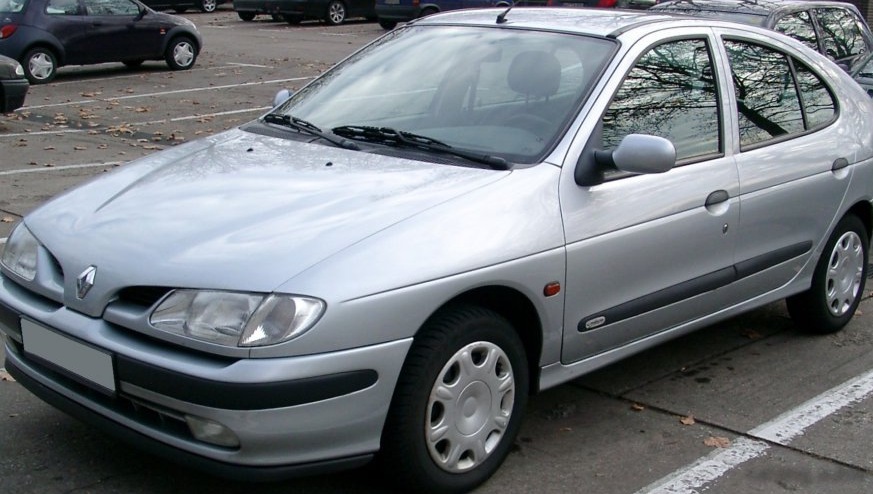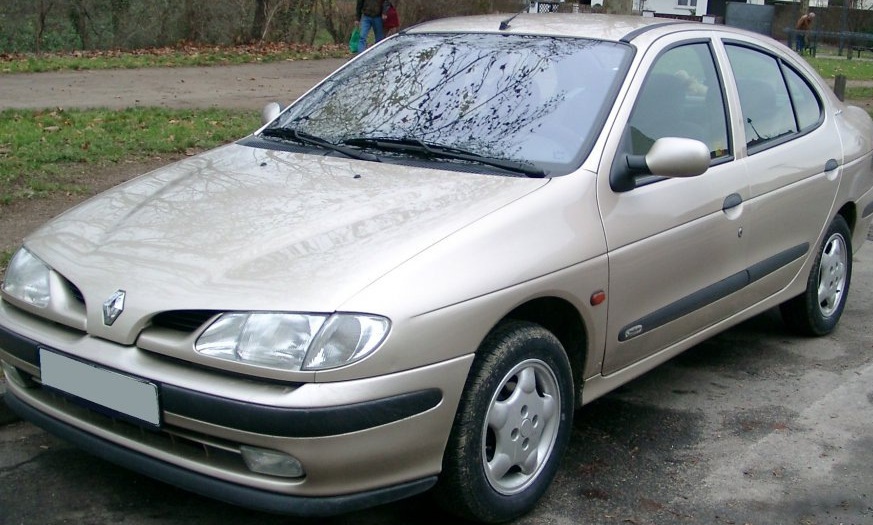
The Renault Megane I Classic (LA) 1.9 dTi, produced between 1996 and 1999, represented a significant offering in the compact sedan segment. This variant of the first-generation Megane, built on the 1HX0 platform, was positioned as a fuel-efficient and practical choice for buyers seeking a no-frills, economical vehicle. The “Classic” designation denoted the sedan (three-box) body style, differentiating it from the hatchback versions available. The 1.9 dTi engine provided a balance between performance and economy, appealing to drivers prioritizing lower running costs over outright speed. It served as a key model within the Megane I range, bridging the gap between the base petrol engines and the more powerful, albeit more expensive, options.
1.9 dTi Powertrain & Engine Architecture
The heart of the Megane I Classic 1.9 dTi is the F9Q engine, a 1.9-liter inline-four cylinder diesel engine. This engine is characterized by its direct injection system, a technology that improved fuel efficiency and reduced emissions compared to older indirect injection designs. The F9Q engine utilizes a single overhead camshaft (OHC) valvetrain, operating with two valves per cylinder. A key feature of this engine is its turbocharger, which significantly boosts power output. The turbocharger, coupled with the direct injection, allowed Renault to extract 98 horsepower (hp) at 4000 rpm and 200 Newton-meters (147.51 lb-ft) of torque at 2000 rpm. This torque delivery provided good low-end responsiveness, making it suitable for everyday driving conditions.
The 1.9 dTi was exclusively offered with a five-speed manual transmission during its production run. This transmission was chosen to maximize fuel economy and provide a direct connection between the engine and the front wheels. The gear ratios were tuned for efficiency, prioritizing acceleration in the lower gears and comfortable cruising at highway speeds. The transmission’s durability and relatively simple design contributed to its reliability.
Fuel Injection and Turbocharging
The direct injection system employed in the F9Q engine is a crucial element of its performance. Unlike indirect injection, where fuel is sprayed into the intake manifold, direct injection sprays fuel directly into the combustion chamber. This results in more complete combustion, improved fuel economy, and reduced emissions. The turbocharger forces more air into the engine, allowing it to burn more fuel and produce more power. The turbocharger’s operation is carefully controlled to prevent turbo lag and ensure smooth power delivery.
Driving Characteristics
The Renault Megane I Classic 1.9 dTi offered a driving experience focused on practicality and efficiency. Acceleration from 0 to 100 km/h (0-62 mph) took approximately 12.3 seconds, which was competitive for a diesel-powered compact sedan of the era, but noticeably slower than the gasoline-powered Megane variants. The engine’s strong low-end torque, however, made it feel more responsive in everyday driving situations, such as overtaking and merging onto highways. The five-speed manual transmission allowed drivers to keep the engine in its optimal power band, maximizing efficiency and responsiveness. The car’s handling was predictable and safe, but not particularly sporty. The suspension was tuned for comfort, absorbing bumps and providing a relatively smooth ride. Compared to the higher-powered petrol versions, the 1.9 dTi prioritized fuel economy and ease of driving over outright performance.
Equipment & Trim Levels
The Megane I Classic 1.9 dTi was typically offered in a relatively basic trim level, reflecting its position as an entry-level or mid-range model. Standard equipment generally included power steering, central locking, and a basic audio system. Interior upholstery was typically cloth, with a functional and durable design. Air conditioning was often an optional extra, as were power windows and alloy wheels. The dashboard layout was straightforward and easy to use, with clearly labeled controls. Safety features were limited by the standards of the time, typically including ABS (Anti-lock Braking System) as an available option, but airbags were not always standard equipment.
Chassis & Braking
The Megane I Classic 1.9 dTi featured a front-engine, front-wheel-drive layout. The front suspension utilized independent coil springs, providing a comfortable ride and good handling characteristics. The rear suspension employed a torsion beam setup, which was a cost-effective and space-efficient solution. Braking duties were handled by ventilated discs on the front wheels and drum brakes on the rear wheels. The ABS system, when equipped, enhanced braking performance and stability, particularly in slippery conditions. The steering system was a rack and pinion type with hydraulic power assistance, providing precise and responsive steering feel. The car’s curb weight of 1135 kg (2502.25 lbs) contributed to its relatively nimble handling.
Market Reception & Comparison
The Renault Megane I Classic 1.9 dTi was generally well-received by critics and buyers alike, particularly those seeking a fuel-efficient and reliable compact sedan. It was praised for its strong fuel economy, with combined fuel consumption figures of around 5.2 l/100 km (45.2 US mpg). Compared to the petrol-powered Megane variants, the 1.9 dTi offered significantly better fuel economy, making it an attractive option for high-mileage drivers. However, it was criticized for its relatively slow acceleration and lack of refinement compared to some of its competitors. In terms of reliability, the F9Q engine proved to be robust and durable, although regular maintenance was essential to prevent issues. Compared to other diesel engines of the time, the F9Q was considered relatively reliable, but like all diesel engines, it was susceptible to issues related to fuel quality and injector wear.
Technical Specifications
| Brand | Renault |
| Model | Megane |
| Generation | Megane I Classic (LA) |
| Type (Engine) | 1.9 dTi (98 Hp) |
| Start of production | 1996 |
| End of production | 1999 |
| Body type | Sedan |
| Seats | 5 |
| Doors | 4 |
| Fuel consumption (urban) | 6.8 l/100 km (34.6 US mpg) |
| Fuel consumption (extra urban) | 4.4 l/100 km (53.5 US mpg) |
| Fuel consumption (combined) | 5.2 l/100 km (45.2 US mpg) |
| CO2 emissions | 139 g/km |
| Fuel Type | Diesel |
| Acceleration 0 – 100 km/h | 12.3 sec |
| Acceleration 0 – 62 mph | 12.3 sec |
| Acceleration 0 – 60 mph | 11.7 sec |
| Maximum speed | 183 km/h (113.71 mph) |
| Engine layout | Front, Transverse |
| Engine Model/Code | F9Q |
| Engine displacement | 1870 cm3 (114.11 cu. in.) |
| Number of cylinders | 4 |
| Engine configuration | Inline |
| Cylinder Bore | 80 mm (3.15 in.) |
| Piston Stroke | 93 mm (3.66 in.) |
| Compression ratio | 18.3:1 |
| Number of valves per cylinder | 2 |
| Fuel injection system | Direct injection |
| Engine aspiration | Turbocharger |
| Valvetrain | OHC |
| Engine oil capacity | 5.5 l (5.81 US qt | 4.84 UK qt) |
| Coolant capacity | 7.5 l (7.93 US qt | 6.6 UK qt) |
| Kerb Weight | 1135 kg (2502.25 lbs.) |
| Max. weight | 1685 kg (3714.79 lbs.) |
| Trunk (boot) space – minimum | 510 l (18.01 cu. ft.) |
| Fuel tank capacity | 60 l (15.85 US gal | 13.2 UK gal) |
| Number of gears and type of gearbox | 5 gears, manual transmission |
| Front brakes | Ventilated discs |
| Rear brakes | Drum |
| Tires size | 185/60 R15 |
Legacy
The Renault Megane I Classic 1.9 dTi, and particularly the F9Q engine, has developed a reputation for durability and longevity. Many examples are still on the road today, testament to the engine’s robust design and relatively simple mechanicals. In the used car market, these models are often sought after by buyers looking for an affordable and reliable vehicle. However, potential buyers should be aware of the age-related issues that can affect any older car, such as corrosion and wear and tear on suspension components. The F9Q engine, while generally reliable, can be susceptible to injector problems and turbocharger wear if not properly maintained. Despite these potential issues, the Megane I Classic 1.9 dTi remains a popular choice for those seeking a practical and economical compact sedan.